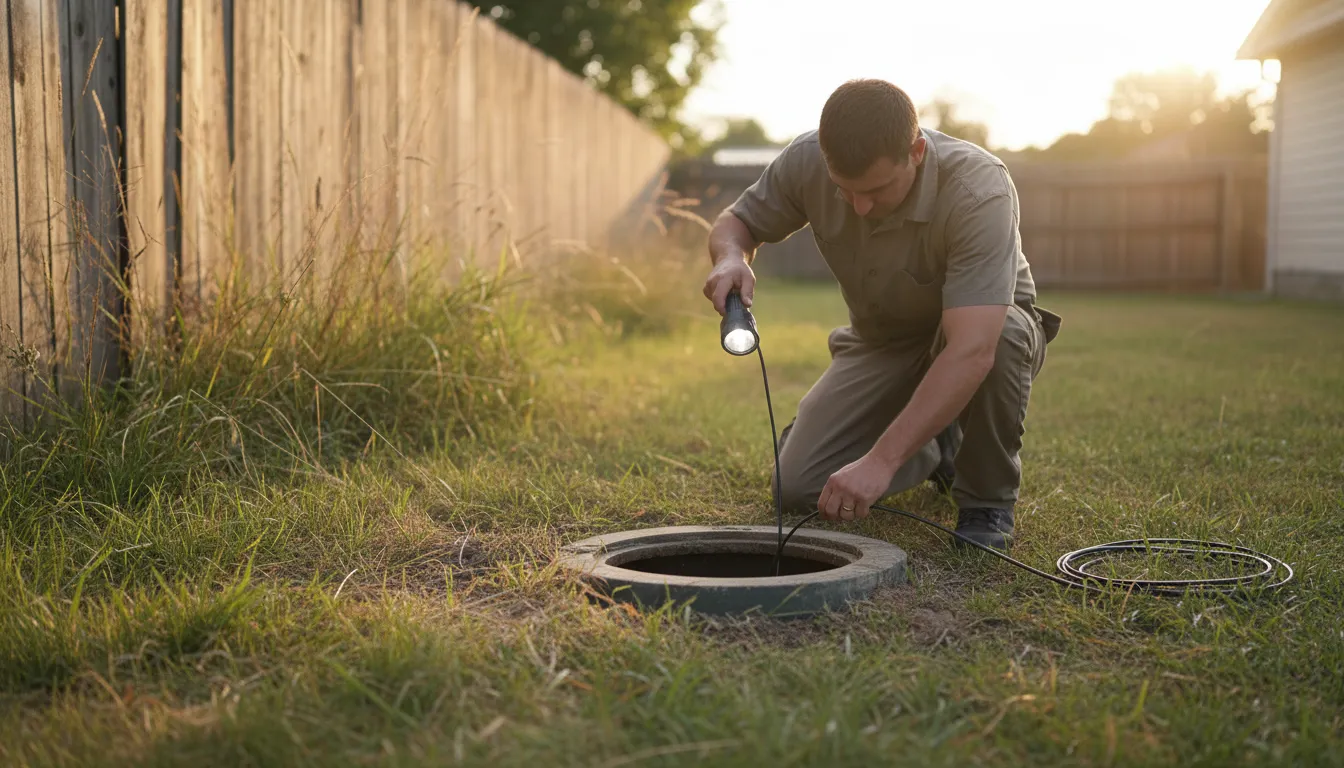
Find the Best Septic Tank Inspection Companies for Your Business
No obligation • Fast responses • Nationwide coverage

Why you can trust Septic Spot
Septic Spot is a leading United States resource for understanding and comparing septic services. Our editors review providers using consistent criteria and verify key business details. Listings and scores are independent, and companies cannot pay to influence our content.
Search providers near you
Top Septic Tank Inspection Companies in Milford, Connecticut Ranked
A septic tank inspection is a critical evaluation of your home's private wastewater treatment system, conducted by a licensed professional. In Milford, these assessments are essential for protecting your property value, ensuring public health, and complying with state and local regulations. Whether you're buying a home, planning a renovation, or performing routine maintenance, understanding your system's condition is key. This guide helps you navigate the process, know what to expect, and connect with qualified local specialists for your septic system evaluation.
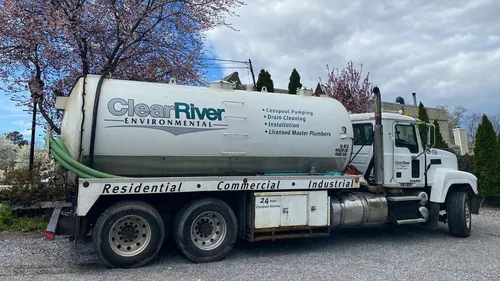
Clear River Environmental
847 11th St, Ronkonkoma, NY 11779
Clear River Environmental is a septic tank pumping, inspection, repair, and installation company serving New York, NY. They offer comprehensive environmental services including cesspool pumping, septic system maintenance, plumbing repairs, and emergency environmental remediation. The company has over 60 years of experience and uses advanced equipment such as camera inspection systems and leak detection technology. Clear River Environmental provides 24/7 emergency services to address urgent property issues promptly.
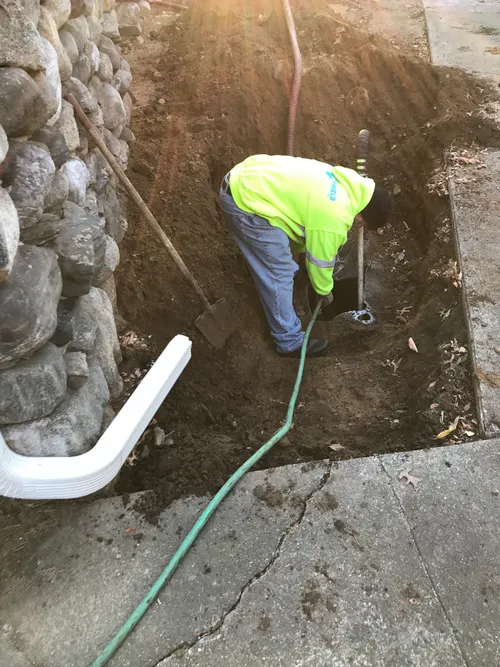
Unlimited Excavation and Construction
688 N Washington Ave, Bridgeport, CT 06604
Unlimited Excavation and Construction is a family-owned company based in Bridgeport, CT, providing comprehensive septic and sewer services for residential and commercial clients. With over 30 years of experience, they offer septic tank installation, inspection, repair, and sewer line maintenance, along with additional services like drain cleaning and asphalt paving. Their team uses state-of-the-art technology to inspect septic systems and sewer lines, helping to identify potential issues early and perform necessary repairs efficiently. They also provide 24/7 emergency services to address urgent sewer and septic problems promptly.
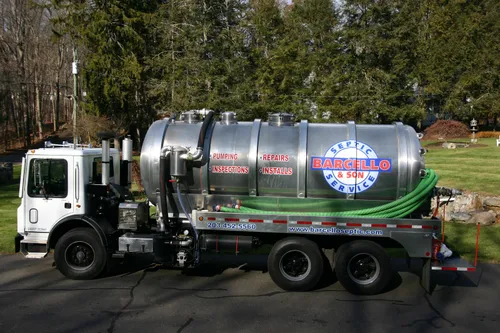
Barcello & Son Septic Service LLC
334 Wilson Rd, Easton, CT 06612
Barcello & Son Septic Service LLC is a family-owned business based in Easton, CT, serving the Bridgeport area with septic tank pumping, inspection, repair, design, and installation services. With over 20 years of experience in Fairfield County, they handle all sizes and types of septic systems using a proprietary 12-step pumping process and the latest equipment. Their expertise covers comprehensive septic system solutions, including real estate appraisal support and system design. The company emphasizes transparent pricing and guarantees their work. Barcello & Son Septic Service LLC is known for clear communication about service timing and procedures, aiming to provide a straightforward and reliable customer experience.
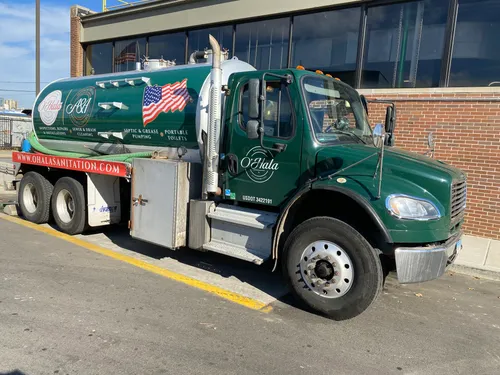
A & A Systems Control Inc
47 Larkin St Unit 5 A, Stamford, CT 06907
A & A Systems Control Inc is a family-owned septic and excavating services company based in Stamford, CT. They provide a full range of septic system services including pumping, inspections, repairs, installations, and drain cleaning for residential and commercial clients. Their expertise extends to excavation, drainage solutions, grease trap cleaning, and percolation testing, serving Stamford and nearby communities such as Greenwich, Darien, and New Canaan. The company offers 24/7 availability and emphasizes routine maintenance plans to minimize emergencies and system backups. With a background in utility construction, A & A Systems Control Inc combines technical knowledge with local service to support well-maintained septic systems.
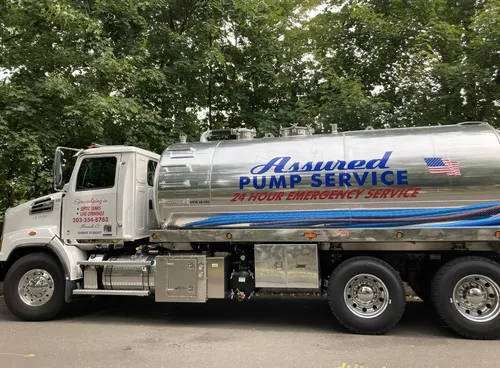
Assured Pump Services
Stamford, CT
Assured Pump Services is a septic tank pumping, inspection, and repair company based in Stamford, CT. Serving Fairfield County, they offer a full range of septic system services including pumping, drain clearing, and repairs. With over 25 years of experience, the company provides 24/7 emergency response to address urgent septic issues promptly. Their licensed technicians use state-of-the-art equipment to ensure thorough and reliable service.
Why Septic Inspections Are Crucial in Milford
Your septic system is an out-of-sight but vital component of your property. In Milford, with its mix of coastal areas and suburban neighborhoods, maintaining a functional system prevents groundwater contamination, avoids costly emergency repairs, and ensures your home remains safe and sanitary. The Connecticut Public Health Code and the Milford Health Department (MHD) have strict standards for subsurface sewage disposal 1 2. A professional septic system evaluation verifies that your system operates within these legal and environmental guidelines. Regular checks are the most effective way to catch minor issues before they become major, disruptive failures.
When Is a Septic System Evaluation Required?
Knowing when to schedule an inspection can save you from legal headaches and unexpected expenses.
- Property Transfer: While Connecticut state law does not mandate an inspection for every real estate sale, it is considered standard and highly recommended practice 3. Most responsible buyers and sellers in Milford utilize the "Connecticut Recommended Minimum Existing Septic System Inspection Report" to facilitate a transparent transaction 4.
- Building Expansion or Change of Use: If you plan to add a bedroom, expand your home, or change the property's use (e.g., converting a single-family home to a duplex), the Milford Health Department will require a certified inspection to determine if the existing system can handle the increased wastewater flow.
- System Repair or Replacement: Any application for a repair permit typically requires an inspection to diagnose the problem and justify the proposed solution.
- Routine Maintenance: The U.S. Environmental Protection Agency recommends having your septic tank inspected at least every 1 to 3 years, even if pumping isn't immediately needed. This proactive approach is the best defense against system failure.
What Does a Comprehensive Inspection Involve?
A thorough septic inspection in Milford is more than just looking at the tank. Licensed inspectors follow a detailed process to assess the entire system's health.
- System Location & Documentation: The inspector will first locate and uncover the tank and distribution box. They'll also identify the drainfield (leaching field) area.
- Tank Integrity Check: The tank is opened, and the liquid and scum levels are measured. High levels may indicate a need for pumping or a blockage in the outlet. The inspector checks the tank's structural condition, looking for cracks, corrosion, or signs of collapse.
- Component Examination: Inlet and outlet baffles or tees are inspected for damage or blockage. These components are crucial for preventing solids from entering and clogging the drainfield.
- Hydraulic Load Test: This is a key part of the inspection. The inspector will run water from multiple fixtures in the home simultaneously to simulate a heavy use period and observe how the system accepts and disperses the effluent. This test helps identify hydraulic failure or saturation.
- Drainfield Evaluation: The inspector examines the drainfield area for signs of failure, such as soggy ground, surfacing sewage, or unusually lush vegetation. They may also use a probe to check for ponding.
- Final Report: You will receive a detailed report, often using the state-recommended form, outlining the system's condition, any deficiencies found, and recommended actions.
Understanding Costs for Inspection and Pumping
Investing in a professional evaluation is a wise financial decision for any septic system owner. In the Milford area, costs can vary based on the system's size, accessibility, and the scope of the inspection.
- Standard Septic Inspection: A basic inspection typically ranges from $300 to $600 5. This price can increase if the tank lids are buried deep or the system components are difficult to locate.
- Septic Pumping: Pumping the tank, which is often done in conjunction with an inspection, generally costs between $300 and $600, depending on tank capacity 6.
- Combined Service: Many homeowners opt for a combined inspection and pumping service. For this, you should expect to pay roughly $600 to $1,200 or more, depending on the contractor and the specific conditions of your system 7 8.
Find the perfect septic tank inspection companies for your needs
Get personalized recommendations and expert advice
Maintenance: Your Role in System Longevity
A septic inspection provides a snapshot of your system's health, but ongoing maintenance is what ensures its longevity. The Milford Health Department and the EPA emphasize that the homeowner is responsible for proper operation.
- Pump Regularly: Even with careful use, solids (sludge) accumulate in the tank. Have your tank pumped every 3 to 5 years by a licensed professional to prevent sludge from flowing into and destroying the drainfield 9.
- Conserve Water: Spread out laundry loads, fix leaky faucets, and install water-efficient fixtures. Reducing the flow into the tank gives solids more time to settle and prevents hydraulic overload.
- Mind What You Flush: Only human waste and toilet paper should go down the drain. Avoid flushing chemicals, grease, coffee grounds, diapers, wipes (even "flushable" ones), and feminine hygiene products.
- Protect the Drainfield: Never drive or park vehicles on the drainfield. Keep roof drains, sump pumps, and other surface water away from the area. Plant only grass over the drainfield; tree and shrub roots can cause severe damage.
Navigating Local Regulations and Permits
The Milford Health Department enforces the state's Technical Standards for Subsurface Sewage Disposal Systems 10. If your inspection reveals that your system cannot handle a proposed increase in flow (like adding a bedroom), you may be required to conduct soil percolation tests and submit new design plans for system expansion or replacement 10 11. Always check with the MHD for the most current permit requirements before starting any project that could affect your septic system. Their guidance is invaluable for ensuring your project proceeds smoothly and legally.
Choosing a Qualified Septic Inspector in Milford
Not all contractors are equal. For something as important as your wastewater system, choosing the right professional is paramount.
- Verify Licensing: Ensure the inspector is licensed by the State of Connecticut to perform subsurface sewage evaluations.
- Check Experience & Reputation: Look for established local companies with strong reviews and a history of service in Milford. Ask how long they have been in business.
- Ask About the Process: A reputable inspector will be happy to explain their inspection process in detail, including whether they perform a hydraulic load test and provide a comprehensive written report.
- Get Detailed Estimates: Obtain written estimates from a few companies. Ensure the quote clearly outlines what services are included (e.g., locating lids, pumping, report writing).
Frequently asked questions
Sources
Footnotes
-
Operation and Maintenance - CT.gov - https://portal.ct.gov/dph/environmental-health/environmental-engineering/operation-and-maintenance ↩
-
Environmental Engineering - Subsurface Sewage - CT.gov - https://portal.ct.gov/dph/environmental-health/environmental-engineering/environmental-engineering----subsurface-sewage ↩
-
Septic Inspections in Connecticut - https://skipswastewater.com/inspections/ ↩
-
INSPECTIONS OF EXISTING SEPTIC SYSTEMS - CT.gov - https://portal.ct.gov/dph/-/media/departments-and-agencies/dph/dph/environmental_health/environmental_engineering/pdf/coverpdf.pdf?rev=d21fe317738d41b890e42faa325f72b3&hash=EC500A8393B7B671062B9289EE04B65D ↩
-
A Complete Guide to Septic System Inspections | GAI Inc - https://www.guardianangelinspections.com/complete-guide-septic-system-inspection ↩
-
Septic System Inspection: Costs, Precautions, and More - https://www.realtor.com/advice/sell/is-the-seller-obligated-to-get-a-septic-system-inspection-on-a-home/ ↩
-
Septic System Inspections: A Step-by-Step How-To Guide - https://westcoastsanitationinc.com/septic-inspection-service/ ↩
-
Essential Septic Inspections: What Every Homebuyer and Seller Should Know - Septic-Masters - https://septic-masters.com/essential-septic-inspections-what-every-homebuyer-and-seller-should-know/ ↩
-
Frequent Questions on Septic Systems | US EPA - https://www.epa.gov/septic/frequent-questions-septic-systems ↩
-
Connecticut Public Health Code On-site Sewage Disposal ... - https://portal.ct.gov/-/media/Departments-and-Agencies/DPH/dph/environmental_health/environmental_engineering/2018-Uploads/Technical-Standards-2018-Master-011918.pdf ↩ ↩2
-
Septic Developers - North Central Distict Health Department - https://www.ncdhd.org/septic-developers ↩