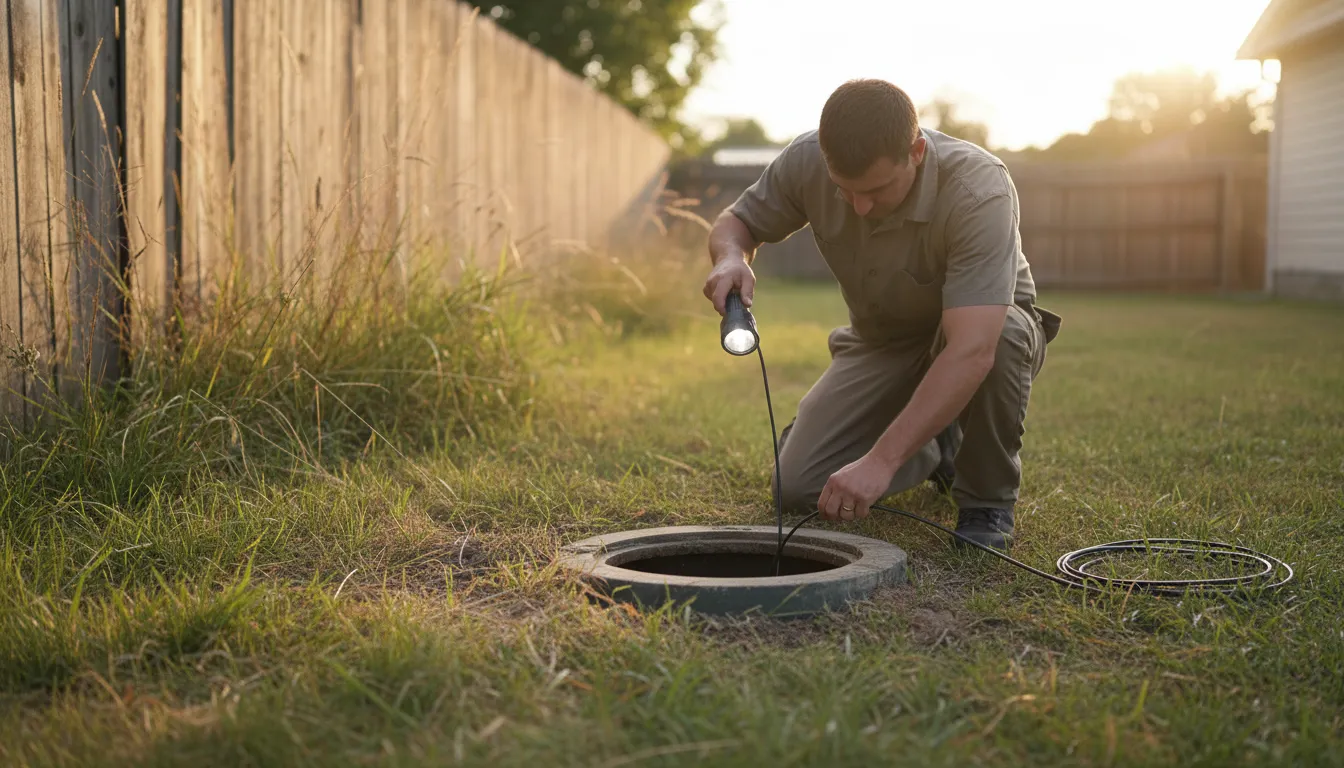
Find the Best Septic Tank Inspection Companies for Your Business
No obligation • Fast responses • Nationwide coverage

Why you can trust Septic Spot
Septic Spot is a leading United States resource for understanding and comparing septic services. Our editors review providers using consistent criteria and verify key business details. Listings and scores are independent, and companies cannot pay to influence our content.
Search providers near you
Top Septic Tank Inspection Companies in New Britain, Connecticut Ranked
A professional septic tank inspection is a critical evaluation of your home's on-site wastewater treatment system. This service matters because a failing septic system can pose serious health risks, cause environmental damage, and lead to costly property repairs. For New Britain homeowners, using a local list of qualified professionals helps you find licensed experts who understand Connecticut's specific regulations and can ensure your system is functioning safely and efficiently.
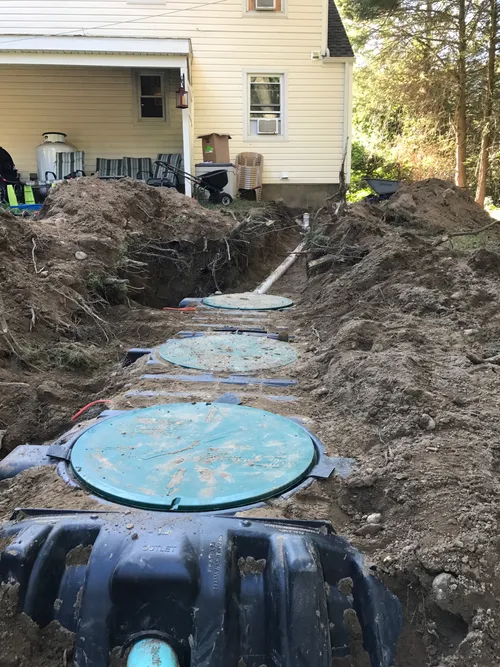
Septicology
47 Plantation Rd Unit D, Broad Brook, CT 06016
Septicology is a family-owned septic company serving Hartford, CT, and all towns across Connecticut. Since 2017, they have provided septic system inspections, repairs, installations, and pumping services throughout the state. Their inspection reports include detailed analyses, color photos, and system location drawings, offering clear insights into septic system conditions. Septicology emphasizes flexible scheduling to accommodate customer needs and maintains open communication throughout the service process.
Skips Wastewater Services
21 Courtney Dr, Ellington, CT 06029
Skips Wastewater Services provides septic tank pumping, inspection, repair, and installation services in Hartford, CT. They serve residential and commercial clients across multiple counties in Connecticut, including Hartford, Middlesex, New London, Tolland, Windham, and New Haven. The company operates with a large fleet of pump trucks and uses advanced technology to handle septic emergencies and routine maintenance efficiently. With over 60 years of experience, Skips Wastewater Services offers 24/7 emergency support to address issues like sewage backups and slow drains promptly.
The Christopher Bryant Co. LLC
126 W Dudley Town Rd, Bloomfield, CT 06002
The Christopher Bryant Co. LLC is a family-owned septic service provider based in Hartford, CT, serving Hartford County and surrounding communities since 1995. They offer a full range of septic system services including pumping, inspection, repair, and installation. The company is known for its hands-on ownership and expertise in septic riser installation, which facilitates easier maintenance and inspection. With over 30 years in business, they provide 24/7 emergency service and same-day service options to address urgent septic needs.
Team Sewer and Water
36 Zoar Ave, Oakville, CT 06779
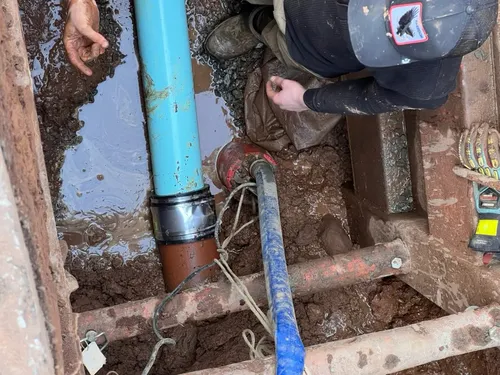
Team Sewer and Water is a septic tank pumping, inspection, repair, and installation company based in Waterbury, CT. They serve residential and commercial clients in Waterbury and surrounding areas, offering comprehensive water, sewer, and septic system services. With over 14 years of experience, their skilled technicians use the latest techniques and equipment to deliver durable results. They also handle sewer line repairs and water main replacements, ensuring compliance with local regulations.
Whitfield Sanitation Services
New Haven, CT
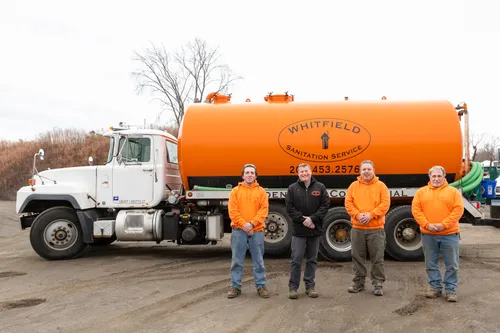
Whitfield Sanitation Services is a family-owned company based in New Haven, CT, specializing in septic tank pumping and inspection. Serving the Connecticut shoreline since 1972, they provide a range of septic care services to maintain and inspect septic systems.
Why Regular Septic System Evaluations Are Essential in New Britain
Your septic system is a significant, out-of-sight investment in your property's value and your family's health. In New Britain, these systems are regulated by the Connecticut Department of Public Health and local health officials to protect groundwater and public safety 1. Regular septic system assessments are not just a good idea-they are a cornerstone of responsible homeownership. They help you catch minor issues like a cracked baffle or a full tank before they escalate into a complete drain field failure, which can involve unpleasant backups and require a very expensive replacement. Proactive maintenance is always more affordable than emergency repairs.
Understanding Connecticut and New Britain Regulations
Compliance with state and local codes is non-negotiable for septic system work. All systems must adhere to the CT Public Health Code Section 19-13-B103 and any specific City of New Britain guidelines 2. A key reason to hire a local professional is their familiarity with these rules. For instance, regulations mandate a minimum 10-foot separation between the septic tank and your home's foundation, and systems must be located a safe distance (typically a 75-foot radius) from private drinking water wells. A proper septic tank check will verify that your system continues to meet these separation requirements. Furthermore, state law requires that homeowners hire a licensed septic pumper or installer to service the system, making it illegal and unsafe to attempt major servicing yourself.
Recommended Inspection and Pumping Frequency
How often should you schedule a septic system inspection? The general guideline for Connecticut is to have your system inspected every 1 to 3 years. Pumping frequency is typically recommended every 3 to 5 years, but this can vary based on household size and usage. The most reliable indicator for pumping is the sludge level inside the tank. During an inspection, a professional will measure this layer; if the sludge is within 12 inches of the outlet baffle, pumping is needed immediately, regardless of the timeline. Adhering to this schedule is the best way to prevent system overload and failure.
What a Comprehensive Septic Inspection Includes
A thorough professional septic tank evaluation is a multi-step process that goes far beyond just looking at the tank. Here's what you can expect a qualified inspector to do:
- Locating the System: The first step is often finding the exact location of the tank and drain field, especially if records are lost or risers are not installed.
- Uncovering Access Points: The inspector will dig down to expose the inspection ports and manhole covers on the tank.
- Sludge and Scum Level Check: Using specialized tools, they will measure the thickness of the scum layer (on top) and the sludge layer (on the bottom) to determine if pumping is required 3.
- Baffle and Tee Inspection: Both the inlet and outlet baffles (or tees) are checked to ensure they are intact. Damaged baffles can allow solids to escape into the drain field, causing clogs and failure.
- Structural Integrity Check: The tank is inspected for cracks, leaks, or signs of deterioration that could allow wastewater to escape or groundwater to enter.
- Effluent Filter Maintenance: If your tank is equipped with an effluent filter, the inspector will clean or replace it. This filter is crucial for preventing solids from leaving the tank 4.
- Drainfield Assessment: The inspector will observe the soil absorption area (drain field) for tell-tale signs of failure, such as soggy ground, foul odors, or unusually lush grass 5 6.
Find the perfect septic tank inspection companies for your needs
Get personalized recommendations and expert advice
The Cost of Septic Inspections in New Britain
Understanding the potential costs helps you budget for this essential maintenance. For a standard septic tank inspection without pumping, homeowners in New Britain can expect to pay approximately $200 to $400 7. If the inspection reveals that pumping is necessary, a combined inspection and pumping service typically ranges from $400 to $700 or more 7. Several factors can increase this cost:
- Access Difficulty: If the tank is buried deep, hard to locate, or lacks risers (which provide easy access), additional labor for excavation will add to the bill.
- Riser Installation: Installing new risers is a wise investment for future access but will increase the initial service cost.
- System Repairs: If the inspection uncovers damaged baffles, cracked tanks, or other issues, repair costs will be additional.
It's important to note that while Connecticut does not have a formal state certification for septic inspectors, homeowners should ensure the professional uses the CT Recommended Minimum Existing Septic System Inspection Report to guarantee a thorough evaluation.
Signs You Need an Inspection Sooner Than Scheduled
Don't wait for your scheduled septic system check if you notice any of these warning signs. Contact a professional immediately if you observe:
- Slow Drains: Sinks, showers, and toilets that drain slowly throughout the house, especially if plunging or drain cleaners don't help.
- Sewage Backups: Wastewater backing up into household drains.
- Bad Odors: Unpleasant sewage smells inside your home or around the yard near the tank or drain field.
- Wet, Soggy Yard: Spongy, soggy, or standing water over the drain field area, particularly when it hasn't rained.
- Unusually Lush Vegetation: Patches of grass over the drain field that are much greener and grow faster than the rest of the lawn.
- Gurgling Sounds: Strange gurgling noises coming from your plumbing system.
Choosing a Qualified Septic Inspection Professional
Since the state doesn't certify inspectors, it's up to you to vet providers carefully. Look for a licensed septic pumper or installer with a strong local reputation in New Britain 8. Ask if they follow the state's recommended inspection report checklist 9. Inquire about their experience, request references, and ensure they are fully insured. A reputable professional will be happy to explain their process and provide a detailed report of their findings, including sludge levels and the condition of all system components.
Frequently asked questions
Sources
Footnotes
-
Resources for Residents - City of New Britain - https://www.newbritainct.gov/services/water-department/stormwater-quality-management/resources-for-residents ↩
-
Environmental Engineering - Subsurface Sewage - CT.gov - https://portal.ct.gov/dph/environmental-health/environmental-engineering/environmental-engineering----subsurface-sewage ↩
-
Home Buyers Guide - CT.gov - https://portal.ct.gov/dph/environmental-health/environmental-engineering/home-buyers-guide ↩
-
Septic Homeowners - North Central Distict Health Department - https://www.ncdhd.org/septic-homeowners ↩
-
Septic Systems: Identifying Signs of Problems - CT.gov - https://portal.ct.gov/-/media/departments-and-agencies/dph/dph/drinking_water/pdf/2025-wsit-subsurface-presentation.pdf ↩
-
SEPTIC SYSTEMS - CT.gov - https://portal.ct.gov/-/media/Departments-and-Agencies/DPH/dph/environmental_health/environmental_engineering/pdf/SepticSystems101pdf.pdf ↩
-
Frequent Questions on Septic Systems | US EPA - https://www.epa.gov/septic/frequent-questions-septic-systems ↩ ↩2
-
Operation and Maintenance - CT.gov - https://portal.ct.gov/dph/environmental-health/environmental-engineering/operation-and-maintenance ↩
-
INSPECTIONS OF EXISTING SEPTIC SYSTEMS - CT.gov - https://portal.ct.gov/dph/-/media/departments-and-agencies/dph/dph/environmental_health/environmental_engineering/pdf/coverpdf.pdf?rev=d21fe317738d41b890e42faa325f72b3&hash=EC500A8393B7B671062B9289EE04B65D ↩