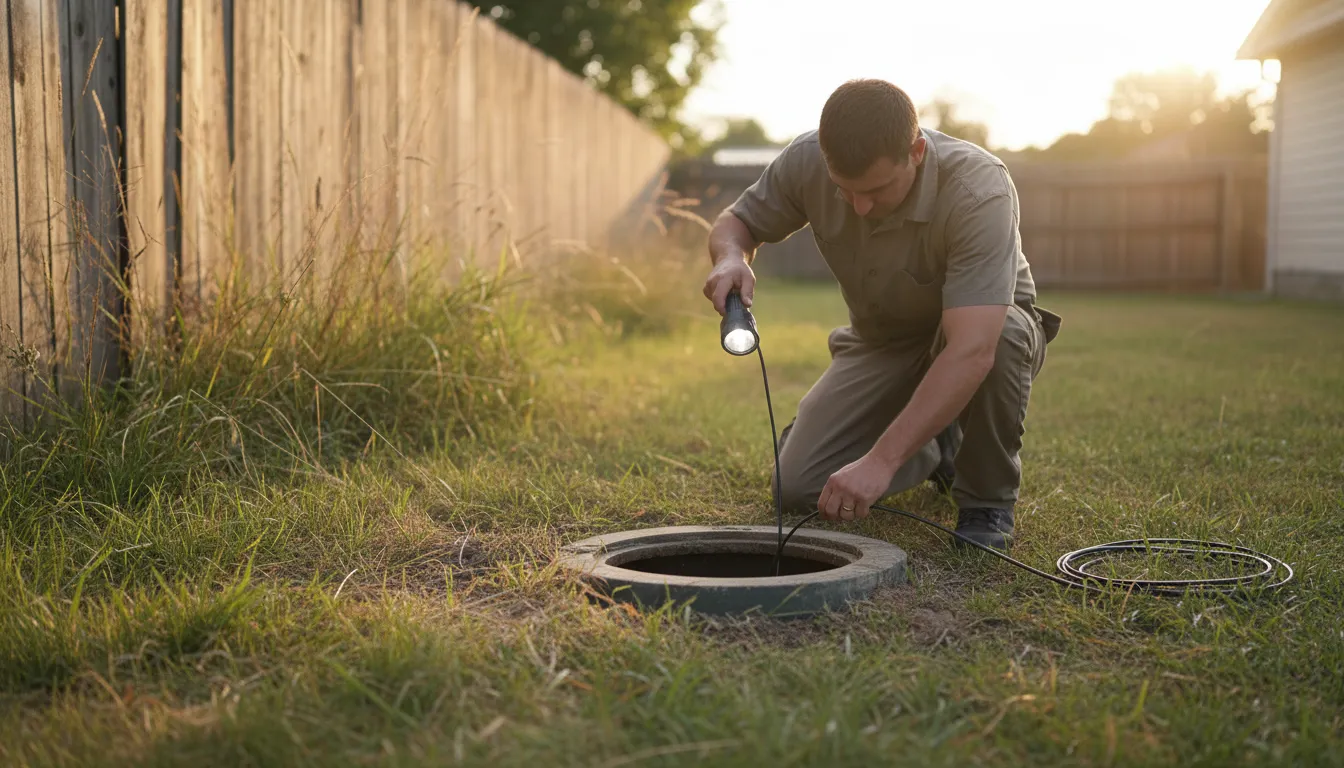
Find the Best Septic Tank Inspection Companies for Your Business
No obligation • Fast responses • Nationwide coverage

Why you can trust Septic Spot
Septic Spot is a leading United States resource for understanding and comparing septic services. Our editors review providers using consistent criteria and verify key business details. Listings and scores are independent, and companies cannot pay to influence our content.
Search providers near you
Top Septic Tank Inspection Companies in Southington, Connecticut Ranked
A professional septic tank inspection is a critical evaluation of your on-site wastewater system's health and functionality. In Southington, these assessments are vital for protecting your property value, ensuring public health, and complying with state and local regulations. This guide explains the inspection process, local requirements, and how to find qualified professionals to evaluate your septic system, helping you maintain a safe and effective wastewater treatment solution for your home.
Septicology
47 Plantation Rd Unit D, Broad Brook, CT 06016
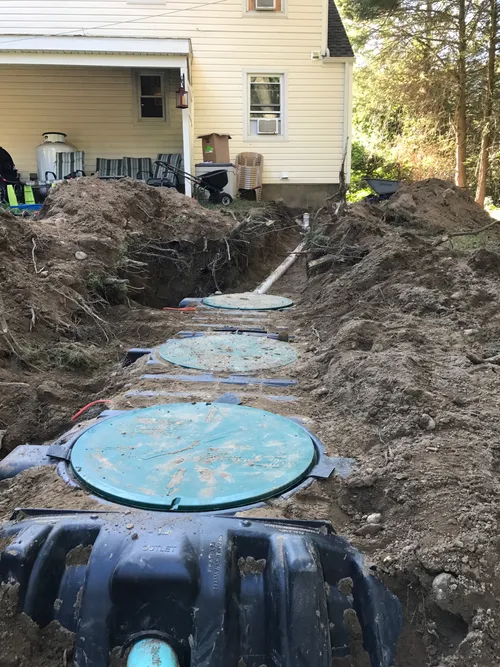
Septicology is a family-owned septic company serving Hartford, CT, and all towns across Connecticut. Since 2017, they have provided septic system inspections, repairs, installations, and pumping services throughout the state. Their inspection reports include detailed analyses, color photos, and system location drawings, offering clear insights into septic system conditions. Septicology emphasizes flexible scheduling to accommodate customer needs and maintains open communication throughout the service process.
Skips Wastewater Services
21 Courtney Dr, Ellington, CT 06029
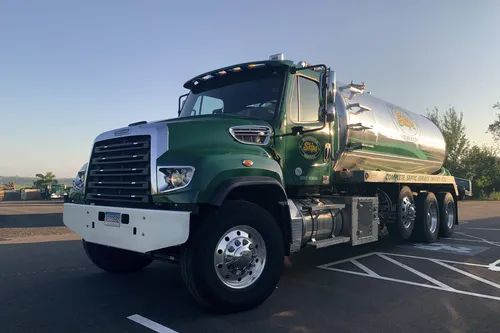
Skips Wastewater Services provides septic tank pumping, inspection, repair, and installation services in Hartford, CT. They serve residential and commercial clients across multiple counties in Connecticut, including Hartford, Middlesex, New London, Tolland, Windham, and New Haven. The company operates with a large fleet of pump trucks and uses advanced technology to handle septic emergencies and routine maintenance efficiently. With over 60 years of experience, Skips Wastewater Services offers 24/7 emergency support to address issues like sewage backups and slow drains promptly.
The Christopher Bryant Co. LLC
126 W Dudley Town Rd, Bloomfield, CT 06002
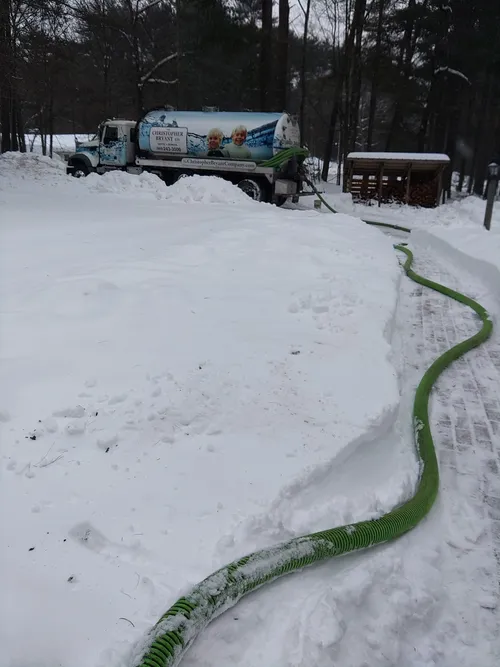
The Christopher Bryant Co. LLC is a family-owned septic service provider based in Hartford, CT, serving Hartford County and surrounding communities since 1995. They offer a full range of septic system services including pumping, inspection, repair, and installation. The company is known for its hands-on ownership and expertise in septic riser installation, which facilitates easier maintenance and inspection. With over 30 years in business, they provide 24/7 emergency service and same-day service options to address urgent septic needs.
Team Sewer and Water
36 Zoar Ave, Oakville, CT 06779
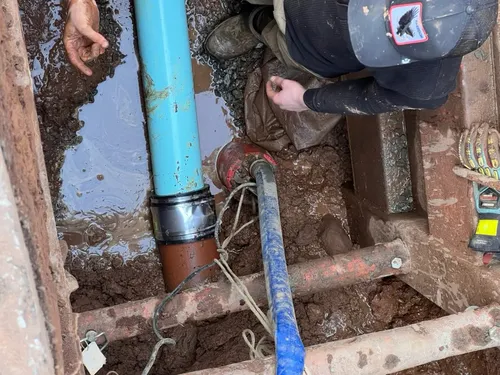
Team Sewer and Water is a septic tank pumping, inspection, repair, and installation company based in Waterbury, CT. They serve residential and commercial clients in Waterbury and surrounding areas, offering comprehensive water, sewer, and septic system services. With over 14 years of experience, their skilled technicians use the latest techniques and equipment to deliver durable results. They also handle sewer line repairs and water main replacements, ensuring compliance with local regulations.
Unlimited Excavation and Construction Orange
604 Wingfoot Rd, Orange, CT 06477
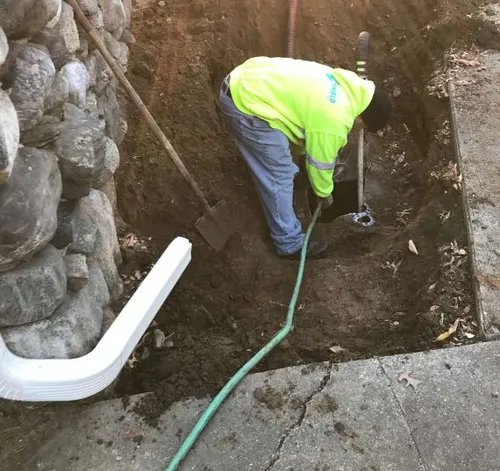
Unlimited Excavation and Construction Orange is a family-owned company based in Bridgeport, CT, specializing in septic tank inspection, repair, and installation. They provide comprehensive sewer and septic services including line inspection, excavation, clog removal, and drain cleaning. The company uses camera inspections to diagnose issues and offers sewer line excavation when necessary to address blockages or damage. With over 30 years of experience in the industry, Unlimited Excavation and Construction serves residential and commercial clients in the Bridgeport area, focusing on safe and efficient sewer and septic system solutions.
Why Septic System Inspections Are Essential in Southington
For homes not connected to municipal sewer lines, the septic system is a private wastewater treatment plant. A thorough septic evaluation is the best way to catch minor issues before they become costly failures or environmental hazards. In Connecticut, systems are regulated by the state Public Health Code, with local oversight often managed by the Northeast District Department of Health (NDDH) 1. Regular inspections help ensure your system complies with these codes, protects groundwater from contamination, and functions reliably for years to come.
Understanding Connecticut and Southington Inspection Regulations
Septic system oversight in Southington follows the Connecticut Public Health Code, specifically Section 19-13-B103. The local sanitarian, often through the NDDH, is your primary contact for regulatory questions, permits, and required inspections 2.
When is an Inspection Required? State and local rules mandate a system inspection under specific circumstances:
- Property Transfer: While not always legally required for a sale, most lenders and cautious buyers will insist on a recent inspection report.
- System Failure: Evidence of failure, such as surfacing sewage or soggy ground in the leach field, triggers a mandatory inspection.
- Increased Flow: If a property renovation (like adding a bedroom) increases the designed wastewater flow by more than 50%, an inspection and potential system upgrade are required 3 4.
- Change in Use: Converting a property's use (e.g., from residential to commercial) typically necessitates a system review.
For the most accurate process, property owners should consult directly with the Northeast District Department of Health regarding permits, which require submitted plot plans, soil tests, and design plans for any new or replacement system 5.
The Professional Septic Inspection Process: A Step-by-Step Look
A comprehensive septic tank assessment follows a standardized procedure, ideally using the Connecticut Recommended Minimum Existing Septic System Inspection Report 6. Here's what a qualified inspector will do:
- Locate and Access the System: The inspector will find the tank, distribution box, and leaching fields. They will then dig to expose the tank lids for access.
- Pump the Tank: This is a non-negotiable part of a proper inspection. The tank must be emptied to allow visual inspection of the interior walls, inlet and outlet pipes, and to check for cracks or groundwater infiltration 7.
- Inspect Tank Components: The inspector checks the structural integrity of the tank and, crucially, the presence and condition of the inlet and outlet baffles. These prevent scum and sludge from clogging the pipes leading to the drain field 8.
- Evaluate Scum and Sludge Levels: Using a "stick test," the inspector measures the scum layer (which should not be thicker than 2 inches) and the sludge layer (which should not be within 12 inches of the outlet baffle). These measurements determine if pumping is needed.
- Inspect the Leach Field: The inspector examines the soil absorption area for signs of failure, such as saturated or soggy soil, surfacing effluent, or foul odors 9. They may also check for proper vegetative cover and any unauthorized driving or construction over the field.
Find the perfect septic tank inspection companies for your needs
Get personalized recommendations and expert advice
What Inspectors Look For: Signs of Trouble
A professional is trained to identify both obvious and subtle red flags. Key signs of septic system problems include:
- Sewage Backups in household drains.
- Slow Draining sinks, tubs, or toilets.
- Lush, Green Grass or soggy ground over the leach field, especially during dry weather.
- Foul Odors around the tank or drain field area.
- Gurgling Sounds in your plumbing.
- Standing Water or surfacing sewage in your yard.
If an inspection reveals any of these issues, it indicates the system is failing and requires immediate attention, likely involving repairs or a new design plan submitted to the local health department 10 11.
Septic Inspection and Pumping Costs in Southington
The cost of a septic inspection is often bundled with the required pumping service. In the Southington area, typical pricing falls within these ranges:
- Pumping Cost: Generally between $300 and $600, depending on tank size (e.g., 1,000 vs. 1,500 gallons) and accessibility.
- Full Inspection Cost: A complete inspection, including the mandatory pump-out, can range from $300 to over $1,000. The higher end accounts for complex systems, the need for camera scopes to inspect lines, or a more detailed evaluation for a real estate transaction 12 13.
While this is an investment, it is minor compared to the cost of repairing or replacing a failed leaching field, which can run into the tens of thousands of dollars.
Recommended Maintenance Schedule
Following a regular maintenance schedule is the most cost-effective way to manage your septic system. The U.S. Environmental Protection Agency (EPA) provides clear guidelines 14:
- Inspection: Have your system inspected by a professional every 1 to 3 years.
- Pumping: Have the tank pumped every 3 to 5 years, on average. However, the required frequency depends heavily on tank size and household usage. For example, a 1,000-gallon tank serving a family of four may need pumping every 2.5 years, while a 1,500-gallon tank might go 4 years 15.
Your inspector can give you a personalized recommendation after measuring your tank's sludge and scum accumulation.
Key System Requirements and Best Practices
Adhering to Connecticut's technical standards helps ensure system longevity:
- Setbacks: The septic tank must be at least 10 feet from your home's foundation 16.
- Capacity: The system must be sized appropriately for the home's bedroom count and estimated daily wastewater flow.
- Water Conservation: Using water efficiently (fixing leaks, installing efficient fixtures) reduces strain on your system.
- Mind What You Flush: Only human waste and toilet paper should go down the drain. Avoid chemicals, grease, wipes, and other non-biodegradables.
- Protect the Drain Field: Never park cars or build structures over the leach field. Keep roof drains and sump pumps directed away from it.
Frequently asked questions
Sources
Footnotes
-
Connecticut Public Health Code On-site Sewage Disposal ... - https://portal.ct.gov/-/media/Departments-and-Agencies/DPH/dph/environmental_health/environmental_engineering/2018-Uploads/Technical-Standards-2018-Master-011918.pdf ↩
-
Wells & Septic - Northeast District Department of Health - https://nddh.org/services/environment-building/wells-septic/ ↩
-
Wells & Septic - Northeast District Department of Health - https://nddh.org/services/environment-building/wells-septic/ ↩
-
Environmental Engineering - Subsurface Sewage - CT.gov - https://portal.ct.gov/dph/environmental-health/environmental-engineering/environmental-engineering----subsurface-sewage ↩
-
STATE SEPTIC CODE EXAMPLES: - https://watershedcouncil.org/uploads/7/2/5/1/7251350/appendix_a_-_state_septic_code_examples.pdf ↩
-
INSPECTIONS OF EXISTING SEPTIC SYSTEMS - CT.gov - https://portal.ct.gov/dph/-/media/departments-and-agencies/dph/dph/environmental_health/environmental_engineering/pdf/coverpdf.pdf?rev=d21fe317738d41b890e42faa325f72b3&hash=EC500A8393B7B671062B9289EE04B65D ↩
-
Understanding Septic Tank Inspections: What to Expect and Why They're Necessary - https://alvaradosepticpumping.com/2024/02/understanding-septic-tank-inspections-what-to-expect-and-why-theyre-necessary/ ↩
-
Inspecting Your Septic Tank - https://s3.us-west-2.amazonaws.com/thurstoncountywa.gov.if-us-west-2/s3fs-public/2023-05/PHSS_EH_SEPTIC_1.10_StickTestBro_ENG.pdf ↩
-
Guidance for the Inspection of On-site Sewage Disposal Systems - https://www.mass.gov/guides/guidance-for-the-inspection-of-on-site-sewage-disposal-systems ↩
-
Home Buyers Guide - CT.gov - https://portal.ct.gov/dph/environmental-health/environmental-engineering/home-buyers-guide ↩
-
Septic Systems: Identifying Signs of Problems - CT.gov - https://portal.ct.gov/-/media/departments-and-agencies/dph/dph/drinking_water/pdf/2025-wsit-subsurface-presentation.pdf ↩
-
Septic Tank Pumping Cost: Guide & Pricing in 2025 - Splash Plumbing - https://www.splashplumbing.com/how-much-does-it-cost-to-pump-septic-tank-understanding-pricing-and-factors-involved/ ↩
-
Understanding the Average Cost to Pump a Septic Tank - https://www.scorpionsepticservices.com/blog/understanding-the-average-cost-to-pump-a-septic-tank ↩
-
Frequent Questions on Septic Systems | US EPA - https://www.epa.gov/septic/frequent-questions-septic-systems ↩
-
How Often Should You Pump Your Septic Tank: 3 Factors Solved - https://www.frasiers.com/blog/sewage-tank-pump-frequency/ ↩
-
Operation and Maintenance - CT.gov - https://portal.ct.gov/dph/environmental-health/environmental-engineering/operation-and-maintenance ↩