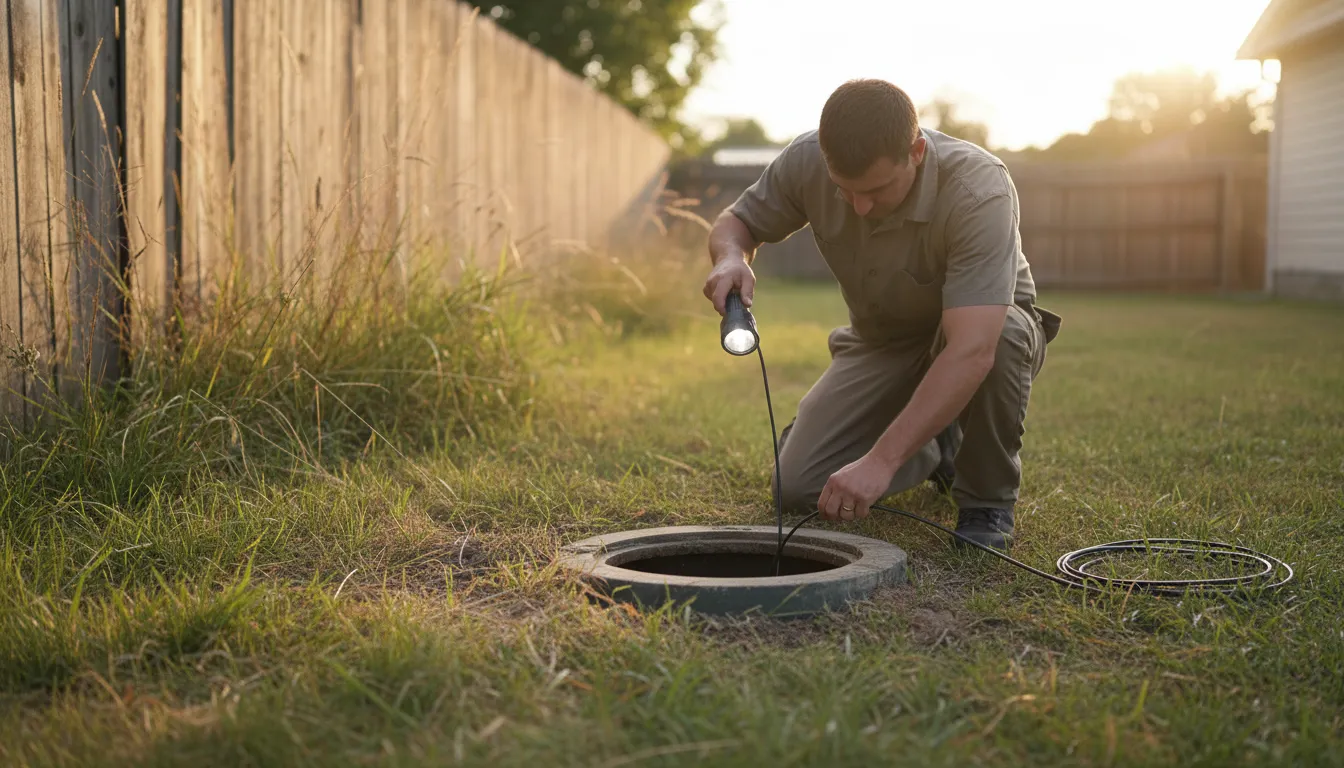
Find the Best Septic Tank Inspection Companies for Your Business
No obligation • Fast responses • Nationwide coverage

Why you can trust Septic Spot
Septic Spot is a leading United States resource for understanding and comparing septic services. Our editors review providers using consistent criteria and verify key business details. Listings and scores are independent, and companies cannot pay to influence our content.
Search providers near you
Top Septic Tank Inspection Companies in West Haven, Connecticut Ranked
A septic system inspection is a critical evaluation of your home's private wastewater treatment system, ensuring it is functioning safely and efficiently. This process matters because a failing system can pose serious health risks, cause environmental contamination, and lead to costly property damage. For West Haven homeowners, understanding local regulations and finding qualified professionals is essential for protecting your investment and community. This guide will help you understand what a septic evaluation entails, why it's necessary, and how to connect with licensed local experts who can perform this vital service.
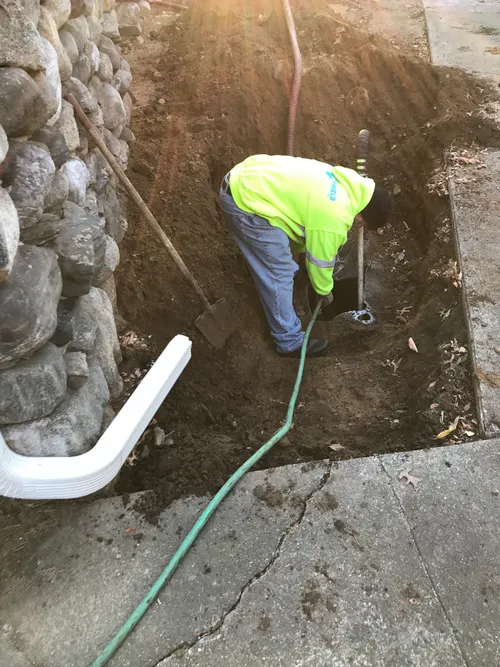
Unlimited Excavation and Construction
688 N Washington Ave, Bridgeport, CT 06604
Unlimited Excavation and Construction is a family-owned company based in Bridgeport, CT, providing comprehensive septic and sewer services for residential and commercial clients. With over 30 years of experience, they offer septic tank installation, inspection, repair, and sewer line maintenance, along with additional services like drain cleaning and asphalt paving. Their team uses state-of-the-art technology to inspect septic systems and sewer lines, helping to identify potential issues early and perform necessary repairs efficiently. They also provide 24/7 emergency services to address urgent sewer and septic problems promptly.
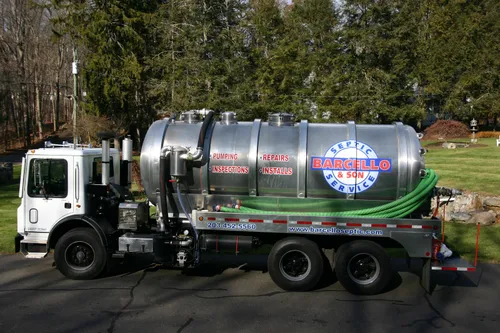
Barcello & Son Septic Service LLC
334 Wilson Rd, Easton, CT 06612
Barcello & Son Septic Service LLC is a family-owned business based in Easton, CT, serving the Bridgeport area with septic tank pumping, inspection, repair, design, and installation services. With over 20 years of experience in Fairfield County, they handle all sizes and types of septic systems using a proprietary 12-step pumping process and the latest equipment. Their expertise covers comprehensive septic system solutions, including real estate appraisal support and system design. The company emphasizes transparent pricing and guarantees their work. Barcello & Son Septic Service LLC is known for clear communication about service timing and procedures, aiming to provide a straightforward and reliable customer experience.
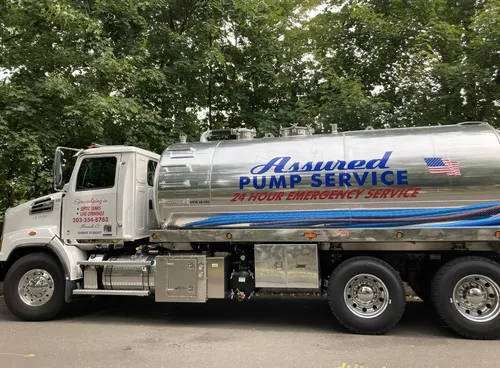
Assured Pump Services
Stamford, CT
Assured Pump Services is a septic tank pumping, inspection, and repair company based in Stamford, CT. Serving Fairfield County, they offer a full range of septic system services including pumping, drain clearing, and repairs. With over 25 years of experience, the company provides 24/7 emergency response to address urgent septic issues promptly. Their licensed technicians use state-of-the-art equipment to ensure thorough and reliable service.
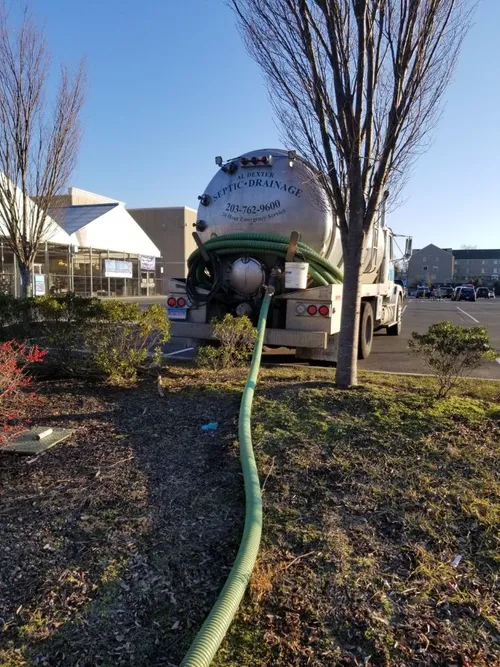
Al Dexter Septic & Drainage
New York, NY
Al Dexter Septic & Drainage is a septic service provider located in New York, NY. They offer a range of services including septic tank cleaning, installation, inspection, and repair. Their capabilities include jetting and snaking lines, camera inspections, odor testing, and pump repair or replacement. The company also handles grease trap cleaning and dry well pumping, providing comprehensive septic system maintenance and repair solutions.
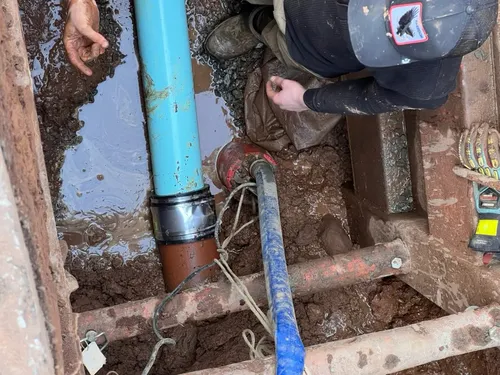
Team Sewer and Water
36 Zoar Ave, Oakville, CT 06779
Team Sewer and Water is a septic tank pumping, inspection, repair, and installation company based in Waterbury, CT. They serve residential and commercial clients in Waterbury and surrounding areas, offering comprehensive water, sewer, and septic system services. With over 14 years of experience, their skilled technicians use the latest techniques and equipment to deliver durable results. They also handle sewer line repairs and water main replacements, ensuring compliance with local regulations.
Understanding Septic System Inspections in Connecticut
In Connecticut, and specifically in West Haven, septic systems-also known as subsurface sewage disposal systems-are regulated by the Connecticut Public Health Code, Section 19-13-B103, and its accompanying Technical Standards 1. The Local Director of Health oversees systems with a design flow of 7,500 gallons per day or less 1. This regulatory framework means homeowners are legally required to maintain their systems, and for any service, including a septic tank check or system assessment, they must hire a licensed septic pumper or installer. This ensures that waste is handled and disposed of properly, protecting public health and groundwater.
While the state code mandates maintenance, the U.S. Environmental Protection Agency (EPA) provides recommended frequencies: a professional septic inspection every 1 to 3 years and pumping every 3 to 5 years. Adhering to this schedule is the best way to catch minor issues before they become major, expensive failures.
Why Regular Septic Evaluations Are Non-Negotiable
Skipping regular septic system diagnostics can have severe consequences. A malfunctioning system can contaminate nearby wells, streams, and Long Island Sound with harmful bacteria and nutrients. On your property, signs of failure include sewage backups into your home, soggy ground or standing water over the drainfield, and foul odors. Beyond the health and environmental hazards, you could face significant fines from the West Haven Health Department for non-compliance with state regulations.
Furthermore, a well-documented history of professional inspections and maintenance is invaluable during a real estate transaction. While Connecticut state law does not mandate a septic inspection for property transfers, a "Connecticut Recommended Minimum Existing Septic System Inspection Report" is a standard tool used by professionals to evaluate system health for buyers and sellers. A clean inspection report can facilitate a smooth sale, while an undisclosed problem can derail it.
What a Professional Inspection Involves
A comprehensive septic tank inspection or system evaluation is a multi-step process conducted by a licensed professional. It's far more than just looking at the tank. Here's what you can expect during a thorough assessment:
- System Location: The inspector will first locate all components, including the tank, distribution box, and leaching fields (also called drainfields or soil absorption systems). This may involve consulting old property records or using probing tools.
- Tank Pumping & Interior Inspection: To properly inspect the tank, it usually must be pumped out. This allows the inspector to examine the tank's structural integrity, check for cracks, and assess critical components like inlet and outlet baffles or tees, which are essential for preventing solids from entering the drainfield.
- Liquid Level and Hydraulic Function Test: The inspector will check the liquid level in the tank and may run water to test how the system accepts and drains effluent. This helps identify blockages or backflow from a saturated drainfield 2.
- Drainfield Assessment: This is a crucial part of the inspection. The professional will examine the area over the leaching fields for visual signs of failure, such as unusually lush grass, standing wastewater, or soggy soil 3. They assess whether the soil is effectively absorbing and treating the liquid effluent.
Find the perfect septic tank inspection companies for your needs
Get personalized recommendations and expert advice
Cost of Septic Inspections in West Haven
The price for a septic system inspection in West Haven varies based on the scope of service. It's important to get clear quotes from licensed providers on what is included.
- Inspection-Only Service: If you recently had your tank pumped and need a standalone evaluation, costs typically range from $300 to $600, depending on the inspector's depth of analysis and reporting.
- Pumping-Only Service: The cost to simply pump out your septic tank usually falls between $300 and $500, varying with tank size and accessibility 4 5.
- Comprehensive Inspection & Pumping: Most commonly, a full service that includes pumping the tank to enable a proper interior inspection ranges from $500 to $900 or more 6 7. The final price can be higher if the tank lids need to be excavated or if the system is particularly difficult to access.
Remember, while cost is a factor, the most critical consideration is hiring a professional licensed by the state of Connecticut. This ensures the inspection meets all West Haven and Connecticut Health Department requirements and that any waste is legally disposed of 8.
The Inspection Process for Home Buyers and Sellers
If you're involved in a real estate transaction in West Haven, a septic system inspection is a highly recommended form of due diligence. The standardized "Connecticut Recommended Minimum Existing Septic System Inspection Report" guides the process, covering visual observations, operational tests, and a determination of the system's overall condition 9.
As a seller, having a recent, favorable inspection report can make your property more attractive and streamline negotiations. As a buyer, never waive your right to a septic inspection. It reveals the condition of a critical, expensive-to-replace system. The inspection can identify issues like a failing drainfield, which could cost tens of thousands of dollars to remediate. This knowledge allows you to make an informed purchase decision or negotiate repairs with the seller.
Maintaining Your System Between Inspections
Professional inspections are essential, but homeowner diligence extends the life of your system. Be mindful of what goes down your drains. Avoid flushing anything besides human waste and toilet paper. Never pour cooking grease, chemicals, or medications down the drain, as they can kill the beneficial bacteria in your tank and contaminate groundwater 10 11. Conserve water to avoid hydraulically overloading the system-spread out laundry loads and fix leaky faucets promptly. Also, never drive or park vehicles over your drainfield, as the compaction can crush pipes and ruin the soil's absorption ability 10 12.
By combining responsible daily habits with scheduled professional septic tank inspections and pumping, you ensure your West Haven home's wastewater system operates safely, efficiently, and in full compliance with state and local health regulations for years to come.
Frequently asked questions
Sources
Footnotes
-
Environmental Engineering - Subsurface Sewage - CT.gov - https://portal.ct.gov/dph/environmental-health/environmental-engineering/environmental-engineering----subsurface-sewage ↩ ↩2
-
Septic System Inspections - InterNACHI - https://www.nachi.org/inspecting-septic-systems.htm ↩
-
Home Buyers Guide - CT.gov - https://portal.ct.gov/dph/environmental-health/environmental-engineering/home-buyers-guide ↩
-
How Much Does a Septic Inspection Cost? [2026 Data] | Angi - https://www.angi.com/articles/septic-inspection-cost.htm ↩
-
Septic Tanks for Beginners: Essential Insights and Best Practices - https://rogerwakefield.com/septic-tanks-for-beginners-essential-insights-and-best-practices/ ↩
-
Septic Inspections in Connecticut - https://skipswastewater.com/inspections/ ↩
-
Stay Compliant: Avoid Fines with Septic System Regulations - https://smartsepticpros.com/blog/septic-system-regulations/ ↩
-
Operation and Maintenance - CT.gov - https://portal.ct.gov/dph/environmental-health/environmental-engineering/operation-and-maintenance ↩
-
INSPECTIONS OF EXISTING SEPTIC SYSTEMS - CT.gov - https://portal.ct.gov/dph/-/media/departments-and-agencies/dph/dph/environmental_health/environmental_engineering/pdf/coverpdf.pdf?rev=d21fe317738d41b890e42faa325f72b3&hash=EC500A8393B7B671062B9289EE04B65D ↩
-
Frequent Questions on Septic Systems | US EPA - https://www.epa.gov/septic/frequent-questions-septic-systems ↩ ↩2
-
Septic System 101 - Homeowners Manual - https://www.mohave.gov/departments/development-services/environmental-qualitywaste-disposal/documents/septic-system-101-homeowners-manual/ ↩
-
Essential Guide to Septic Tank Inspections - https://www.mybuilder.com/groundwork-foundations/articles/septic-tank-inspections ↩