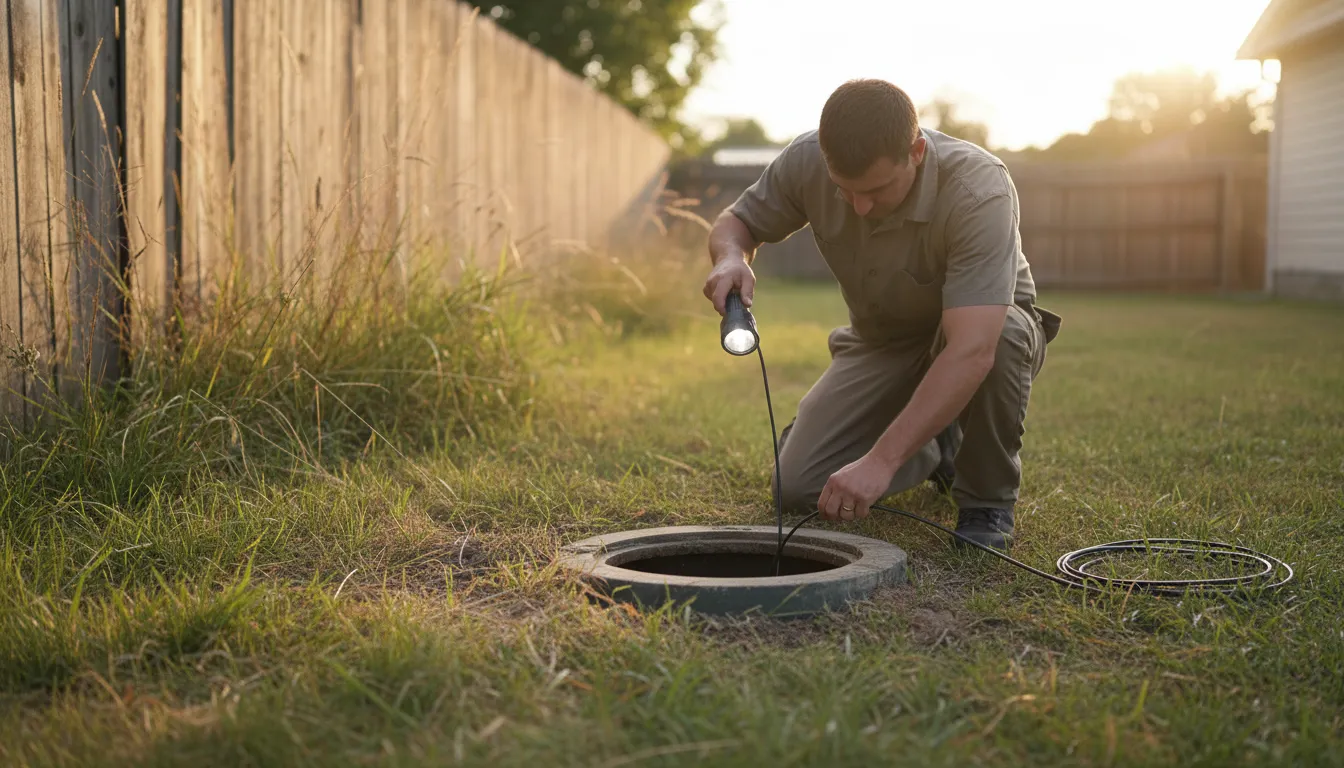
Find the Best Septic Tank Inspection Companies for Your Business
No obligation • Fast responses • Nationwide coverage

Why you can trust Septic Spot
Septic Spot is a leading United States resource for understanding and comparing septic services. Our editors review providers using consistent criteria and verify key business details. Listings and scores are independent, and companies cannot pay to influence our content.
Search providers near you
Top Septic Tank Inspection Companies in Aurora, Illinois Ranked
A septic tank inspection is a professional assessment of your onsite wastewater treatment system's condition and functionality. In Illinois, these evaluations are not just a good idea-they are often required by state and local law to protect public health and the environment. This guide explains the regulations, processes, and costs for septic system inspections in Illinois, helping you understand your responsibilities as a homeowner and how to find qualified local professionals to perform this critical service.

Suburban Plumbing Sewer Line and Drain Cleaning Experts
9100 Plainfield Rd Suite #9A, Brookfield, IL 60513
Suburban Plumbing Sewer Line and Drain Cleaning Experts is a full-service plumbing company serving Chicago, IL, and the greater Chicagoland area. They provide a wide range of services including septic tank pumping, inspections, repairs, and new system installations, as well as sewer line repairs, drain cleaning, water heater services, and flood control solutions. With over 30 years of experience, their licensed and insured technicians use advanced equipment like hydro jetting and sewer camera inspections to deliver effective plumbing solutions. The company offers 24/7 emergency plumbing services to address urgent issues promptly.
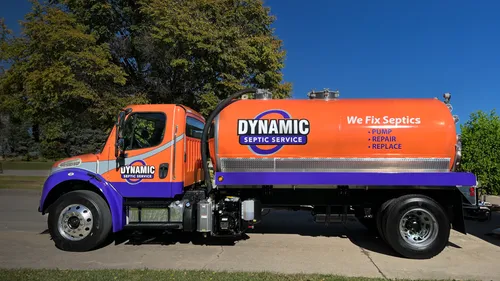
Dynamic Septic Service
18600 Rte 59, Shorewood, IL 60404
Dynamic Septic Service is a locally owned company based in Shorewood, Illinois, providing septic pumping, inspection, repair, and installation services in Chicago, IL, and surrounding counties including Will, DuPage, Cook, Kendall, Grundy, and Kankakee. With over 30 years of hands-on experience, they specialize in diagnosing septic system issues and offering clear options for repair or replacement. Their expertise includes routine pumping and complex system repairs, ensuring long-term functionality of septic systems.
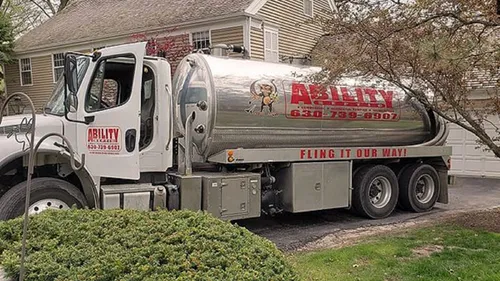
Ability Septic
801 N Raddant Rd, Batavia, IL 60510
Ability Septic is a family-owned septic service provider based near Aurora, IL, serving Batavia and surrounding areas. With over 65 years of experience since 1956, they offer a full range of septic services including pumping, inspection, installation, repair, and drain field maintenance. Their team uses advanced Lenzyme bio-products for eco-friendly septic system solutions and provides 24/7 emergency services to address urgent needs promptly.
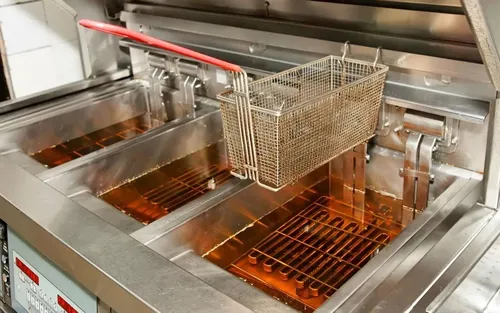
A&P Grease Trappers, Inc
801 N Raddant Rd, Batavia, IL 60510
A&P Grease Trappers, Inc is a family-owned business serving Aurora, IL, and the surrounding Chicagoland area since 2006. They specialize in grease trap cleaning, septic tank pumping, sewer cleaning, and plumbing services tailored for restaurants, commercial kitchens, and municipalities. Their licensed professionals provide customized maintenance plans and emergency services, including 24-hour response to urgent issues. The company also offers eco-friendly fryer oil recycling and buy-back programs, along with detailed documentation for health compliance. Their capabilities include advanced grease trap cleaning and RPZ testing to ensure system safety and regulatory adherence.
Northern Illinois Septic Service
46w350 Lenschow Rd, Hampshire, IL 60140
Northern Illinois Septic Service is a family-owned company based near Rockford, IL, specializing in septic tank inspection, repair, and pump replacement. They serve the Rockford area and are certified to monitor wastewater systems in compliance with local health departments. The company handles a range of systems including aerobic and septic treatment plants, mechanical systems, aerators, and lift stations, with expertise in brands like Clearstream, Multi-Flo, and Sybr-Aer. Established in 2008, Northern Illinois Septic Service brings over 22 years of experience to their work.
Understanding Illinois Septic System Regulations
In Illinois, septic systems are primarily regulated by the Illinois Department of Public Health (IDPH) under the Private Sewage Disposal Licensing Act and Code. The fundamental rule is that a sewage permit is mandatory from your local health authority before constructing, altering, or repairing any part of a septic system 1. This permit typically expires one year after issuance 2.
The IDPH regulates systems that do not discharge to the surface and some that discharge limited amounts (up to 1,500 gallons per day). Crucially, all installations and major repairs must be completed by an IDPH-licensed contractor. This licensing ensures the professional has the training to comply with state code, which covers everything from tank construction to soil absorption field design.
Mandatory Inspection Schedules
Illinois law establishes clear timelines for how often your septic system must be professionally evaluated. These are not mere suggestions but legal requirements for system maintenance.
- Standard Systems (Septic Tank & Soil Absorption Field): For most conventional residential systems, the first inspection must occur within three years of installation. After that, a full evaluation is required at least once every five years.
- Aerobic Treatment Units (ATUs): These more complex systems, which use oxygen to break down waste, require much more frequent attention. Evaluation and maintenance are required at least once every six months 3.
- Pumping Frequency: While inspectors will check sludge and scum levels during an evaluation, pumping is a separate, necessary maintenance task. It is generally required every 2 to 3 years, though the exact frequency depends on household size and tank capacity 4. Regular pumping prevents solids from clogging the drain field, which is the most common cause of system failure.
What Inspectors Look For: Key System Components
A thorough septic inspection in Illinois goes beyond just checking the tank. A qualified inspector will examine the entire system for compliance and proper function.
Tank Integrity & Specifications: The septic tank itself must be watertight and structurally sound. State code specifies that it must be capable of supporting a top dead load of at least 500 pounds per square foot. Inspectors check for cracks, leaks, and signs of corrosion or deterioration.
Internal Baffles and Access: Proper baffles are critical for system function. Inlet baffles are required and must extend at least 6 inches below the liquid level to prevent the inflow from disturbing the settled sludge 5. The inspector will also verify the presence of adequate access ports-a minimum of 12 inches in diameter-over both the inlet and outlet for servicing and inspection 5.
Drain Field Assessment: The inspector will examine the soil absorption field (drain field) for signs of failure. This includes looking for surfacing sewage, soggy ground, or unusually lush vegetation over the field area, which can indicate a clogged or overflowing system.
Overall System Function: The inspection will assess whether the system is receiving waste properly, separating solids, and allowing clarified effluent to flow to the drain field. For systems with pumps or ATUs, mechanical components are tested.
Find the perfect septic tank inspection companies for your needs
Get personalized recommendations and expert advice
Cost of Septic Inspections in Illinois
The price of a septic inspection in Illinois varies based on the system's size, type, and the inspection's comprehensiveness.
- Routine Compliance Inspection: For a standard 5-year check to meet state requirements, homeowners can expect to pay between $200 and $900.
- Average Cost: The typical price for a standard inspection in Illinois is around $550.
- Detailed or Real Estate Inspection: When buying or selling a home, a more detailed inspection-often including a flow test and comprehensive report for disclosure-can cost up to $1,300 for large or complex systems 6.
- Maintenance Agreements: For systems like ATUs that require semi-annual service, an annual maintenance contract may cost approximately $200 per year7.
It's important to obtain quotes from several IDPH-licensed contractors, as prices can vary by region and company.
The Critical Role of Local County Health Departments
While the IDPH sets the statewide code, administration and enforcement are handled by local county health departments. This is a crucial point for Illinois homeowners. Many counties have adopted ordinances that are stricter than the state's minimum guidelines8.
For example, a county may require inspections more frequently than every five years or have specific rules about system upgrades near water bodies. Therefore, contacting your local county health department is an essential first step before planning any system installation, repair, or scheduling a routine inspection 9. They can provide your property's specific requirements, permit applications, and a list of licensed contractors in your area.
Maintaining Your Records
Illinois property owners are responsible for maintaining their septic systems. A key part of this responsibility is keeping detailed records10. You should retain copies of:
- The original system permit and design.
- All inspection reports.
- Receipts for pumping and any repairs.
- Any correspondence with your local health department.
These records are invaluable for troubleshooting problems, proving compliance if questioned, and are essential documentation during a real estate transaction.
Consequences of Non-Compliance
Failing to maintain your septic system according to Illinois law can have serious repercussions. Malfunctioning systems can contaminate groundwater, nearby wells, and surface water, posing significant public health risks. From a regulatory standpoint, non-compliance can result in:
- Notices of violation from your local health department.
- Mandatory repairs or replacement under a strict deadline.
- Significant fines.
- In a real estate sale, a failed inspection can delay or cancel the transaction until costly repairs are made.
Regular, professional inspections are the most effective way to ensure your system operates safely, remains compliant, and avoids expensive emergency repairs.
Frequently asked questions
Sources
Footnotes
-
§ 51.05 SEWAGE TREATMENT OR DISPOSAL SYSTEMS. - https://codelibrary.amlegal.com/codes/willcounty/latest/willcounty_il/0-0-0-31672 ↩
-
Sewage Disposal | Tazewell County, IL - https://tazewellhealth.org/225/Sewage-Disposal ↩
-
State Law Requires Maintenance of Onsite Wastewater ... - https://www.medinatownship.org/wp-content/uploads/2018/04/SepticTankStatLaw.pdf ↩
-
How Often Should You Pump Your Septic Tank: 3 Factors Solved - https://www.frasiers.com/blog/sewage-tank-pump-frequency/ ↩
-
9-4-7: SEPTIC TANKS (IDPH SECTION 905.40): - https://codelibrary.amlegal.com/codes/invernessil/latest/inverness_il/0-0-0-7060 ↩ ↩2
-
How Much Does a Septic Inspection Cost? [2026 Data] - Angie's List - https://www.angi.com/articles/septic-inspection-cost.htm ↩
-
Water Pollution Control | Septic Systems | Illinois Extension | UIUC - https://extension.illinois.edu/septic-systems/water-pollution-control ↩
-
Illinois Septic Tank Requirements - https://www.ntotank.com/blog/illinois-septic-tank-requirements ↩
-
Private Sewage Disposal - Illinois Department of Public Health - https://dph.illinois.gov/topics-services/environmental-health-protection/private-sewage-disposal.html ↩
-
Septic System Maintenance - Illinois EPA - https://epa.illinois.gov/topics/drinking-water/private-well-users/septic-system-maintenance.html ↩