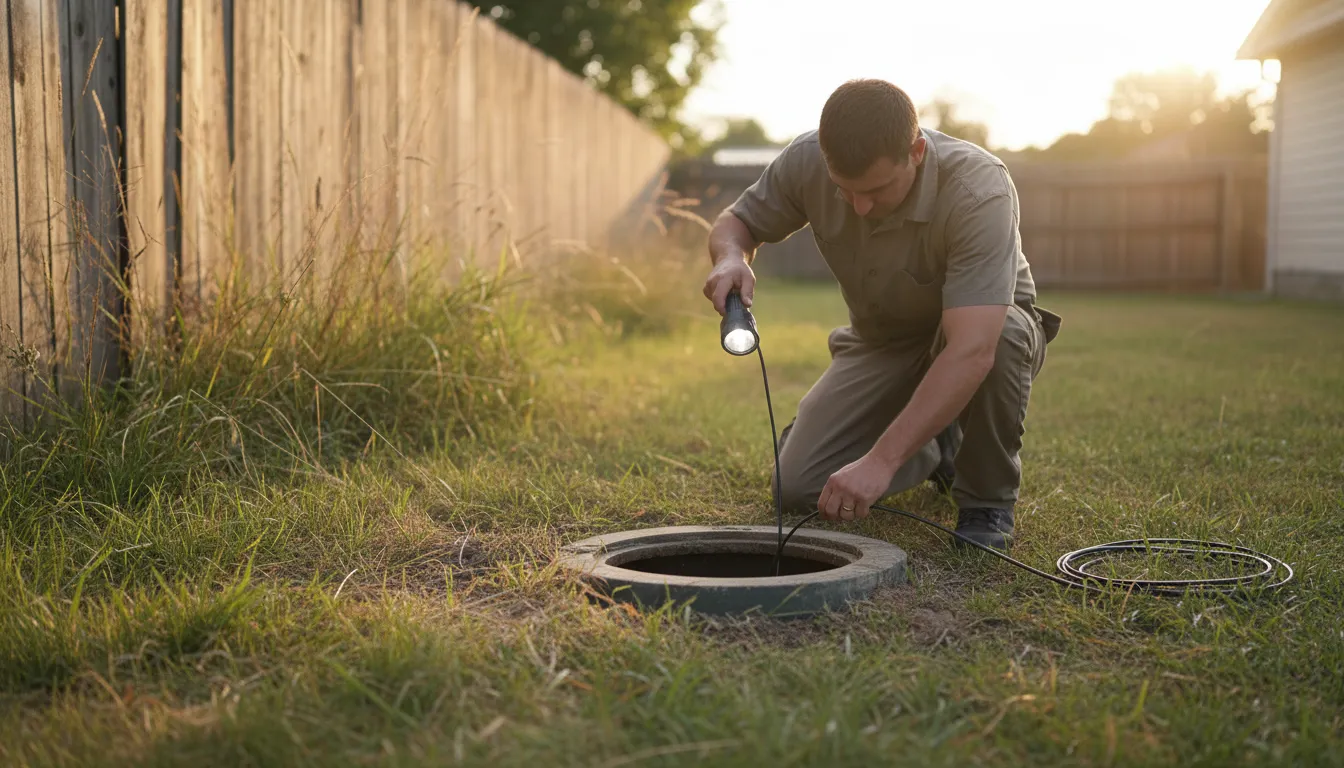
Find the Best Septic Tank Inspection Companies for Your Business
No obligation • Fast responses • Nationwide coverage

Why you can trust Septic Spot
Septic Spot is a leading United States resource for understanding and comparing septic services. Our editors review providers using consistent criteria and verify key business details. Listings and scores are independent, and companies cannot pay to influence our content.
Search providers near you
Top Septic Tank Inspection Companies in Joliet, Illinois Ranked
A septic tank inspection is a critical evaluation of your home's on-site wastewater treatment system to ensure it is functioning safely and efficiently. For Joliet homeowners, regular system evaluations are essential for protecting your property value, your family's health, and the local environment. This guide will help you understand the process, local regulations, and how to find qualified professionals in the Joliet area to perform this vital service.
Suburban Plumbing Sewer Line and Drain Cleaning Experts
9100 Plainfield Rd Suite #9A, Brookfield, IL 60513
Suburban Plumbing Sewer Line and Drain Cleaning Experts is a full-service plumbing company serving Chicago, IL, and the greater Chicagoland area. They provide a wide range of services including septic tank pumping, inspections, repairs, and new system installations, as well as sewer line repairs, drain cleaning, water heater services, and flood control solutions. With over 30 years of experience, their licensed and insured technicians use advanced equipment like hydro jetting and sewer camera inspections to deliver effective plumbing solutions. The company offers 24/7 emergency plumbing services to address urgent issues promptly.
Dynamic Septic Service
18600 Rte 59, Shorewood, IL 60404
Dynamic Septic Service is a locally owned company based in Shorewood, Illinois, providing septic pumping, inspection, repair, and installation services in Chicago, IL, and surrounding counties including Will, DuPage, Cook, Kendall, Grundy, and Kankakee. With over 30 years of hands-on experience, they specialize in diagnosing septic system issues and offering clear options for repair or replacement. Their expertise includes routine pumping and complex system repairs, ensuring long-term functionality of septic systems.
Ability Septic
801 N Raddant Rd, Batavia, IL 60510
Ability Septic is a family-owned septic service provider based near Aurora, IL, serving Batavia and surrounding areas. With over 65 years of experience since 1956, they offer a full range of septic services including pumping, inspection, installation, repair, and drain field maintenance. Their team uses advanced Lenzyme bio-products for eco-friendly septic system solutions and provides 24/7 emergency services to address urgent needs promptly.
A&P Grease Trappers, Inc
801 N Raddant Rd, Batavia, IL 60510
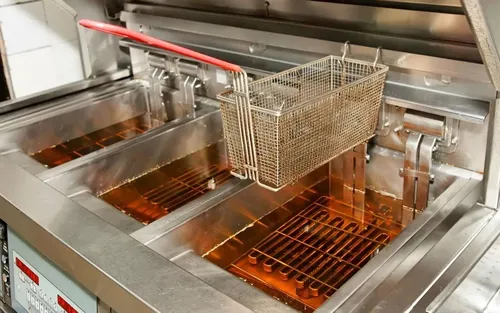
A&P Grease Trappers, Inc is a family-owned business serving Aurora, IL, and the surrounding Chicagoland area since 2006. They specialize in grease trap cleaning, septic tank pumping, sewer cleaning, and plumbing services tailored for restaurants, commercial kitchens, and municipalities. Their licensed professionals provide customized maintenance plans and emergency services, including 24-hour response to urgent issues. The company also offers eco-friendly fryer oil recycling and buy-back programs, along with detailed documentation for health compliance. Their capabilities include advanced grease trap cleaning and RPZ testing to ensure system safety and regulatory adherence.

AmeriSpec Inspection Services
430 E 162nd St, South Holland, IL 60473
AmeriSpec Inspection Services is a septic tank inspection company based in Chicago, IL. They offer comprehensive home and specialty inspections, including septic tank evaluations, performed by a network of over 400 trained inspectors. With more than 35 years of experience and a national presence, AmeriSpec has completed over 2 million inspections across the country. Their inspectors receive extensive classroom and hands-on training to ensure thorough and accurate assessments.
Understanding Septic Systems and Local Regulations
In Joliet and throughout Will County, septic systems are regulated by the Will County Health Department under the rules of the Illinois Department of Public Health (IDPH). Unlike municipal sewer systems, a private sewage disposal system is the homeowner's full responsibility. Illinois law, specifically the Private Sewage Disposal Licensing Act and Code, sets the standards for installation, repair, and maintenance.
A key local requirement is that only state-licensed contractors are permitted to install, alter, or pump septic systems 1. These professionals must renew their license annually, which helps ensure they are up-to-date on current codes 1. For homeowners, this means verifying a contractor's license is a crucial first step before hiring anyone for a system evaluation or repair.
When is a Septic Inspection Required?
While Illinois state law does not mandate annual inspections for existing systems, there are specific situations where a professional assessment is necessary:
- Property Transfers: The most common trigger for a septic inspection in Joliet is a real estate transaction. Most lenders and cautious buyers will require a passing inspection report before closing on a home with a septic system 2. The Will County ordinance often requires inspections during property transfers to ensure the system is compliant and functional.
- System Malfunction: Signs of failure, such as slow drains, sewage backups, or soggy, foul-smelling areas in your yard (especially over the drain field), necessitate an immediate inspection.
- Routine Maintenance: The U.S. Environmental Protection Agency (EPA) and the Illinois EPA recommend having your system inspected at least every 1 to 3 years, even if no problems are apparent 3. This proactive approach is far less costly than emergency repairs after a total failure.
What a Professional Septic Inspection Involves
A thorough septic system evaluation is more than just looking into the tank. A licensed inspector will follow a detailed checklist to assess the entire system's health 4.
1. Locating and Accessing the System The inspector will first locate the tank and distribution box, which may involve probing the yard if the lids are buried. They will then safely excavate and open the access covers.
2. Assessing the Tank Interior This is the core of the inspection. The inspector will:
- Measure Sludge and Scum Levels: Using specialized tools, they measure the layer of solids (sludge) at the bottom and the floating scum at the top. If the combined sludge and scum depth exceeds one-third of the tank's liquid depth, pumping is required to prevent solids from flowing into the drain field and causing failure 5 6.
- Check Liquid Level: The effluent level should be normal. A level that is too high can indicate a drain field blockage, while a level that is too low may signal a tank leak 7.
- Inspect Tank Structure: They will look for cracks, corrosion (in steel tanks), and signs of leakage. The integrity of the tank walls and baffles is vital.
- Examine Components: The inlet and outlet baffles or tees, as well as any effluent filter, are checked for damage or clogging 8.
3. Evaluating the Drain Field The inspector will examine the area above and around the drain field (leach field) for telltale signs of failure. This includes looking for:
- Surfacing sewage or effluent
- Unusually lush, green grass over the field
- Soggy ground or standing water
- Foul odors
They may also check the distribution box (if accessible) to ensure wastewater is flowing evenly to all sections of the drain field.
4. Providing a Detailed Report After the evaluation, you will receive a written report documenting all findings. For real estate transactions, this report is a key document that states whether the system "passed" or "failed" the inspection and details any recommended repairs or maintenance, such as immediate pumping.
Find the perfect septic tank inspection companies for your needs
Get personalized recommendations and expert advice
Costs of Septic Inspections in Joliet
The price of a septic system inspection in Joliet varies based on the inspection's depth and whether pumping is included. Here's a general breakdown based on local and national data:
- Basic Routine Inspection: A standard inspection, often performed for maintenance purposes, typically ranges from $200 to $500.
- Comprehensive Real Estate Inspection: A more detailed inspection that meets lender and county requirements for property transfer usually costs between $500 and $900+ 9. This often includes a more rigorous evaluation and a formal report.
- Pumping Service: If the inspection reveals the tank needs to be pumped (a very common outcome), this service usually adds $300 to $600+, depending on tank size 10 11. Many companies offer a combined inspection and pumping service.
- Permit Fees: If the inspection uncovers needed repairs, the Will County Health Department charges a $225 repair permit fee before any work can begin 12.
Maintaining Your Joliet Septic System
Prevention is the best medicine for your septic system. Following a regular maintenance schedule can add decades to its life and prevent costly emergencies.
- Pump Regularly: The #1 rule for septic care is to have the tank pumped by a licensed professional every 3 to 5 years, on average. The exact frequency depends on your household size and tank capacity.
- Conserve Water: Spread out laundry loads and fix leaky faucets. Excessive water flow can overwhelm the system.
- Mind What You Flush: Only human waste and toilet paper should go down the drain. Never flush wipes (even "flushable" ones), feminine hygiene products, grease, or chemicals.
- Protect the Drain Field: Never drive or park vehicles over it. Keep roof drains, sump pumps, and other surface water away from the area. Avoid planting trees nearby, as roots can invade and damage pipes.
The Will County Health Department is an excellent resource and provides a list of licensed contractors for pumping and installation services 13.
Finding a Qualified Inspector in Joliet
When searching for a septic inspection professional, ensure they are licensed by the state of Illinois. Ask about their experience, exactly what their inspection includes, and whether they provide a detailed written report. A reputable inspector will be able to explain local Will County requirements and guide you through the process, whether for routine maintenance or a real estate transaction.
Frequently asked questions
Sources
Footnotes
-
Illinois Septic License & Certification | 2024 Contractor Guide - https://www.servicetitan.com/licensing/septic/illinois ↩ ↩2
-
Buying and Selling Homes | Septic Systems - Illinois Extension - https://extension.illinois.edu/septic-systems/buying-and-selling-homes ↩
-
Frequent Questions on Septic Systems | US EPA - https://www.epa.gov/septic/frequent-questions-septic-systems ↩
-
A 3-Step Checklist for Septic Tank Inspection - AAA Pumping Services - https://www.aaapumpingservice.net/a-3-step-checklist-for-septic-tank-inspection ↩
-
How to Get Septic to Pass Inspection - https://www.guardianangelinspections.com/how-to-get-septic-to-pass-inspection ↩
-
What to Expect from a Septic Inspection - https://www.wrenvironmental.com/blog/2023/may/what-to-expect-from-a-septic-inspection/ ↩
-
Preparing for Septic Tank Inspection: 7 Key Steps | Septic System Professionals - https://septic911.com/preparing-for-septic-tank-inspection/ ↩
-
Illinois Septic Tank Requirements - https://www.ntotank.com/blog/illinois-septic-tank-requirements ↩
-
What Is the Role of Septic Tank Inspection in Real Estate - https://www.houzeo.com/blog/septic-tank-inspection/ ↩
-
How Much Does a Septic Inspection Cost? [2026 Data] - Angi - https://www.angi.com/articles/septic-inspection-cost.htm ↩
-
Septic System Maintenance - Illinois EPA - https://epa.illinois.gov/topics/drinking-water/private-well-users/septic-system-maintenance.html ↩
-
APPENDIX A: FEE SCHEDULE - American Legal Publishing - https://codelibrary.amlegal.com/codes/willcounty/latest/willcounty_il/0-0-0-31837 ↩
-
Sewage Facility Ordinance - Will County Health Department - https://willcountyhealth.org/wp-content/uploads/2018/08/2016-Sewage-Ordinance-1.pdf ↩