Find the Best Septic Tank Inspection Companies for Your Business
No obligation • Fast responses • Nationwide coverage

Why you can trust Septic Spot
Septic Spot is a leading United States resource for understanding and comparing septic services. Our editors review providers using consistent criteria and verify key business details. Listings and scores are independent, and companies cannot pay to influence our content.
Search providers near you
Top Septic Tank Inspection Companies in Rockford, Illinois Ranked
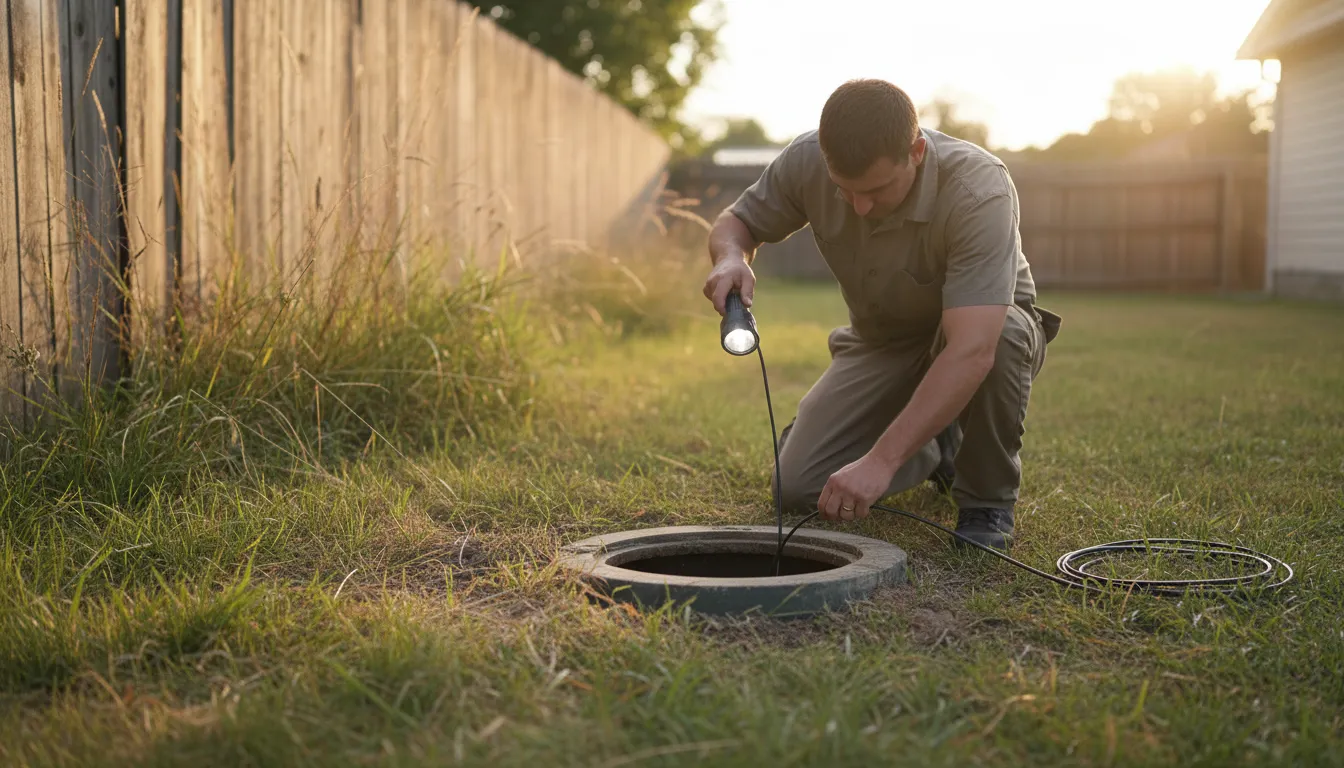
A septic system inspection is a critical evaluation of your home's on-site wastewater treatment system. For homeowners in Rockford, these assessments are not just a good idea-they are a legal requirement to protect public health and the local environment. This guide explains what a septic inspection entails, why it's essential for your property, and how you can find qualified local professionals to perform this vital service.
Orville Quante Septic
4153 Wheeler Rd, Cherry Valley, IL 61016
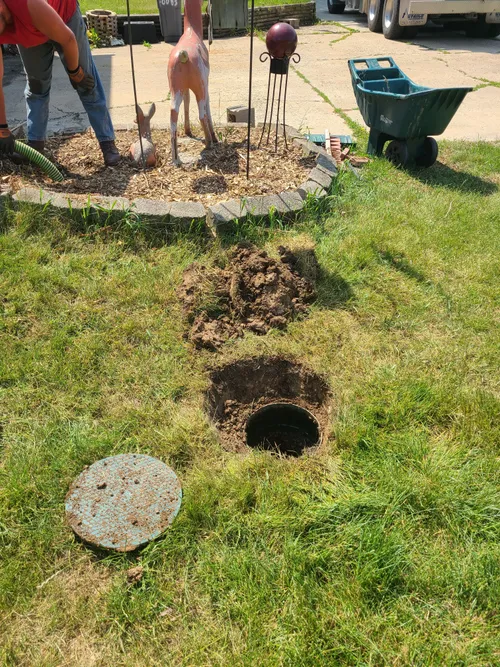
Orville Quante Septic is a family-owned septic service provider based near Rockford, IL, with over 50 years of experience. They offer septic tank pumping, inspection, repair, and installation services for customers in Rockford and surrounding areas. The company provides septic maintenance plans and includes a one-year supply of enzyme bacteria with pumping services. Their licensed and insured team uses specialized equipment, including 400 feet of vacuum hose, to minimize property disruption during service.

Watson Septic
6621 Ohare Dr, Stillman Valley, IL 61084
Watson Septic is a septic tank pumping, inspection, and repair company serving Rockford, IL. They provide comprehensive septic system services including tank pumping, camera inspections, and repairs such as baffle replacement. The business is known for thorough inspections and hands-on problem solving, including digging to access tank covers when needed. While no specific years in business are stated, customer feedback highlights responsive and knowledgeable service, including emergency support beyond regular hours.
Northern Illinois Septic Service
46w350 Lenschow Rd, Hampshire, IL 60140
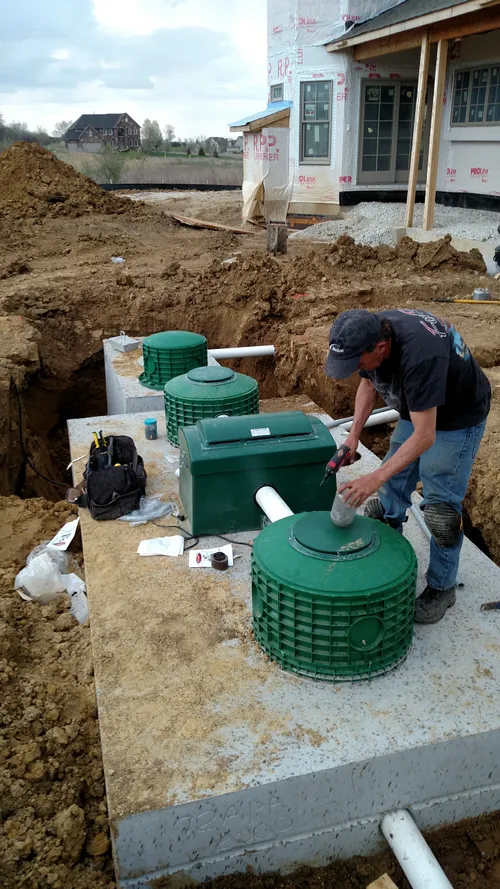
Northern Illinois Septic Service is a family-owned company based near Rockford, IL, specializing in septic tank inspection, repair, and pump replacement. They serve the Rockford area and are certified to monitor wastewater systems in compliance with local health departments. The company handles a range of systems including aerobic and septic treatment plants, mechanical systems, aerators, and lift stations, with expertise in brands like Clearstream, Multi-Flo, and Sybr-Aer. Established in 2008, Northern Illinois Septic Service brings over 22 years of experience to their work.
Waste Water Management of Northern Illinois
2445 N German Church Rd, Oregon, IL 61061
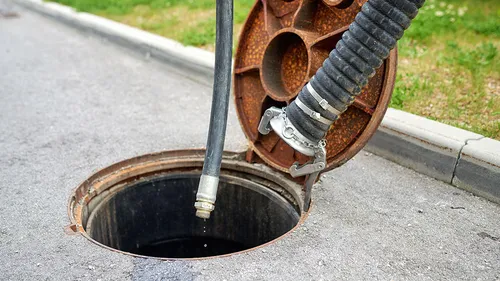
Waste Water Management of Northern Illinois offers septic system services including pumping, inspections, repairs, and new installations in Rockford, IL. They serve both residential and commercial clients, using advanced equipment to maintain septic system efficiency and prevent costly failures. The company emphasizes regular septic maintenance to ensure system longevity and provides services to Oregon, IL, and nearby communities.
Rockford Septic Systems
Rockford, IL
Rockford Septic Systems serves the Rockford, IL area with a full range of septic services including pumping, inspection, repair, and installation for both residential and commercial clients. The company has over 40 years of combined experience in designing, engineering, and maintaining septic systems. They offer specialized capabilities such as high velocity water jetting to clear clogged drains and expertise in aerobic treatment units, which help improve wastewater treatment and preserve drain fields. Rockford Septic Systems emphasizes thorough inspections with detailed reporting and supports ongoing maintenance and repair needs to ensure system efficiency.
Why Septic System Inspections Are Mandatory in Winnebago County
In Rockford and the surrounding Winnebago County, the local health department has established clear rules for maintaining private sewage systems. A key regulation mandates that all septic systems be inspected by a licensed contractor every three years. This isn't a suggestion; it's a public health code designed to prevent system failures that could contaminate groundwater, nearby wells, or surface water.
Regular septic evaluations help catch minor issues-like a cracked baffle or excessive sludge buildup-before they turn into costly, disruptive emergencies like sewage backing up into your home or pooling in your yard. By adhering to the scheduled inspection and pumping frequency (typically every 3-5 years), you ensure your system operates efficiently and complies with Illinois Department of Public Health rules1.
What Does a Professional Septic Inspection Involve?
A comprehensive septic system assessment is a detailed process conducted by a licensed professional. It goes far beyond just checking if the tank is full. Here is a typical step-by-step breakdown of what you can expect during a thorough inspection:
- Locating the System: The inspector will first locate the septic tank and drain field, which may require consulting property records or using probing tools.
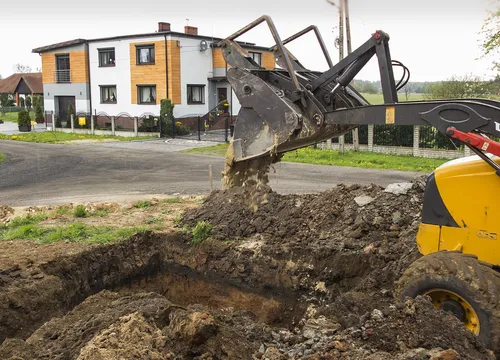
- Uncovering Access Ports: They will dig to expose the tank's manhole and inspection ports. Installing permanent risers can eliminate this digging for future checks and is highly recommended.
- Measuring Sludge and Scum: Using a specialized tool called a "sludge judge," the inspector measures the depth of solid sludge at the bottom of the tank and the floating scum layer on top 2. This determines if pumping is needed.
- Checking Baffles and Tees: The inlet and outlet baffles (or tees) are inspected to ensure they are intact and securely attached. Damaged baffles can allow solids to escape into the drain field, causing clogs and failure 3.
- Inspecting Tank Integrity: The tank itself is checked for signs of structural failure, such as cracks, leaks, or deterioration, especially in older concrete tanks.
- Evaluating the Drain Field: The inspector will examine the drain field area for warning signs of failure. These include surfacing sewage, overly soggy soil, or unusually lush and green grass over the field lines 4.
- Testing Mechanical Components: For systems with pumps, aerators, or alarms (common in aerobic or mound systems), the electrical and mechanical components are tested to ensure proper operation.
Key Times When an Inspection is Required
While the three-year rule is the baseline, several specific situations in Rockford trigger the need for a certified septic system evaluation:
- Real Estate Transactions: When buying or selling a home with a septic system, a specialized inspection is almost always required5. This ensures the system is compliant and functional before ownership transfers, protecting both buyer and seller.
- New System Installation: Any new septic system installation must be inspected and approved by the local health authority before the tank and drain field are covered6 7.
- Suspected Problems: If you notice slow drains, sewage odors, or wet spots in your yard, an immediate inspection is necessary to diagnose the issue.
- Annual Filter Maintenance: If your system is equipped with an effluent filter (which prevents solids from leaving the tank), it requires inspection and cleaning at least once a year.
Understanding Costs for Inspection and Pumping
Budgeting for septic maintenance is part of responsible homeownership. In the Rockford area, costs are influenced by tank size, accessibility, and the scope of the inspection.
- Routine Inspection: A standard septic tank inspection typically ranges from $250 to $600. This covers the visual assessment, sludge/scum measurement, and basic functional checks.
- Septic Tank Pumping: If the inspection reveals the tank is more than one-third full of solids, pumping is recommended. Pumping costs generally range from $300 to $600 or more, depending on tank capacity8 9.
- Additional Services: You may incur extra costs for installing access risers (which save money long-term), dye tests to check for leaks, or a more detailed evaluation for a real estate transfer.
Find the perfect septic tank inspection companies for your needs
Get personalized recommendations and expert advice
Maintaining Your System Between Inspections
A septic system is a long-term investment. Proper care between professional inspections extends its life and prevents malfunctions.
- Keep Detailed Records: Maintain a file with all inspection reports, pumping receipts, and repair documentation. This is invaluable for troubleshooting and is essential when selling your home.
- Conserve Water: Reduce strain on your system by fixing leaks, using high-efficiency fixtures, and spreading out laundry loads.
- Mind What You Flush: Only human waste and toilet paper should go down the drain. Avoid flushing chemicals, grease, wipes (even "flushable" ones), coffee grounds, and feminine hygiene products.
- Protect the Drain Field: Never park vehicles or build structures over the drain field. Divect rainwater runoff from downspouts away from the area to prevent saturation.
Choosing a Licensed Professional in Rockford
For your safety and compliance, always hire a contractor licensed by the state of Illinois and familiar with Winnebago County Health Department codes 10. A qualified professional will pull the necessary permits for inspections related to real estate or new installations. They should provide a clear, written report detailing their findings, measurements, and any recommendations for repair or pumping.
The Consequences of Neglecting Inspections
Failing to get the mandated three-year inspection can lead to significant problems. From a regulatory standpoint, you may be subject to fines or enforcement actions from the health department. Practically, an ignored system can fail catastrophically. Drain field failure is extremely expensive to repair, often costing thousands of dollars. Furthermore, a malfunctioning system poses serious health risks by exposing your family and neighbors to untreated wastewater and contaminating local water sources11.
Regular septic tank inspections are a non-negotiable aspect of owning a home with a private sewage system in Rockford. By understanding the process, scheduling regular service with a licensed provider, and practicing good daily habits, you ensure your system protects your home, your health, and the environment for years to come.
Frequently asked questions
Sources
Footnotes
-
Private Sewage Disposal - Illinois Department of Public Health - https://dph.illinois.gov/topics-services/environmental-health-protection/private-sewage-disposal.html ↩
-
Septic Tank Inspection Checklist: Free PDF Download - https://www.servicetitan.com/templates/septic/inspection-checklist ↩
-
Section 906.10 Applicability - ADMINISTRATIVE CODE - https://www.ilga.gov/agencies/JCAR/EntirePart?titlepart=07700906 ↩
-
Septic System Inspections - InterNACHI - https://www.nachi.org/inspecting-septic-systems.htm ↩
-
Buying and Selling Homes | Septic Systems - Illinois Extension - https://extension.illinois.edu/septic-systems/buying-and-selling-homes ↩
-
Wells and Septic Program - https://publichealth.wincoil.gov/know-your-water-and-sewage-system-private-wells-septic/ ↩
-
§ 51.05 SEWAGE TREATMENT OR DISPOSAL SYSTEMS. - https://codelibrary.amlegal.com/codes/willcounty/latest/willcounty_il/0-0-0-31672 ↩
-
Frequent Questions on Septic Systems | US EPA - https://www.epa.gov/septic/frequent-questions-septic-systems ↩
-
Illinois Septic Tank Requirements - https://www.ntotank.com/blog/illinois-septic-tank-requirements ↩
-
septic-systems.pdf - Illinois Environmental Protection Agency - https://epa.illinois.gov/content/dam/soi/en/web/epa/documents/water/conservation/lake-notes/septic-systems.pdf ↩
-
Septic System Maintenance - https://epa.illinois.gov/topics/drinking-water/private-well-users/septic-system-maintenance.html ↩