Find the Best Septic Tank Inspection Companies for Your Business
No obligation • Fast responses • Nationwide coverage

Why you can trust Septic Spot
Septic Spot is a leading United States resource for understanding and comparing septic services. Our editors review providers using consistent criteria and verify key business details. Listings and scores are independent, and companies cannot pay to influence our content.
Search providers near you
Top Septic Tank Inspection Companies in Chicago, Illinois Ranked
A septic tank inspection is a critical evaluation of your onsite wastewater system's health and compliance with local regulations. For Chicago and Cook County homeowners, these assessments are not just about maintenance-they are often a legal requirement during property transfers and a key part of preventing environmental contamination and costly system failures. This guide explains the local rules, what a thorough inspection entails, and how you can connect with licensed professionals to ensure your system is functioning safely and effectively.
Home Inspection Star Inc.
2545 W Diversey Ave Suite 208, Chicago, IL 60647
Home Inspection Star Inc. is a property inspection firm based in Chicago, IL, offering residential and commercial inspections. They provide a range of services including septic tank inspections, sewer scope inspections, radon testing, and termite inspections. The company delivers detailed reports with photos and recommendations, helping clients understand current issues and potential future concerns. Founded in 2013, Home Inspection Star Inc. employs licensed and certified inspectors and serves clients throughout Chicago.
Suburban Plumbing Sewer Line and Drain Cleaning Experts
9100 Plainfield Rd Suite #9A, Brookfield, IL 60513
Suburban Plumbing Sewer Line and Drain Cleaning Experts is a full-service plumbing company serving Chicago, IL, and the greater Chicagoland area. They provide a wide range of services including septic tank pumping, inspections, repairs, and new system installations, as well as sewer line repairs, drain cleaning, water heater services, and flood control solutions. With over 30 years of experience, their licensed and insured technicians use advanced equipment like hydro jetting and sewer camera inspections to deliver effective plumbing solutions. The company offers 24/7 emergency plumbing services to address urgent issues promptly.
Johnson Septic Service
7523 S 1st Line Rd, Kingsbury, IN 46345
Johnson Septic Service provides septic tank pumping, inspection, repair, and installation services in Chicago, IL. They also offer grease trap pumping and use Bio-Tabs as part of their service options. The company serves the northwest Indiana area with a focus on quality septic system maintenance and repair.
Dogtag Septic Sevices LLC
2714 Nowak Dr, La Porte, IN 46350
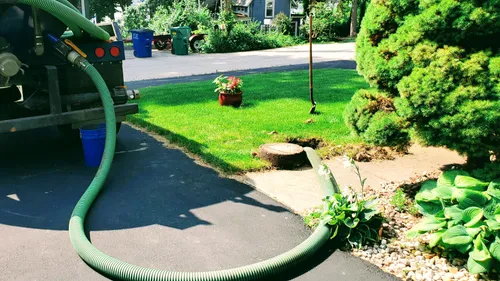
Dogtag Septic Services LLC is a family-owned company based near Chicago, IL, specializing in septic tank inspections and small repairs. They are certified through I.O.W.P.A and NAWT to perform septic inspections required for home title transfers and ensure systems meet code standards. The company focuses on educating customers about proper septic maintenance and providing knowledgeable service.
Dynamic Septic Service
18600 Rte 59, Shorewood, IL 60404
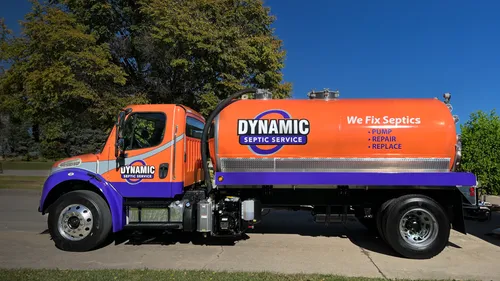
Dynamic Septic Service is a locally owned company based in Shorewood, Illinois, providing septic pumping, inspection, repair, and installation services in Chicago, IL, and surrounding counties including Will, DuPage, Cook, Kendall, Grundy, and Kankakee. With over 30 years of hands-on experience, they specialize in diagnosing septic system issues and offering clear options for repair or replacement. Their expertise includes routine pumping and complex system repairs, ensuring long-term functionality of septic systems.
Understanding Local Septic Inspection Requirements
In the Chicago area, septic system oversight falls under the Illinois Department of Public Health (IDPH) and the Cook County Department of Public Health (CCDPH). While state code does not mandate annual inspections for all systems, county health departments frequently require them to verify that no sewage is reaching the ground surface, a condition defined as a system failure. The most common triggers for a mandatory septic system evaluation are property sales and periodic compliance checks, which may be required every 1-3 years depending on local ordinances.
The work must be performed by a state-licensed Private Sewage Disposal Installation Contractor. Many of these licensed contractors are also qualified to perform official inspections. It's crucial to verify a provider's credentials, as the CCDPH requires permitted, licensed professionals for installation and often for the inspections that accompany property transfers or permit applications. The primary regulatory focus is on structural integrity and absolutely preventing surface discharge of wastewater.
The Step-by-Step Process of a Professional Inspection
A comprehensive septic tank inspection is a methodical process that goes far beyond just looking at the tank. Here's what you can expect a qualified professional to do:
1. Locate the Tank & Review Records: The inspector will start by locating the septic tank and drainfield, which may involve probing the ground if risers are not present. They will also review any existing county permits and system plans to understand the system's design and history 1.
2. Evaluate Sludge and Scum Levels: Using a specialized tool called a "sludge judge," the inspector will measure the accumulation of solids at the bottom of the tank. A key standard is that the sludge layer should not exceed one-third of the tank's liquid depth. High levels indicate the need for immediate pumping.
3. Inspect Tank Components: The inlet and outlet baffles (or tees) are critically examined. These components prevent solids from flowing out to the drainfield, and they must be secure, intact, and not damaged or missing. The inspector will also check the tank's structural integrity for cracks, leaks, or signs of corrosion, and ensure access risers and lids are safe and watertight 2.
4. Assess the Drainfield: The inspection extends to the soil absorption area, or drainfield. The professional will look for telltale signs of failure, such as soggy ground, standing water, or unusually lush and green vegetation over the field lines. These are indicators that the system is not properly absorbing and treating the effluent 3.
Find the perfect septic tank inspection companies for your needs
Get personalized recommendations and expert advice
Costs and Recommended Frequency
Understanding the investment in a septic inspection helps in planning for home maintenance. In the Chicago area, a comprehensive septic system inspection typically costs between $300 and $700+ 4 5. This price can increase if the tank needs to be excavated because it lacks access risers. If the inspection reveals that pumping is needed-which is common-that service is an additional cost, generally ranging from $300 to $600, depending on tank size and accessibility 6 7.
While inspections may be legally required every few years, proactive maintenance is wise. The U.S. EPA and industry experts recommend having your system inspected at least every three years, and the tank pumped every 3-5 years, depending on household size and usage. An immediate inspection is advised if you notice warning signs like slow drains, sewage odors, or wet spots in your yard.
Permitting and System Compliance
For any new installation or major repair, a permit from the Cook County Department of Public Health is required. The permitting process involves a site evaluation, submission of approved system plans, and inspections during construction 8 9. Even for existing systems, maintaining compliance is an ongoing responsibility. Homeowners are legally obligated to maintain their systems to avoid failures. A "failure" is specifically defined as sewage reaching the ground surface or causing backups into the home, which can result in health code violations and significant remediation costs 10 11.
Working with a licensed contractor ensures that any inspection report can be used for official purposes, such as satisfying a county health department requirement or a real estate transaction contingency. They understand the local codes and can guide you through necessary next steps, whether it's routine pumping, minor repairs, or a major system upgrade 12.
Choosing a Qualified Inspection Professional
Selecting the right provider is the most important step. Always choose a state-licensed Private Sewage Disposal Installation Contractor. You can verify a contractor's license through the Illinois Department of Public Health 13. Look for professionals with specific experience in septic system evaluations and who carry proper insurance. A reputable inspector will provide a detailed written report outlining their findings, including sludge levels, component conditions, and any evidence of drainfield issues, along with clear recommendations for action or maintenance.
Frequently asked questions
Sources
Footnotes
-
2026 Guide to Septic Inspection in Georgia - https://dandhsepticservices.com/septic-inspection-in-georgia/ ↩
-
Septic Inspection - https://insideoutinspectionsplus.com/septic-inspection/ ↩
-
Well & Septic Evaluations - Lake County, Illinois - https://www.lakecountyil.gov/2474/Well-Septic-Evaluations ↩
-
Frequent Questions on Septic Systems | US EPA - https://www.epa.gov/septic/frequent-questions-septic-systems ↩
-
Septic System Inspections: A Step-by-Step How-To Guide - https://westcoastsanitationinc.com/septic-inspection-service/ ↩
-
Septic System Inspections - InterNACHI - https://www.nachi.org/inspecting-septic-systems.htm ↩
-
Septic Tanks for Beginners: Essential Insights and Best Practices - https://rogerwakefield.com/septic-tanks-for-beginners-essential-insights-and-best-practices/ ↩
-
Septic - Cook County Department of Public Health - https://cookcountypublichealth.org/environmental-health/water-and-sewage/septic/ ↩
-
Illinois Septic License & Certification | 2024 Contractor Guide - https://www.servicetitan.com/licensing/septic/illinois ↩
-
Illinois Septic Tank Requirements - https://www.ntotank.com/blog/illinois-septic-tank-requirements ↩
-
§ 51.05 SEWAGE TREATMENT OR DISPOSAL SYSTEMS. - https://codelibrary.amlegal.com/codes/willcounty/latest/willcounty_il/0-0-0-31672 ↩
-
Buying and Selling Homes | Septic Systems - Illinois Extension - https://extension.illinois.edu/septic-systems/buying-and-selling-homes ↩
-
Private Sewage Disposal - Illinois Department of Public Health - https://dph.illinois.gov/topics-services/environmental-health-protection/private-sewage-disposal.html ↩