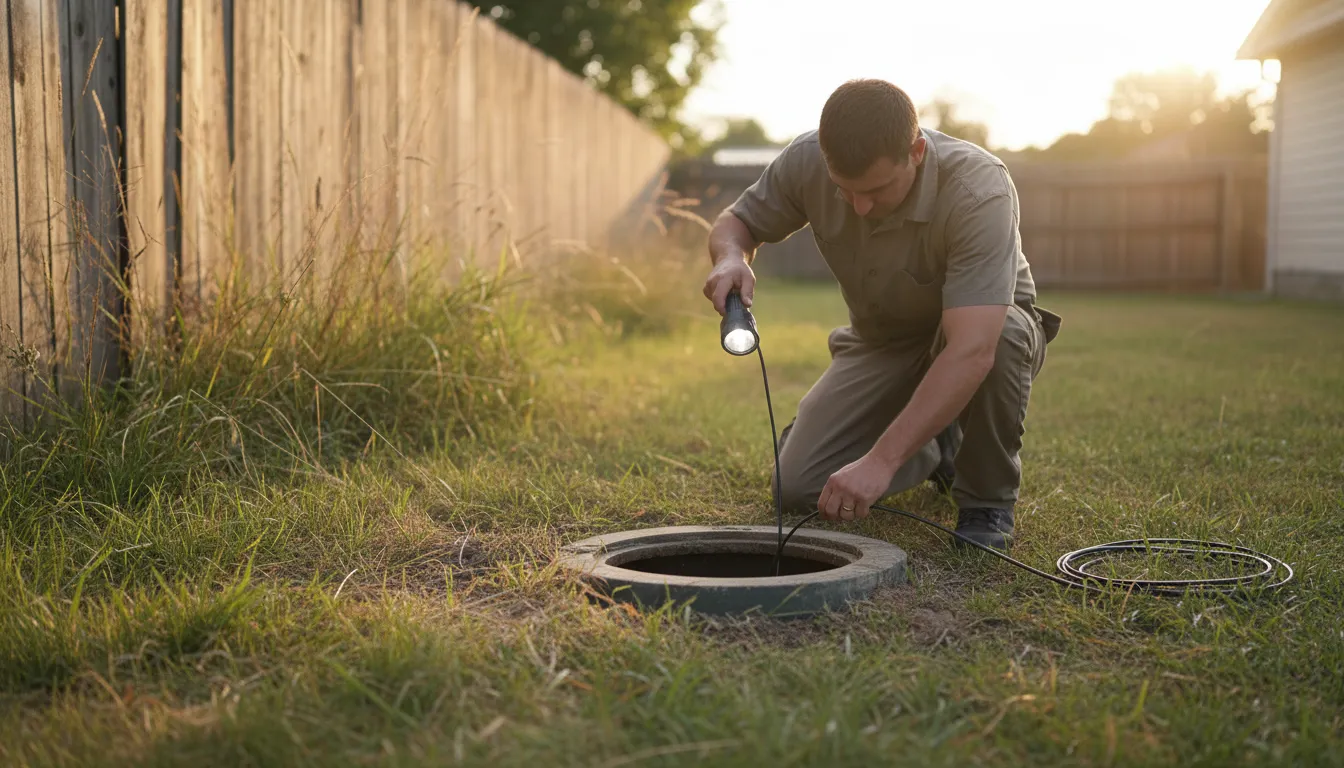
Find the Best Septic Tank Inspection Companies for Your Business
No obligation • Fast responses • Nationwide coverage

Why you can trust Septic Spot
Septic Spot is a leading United States resource for understanding and comparing septic services. Our editors review providers using consistent criteria and verify key business details. Listings and scores are independent, and companies cannot pay to influence our content.
Search providers near you
Top Septic Tank Inspection Companies in Berwyn, Illinois Ranked
A septic system inspection is a critical evaluation of your property's private wastewater treatment system, ensuring it is functioning safely and in compliance with local health codes. This process is especially important in Berwyn, where many homes rely on these systems, as a failing septic can pose serious health risks and environmental hazards. Whether you're buying a home, planning a renovation, or performing routine maintenance, understanding the local requirements and inspection process helps you protect your investment and community health. This guide will help you navigate the specifics of septic evaluations in Berwyn and connect with qualified local professionals.
Home Inspection Star Inc.
2545 W Diversey Ave Suite 208, Chicago, IL 60647
Home Inspection Star Inc. is a property inspection firm based in Chicago, IL, offering residential and commercial inspections. They provide a range of services including septic tank inspections, sewer scope inspections, radon testing, and termite inspections. The company delivers detailed reports with photos and recommendations, helping clients understand current issues and potential future concerns. Founded in 2013, Home Inspection Star Inc. employs licensed and certified inspectors and serves clients throughout Chicago.
Suburban Plumbing Sewer Line and Drain Cleaning Experts
9100 Plainfield Rd Suite #9A, Brookfield, IL 60513
Suburban Plumbing Sewer Line and Drain Cleaning Experts is a full-service plumbing company serving Chicago, IL, and the greater Chicagoland area. They provide a wide range of services including septic tank pumping, inspections, repairs, and new system installations, as well as sewer line repairs, drain cleaning, water heater services, and flood control solutions. With over 30 years of experience, their licensed and insured technicians use advanced equipment like hydro jetting and sewer camera inspections to deliver effective plumbing solutions. The company offers 24/7 emergency plumbing services to address urgent issues promptly.
Dynamic Septic Service
18600 Rte 59, Shorewood, IL 60404
Dynamic Septic Service is a locally owned company based in Shorewood, Illinois, providing septic pumping, inspection, repair, and installation services in Chicago, IL, and surrounding counties including Will, DuPage, Cook, Kendall, Grundy, and Kankakee. With over 30 years of hands-on experience, they specialize in diagnosing septic system issues and offering clear options for repair or replacement. Their expertise includes routine pumping and complex system repairs, ensuring long-term functionality of septic systems.
A&J Sewer Service
1055 Courtesy Dr Unit D, Wheeling, IL 60090
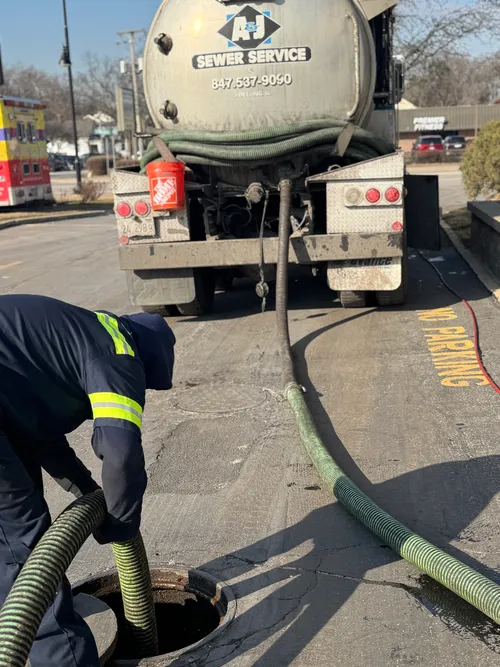
A&J Sewer Service is a septic tank inspection company serving Chicago, IL. They offer sewer televising to inspect sewer lines visually, helping identify blockages and pipe damage without digging. Their services include sewer line cleanouts, sump pump installation and maintenance to protect basements from flooding, and grease trap cleaning tailored for food service businesses. The company uses a combination of traditional and modern technologies to maintain and extend the life of sewer systems.
Ability Septic
801 N Raddant Rd, Batavia, IL 60510
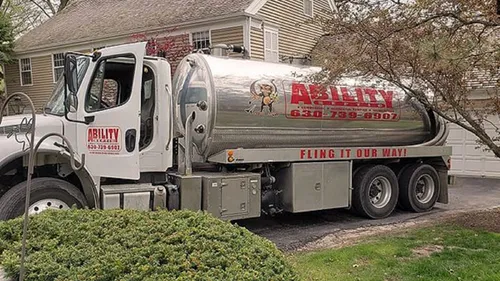
Ability Septic is a family-owned septic service provider based near Aurora, IL, serving Batavia and surrounding areas. With over 65 years of experience since 1956, they offer a full range of septic services including pumping, inspection, installation, repair, and drain field maintenance. Their team uses advanced Lenzyme bio-products for eco-friendly septic system solutions and provides 24/7 emergency services to address urgent needs promptly.
Understanding Septic System Regulations in Cook County
In Berwyn, Illinois, all private sewage disposal systems are regulated by the Cook County Department of Public Health (CCDPH) 1. This agency enforces the Illinois State Plumbing Code and local ordinances to protect groundwater and public health. A key regulation is 77 Ill. Admin. Code 905, which sets the standards for system integrity, size, and location 2.
A septic evaluation is typically mandated by the health department in specific scenarios:
- Property Sale: A passing inspection is often a contingency for closing a real estate transaction.
- Building Permits: If you are applying for a permit to remodel, add a bedroom, or significantly increase the home's water usage, CCDPH will require an evaluation of your existing system's capacity.
- System Complaints: If a system is suspected of failing and creating a nuisance or health hazard.
Requests for official health department evaluations should be submitted to CCDPH at least 2-3 weeks in advance of the needed date. For specific property inquiries, you can contact the Cook County Department of Public Health directly at 708-836-8600.
What a Professional Septic Inspection Involves
A comprehensive septic system assessment is a multi-step process conducted by a licensed professional, such as a qualified plumber or environmental health practitioner. It goes far beyond a simple look at the yard. Here's what you can expect during a standard evaluation:
1. Records Review and Site Inspection The inspector begins by reviewing any available permits, as-built diagrams, or maintenance records for your system. This helps determine the tank's age, size, and layout. They will then perform a visual site inspection to note the system's location relative to your home, wells, and property lines.
2. Locating and Uncovering the Tank Using specialized tools, the inspector locates the septic tank and distribution box. They will then excavate to uncover the manhole cover and inspection ports, which is necessary to access the tank's interior.
3. Tank Interior Evaluation This is the core of the inspection. The inspector will:
- Measure Sludge and Scum: Using a long "sludge judge," they measure the depth of the sludge layer at the bottom of the tank and the floating scum layer. A general rule is that the sludge should not fill more than one-third of the tank's liquid depth 3 4. High levels indicate the need for immediate pumping.
- Inspect Baffles and Tees: The inlet and outlet baffles (or tees) are checked for corrosion, damage, or blockage. These components are crucial for preventing solids from flowing into the drain field.
- Check Liquid Levels: The inspector assesses the liquid level in the tank to identify signs of backflow from a clogged drain field or leakage from a compromised tank 5 6.
4. Drain Field Assessment The inspector examines the leach field or absorption area for signs of failure. Red flags include:
- Sewage effluent pooling on the ground surface.
- Unusually lush, green grass over the field lines.
- Persistent soggy areas or foul odors.
- Slow-draining fixtures inside the home.
Find the perfect septic tank inspection companies for your needs
Get personalized recommendations and expert advice
Costs Associated with Septic Inspections and Maintenance
Budgeting for a septic evaluation involves a few potential costs. A standard inspection in the Berwyn area typically ranges from $300 to over $600, depending on the system's complexity and the effort required to locate and uncover the tank 7 8.
If the inspection reveals that the tank needs to be pumped, that is a separate service. Routine pumping every 3 to 5 years is a standard recommendation, but a 1,000-gallon tank serving a family may need it more frequently, around every 2.5 to 3 years 9 10 11. Pumping costs generally run $250 to $500+, influenced by tank size and accessibility 9 10.
Remember to factor in any fees charged by the Cook County Department of Public Health for their review and approval of the inspection report, which is required for permit applications or property transfers 12.
How to Prepare for a Septic Inspection
A little preparation can make the inspection process smoother and potentially more favorable:
- Gather Records: Compile any documentation you have, including past inspection reports, pumping receipts, and system permits or diagrams.
- Locate Your System: If you know where your tank and cleanouts are, mark them clearly to save the inspector time.
- Ensure Access: Clear any debris, vehicles, or landscaping from the area above the tank and drain field.
- Conserve Water: Avoid running dishwashers, washing machines, or taking long showers immediately before the inspection to allow the system to settle.
- Be Honest: Inform the inspector of any known issues, such as slow drains or odors.
Maintaining Your System Between Inspections
Regular maintenance is the best way to ensure your system passes its next inspection and has a long lifespan.
- Pump Regularly: Don't wait for a problem. Schedule pumping every 3-5 years based on household size and tank capacity.
- Practice Water Conservation: Spread out laundry loads and fix leaky faucets to avoid hydraulically overloading the system.
- Mind What You Flush: Only human waste and toilet paper should go down the drain. Avoid flushing wipes (even "flushable" ones), feminine hygiene products, grease, and chemicals.
- Protect the Drain Field: Never park or drive over the leach field, and avoid planting trees with deep roots nearby.
- Divert Clean Water: Ensure roof drains, sump pumps, and foundation drains are not connected to or directed toward your septic system.
Frequently asked questions
Sources
Footnotes
-
Septic - Cook County Department of Public Health - https://cookcountypublichealth.org/environmental-health/water-and-sewage/septic/ ↩
-
Illinois Septic Tank Requirements - https://www.ntotank.com/blog/illinois-septic-tank-requirements?srsltid=AfmBOooFABk6RMcIlknjzLo_xkzvqXZkqt6M7OBrwNKpSsZaCRWjYRlV ↩
-
What to Expect from a Septic Inspection - https://www.wrenvironmental.com/blog/2023/may/what-to-expect-from-a-septic-inspection/ ↩
-
Understand the Septic Inspection Process - https://www.cetaylorandsoninc.com/understand-the-septic-inspection-process ↩
-
How to Get Septic to Pass Inspection - https://www.guardianangelinspections.com/how-to-get-septic-to-pass-inspection ↩
-
Comprehensive Septic Inspection for Your Home | Linkhorn Home Inspections - https://www.linkhorninspections.com/blog/what-is-involved-in-a-septic-inspection-why-do-i-need-one/ ↩
-
Buying and Selling Homes | Septic Systems - Illinois Extension - https://extension.illinois.edu/septic-systems/buying-and-selling-homes ↩
-
Essential Septic System Inspection Guide for Homeowners - https://smartsepticpros.com/blog/septic-system-inspection-for-homeowners/ ↩
-
Frequent Questions on Septic Systems | US EPA - https://www.epa.gov/septic/frequent-questions-septic-systems ↩ ↩2
-
How Often Should You Pump Your Septic Tank: 3 Factors Solved - https://www.frasiers.com/blog/sewage-tank-pump-frequency/ ↩ ↩2
-
septic-systems.pdf - Illinois Environmental Protection Agency - https://epa.illinois.gov/content/dam/soi/en/web/epa/documents/water/conservation/lake-notes/septic-systems.pdf ↩
-
Septic - Cook County Department of Public Health - https://cookcountypublichealth.org/environmental-health/water-and-sewage/septic/ ↩