Find the Best Septic Tank Inspection Companies for Your Business
No obligation • Fast responses • Nationwide coverage

Why you can trust Septic Spot
Septic Spot is a leading United States resource for understanding and comparing septic services. Our editors review providers using consistent criteria and verify key business details. Listings and scores are independent, and companies cannot pay to influence our content.
Search providers near you
Top Septic Tank Inspection Companies in Hoffman Estates, Illinois Ranked
A septic system inspection is a critical evaluation of your home's private wastewater treatment system. It matters because a failing system can pose serious health risks, contaminate local groundwater, and lead to expensive property damage. For Hoffman Estates homeowners, understanding the condition of your septic tank and drainfield is essential for routine maintenance, planning repairs, or navigating a real estate transaction. This guide will help you understand the local requirements, inspection process, and costs, empowering you to find qualified local professionals to assess your system.
Home Inspection Star Inc.
2545 W Diversey Ave Suite 208, Chicago, IL 60647
Home Inspection Star Inc. is a property inspection firm based in Chicago, IL, offering residential and commercial inspections. They provide a range of services including septic tank inspections, sewer scope inspections, radon testing, and termite inspections. The company delivers detailed reports with photos and recommendations, helping clients understand current issues and potential future concerns. Founded in 2013, Home Inspection Star Inc. employs licensed and certified inspectors and serves clients throughout Chicago.
Suburban Plumbing Sewer Line and Drain Cleaning Experts
9100 Plainfield Rd Suite #9A, Brookfield, IL 60513
Suburban Plumbing Sewer Line and Drain Cleaning Experts is a full-service plumbing company serving Chicago, IL, and the greater Chicagoland area. They provide a wide range of services including septic tank pumping, inspections, repairs, and new system installations, as well as sewer line repairs, drain cleaning, water heater services, and flood control solutions. With over 30 years of experience, their licensed and insured technicians use advanced equipment like hydro jetting and sewer camera inspections to deliver effective plumbing solutions. The company offers 24/7 emergency plumbing services to address urgent issues promptly.
A&J Sewer Service
1055 Courtesy Dr Unit D, Wheeling, IL 60090
A&J Sewer Service is a septic tank inspection company serving Chicago, IL. They offer sewer televising to inspect sewer lines visually, helping identify blockages and pipe damage without digging. Their services include sewer line cleanouts, sump pump installation and maintenance to protect basements from flooding, and grease trap cleaning tailored for food service businesses. The company uses a combination of traditional and modern technologies to maintain and extend the life of sewer systems.
Ability Septic
801 N Raddant Rd, Batavia, IL 60510
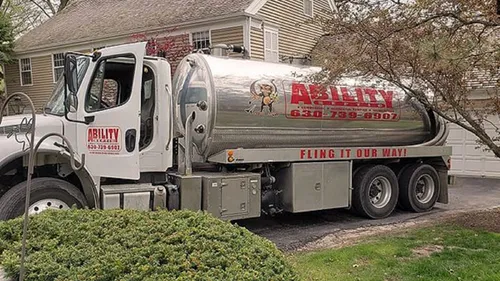
Ability Septic is a family-owned septic service provider based near Aurora, IL, serving Batavia and surrounding areas. With over 65 years of experience since 1956, they offer a full range of septic services including pumping, inspection, installation, repair, and drain field maintenance. Their team uses advanced Lenzyme bio-products for eco-friendly septic system solutions and provides 24/7 emergency services to address urgent needs promptly.
A&P Grease Trappers, Inc
801 N Raddant Rd, Batavia, IL 60510
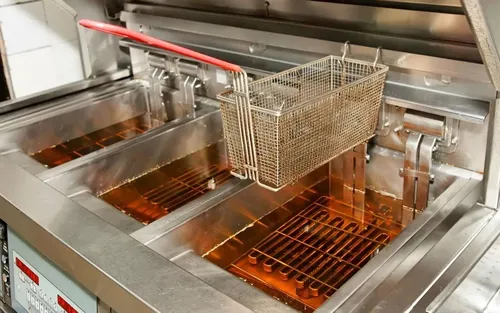
A&P Grease Trappers, Inc is a family-owned business serving Aurora, IL, and the surrounding Chicagoland area since 2006. They specialize in grease trap cleaning, septic tank pumping, sewer cleaning, and plumbing services tailored for restaurants, commercial kitchens, and municipalities. Their licensed professionals provide customized maintenance plans and emergency services, including 24-hour response to urgent issues. The company also offers eco-friendly fryer oil recycling and buy-back programs, along with detailed documentation for health compliance. Their capabilities include advanced grease trap cleaning and RPZ testing to ensure system safety and regulatory adherence.
Understanding Septic Systems in Cook County
In Hoffman Estates and throughout Cook County, private sewage disposal systems are regulated by the Cook County Department of Public Health (CCDPH). Unlike homes connected to a municipal sewer line, your septic system is your responsibility. It's a complex, buried structure that treats household wastewater on your property. Regular evaluations are not just a good idea-they are a key part of responsible homeownership that protects your investment and the community's environment. The Illinois Environmental Protection Agency and local health codes provide the framework for system installation, operation, and maintenance.
Why Regular Septic Inspections Are Essential
Skipping routine septic system check-ups is a gamble with high stakes. A malfunctioning system can back up into your home, create soggy, foul-smelling patches in your yard, and release untreated sewage into the environment. In Hoffman Estates, with its specific soil conditions and regulations, proactive care is especially important. Regular inspections can:
- Prevent Costly Emergencies: Identifying minor issues like a cracked baffle or high sludge levels early can prevent a total system failure that requires a full replacement, which can cost tens of thousands of dollars.
- Protect Property Value: A well-documented history of professional septic tank assessments is a strong asset during a home sale. Conversely, an unknown or failing system can derail a transaction.
- Ensure Regulatory Compliance: While the state code (77 Ill. Admin Code 905) may not mandate annual inspections for all systems, CCDPH has authority and often requires inspections during property transfers or major renovations. Staying ahead of these requirements avoids last-minute scrambles.
- Safeguard Health and Environment: Properly treated wastewater prevents the contamination of groundwater, which is a source of drinking water for many Illinois communities.
Recommended Inspection Frequency
How often should you schedule a septic system evaluation? The general guideline from the U.S. Environmental Protection Agency is to have your system inspected at least every three years by a qualified professional. However, several factors specific to your Hoffman Estates home can dictate a more frequent schedule:
- Annual Inspections: Recommended for older systems, systems with electrical components like pumps or alarms, or homes with a higher-than-average number of occupants.
- Every 1-3 Years: A standard schedule for most conventional septic systems.
- Before a Property Sale: A comprehensive septic inspection is almost always a contingency in a real estate transaction in areas without municipal sewer.
- After Significant Events: Consider an inspection after periods of very heavy use (like large gatherings) or if you notice any warning signs, such as slow drains or odors in the yard.
Pumping is a separate but related maintenance task. Tanks typically need to be pumped every 3 to 5 years, but the only way to know for sure is through an inspection that measures sludge and scum levels.
Find the perfect septic tank inspection companies for your needs
Get personalized recommendations and expert advice
What a Professional Inspection Involves
A thorough septic system assessment in Hoffman Estates is a multi-step process conducted by a trained inspector. It goes far beyond just looking at the tank. Here's what you can expect during a comprehensive evaluation:
- Record Review & Site History: The inspector will start by reviewing any available records of your system's design, location (as-built drawing), and past maintenance. This helps locate the tank and drainfield, especially if lids are buried.
- Locating & Uncovering the Tank: Using probing tools or records, the inspector will locate the tank and access ports. They will then dig to uncover the manhole cover to gain entry for internal inspection.
- Internal Tank Assessment: This is the core of the inspection. The inspector will:
- Measure Sludge and Scum Levels: Using specialized tools, they will measure the depth of the sludge layer at the bottom and the scum layer at the top. If the sludge fills more than one-third of the tank's depth, pumping is immediately recommended.
- Inspect Baffles and Outlets: The inlet and outlet baffles (or tees) are critical for controlling flow. The inspector checks for corrosion, damage, or clogging that could allow solids to escape into the drainfield 1 2.
- Check for Structural Damage: They will look for cracks, leaks, or signs of deterioration in the tank walls.
- Drainfield Evaluation: The inspector will examine the soil absorption field (drainfield) for signs of failure. This includes looking for:
- Surface Ponding: Standing water or overly lush grass over the field.
- Sewage Odors: Foul smells emanating from the yard.
- Backups: Evidence that effluent is surfacing or backing up into the home.
- Operation & Flow Test: In some inspections, particularly for real estate, the inspector may run water through the system to check flow from the house to the tank and observe the drainfield's response 3.
- Detailed Reporting: A professional inspector will provide a written report detailing their findings, including sludge levels, condition of components, any signs of failure, and recommended actions or repairs.
Understanding Inspection Costs in Hoffman Estates
The cost of a septic inspection can vary based on the depth of the evaluation and your property's specifics. Here's a breakdown of what Hoffman Estates homeowners can expect:
- Basic Routine Inspection: A standard inspection, often performed as part of regular maintenance, typically ranges from $200 to $400. This usually includes locating the tank, measuring sludge/scum, and a visual check of key components.
- Comprehensive Inspection (Real Estate): A more detailed evaluation, frequently required for home sales, includes full tank access, drainfield assessment, and often a flow test. This level of service averages around $550 but can cost between $400 and $900 depending on system size and complexity 4.
- Pumping with Inspection: Many homeowners combine an inspection with a pumping service. Routine pumping in our area typically costs between $250 and $500. Bundling these services can be cost-effective.
- Advanced or Certified Inspections: In some cases, such as for permit applications or resolving a dispute, a more advanced inspection by a certified engineer or specialist may be needed, with costs reaching $1,300 or more 5 6.
Remember, the cheapest inspection is not always the best. A thorough assessment from a qualified professional can save you money by accurately diagnosing problems and preventing future failures.
Local Regulations and Permit Requirements
Working with your septic system in Hoffman Estates involves specific local rules. The Cook County Department of Public Health (CCDPH) is the permitting authority for private sewage systems. Key regulations include:
- Permits for New Work: Any new septic system installation, major repair, or alteration requires a permit from CCDPH. Plans must be reviewed and approved before work begins 7 8.
- Inspections During Work: While state code may not require multiple inspections during construction, Cook County often mandates inspections at critical stages, such as before the tank is covered or the drainfield is backfilled, to ensure it's built to code 9.
- Property Transfers: Although not a state-wide mandate, it is extremely common for local municipalities or buyer's lenders to require a passing septic inspection report before the sale of a home is finalized 10.
- System Abandonment: If you connect to a newly available municipal sewer line, your old septic tank must be properly abandoned (usually pumped out and filled with inert material like sand or gravel) under a CCDPH permit.
Choosing a Qualified Inspection Professional
Selecting the right person to evaluate your septic system is crucial. Look for professionals who:
- Are licensed by the State of Illinois for septic work (Private Sewage Disposal Installation and/or Inspection licenses).
- Have extensive local experience in Hoffman Estates and Cook County, understanding local soils and county health department expectations.
- Provide clear, detailed written reports with photos.
- Can explain their findings and recommendations in understandable terms.
- Are insured and carry appropriate warranties on their work.
Don't hesitate to ask for references and proof of licensing. A reputable inspector will be happy to provide this information.
Frequently asked questions
Sources
Footnotes
-
Septic System Inspections - InterNACHI® - https://www.nachi.org/inspecting-septic-systems.htm ↩
-
septic-systems.pdf - Illinois Environmental Protection Agency - https://epa.illinois.gov/content/dam/soi/en/web/epa/documents/water/conservation/lake-notes/septic-systems.pdf ↩
-
How to Get Septic to Pass Inspection - https://www.guardianangelinspections.com/how-to-get-septic-to-pass-inspection ↩
-
Frequent Questions on Septic Systems | US EPA - https://www.epa.gov/septic/frequent-questions-septic-systems ↩
-
How Much Does a Septic Inspection Cost? [2026 Data] - Angi - https://www.angi.com/articles/septic-inspection-cost.htm ↩
-
SepticSmart Homeowners | Rhode Island Department of Environmental Management - https://dem.ri.gov/environmental-protection-bureau/water-resources/permitting/septic-smart-home ↩
-
Septic - Cook County Department of Public Health - https://cookcountypublichealth.org/environmental-health/water-and-sewage/septic/ ↩
-
Private Sewage Disposal - Illinois Department of Public Health - https://dph.illinois.gov/topics-services/environmental-health-protection/private-sewage-disposal.html ↩
-
Illinois Septic Tank Requirements - https://www.ntotank.com/blog/illinois-septic-tank-requirements ↩
-
Buying and Selling Homes | Septic Systems - Illinois Extension - https://extension.illinois.edu/septic-systems/buying-and-selling-homes ↩