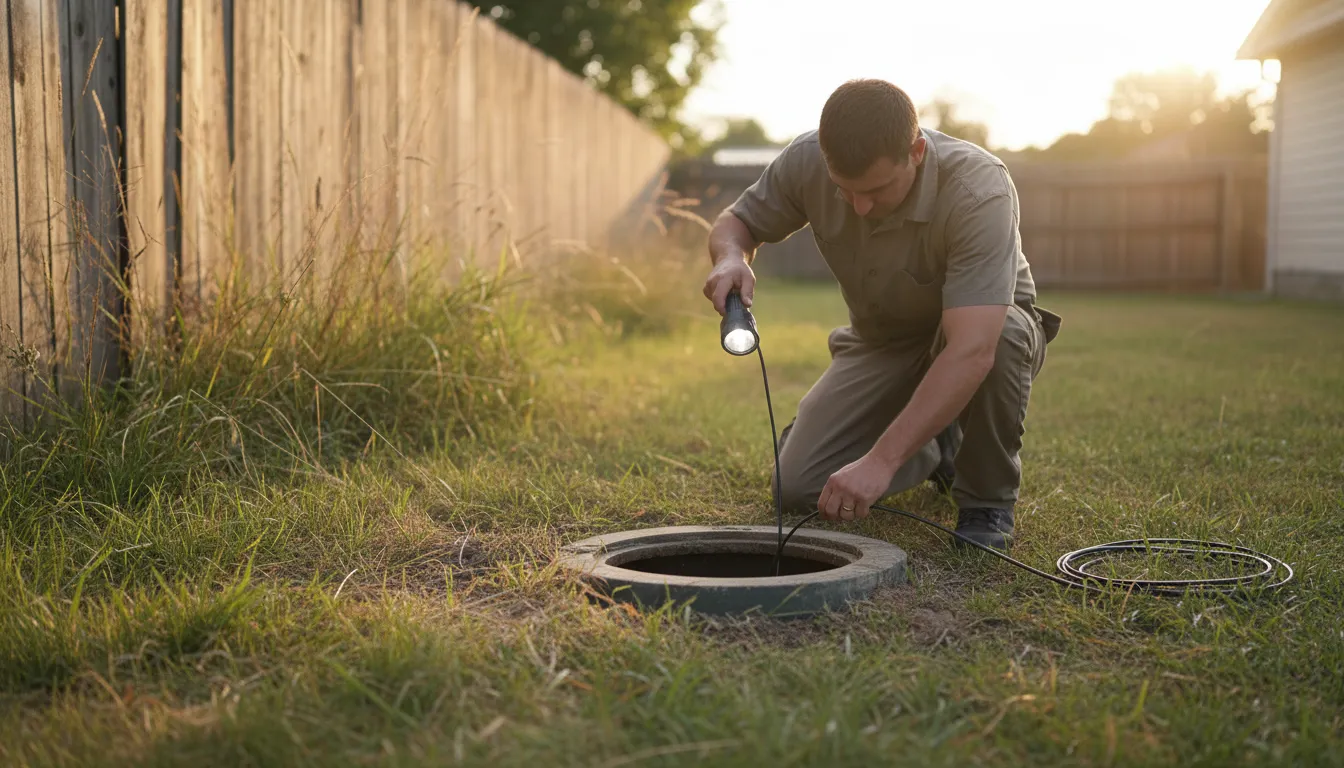
Find the Best Septic Tank Inspection Companies for Your Business
No obligation • Fast responses • Nationwide coverage

Why you can trust Septic Spot
Septic Spot is a leading United States resource for understanding and comparing septic services. Our editors review providers using consistent criteria and verify key business details. Listings and scores are independent, and companies cannot pay to influence our content.
Search providers near you
Top Septic Tank Inspection Companies in Mount Prospect, Illinois Ranked
A professional septic tank inspection is a critical evaluation of your onsite wastewater treatment system's health and functionality. For Mount Prospect homeowners, these assessments are not just about routine maintenance; they are often a legal requirement during property transfers and a key safeguard for your property value and local environment. This guide explains the local inspection process, regulations, and typical costs, helping you understand what to expect and how to connect with qualified local professionals to ensure your system complies with Illinois standards.
Home Inspection Star Inc.
2545 W Diversey Ave Suite 208, Chicago, IL 60647
Home Inspection Star Inc. is a property inspection firm based in Chicago, IL, offering residential and commercial inspections. They provide a range of services including septic tank inspections, sewer scope inspections, radon testing, and termite inspections. The company delivers detailed reports with photos and recommendations, helping clients understand current issues and potential future concerns. Founded in 2013, Home Inspection Star Inc. employs licensed and certified inspectors and serves clients throughout Chicago.
Suburban Plumbing Sewer Line and Drain Cleaning Experts
9100 Plainfield Rd Suite #9A, Brookfield, IL 60513
Suburban Plumbing Sewer Line and Drain Cleaning Experts is a full-service plumbing company serving Chicago, IL, and the greater Chicagoland area. They provide a wide range of services including septic tank pumping, inspections, repairs, and new system installations, as well as sewer line repairs, drain cleaning, water heater services, and flood control solutions. With over 30 years of experience, their licensed and insured technicians use advanced equipment like hydro jetting and sewer camera inspections to deliver effective plumbing solutions. The company offers 24/7 emergency plumbing services to address urgent issues promptly.
A&J Sewer Service
1055 Courtesy Dr Unit D, Wheeling, IL 60090
A&J Sewer Service is a septic tank inspection company serving Chicago, IL. They offer sewer televising to inspect sewer lines visually, helping identify blockages and pipe damage without digging. Their services include sewer line cleanouts, sump pump installation and maintenance to protect basements from flooding, and grease trap cleaning tailored for food service businesses. The company uses a combination of traditional and modern technologies to maintain and extend the life of sewer systems.
Ability Septic
801 N Raddant Rd, Batavia, IL 60510
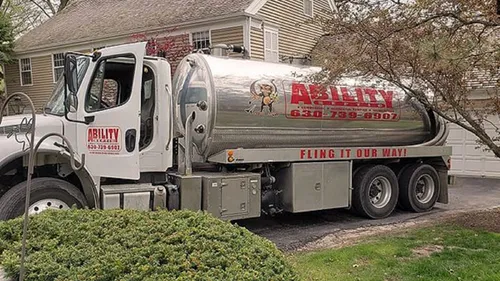
Ability Septic is a family-owned septic service provider based near Aurora, IL, serving Batavia and surrounding areas. With over 65 years of experience since 1956, they offer a full range of septic services including pumping, inspection, installation, repair, and drain field maintenance. Their team uses advanced Lenzyme bio-products for eco-friendly septic system solutions and provides 24/7 emergency services to address urgent needs promptly.
A&P Grease Trappers, Inc
801 N Raddant Rd, Batavia, IL 60510
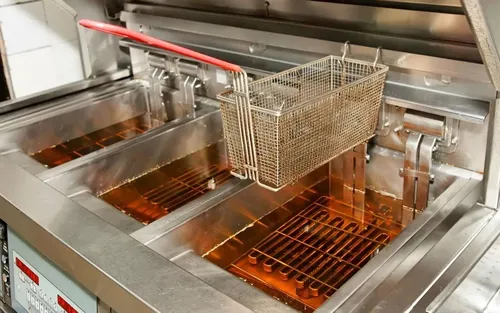
A&P Grease Trappers, Inc is a family-owned business serving Aurora, IL, and the surrounding Chicagoland area since 2006. They specialize in grease trap cleaning, septic tank pumping, sewer cleaning, and plumbing services tailored for restaurants, commercial kitchens, and municipalities. Their licensed professionals provide customized maintenance plans and emergency services, including 24-hour response to urgent issues. The company also offers eco-friendly fryer oil recycling and buy-back programs, along with detailed documentation for health compliance. Their capabilities include advanced grease trap cleaning and RPZ testing to ensure system safety and regulatory adherence.
Why Septic System Inspections Are Essential in Mount Prospect
Living in Mount Prospect means your property likely relies on a private sewage disposal system, governed by strict state and county health codes. Regular septic system evaluations are vital for several reasons. First, they protect public health and groundwater by identifying failures before raw sewage contaminates the environment 1. Second, they are a cornerstone of responsible homeownership, preventing costly emergency repairs by catching issues like baffle failures or drain field saturation early. Finally, in Cook County, a passing inspection report is frequently mandated for real estate transactions, making a clean bill of health essential for a smooth sale or purchase 2.
Local Regulations: What Mount Prospect Homeowners Need to Know
Septic inspections in Mount Prospect are conducted under the authority of the Illinois Department of Public Health (IDPH) and its Private Sewage Disposal Code (77 Ill. Adm. Code 905). This code sets the minimum standards for system construction, maintenance, and inspection.
- Mandatory Inspection Triggers: The most common requirement is an inspection during a property transfer or sale. Lenders and title companies will typically require a recent inspection by a licensed contractor to ensure the system is functioning properly 3. Beyond real estate, local health authorities may require inspections every 3-5 years as part of ongoing maintenance compliance, especially for older systems.
- Permit Requirements: Any new construction, repair, modification, or abandonment of a septic system in Mount Prospect requires a permit from the local health authority. A professional inspection is often part of the permit application or final approval process for repairs 4 5.
- Licensed Professionals: Illinois law requires that any evaluation or work on a private sewage system be performed by a licensed private sewage disposal contractor. Hiring a licensed professional ensures the inspection will be recognized by local authorities and real estate professionals 6 7.
The Professional Septic Inspection Process: A Step-by-Step Guide
A comprehensive septic tank assessment by a licensed contractor follows a systematic approach to evaluate every component. Here's what a typical inspection entails:
- Locating & Accessing the System: The inspector will locate the tank and distribution box, which may involve probing the yard. They will then excavate and open the access manholes. If the tank location is unknown, this initial search can add to the labor time and cost 8 9.
- Evaluating Tank Contents (Sludge and Scum): Using specialized tools, the inspector measures the depth of the sludge layer at the bottom of the tank and the scum layer floating at the top. These measurements determine if the tank needs immediate pumping.
- Inspecting Tank Components: The inlet and outlet baffles (or tees) are checked for integrity. Damaged or missing baffles can allow solids to escape into the drain field, causing premature failure. The tank's structural integrity is also assessed for cracks, leaks, or root intrusion.
- Assessing the Drain Field: This is a crucial part of the inspection. The inspector will examine the area over the leaching field for signs of failure, such as soggy soil, foul odors, or surfacing sewage. They may also use a dye test to check for improper drainage.
- Pumping (If Required or Recommended): While not always part of a basic inspection, pumping is often recommended to fully assess the tank's bottom and interior walls. Many inspectors will suggest combining a pump-out with the inspection for a more thorough evaluation 10.
Find the perfect septic tank inspection companies for your needs
Get personalized recommendations and expert advice
Understanding Inspection Costs in Mount Prospect
The cost of a septic inspection in Mount Prospect depends on the scope of service and the size of your system. Prices can vary based on tank accessibility and the contractor, but here are general guidelines based on regional averages:
- Basic Visual Inspection: A standard inspection, including locating the tank, checking sludge/scum levels, and inspecting visible components, typically ranges from $300 to $500.
- Inspection with Pumping: A more comprehensive service that includes both the full inspection and pumping the tank usually costs between $500 and $900 or more. This is common during real estate transactions or routine maintenance every 3-5 years 11.
- Pumping-Only Service: If you know your tank just needs to be emptied, the cost is primarily based on tank capacity (e.g., 1,000 to 1,500 gallons). Pumping alone generally ranges from $300 to $700 12.
- Additional Potential Costs: If your tank lids are buried deep or its location is unknown, additional labor for excavation and locating can add $100 to $300 to the total bill 13.
Preparing Your Home for a Septic Inspection
A little preparation can make the inspection process smoother and more efficient. Ensure all system components are accessible by clearly marking the tank lid location if known. Clear any vehicles, lawn furniture, or debris from the area above the tank and drain field. It's also helpful to have any existing records of system installation, past inspections, or pumping schedules available for the inspector.
Common Issues Uncovered During Inspections
A professional evaluation might reveal problems that need addressing. Common issues in Mount Prospect include:
- High Sludge/Scum Levels: Indicating the need for immediate pumping.
- Damaged Baffles: Compromised inlet or outlet baffles require repair to protect the drain field.
- Cracked Tank or Pipes: Structural damage can lead to leaks and soil contamination.
- Drain Field Failure: Saturated or surfacing effluent in the yard signals a serious problem, often requiring significant repair or replacement 14.
Maintaining Your System After the Inspection
Once your system has been inspected and given a clean bill of health, regular maintenance is key. Adhere to the recommended pumping schedule (usually every 3-5 years, but based on usage and inspection findings). Practice water conservation, avoid flushing harmful chemicals or non-biodegradables, and protect your drain field by not driving or building over it. Proper care extends your system's life and prevents future failures.
Frequently asked questions
Sources
Footnotes
-
Water Pollution Control | Septic Systems | Illinois Extension | UIUC - https://extension.illinois.edu/septic-systems/water-pollution-control ↩
-
Frequent Questions on Septic Systems | US EPA - https://www.epa.gov/septic/frequent-questions-septic-systems ↩
-
Septic Tank Inspection During Due Diligence | NC Home Buying Guide - https://www.p3realtync.com/blog/septic-tank-due-diligence/ ↩
-
Illinois Septic Tank Requirements - https://www.ntotank.com/blog/illinois-septic-tank-requirements ↩
-
Onsite Wastewater Treatment System Types - Lake County, Illinois - https://www.lakecountyil.gov/2445/Onsite-Wastewater-Treatment-System-Types ↩
-
Private Sewage Disposal - Illinois Department of Public Health - https://dph.illinois.gov/topics-services/environmental-health-protection/private-sewage-disposal.html ↩
-
9-4-7: SEPTIC TANKS (IDPH SECTION 905.40): - https://codelibrary.amlegal.com/codes/invernessil/latest/inverness_il/0-0-0-7060 ↩
-
Septic Inspection Process: What Homeowners Should Know | LunsPro - https://www.lunspro.com/vlog/the-septic-system-inspection-process-what-homeowners-should-know ↩
-
Preparing for Septic Tank Inspection: 7 Key Steps - https://septic911.com/preparing-for-septic-tank-inspection/ ↩
-
septic-systems.pdf - Illinois Environmental Protection Agency - https://epa.illinois.gov/content/dam/soi/en/web/epa/documents/water/conservation/lake-notes/septic-systems.pdf ↩
-
Septic Inspections: What to Know About a Septic System Inspection - https://www.maxrealestateexposure.com/septic-inspections/ ↩
-
2026 Septic Inspection Costs | Tank, System, & Title 5 - https://homeguide.com/costs/septic-tank-inspection-cost ↩
-
2026 Septic Inspection Costs | Tank, System, & Title 5 - https://homeguide.com/costs/septic-tank-inspection-cost ↩
-
Septic System Inspections - InterNACHI - https://www.nachi.org/inspecting-septic-systems.htm ↩