Find the Best Septic Tank Inspection Companies for Your Business
No obligation • Fast responses • Nationwide coverage

Why you can trust Septic Spot
Septic Spot is a leading United States resource for understanding and comparing septic services. Our editors review providers using consistent criteria and verify key business details. Listings and scores are independent, and companies cannot pay to influence our content.
Search providers near you
Top Septic Tank Inspection Companies in Schaumburg, Illinois Ranked
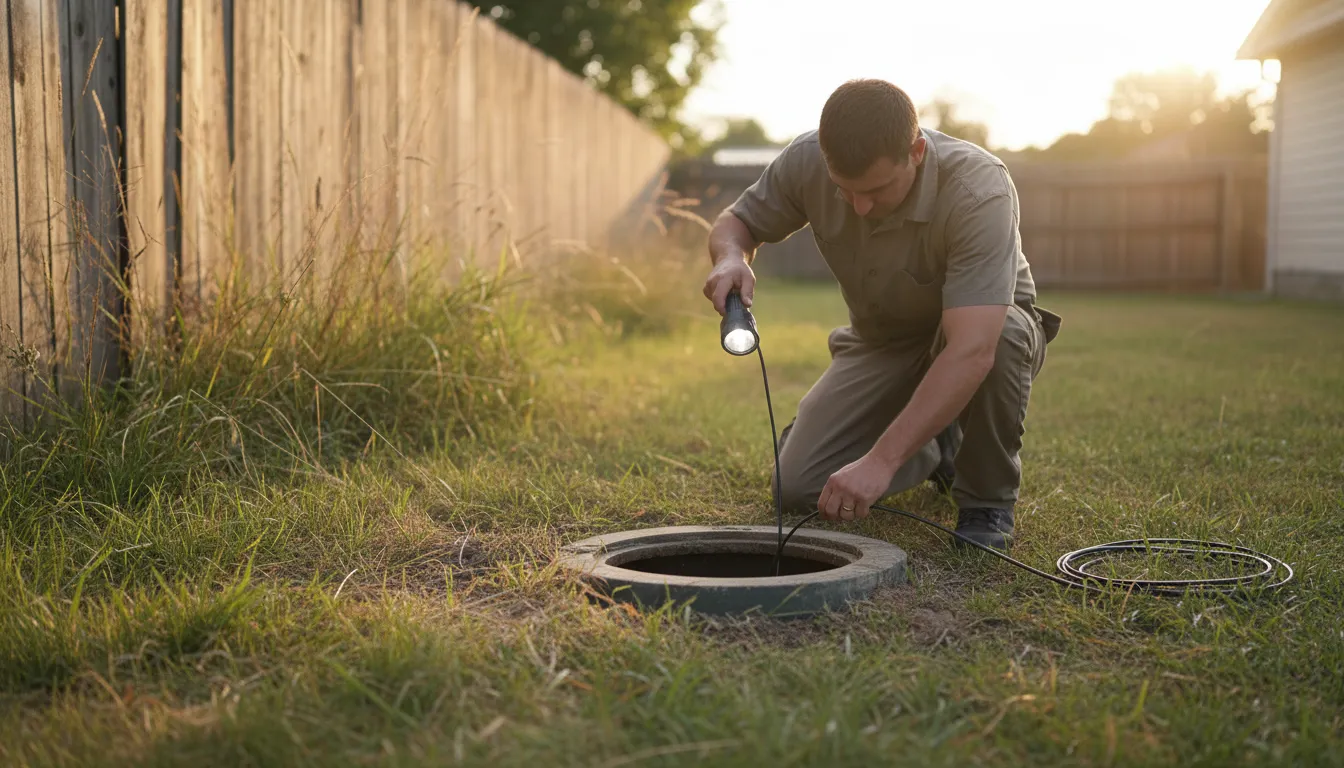
A professional septic tank inspection is a critical evaluation of your home's private wastewater treatment system. In Schaumburg, where many properties rely on these systems, regular assessments are essential for protecting your property value, ensuring public health, and complying with local regulations. This guide explains the process, local requirements, and typical costs, helping you find qualified local professionals to evaluate and maintain your septic system.
Home Inspection Star Inc.
2545 W Diversey Ave Suite 208, Chicago, IL 60647
Home Inspection Star Inc. is a property inspection firm based in Chicago, IL, offering residential and commercial inspections. They provide a range of services including septic tank inspections, sewer scope inspections, radon testing, and termite inspections. The company delivers detailed reports with photos and recommendations, helping clients understand current issues and potential future concerns. Founded in 2013, Home Inspection Star Inc. employs licensed and certified inspectors and serves clients throughout Chicago.
Suburban Plumbing Sewer Line and Drain Cleaning Experts
9100 Plainfield Rd Suite #9A, Brookfield, IL 60513
Suburban Plumbing Sewer Line and Drain Cleaning Experts is a full-service plumbing company serving Chicago, IL, and the greater Chicagoland area. They provide a wide range of services including septic tank pumping, inspections, repairs, and new system installations, as well as sewer line repairs, drain cleaning, water heater services, and flood control solutions. With over 30 years of experience, their licensed and insured technicians use advanced equipment like hydro jetting and sewer camera inspections to deliver effective plumbing solutions. The company offers 24/7 emergency plumbing services to address urgent issues promptly.
A&J Sewer Service
1055 Courtesy Dr Unit D, Wheeling, IL 60090
A&J Sewer Service is a septic tank inspection company serving Chicago, IL. They offer sewer televising to inspect sewer lines visually, helping identify blockages and pipe damage without digging. Their services include sewer line cleanouts, sump pump installation and maintenance to protect basements from flooding, and grease trap cleaning tailored for food service businesses. The company uses a combination of traditional and modern technologies to maintain and extend the life of sewer systems.
Ability Septic
801 N Raddant Rd, Batavia, IL 60510
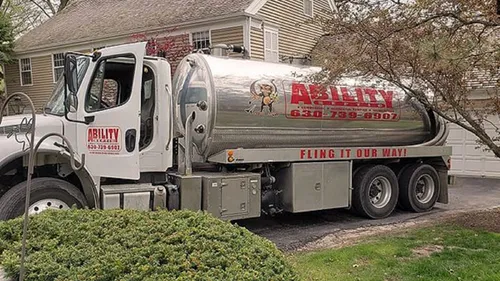
Ability Septic is a family-owned septic service provider based near Aurora, IL, serving Batavia and surrounding areas. With over 65 years of experience since 1956, they offer a full range of septic services including pumping, inspection, installation, repair, and drain field maintenance. Their team uses advanced Lenzyme bio-products for eco-friendly septic system solutions and provides 24/7 emergency services to address urgent needs promptly.
A&P Grease Trappers, Inc
801 N Raddant Rd, Batavia, IL 60510
A&P Grease Trappers, Inc is a family-owned business serving Aurora, IL, and the surrounding Chicagoland area since 2006. They specialize in grease trap cleaning, septic tank pumping, sewer cleaning, and plumbing services tailored for restaurants, commercial kitchens, and municipalities. Their licensed professionals provide customized maintenance plans and emergency services, including 24-hour response to urgent issues. The company also offers eco-friendly fryer oil recycling and buy-back programs, along with detailed documentation for health compliance. Their capabilities include advanced grease trap cleaning and RPZ testing to ensure system safety and regulatory adherence.
Understanding Septic Systems and Local Regulations
In Schaumburg, private sewage disposal systems, commonly known as septic systems, are regulated by the Cook County Department of Public Health (CCDPH) under Illinois State Code 1 2. These systems are an on-site method for treating household wastewater, and as a property owner, you are legally responsible for their proper maintenance and operation. The local authority requires that any new installation, repair, or major modification to a system must be permitted by the CCDPH 2. This regulatory framework is in place to prevent groundwater contamination and protect community health, making compliance a key part of homeownership for those not connected to municipal sewer lines.
While the code mandates regular maintenance, specific inspection frequencies can be guided by best practices and system usage. For conventional systems, it is generally recommended to have a septic system evaluation performed every one to three years. This proactive approach helps identify minor issues before they become expensive, disruptive failures. Staying ahead of maintenance is not just a good idea-it's a requirement to keep your system functioning legally and effectively within Cook County.
Why Regular Septic Inspections Are Non-Negotiable
Scheduling a routine septic tank check-up is one of the most important home maintenance tasks you can perform. A failing system can lead to sewage backing up into your home, foul odors, and contamination of your yard and local waterways. From a financial perspective, the cost of a routine inspection pales in comparison to the expense of a full system replacement, which can run into the tens of thousands of dollars.
For homeowners, a clean bill of health from a recent inspection provides peace of mind. For those looking to buy or sell a property with a septic system, a thorough inspection is often a mandatory part of the real estate transaction. It provides an unbiased assessment of the system's condition, which is crucial for negotiations and securing financing 3. Essentially, a septic inspection acts as a diagnostic tool for one of your home's most vital and expensive components.
What a Professional Septic Inspection Involves
A comprehensive septic system inspection in Illinois is a detailed process conducted by a licensed professional. It goes far beyond just looking at the tank. Here are the standard steps involved in a thorough assessment:
- Locating the System: The inspector will first locate and uncover the septic tank and, if accessible, the distribution box. Knowing the exact layout of your system is the first step to evaluating it.
- Sludge and Scum Level Assessment: Using a specialized tool called a "sludge judge," the inspector will measure the levels of accumulated solids (sludge) and floating scum inside the tank. If the sludge occupies more than one-third of the tank's liquid depth, pumping is immediately recommended to prevent solids from flowing into the drainfield 4.
- Structural and Component Check: The inspector examines the tank's integrity, checking for cracks, leaks, or corrosion. They also inspect the inlet and outlet baffles (or tees) to ensure they are intact and properly secured; damaged baffles can allow solids to escape and clog the drainfield 5.
- Liquid Level Evaluation: The inspector checks the water level inside the tank. An abnormally high level can be a key indicator of a failing drainfield, as it suggests the effluent is not percolating into the soil as designed.
- Drainfield Inspection: The inspector surveys the drainfield (or leach field) area for signs of failure. This includes looking for effluent pooling on the surface, unusually lush or green grass over the field, and soggy, saturated soil. These are all red flags that the soil is no longer absorbing wastewater.
- Detailed Reporting: Upon completion, you should receive a written report detailing the condition of each system component, any issues found, and recommendations for repairs or maintenance, such as pumping.
Find the perfect septic tank inspection companies for your needs
Get personalized recommendations and expert advice
Septic Inspection Costs in Schaumburg
The cost for a septic tank inspection in the Schaumburg area can vary based on the size of the tank, its accessibility, and the depth of the evaluation. For a standard inspection that includes the steps outlined above, homeowners can typically expect to pay between $300 and $600 6. It's important to clarify with the provider what is included in their "inspection" fee.
If the inspection reveals that pumping is needed, that is a separate service with its own cost. Septic tank pumping or cleaning in this region generally ranges from $300 to $700, depending primarily on the tank's volume (e.g., 1,000-gallon vs. 1,500-gallon) and the amount of waste to be removed 7 8. Some companies offer bundled pricing for an inspection performed at the time of pumping. For homes with more complex alternative or aerobic treatment systems, inspection costs may be higher due to the additional mechanical and electrical components that require checking, often on a semi-annual basis 8.
Choosing a Qualified Septic Inspector in Cook County
Given the technical and regulatory nature of the work, selecting the right professional is paramount. It is highly recommended to use a contractor licensed by the Illinois Department of Public Health (IDPH) for private sewage disposal work 9 10. A licensed professional will be familiar with the specific codes enforced by the Cook County Department of Public Health and can ensure the inspection meets all necessary standards.
When contacting providers, ask about their licensing, experience with local systems, and exactly what their inspection entails. Request sample reports to see the level of detail they provide. A reputable inspector will be happy to answer these questions and explain the process. Remember, the goal is to gain a clear, accurate understanding of your system's health from a trusted expert.
Maintaining Your System Between Inspections
Professional inspections are crucial, but day-to-day care extends their lifespan. Be mindful of what goes down your drains. Avoid flushing anything besides human waste and toilet paper. Never pour grease, chemicals, or medications down the drain, as they can kill the beneficial bacteria in your tank and contaminate groundwater. Conserve water to avoid hydraulically overloading the system-spread out laundry loads and fix leaky faucets promptly. Also, never drive or park vehicles over your drainfield, as the compaction can crush pipes and ruin the soil's ability to absorb effluent 11 12. By combining responsible daily use with scheduled professional evaluations, you can ensure your Schaumburg septic system operates reliably for decades.
Frequently asked questions
Sources
Footnotes
-
Illinois Septic Tank Requirements - https://www.ntotank.com/blog/illinois-septic-tank-requirements ↩
-
Septic - Cook County Department of Public Health - https://cookcountypublichealth.org/environmental-health/water-and-sewage/septic/ ↩ ↩2
-
Essential Septic Inspections: What Every Homebuyer and Seller Should Know - Septic-Masters - https://septic-masters.com/essential-septic-inspections-what-every-homebuyer-and-seller-should-know/ ↩
-
What to Expect from a Septic Inspection - https://www.wrenvironmental.com/blog/2023/may/what-to-expect-from-a-septic-inspection/ ↩
-
Septic System Inspections - InterNACHI - https://www.nachi.org/inspecting-septic-systems.htm ↩
-
Septic Tank Inspection Cost: What to Expect & What's Involved - https://atlantaseptictankpros.com/septic-tank-inspection-cost-what-to-expect-whats-involved/ ↩
-
septic-systems.pdf - Illinois Environmental Protection Agency - https://epa.illinois.gov/content/dam/soi/en/web/epa/documents/water/conservation/lake-notes/septic-systems.pdf ↩
-
State Law Requires Maintenance of Onsite Wastewater ... - https://www.medinatownship.org/wp-content/uploads/2018/04/SepticTankStatLaw.pdf ↩ ↩2
-
Private Sewage Disposal - Illinois Department of Public Health - https://dph.illinois.gov/topics-services/environmental-health-protection/private-sewage-disposal.html ↩
-
Water Pollution Control | Septic Systems | Illinois Extension | UIUC - https://extension.illinois.edu/septic-systems/water-pollution-control ↩
-
Frequent Questions on Septic Systems | US EPA - https://www.epa.gov/septic/frequent-questions-septic-systems ↩
-
Septic System Maintenance - Illinois EPA - https://epa.illinois.gov/topics/drinking-water/private-well-users/septic-system-maintenance.html ↩