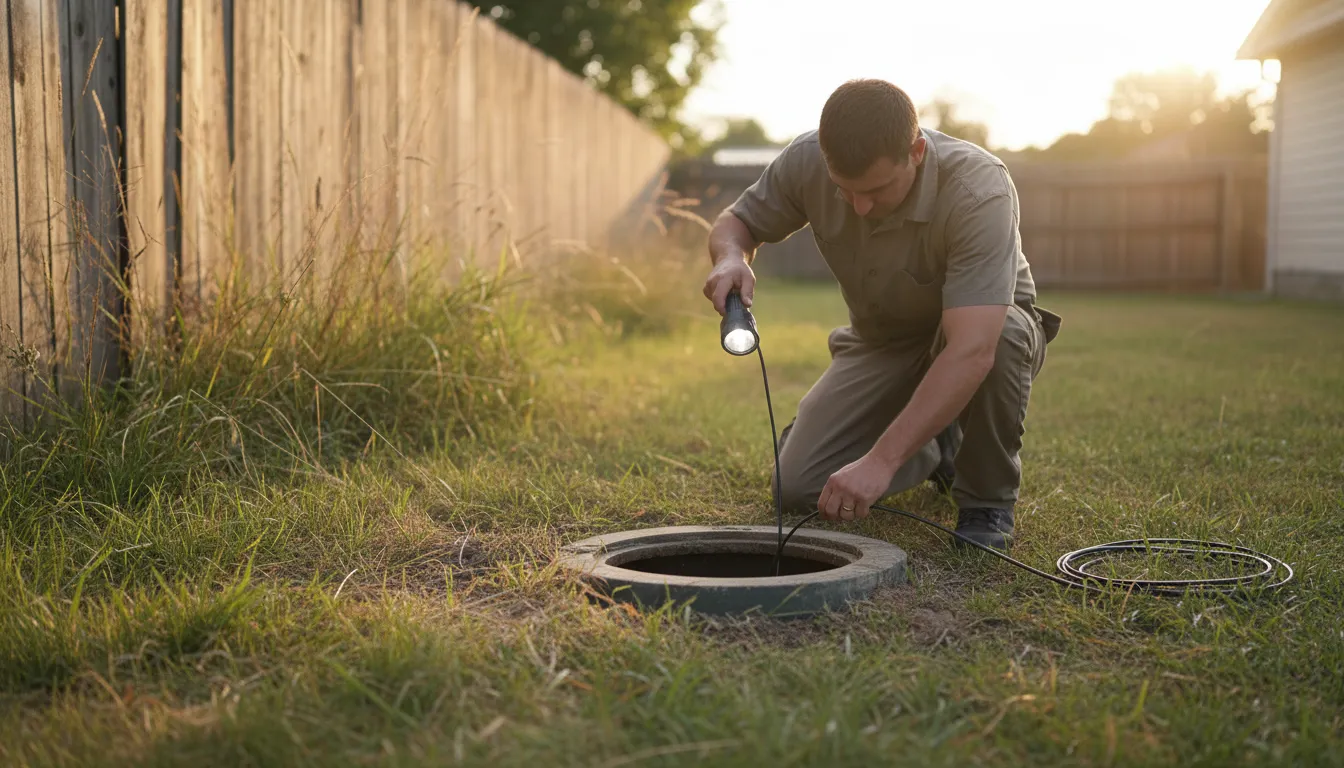
Find the Best Septic Tank Inspection Companies for Your Business
No obligation • Fast responses • Nationwide coverage

Why you can trust Septic Spot
Septic Spot is a leading United States resource for understanding and comparing septic services. Our editors review providers using consistent criteria and verify key business details. Listings and scores are independent, and companies cannot pay to influence our content.
Search providers near you
Top Septic Tank Inspection Companies in Skokie, Illinois Ranked
A septic tank inspection is a critical evaluation of your home's private wastewater treatment system, ensuring it is functioning safely and efficiently. In Skokie, where many homes rely on these on-site systems, regular assessments are not just a good idea-they are a legal requirement to protect public health and the environment. This guide will help you understand the inspection process, local regulations, and how to find qualified professionals to maintain your system's health.
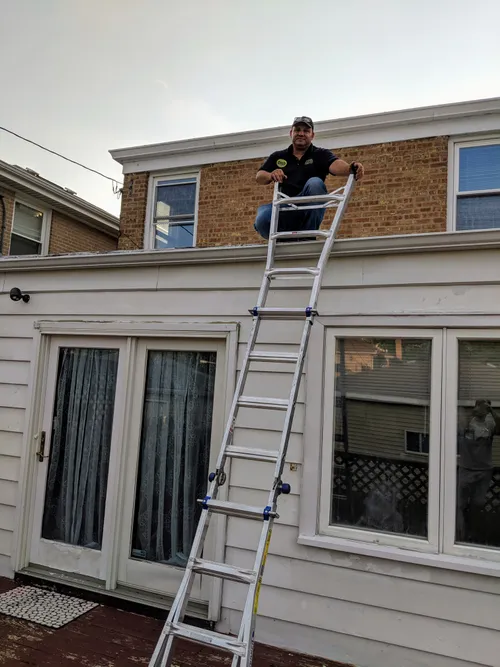
Home Inspection Star Inc.
2545 W Diversey Ave Suite 208, Chicago, IL 60647
Home Inspection Star Inc. is a property inspection firm based in Chicago, IL, offering residential and commercial inspections. They provide a range of services including septic tank inspections, sewer scope inspections, radon testing, and termite inspections. The company delivers detailed reports with photos and recommendations, helping clients understand current issues and potential future concerns. Founded in 2013, Home Inspection Star Inc. employs licensed and certified inspectors and serves clients throughout Chicago.

Suburban Plumbing Sewer Line and Drain Cleaning Experts
9100 Plainfield Rd Suite #9A, Brookfield, IL 60513
Suburban Plumbing Sewer Line and Drain Cleaning Experts is a full-service plumbing company serving Chicago, IL, and the greater Chicagoland area. They provide a wide range of services including septic tank pumping, inspections, repairs, and new system installations, as well as sewer line repairs, drain cleaning, water heater services, and flood control solutions. With over 30 years of experience, their licensed and insured technicians use advanced equipment like hydro jetting and sewer camera inspections to deliver effective plumbing solutions. The company offers 24/7 emergency plumbing services to address urgent issues promptly.
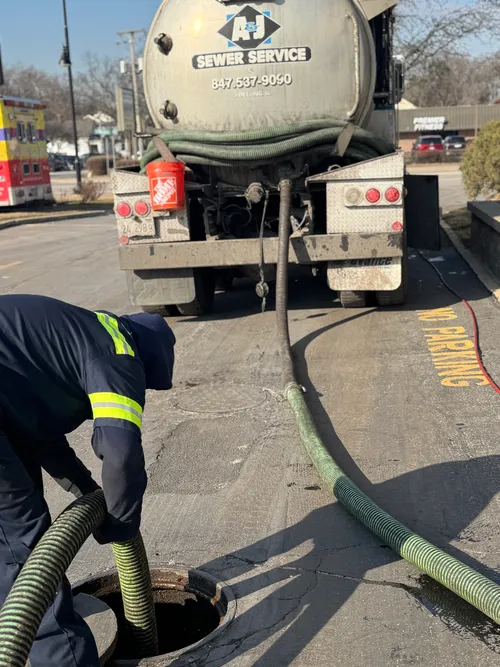
A&J Sewer Service
1055 Courtesy Dr Unit D, Wheeling, IL 60090
A&J Sewer Service is a septic tank inspection company serving Chicago, IL. They offer sewer televising to inspect sewer lines visually, helping identify blockages and pipe damage without digging. Their services include sewer line cleanouts, sump pump installation and maintenance to protect basements from flooding, and grease trap cleaning tailored for food service businesses. The company uses a combination of traditional and modern technologies to maintain and extend the life of sewer systems.
Weidner's Septic Service Inc.
Chicago, IL
Weidner's Septic Service Inc. provides septic tank pumping, inspection, repair, and pump replacement services in Chicago, IL. The company handles septic system maintenance and emergency repairs, including pump replacements, with attention to keeping job sites clean and providing helpful advice for system upkeep. Customers have noted their responsiveness and professionalism in addressing septic issues promptly.
Orion Home Inspections
82 S Milwaukee Ave #44, Wheeling, IL 60090
Orion Home Inspections is a home inspection company based in Chicago, IL, offering a wide range of property evaluation services including septic system inspections. The company serves buyers, sellers, and real estate agents by providing detailed assessments to help clients make informed decisions. With over ten years of experience, Valeri Georgiev uses advanced technology to deliver thorough inspections covering radon, mold, termites, water quality, energy efficiency, and lead-based paint, among others.
Understanding Septic Systems and Local Regulations
In areas not connected to municipal sewer lines, a septic system is responsible for treating all the wastewater from your home. The system typically consists of a septic tank, where solids settle and begin to decompose, and a drain field, where the treated liquid effluent is dispersed into the soil. Proper function is essential to prevent backups, environmental contamination, and costly repairs.
In Skokie, septic system oversight falls under the Cook County Department of Public Health (CCDPH) 1. Illinois state code mandates that private sewage disposal systems be maintained in compliance with specific rules, primarily the Illinois Administrative Code Title 77, Part 905 2. For homeowners, this means obtaining permits for any new installation or major modification and adhering to a schedule for mandatory septic tank evaluations. While state law requires an inspection at least once every five years, local conditions and system age often make a more frequent schedule of every 1-3 years advisable.
What a Professional Septic Inspection Involves
A thorough septic system evaluation is a multi-step process conducted by a licensed professional. It goes far beyond just checking if water is draining; it's a detailed assessment of the entire system's integrity and function. Here is a breakdown of the standard inspection steps:
Locating and Accessing the System: The inspector will first locate the tank and distribution box, which may require probing if the lids are buried. They will then safely excavate and open the access covers.
Assessing Tank Contents and Sludge Levels: Using a specialized tool called a "sludge judge," the inspector measures the depth of the sludge layer at the bottom of the tank and the scum layer at the top. A key rule of thumb is that the combined sludge and scum should not fill more than one-third of the tank's liquid depth; if it does, pumping is immediately necessary.
Inspecting Tank Structure and Components: The inspector checks the tank itself for cracks, leaks, or signs of structural failure. They pay close attention to the inlet and outlet baffles (or tees), ensuring they are intact and securely attached. Damaged baffles can allow solids to escape into the drain field, causing premature failure 3 4.
Evaluating the Drain Field and Distribution Box: The inspector will examine the distribution box (d-box) to confirm that effluent is flowing evenly to all sections of the leach field. They will also look for signs of drain field failure, such as soggy ground, foul odors, or unusually lush grass over the field area, which indicate the soil is no longer properly absorbing wastewater 5.
Final Assessment and Reporting: After completing the evaluation, a professional inspector will provide a detailed report outlining the system's condition, any issues found, and recommended actions, such as immediate pumping or repairs.
Costs Associated with Septic Inspections and Pumping
Understanding the potential costs helps homeowners budget for this essential maintenance. In the Skokie area, prices can vary based on tank size, accessibility, and the scope of the inspection.
- Septic Inspection Cost: A standard inspection typically ranges from $200 to $600 6. The final price depends on factors like whether the tank lids need to be located and dug up, if a camera scope is used to inspect the drain field lines, and the overall complexity of the system.
- Septic Tank Pumping Cost: If the inspection reveals the tank needs to be pumped, that service generally costs between $300 and $600 or more 7 8. The price is influenced by tank capacity (measured in gallons) and how easily the pumper truck can access the site.
- Additional Potential Costs: Be aware that specialized services incur extra fees. This includes extensive excavation to uncover buried components, repairs to baffles or pipes, or a more comprehensive assessment required for a real estate transaction 9.
Find the perfect septic tank inspection companies for your needs
Get personalized recommendations and expert advice
Maintaining Your Septic System Between Inspections
Professional inspections are crucial, but day-to-day homeowner habits directly impact your system's longevity. Proper maintenance can prevent emergencies and extend the life of your drain field by decades.
Mind What Goes Down the Drain: Your septic system contains living bacteria that break down waste. Avoid flushing or draining chemicals, paints, grease, coffee grounds, diapers, wipes (even "flushable" ones), and other non-biodegradable materials, as they can kill the essential bacteria or clog the system.
Conserve Water and Spread Out Usage: Sudden large volumes of water can overwhelm the tank, pushing solids into the drain field. Fix leaky faucets and toilets promptly, use high-efficiency fixtures, and try to space out laundry loads and other high-water activities throughout the week.
Protect Your Drain Field: Never park vehicles or build structures over your leach field. Keep roof drains, sump pumps, and other surface water runoff directed away from the area. Planting trees or shrubs with deep roots near the field can also lead to pipe damage from root intrusion 10.
Keep Detailed Records: Maintain a file with your system's design diagram (as-built), records of every inspection, pumping receipt, and any repair work. This history is invaluable for troubleshooting problems and is often required during a home sale 11.
The Importance of Inspections for Real Estate Transactions
A septic system evaluation is a standard and highly recommended part of buying or selling a home in Skokie that is not on municipal sewer. For buyers, it provides essential due diligence, revealing potential issues that could lead to a $10,000+ drain field replacement. The inspection report can be used to negotiate repairs or a price adjustment with the seller.
For sellers, conducting a pre-listing inspection is a strategic move. It demonstrates transparency, can prevent surprises and delays during the buyer's inspection period, and provides documentation that can make the home more attractive to potential buyers. Given the significant financial implications, never skip this step in the real estate process.
Finding a Qualified Septic Inspector in Skokie
When choosing a professional for your septic tank assessment, ensure they are licensed and experienced. In Illinois, septic contractors and inspectors must be licensed by the Illinois Department of Public Health (IDPH) 12. Look for providers with strong local knowledge of Cook County and Skokie regulations. Ask for references, verify their license, and ensure they carry proper insurance. A reputable inspector will be happy to explain their process and provide a clear, detailed report of their findings.
Frequently asked questions
Sources
Footnotes
-
Septic - Cook County Department of Public Health - https://cookcountypublichealth.org/environmental-health/water-and-sewage/septic/ ↩
-
State Law Requires Maintenance of Onsite Wastewater ... - https://www.medinatownship.org/wp-content/uploads/2018/04/SepticTankStatLaw.pdf ↩
-
Illinois Septic Tank Requirements - https://www.ntotank.com/blog/illinois-septic-tank-requirements ↩
-
Preparing for Septic Tank Inspection: 7 Key Steps | Septic System Professionals - https://septic911.com/preparing-for-septic-tank-inspection/ ↩
-
Septic System Inspections - InterNACHI - https://www.nachi.org/inspecting-septic-systems.htm ↩
-
What Is the Role of Septic Tank Inspection in Real Estate - https://www.houzeo.com/blog/septic-tank-inspection/ ↩
-
Frequent Questions on Septic Systems | US EPA - https://www.epa.gov/septic/frequent-questions-septic-systems ↩
-
A Complete Guide to Septic System Inspections | GAI Inc - https://www.guardianangelinspections.com/complete-guide-septic-system-inspection ↩
-
Septic Inspection Process Septic 911: A Comprehensive Guide - https://septic911.com/septic-inspection-process-septic-911/ ↩
-
Septic System Maintenance - Illinois EPA - https://epa.illinois.gov/topics/drinking-water/private-well-users/septic-system-maintenance.html ↩
-
septic-systems.pdf - Illinois Environmental Protection Agency - https://epa.illinois.gov/content/dam/soi/en/web/epa/documents/water/conservation/lake-notes/septic-systems.pdf ↩
-
Illinois Septic License & Certification | 2024 Contractor Guide - https://www.servicetitan.com/licensing/septic/illinois ↩