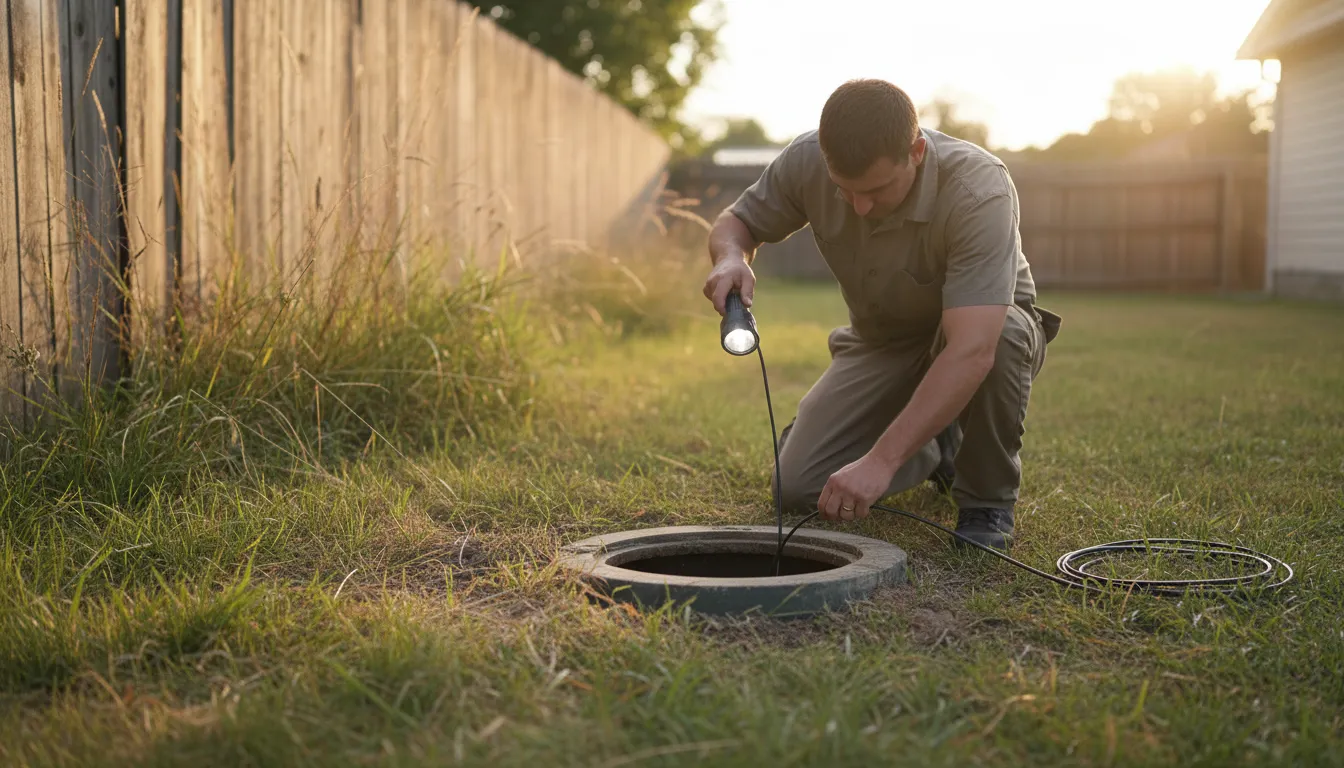
Find the Best Septic Tank Inspection Companies for Your Business
No obligation • Fast responses • Nationwide coverage

Why you can trust Septic Spot
Septic Spot is a leading United States resource for understanding and comparing septic services. Our editors review providers using consistent criteria and verify key business details. Listings and scores are independent, and companies cannot pay to influence our content.
Search providers near you
Top Septic Tank Inspection Companies in Tinley Park, Illinois Ranked
A septic system inspection is a critical evaluation of your home's private wastewater treatment system, ensuring it is functioning safely and efficiently. In Tinley Park, these evaluations are often required during real estate transactions or major renovations and are vital for protecting your property value and the local environment. This guide will help you understand the inspection process, local requirements, and how to find qualified professionals to assess your system.
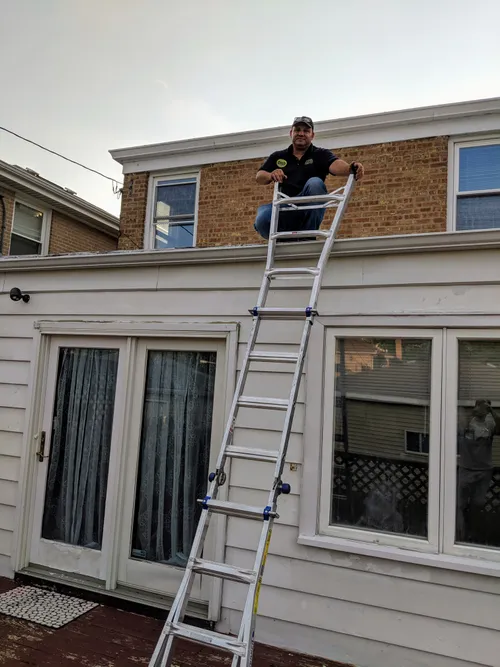
Home Inspection Star Inc.
2545 W Diversey Ave Suite 208, Chicago, IL 60647
Home Inspection Star Inc. is a property inspection firm based in Chicago, IL, offering residential and commercial inspections. They provide a range of services including septic tank inspections, sewer scope inspections, radon testing, and termite inspections. The company delivers detailed reports with photos and recommendations, helping clients understand current issues and potential future concerns. Founded in 2013, Home Inspection Star Inc. employs licensed and certified inspectors and serves clients throughout Chicago.
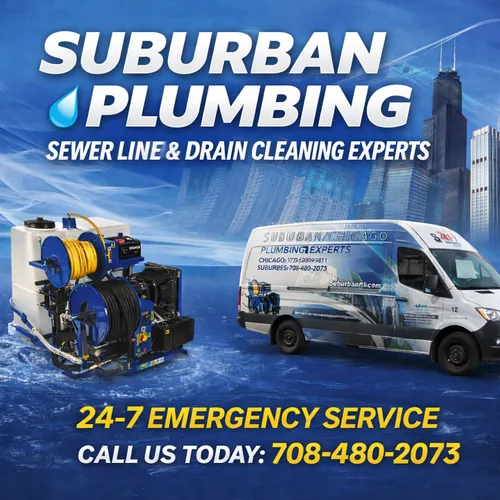
Suburban Plumbing Sewer Line and Drain Cleaning Experts
9100 Plainfield Rd Suite #9A, Brookfield, IL 60513
Suburban Plumbing Sewer Line and Drain Cleaning Experts is a full-service plumbing company serving Chicago, IL, and the greater Chicagoland area. They provide a wide range of services including septic tank pumping, inspections, repairs, and new system installations, as well as sewer line repairs, drain cleaning, water heater services, and flood control solutions. With over 30 years of experience, their licensed and insured technicians use advanced equipment like hydro jetting and sewer camera inspections to deliver effective plumbing solutions. The company offers 24/7 emergency plumbing services to address urgent issues promptly.
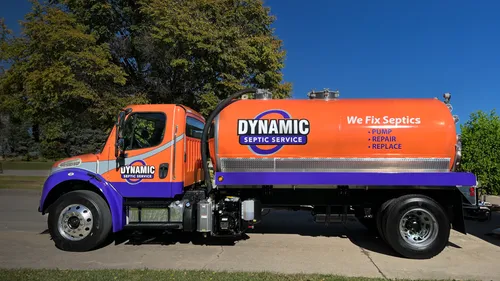
Dynamic Septic Service
18600 Rte 59, Shorewood, IL 60404
Dynamic Septic Service is a locally owned company based in Shorewood, Illinois, providing septic pumping, inspection, repair, and installation services in Chicago, IL, and surrounding counties including Will, DuPage, Cook, Kendall, Grundy, and Kankakee. With over 30 years of hands-on experience, they specialize in diagnosing septic system issues and offering clear options for repair or replacement. Their expertise includes routine pumping and complex system repairs, ensuring long-term functionality of septic systems.

AmeriSpec Inspection Services
430 E 162nd St, South Holland, IL 60473
AmeriSpec Inspection Services is a septic tank inspection company based in Chicago, IL. They offer comprehensive home and specialty inspections, including septic tank evaluations, performed by a network of over 400 trained inspectors. With more than 35 years of experience and a national presence, AmeriSpec has completed over 2 million inspections across the country. Their inspectors receive extensive classroom and hands-on training to ensure thorough and accurate assessments.
Sewer Express
Joliet, IL
Sewer Express is a septic tank pumping, inspection, and repair company serving Joliet, IL, and nearby communities. With over 38 years of experience, they provide residential plumbing solutions including hydro jetting to clear persistent clogs and sewer line repairs using advanced diagnostic tools like camera inspections. Their own jetter truck allows for efficient and effective service delivery. Sewer Express focuses on routine septic system maintenance to prevent backups and system failures, helping homeowners maintain proper sanitation and protect groundwater quality.
Why Septic Inspections Matter in Tinley Park
For homes not connected to Tinley Park's municipal sewer lines, the septic system is an essential, on-site wastewater treatment plant. A thorough septic system evaluation is not just a formality; it's a crucial step in home maintenance and real estate due diligence. In Cook County, failing systems can pose serious health risks through groundwater contamination and can lead to costly property damage and legal issues. Regular assessments help identify problems like sludge buildup, component failures, or drain field issues before they become emergencies, saving homeowners significant money and stress 1.
Local Regulations and Requirements
Septic inspections in Tinley Park are overseen by the Cook County Department of Public Health (CCDPH). Understanding their requirements is the first step for any homeowner.
- When Inspections Are Required: A formal septic system inspection is typically mandated during a property sale, when applying for a building permit for a major renovation, or when adding a bedroom to a home. Even if not required, a voluntary inspection is a wise investment for routine maintenance.
- Permit Process: The CCDPH requires a 2-3 week notice for official evaluation requests. Before an inspection, property owners should check for existing permits on file with the county, as these documents can provide valuable information about the tank's size, location, and installation date.
- Who Can Inspect: Evaluations must be performed by a licensed private sewage installation contractor or a licensed environmental health practitioner 2. Hiring a qualified professional ensures the inspection meets county standards and provides a reliable report for real estate or permitting purposes.
The Septic Inspection Process: What to Expect
A comprehensive septic tank assessment involves several key steps designed to evaluate every component of the system. Here's what a licensed inspector will typically do:
- Site Evaluation & History Review: The inspector will first locate the tank and distribution box, often using probe rods. They will also ask for the date of the last pumping and review any available property history to understand the system's age and past performance.
- Tank Access and Sludge Level Check: After excavating to access the tank lids, the inspector will measure the sludge and scum layers using a tool called a "sludge judge." A key rule of thumb is that sludge should occupy less than one-third of the tank's total liquid depth to function properly.
- Component Assessment: The inlet and outlet baffles (or tees) inside the tank are inspected to ensure they are intact and securely connected. Damaged baffles can allow solids to escape into the drain field, causing premature failure.
- Drain Field and Distribution Box Inspection: The inspector will examine the drain field (leach field) for any signs of surfacing wastewater, soggy ground, or unusually lush vegetation, which indicate overloading and failure. The distribution box (D-box) will be checked to ensure all drain lines are receiving an equal flow of effluent 3 4.
- Full System Function Test: In some cases, especially for real estate, a "load test" may be performed. This involves running a significant amount of water through the household plumbing to see how well the system absorbs and disperses the flow, testing the hydraulic capacity of the drain field.
Find the perfect septic tank inspection companies for your needs
Get personalized recommendations and expert advice
Understanding Inspection and Maintenance Costs
The cost of a septic inspection in Tinley Park can vary based on the type of evaluation and the system's complexity.
- Standard Maintenance Inspection: A basic check of sludge levels and visible components typically ranges from $100 to $300.
- Detailed Real Estate Inspection: A full evaluation for a property transfer, which may include digging to locate components, a comprehensive drain field assessment, and a detailed report, can range from $200 to over $9005 6 7. The higher end often applies to older systems or those with difficult access.
- Related Service: Pumping: If the inspection reveals the tank is more than one-third full of sludge, pumping will be recommended. In the Tinley Park area, septic tank pumping generally costs between $290 and $5608. Pumping is a separate service but is frequently performed in conjunction with an inspection.
Recommended Inspection and Pumping Frequency
Even without a real estate transaction, proactive maintenance is key. The CCDPH and industry experts recommend having your septic system inspected every 1 to 3 years9. Pumping frequency depends on household size and tank capacity but is generally needed every 3 to 5 years to prevent sludge buildup from damaging the drain field 9. Keeping a record of all inspections and pumpings is invaluable for both maintenance planning and future home sales.
Choosing a Qualified Septic Inspector in Tinley Park
Selecting the right professional is crucial. Look for a contractor who is licensed by the State of Illinois and familiar with Cook County's specific codes. They should provide a clear scope of work for the inspection and be willing to walk you through their findings. A reputable inspector will provide a written report detailing the condition of each system component, any deficiencies found, and recommended actions. Always verify licensing and ask for references or proof of insurance before proceeding.
Disclaimer: For the most current and specific regulatory requirements, always contact the Cook County Department of Public Health directly.
Frequently asked questions
Sources
Footnotes
-
Septic - Cook County Department of Public Health - https://cookcountypublichealth.org/environmental-health/water-and-sewage/septic/ ↩
-
Buying and Selling Homes | Septic Systems - Illinois Extension - https://extension.illinois.edu/septic-systems/buying-and-selling-homes ↩
-
Septic System Inspections - InterNACHI - https://www.nachi.org/inspecting-septic-systems.htm ↩
-
Septic Inspection Process Septic 911: A Comprehensive Guide - https://septic911.com/septic-inspection-process-septic-911/ ↩
-
How Much Does a Septic Inspection Cost? [2026 Data] - Angi - https://www.angi.com/articles/septic-inspection-cost.htm ↩
-
How Much Does a Septic System Inspection Cost? [2025 Data] - https://www.homeadvisor.com/cost/plumbing/septic-inspection-cost/ ↩
-
Exploring the Costs of Septic Tank Inspections: What to Expect - https://www.theflushfellas.com/exploring-the-costs-of-septic-tank-inspections-what-to-expect ↩
-
How Much Does Septic Tank Pumping Cost? - The Spruce - https://www.thespruce.com/septic-tank-cleaning-cost-7561193 ↩
-
Septic Tank Inspection Cost Guide | What to Expect & Save | Blog - https://www.blueribbonseptic.com/blog/septic-tank-inspection-costs-are-you-paying-too-much ↩ ↩2