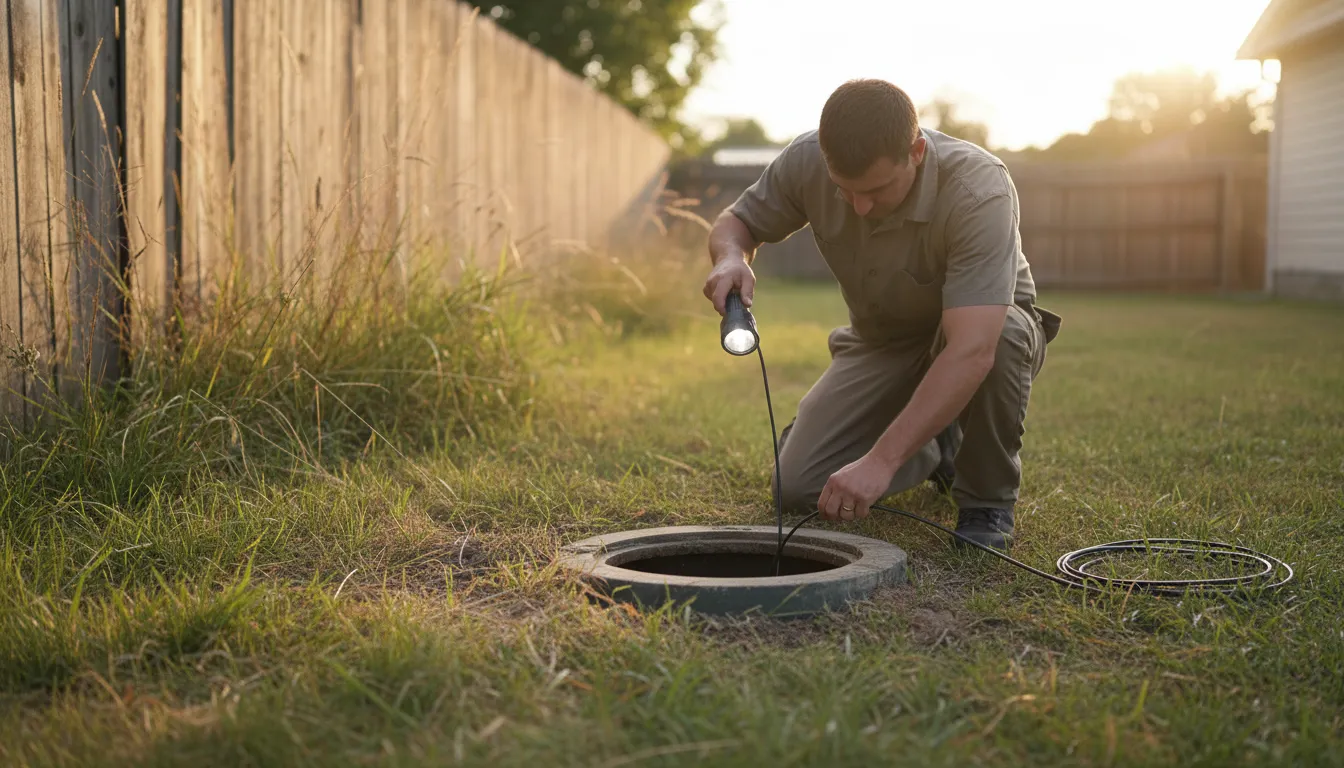
Find the Best Septic Tank Inspection Companies for Your Business
No obligation • Fast responses • Nationwide coverage

Why you can trust Septic Spot
Septic Spot is a leading United States resource for understanding and comparing septic services. Our editors review providers using consistent criteria and verify key business details. Listings and scores are independent, and companies cannot pay to influence our content.
Search providers near you
Top Septic Tank Inspection Companies in Waukegan, Illinois Ranked
A septic tank inspection is a critical evaluation of your home's private wastewater treatment system to ensure it is functioning safely and efficiently. In Waukegan, these evaluations are often required by the Lake County Health Department (LCHD) during property sales or new construction to protect public health and the environment. This guide will help you understand the local requirements, what the inspection process entails, and how to find qualified professionals to assess your system.
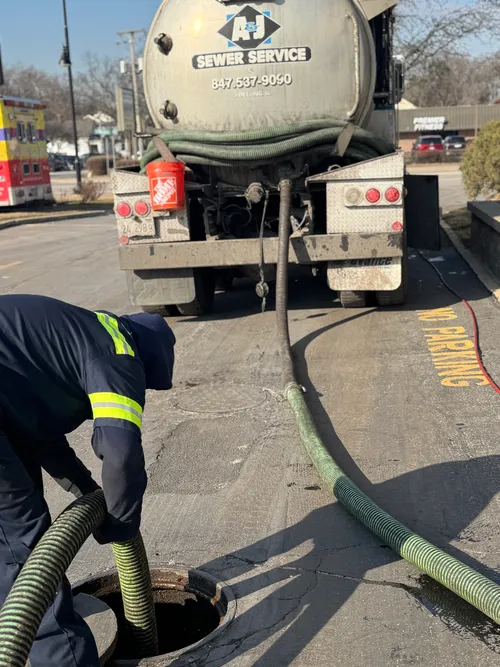
A&J Sewer Service
1055 Courtesy Dr Unit D, Wheeling, IL 60090
A&J Sewer Service is a septic tank inspection company serving Chicago, IL. They offer sewer televising to inspect sewer lines visually, helping identify blockages and pipe damage without digging. Their services include sewer line cleanouts, sump pump installation and maintenance to protect basements from flooding, and grease trap cleaning tailored for food service businesses. The company uses a combination of traditional and modern technologies to maintain and extend the life of sewer systems.
Weidner's Septic Service Inc.
Chicago, IL
Weidner's Septic Service Inc. provides septic tank pumping, inspection, repair, and pump replacement services in Chicago, IL. The company handles septic system maintenance and emergency repairs, including pump replacements, with attention to keeping job sites clean and providing helpful advice for system upkeep. Customers have noted their responsiveness and professionalism in addressing septic issues promptly.
Orion Home Inspections
82 S Milwaukee Ave #44, Wheeling, IL 60090
Orion Home Inspections is a home inspection company based in Chicago, IL, offering a wide range of property evaluation services including septic system inspections. The company serves buyers, sellers, and real estate agents by providing detailed assessments to help clients make informed decisions. With over ten years of experience, Valeri Georgiev uses advanced technology to deliver thorough inspections covering radon, mold, termites, water quality, energy efficiency, and lead-based paint, among others.
Why Septic System Inspections Are Essential in Waukegan
For homes not connected to municipal sewer lines, a properly functioning septic system is non-negotiable. A failing system can lead to sewage backups in your home, contamination of groundwater-which can affect local wells-and the surfacing of untreated wastewater in your yard, creating health hazards 1. In Lake County, the LCHD specifically requires an on-site evaluation of private sewage disposal systems during property transfers to confirm no such failures exist 1. Proactive septic assessments are not just about compliance; they are a key part of responsible homeownership, helping you avoid costly emergency repairs and environmental damage.
Local Regulations: What Waukegan Homeowners Need to Know
Septic system oversight in Waukegan falls under the jurisdiction of the Lake County Health Department. Understanding their rules is the first step.
- Mandatory Inspections: The LCHD mandates evaluations for new construction and during most property sales 2. This "point-of-sale" inspection is crucial for both buyers and sellers to identify any system failures that must be addressed.
- Permits Required: Any installation, repair, or significant modification of a septic system requires a permit from the LCHD. These permits are typically valid for 120 days.
- Licensed Professionals Only: Illinois law requires that septic system installation, pumping, and major repairs be performed by licensed contractors 3. This ensures work is done to state and county health codes.
The Step-by-Step Septic Inspection Process
A thorough septic system evaluation, often performed by a licensed inspector, follows a detailed process. Here's what you can expect during a standard assessment of your wastewater treatment system.
1. Locating and Uncovering System Components
The inspector will first locate all critical parts of your system: the septic tank, the distribution box, and the drain field (or seepage field). They will then uncover the tank's access ports, which may require digging.
2. Inspecting Tank Structure and Integrity
With the tank opened, the inspector checks for structural issues like cracks, leaks, or corrosion (in steel tanks). They also verify that the inlet and outlet baffles-which keep solids from escaping into the drain field-are intact and functioning.
3. Measuring Scum and Sludge Levels
This is a key quantitative measure. Inspectors use specialized tools to measure the depth of the scum layer (floating solids) and the sludge layer (settled solids) at the bottom of the tank. A general rule is that pumping is needed if the sludge fills more than one-third of the tank's volume 4 5. These measurements determine if immediate pumping is required.
4. Evaluating the Drain Field
The inspector will examine the drain field area for telltale signs of failure. This includes looking for soggy or saturated soil, unusually bright green and lush grass over the field, and any foul odors-all indicators that the system is not properly absorbing and treating effluent 6.
5. System Functionality Test
Finally, the inspector will typically run water through the household plumbing to check for proper flow and to ensure there are no backups into the home. This confirms that wastewater is moving from the house, through the tank, and into the drain field as designed.
Find the perfect septic tank inspection companies for your needs
Get personalized recommendations and expert advice
Understanding Inspection Costs and Related Services
The cost of a septic evaluation in Waukegan can vary based on the inspector and the complexity of your system. It's important to understand what fees cover.
- Professional Inspection Fee: A comprehensive inspection by a licensed contractor typically ranges from $300 to $600 or more 7 8. This fee generally covers the visual and operational assessment described above.
- LCHD Evaluation Fee: The Lake County Health Department charges a separate fee for their official well and septic evaluation services, which are often required for legal compliance.
- Pumping Costs: It's crucial to note that a standard inspection often does not include pumping the tank. If the inspector finds high sludge levels, you will need to hire a licensed pumper separately. Pumping fees also commonly range from $300 to $600+ and are recommended every 2-3 years as part of routine maintenance 9 10.
- The Key Distinction: Always clarify with your service provider what is included. The LCHD's administrative evaluation is different from the hands-on inspection and pumping performed by a licensed contractor; you will likely need both for a complete property transfer.
Maintaining Your System Between Inspections
Regular inspections are part of a larger maintenance routine. To extend the life of your septic system and avoid failures:
- Pump Regularly: Schedule pumping every 2-3 years, or as recommended by your inspector based on sludge measurements.
- Conserve Water: Reduce strain on the system by fixing leaks and using water-efficient fixtures.
- Mind What You Flush: Never flush chemicals, grease, diapers, wipes (even "flushable" ones), or other non-biodegradable items 11.
- Protect the Drain Field: Never drive or park vehicles over it, and keep roof drains and other surface water away from the area.
Finding Qualified Inspection Services in Waukegan
When searching for a septic system evaluator, always verify their license with the state of Illinois and confirm they have experience with Lake County's specific regulations. Look for professionals who offer comprehensive reports and can clearly explain their findings. A good inspector will be your partner in maintaining one of your property's most vital systems.
Frequently asked questions
Sources
Footnotes
-
Well & Septic Evaluations - Lake County, Illinois - https://www.lakecountyil.gov/2474/Well-Septic-Evaluations ↩ ↩2
-
Septic System Construction Inspection | Lake County, IL - https://www.lakecountyil.gov/2447/Septic-System-Construction-Inspection ↩
-
Private Sewage Disposal - Illinois Department of Public Health - https://dph.illinois.gov/topics-services/environmental-health-protection/private-sewage-disposal.html ↩
-
Septic System Inspections - InterNACHI® - https://www.nachi.org/inspecting-septic-systems.htm ↩
-
DIY Septic Tank Inspections - Flohawks - https://flohawks.com/diy-septic-tank-inspections-a-step-by-step-guide/ ↩
-
Preparing for Septic Tank Inspection: 7 Key Steps - https://septic911.com/preparing-for-septic-tank-inspection/ ↩
-
Well & Septic - https://health.dekalbcounty.org/services/well-septic/ ↩
-
What to Expect from a Septic Inspection - https://www.wrenvironmental.com/blog/2023/may/what-to-expect-from-a-septic-inspection/ ↩
-
Septic System Maintenance - Illinois EPA - https://epa.illinois.gov/topics/drinking-water/private-well-users/septic-system-maintenance.html ↩
-
Septic System Inspections: A Step-by-Step How-To Guide - https://westcoastsanitationinc.com/septic-inspection-service/ ↩
-
septic-systems.pdf - Illinois Environmental Protection Agency - https://epa.illinois.gov/content/dam/soi/en/web/epa/documents/water/conservation/lake-notes/septic-systems.pdf ↩