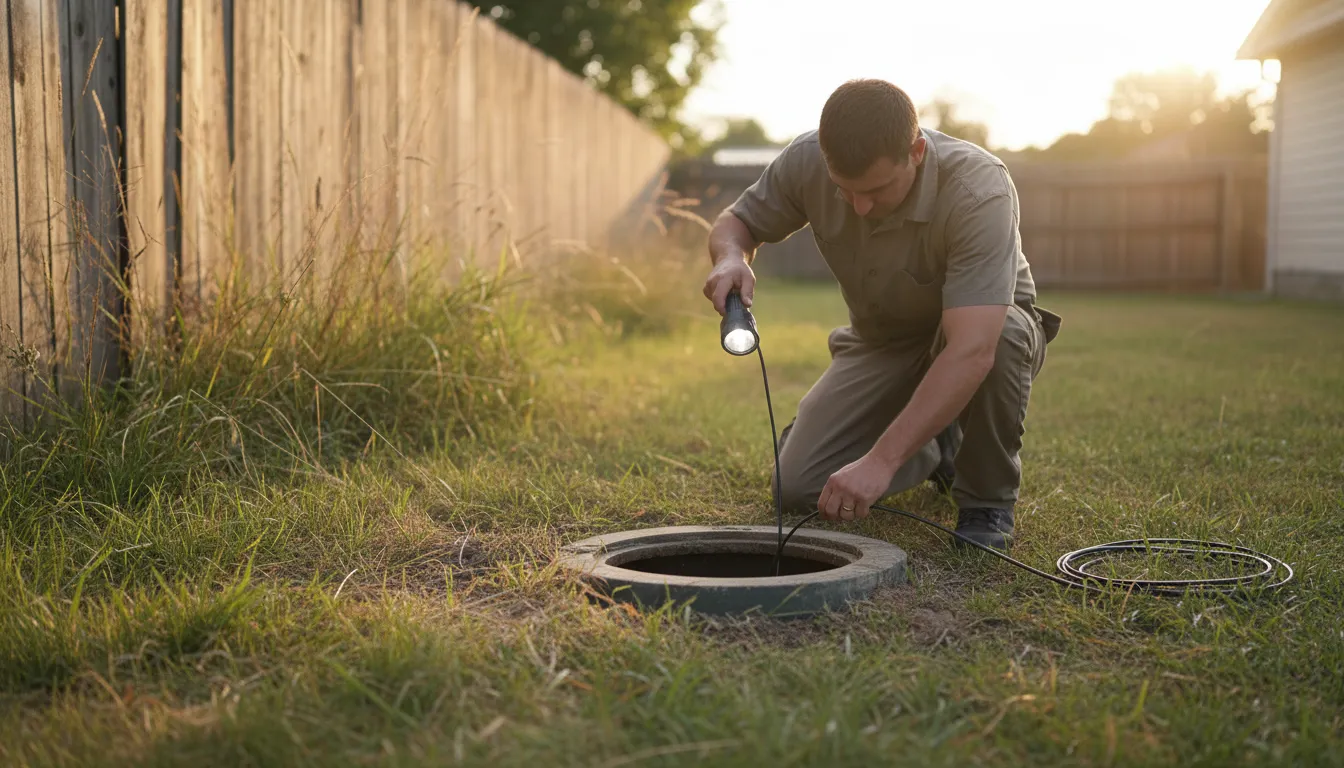
Find the Best Septic Tank Inspection Companies for Your Business
No obligation • Fast responses • Nationwide coverage

Why you can trust Septic Spot
Septic Spot is a leading United States resource for understanding and comparing septic services. Our editors review providers using consistent criteria and verify key business details. Listings and scores are independent, and companies cannot pay to influence our content.
Search providers near you
Top Septic Tank Inspection Companies in Wheaton, Illinois Ranked
A septic system inspection is a critical evaluation of your home's on-site wastewater treatment system. For Wheaton homeowners, these assessments are essential for protecting your property value, ensuring environmental safety, and complying with local health regulations. This guide explains what a septic inspection entails, why it's necessary, and how you can find qualified local professionals to perform this vital service.
Home Inspection Star Inc.
2545 W Diversey Ave Suite 208, Chicago, IL 60647
Home Inspection Star Inc. is a property inspection firm based in Chicago, IL, offering residential and commercial inspections. They provide a range of services including septic tank inspections, sewer scope inspections, radon testing, and termite inspections. The company delivers detailed reports with photos and recommendations, helping clients understand current issues and potential future concerns. Founded in 2013, Home Inspection Star Inc. employs licensed and certified inspectors and serves clients throughout Chicago.
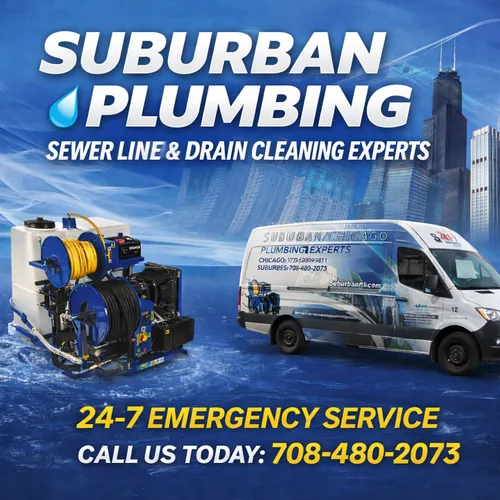
Suburban Plumbing Sewer Line and Drain Cleaning Experts
9100 Plainfield Rd Suite #9A, Brookfield, IL 60513
Suburban Plumbing Sewer Line and Drain Cleaning Experts is a full-service plumbing company serving Chicago, IL, and the greater Chicagoland area. They provide a wide range of services including septic tank pumping, inspections, repairs, and new system installations, as well as sewer line repairs, drain cleaning, water heater services, and flood control solutions. With over 30 years of experience, their licensed and insured technicians use advanced equipment like hydro jetting and sewer camera inspections to deliver effective plumbing solutions. The company offers 24/7 emergency plumbing services to address urgent issues promptly.
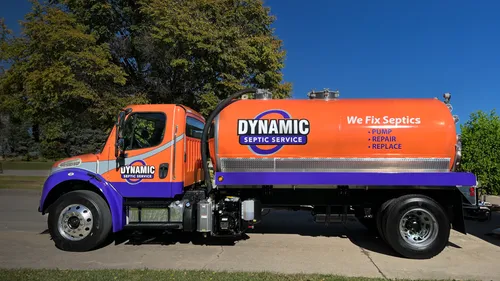
Dynamic Septic Service
18600 Rte 59, Shorewood, IL 60404
Dynamic Septic Service is a locally owned company based in Shorewood, Illinois, providing septic pumping, inspection, repair, and installation services in Chicago, IL, and surrounding counties including Will, DuPage, Cook, Kendall, Grundy, and Kankakee. With over 30 years of hands-on experience, they specialize in diagnosing septic system issues and offering clear options for repair or replacement. Their expertise includes routine pumping and complex system repairs, ensuring long-term functionality of septic systems.
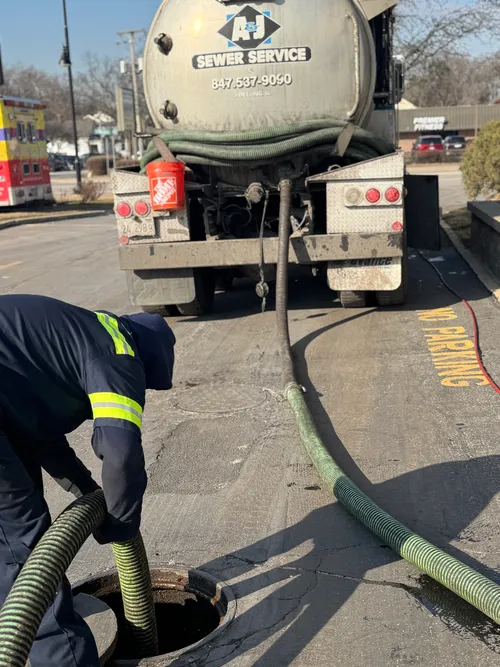
A&J Sewer Service
1055 Courtesy Dr Unit D, Wheeling, IL 60090
A&J Sewer Service is a septic tank inspection company serving Chicago, IL. They offer sewer televising to inspect sewer lines visually, helping identify blockages and pipe damage without digging. Their services include sewer line cleanouts, sump pump installation and maintenance to protect basements from flooding, and grease trap cleaning tailored for food service businesses. The company uses a combination of traditional and modern technologies to maintain and extend the life of sewer systems.
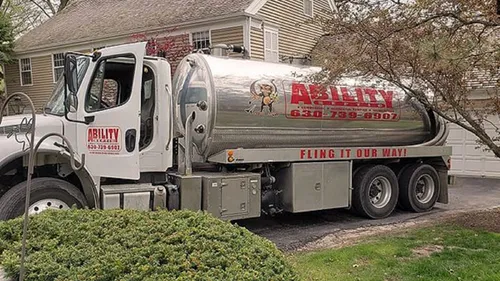
Ability Septic
801 N Raddant Rd, Batavia, IL 60510
Ability Septic is a family-owned septic service provider based near Aurora, IL, serving Batavia and surrounding areas. With over 65 years of experience since 1956, they offer a full range of septic services including pumping, inspection, installation, repair, and drain field maintenance. Their team uses advanced Lenzyme bio-products for eco-friendly septic system solutions and provides 24/7 emergency services to address urgent needs promptly.
Why Septic System Inspections Are Crucial in Wheaton
In DuPage County, where Wheaton is located, septic systems are a common solution for homes not connected to municipal sewer lines. The DuPage County Health Department regulates these systems, requiring routine inspections every 1 to 3 years. A thorough septic evaluation helps prevent costly system failures, protects local groundwater from contamination, and is often a mandatory step during real estate transactions. By proactively scheduling a septic tank check, you safeguard your home's infrastructure and fulfill your responsibility as a homeowner.
What a Professional Septic Inspection Involves
A comprehensive septic system assessment, typically performed by a licensed professional, goes beyond a simple look at the tank. Here's what you can expect during a standard inspection in Wheaton:
- System Location & Access: The inspector will first locate the septic tank and drainfield. If the tank lids are buried, they may need to excavate to access them, which can affect the overall cost 1.
- Sludge and Scum Level Evaluation: Using a specialized tool called a "sludge judge," the inspector measures the accumulation of solids at the bottom of the tank. If sludge or scum occupies more than one-third of the tank's capacity, pumping is immediately recommended to prevent clogs and system failure.
- Structural Integrity Check: The inspector examines the tank for cracks, checks the integrity of inlet and outlet baffles (which are crucial for proper flow), and looks for any signs of leakage 2.
- Hydraulic Function Test: By running water through household fixtures, the inspector ensures wastewater flows properly into the tank and out to the drainfield. They check for backups, surfacing effluent, or an unusually high liquid level in the tank, which are signs of a failing drainfield.
- Drainfield Observation: While a full drainfield inspection might require additional testing, a visual check for soggy ground, foul odors, or unusually lush grass over the area is standard.
Inspection Frequency and Legal Requirements
Understanding when you need a septic system evaluation is key to responsible homeownership.
- Routine Maintenance: The U.S. Environmental Protection Agency (EPA) and local health authorities recommend a professional inspection every 1 to 3 years. This regular check-up helps catch minor issues before they become major, expensive repairs.
- Property Transfer: If you are buying or selling a home in Wheaton with a septic system, an inspection is almost always required. This ensures the system is functional and compliant with county codes, protecting both the buyer and the seller. The resulting report from a licensed professional is a standard part of the real estate transaction process.
- Suspected Problems: If you notice warning signs like slow drains, gurgling pipes, sewage odors, or wet spots in your yard, schedule an inspection immediately to diagnose the issue.
Understanding Costs for Septic Inspections and Pumping
The cost for septic services in Wheaton varies based on the tank's size, accessibility, and the scope of work. Here's a general breakdown based on local and national averages:
- Inspection-Only Fee: A standard septic tank inspection typically ranges from $250 to $600. The price can increase if the tank lids are buried and require digging to uncover.
- Pumping Fee: Pumping the tank to remove accumulated solids generally costs between $300 and $600, depending on tank size (measured in gallons) 3 4.
- Combined Service: Many homeowners opt for a combined inspection and pumping visit during routine maintenance. This service typically totals between $500 and $900, offering both preventative care and a detailed system assessment 5 6.
Find the perfect septic tank inspection companies for your needs
Get personalized recommendations and expert advice
Choosing a Licensed Septic Inspector in Illinois
For your safety and to ensure compliance, it is imperative to hire a qualified professional. In Illinois, individuals performing septic system inspections, repairs, or installations must be licensed by the Illinois Department of Public Health (IDPH) 7. Always verify a contractor's IDPH license before hiring. A licensed professional will have the necessary training to conduct a thorough evaluation and provide accurate, legally recognized documentation of your system's condition, which is especially important for real estate transactions.
Maintaining Your System Between Inspections
A professional inspection is just one part of septic system care. Homeowners are responsible for day-to-day maintenance to extend the system's lifespan. Key practices include:
- Pump Regularly: Have your tank pumped every 3 to 5 years, or more frequently if you have a smaller tank or a large household. This is the single most important maintenance task.
- Conserve Water: Fix leaky faucets and toilets promptly. Spreading out laundry loads and using high-efficiency fixtures reduces the hydraulic load on your system.
- Protect the Drainfield: Never drive or park vehicles over the septic tank or drainfield. Avoid planting trees or shrubs with deep roots near the system, and do not divert rainwater drainage onto the field 8.
- Mind What You Flush: Only human waste and toilet paper should go down the drain. Avoid flushing chemicals, grease, diapers, wipes (even "flushable" ones), and coffee grounds, as they can clog the system.
The Real Estate Septic Inspection Process
The septic inspection during a property sale is a formalized process. It is typically negotiated as part of the sales contract, with the buyer often responsible for ordering and paying for the inspection 9. The inspector will provide a detailed report to both parties. If issues are found, repairs or tank pumping may be required before the sale can proceed, and costs are often negotiated between buyer and seller 10. Having a clear, passing inspection report facilitates a smoother closing process.
Frequently asked questions
Sources
Footnotes
-
How to Get Septic to Pass Inspection - https://www.guardianangelinspections.com/how-to-get-septic-to-pass-inspection ↩
-
What to Expect from a Septic Inspection - https://www.wrenvironmental.com/blog/2023/may/what-to-expect-from-a-septic-inspection/ ↩
-
Frequent Questions on Septic Systems | US EPA - https://www.epa.gov/septic/frequent-questions-septic-systems ↩
-
Homeowners Guide for Well and Septic Systems - https://www.dupagehealth.org/DocumentCenter/View/9711/Homeowners-Guide-for-Well-and-Septic-Systems---English-PDF ↩
-
Septic System Inspections - InterNACHI - https://www.nachi.org/inspecting-septic-systems.htm ↩
-
Septic Tank FAQ and Septic System FAQ - https://dillonseptic.com/faq/ ↩
-
Illinois Septic License & Certification | 2024 Contractor Guide - https://www.servicetitan.com/licensing/septic/illinois ↩
-
Septic System Maintenance - Illinois EPA - https://epa.illinois.gov/topics/drinking-water/private-well-users/septic-system-maintenance.html ↩
-
Who Pays For Septic Inspection When Selling a House? - https://ibuyer.com/blog/who-pays-for-septic-inspection-when-selling-a-house/ ↩
-
Buying and Selling Homes | Septic Systems - Illinois Extension - https://extension.illinois.edu/septic-systems/buying-and-selling-homes ↩