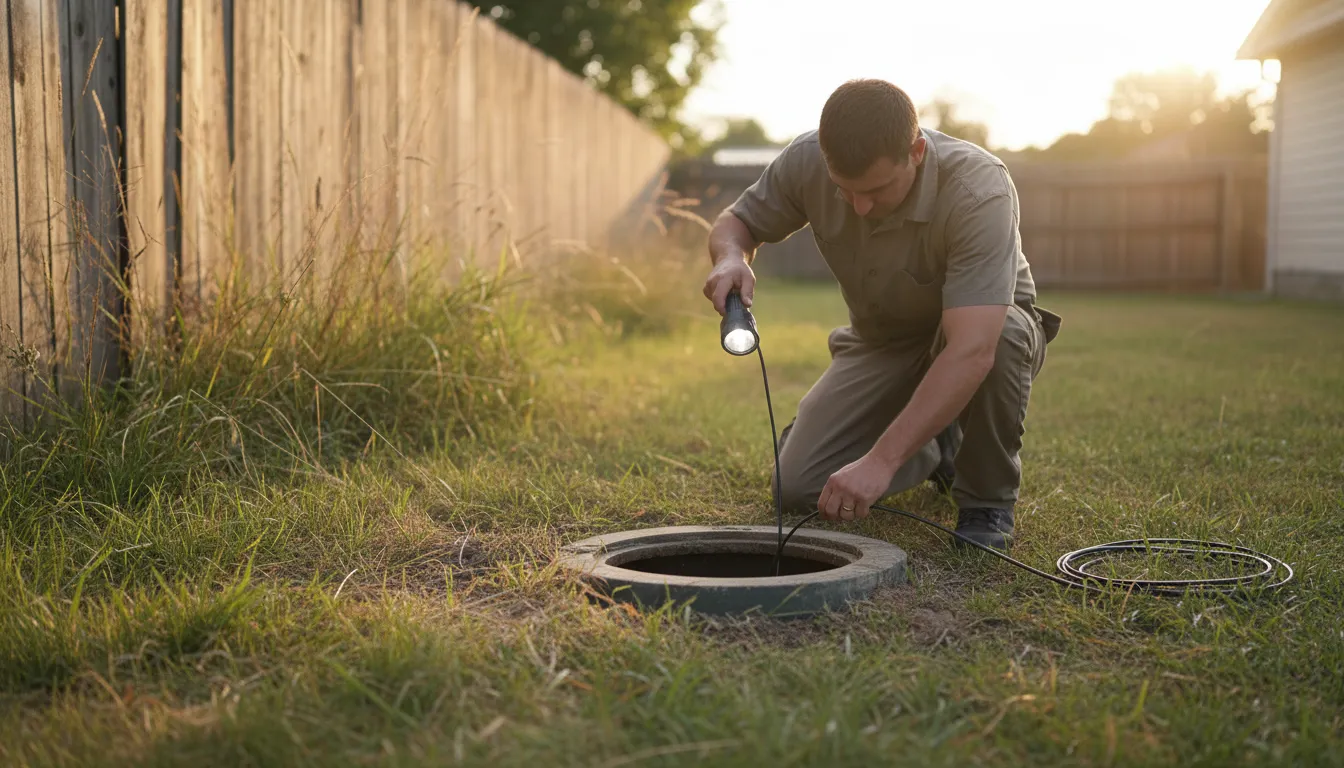
Find the Best Septic Tank Inspection Companies for Your Business
No obligation • Fast responses • Nationwide coverage

Why you can trust Septic Spot
Septic Spot is a leading United States resource for understanding and comparing septic services. Our editors review providers using consistent criteria and verify key business details. Listings and scores are independent, and companies cannot pay to influence our content.
Search providers near you
Top Septic Tank Inspection Companies in Apex, North Carolina Ranked
For homeowners in Apex, a septic system inspection is a critical evaluation of your property's onsite wastewater treatment system. This essential service ensures your system is functioning safely, protects your family's health and the local environment, and helps you avoid costly emergency repairs. Whether you're a current homeowner due for a routine check, preparing to sell your property, or considering a home purchase, understanding the local inspection process and requirements is key to responsible ownership.

Advantage Home Inspection
4020 Wake Forest Rd, Raleigh, NC 27609
Advantage Home Inspection is based in Raleigh, NC, offering a range of inspection services including septic tank inspection and pumping. They provide detailed septic inspections that include line scoping when accessible, along with other home and commercial inspection services such as foundation, framing, termite, radon, and sewer scope inspections. Their service area covers a 45-mile radius from their main office, and they cater to both residential and commercial properties.
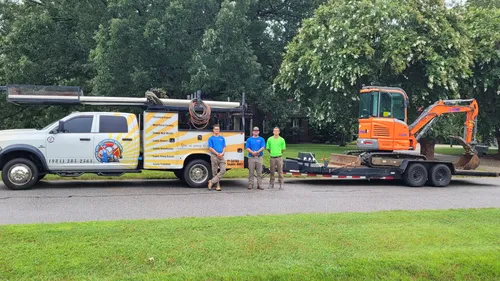
Environmental Systems & Services of NC LLC
Raleigh, NC
Environmental Systems & Services of NC LLC provides comprehensive septic and plumbing services in Raleigh, NC, and throughout Eastern and Central North Carolina. With over 30 years of experience, they handle septic tank pumping, inspections, repairs, and installations, as well as plumbing repairs, sewer line services, and drain field maintenance. Their team uses advanced equipment like cameras and hydro-jetting tools to diagnose and resolve issues efficiently. They offer customized maintenance plans to help extend the lifespan of septic and plumbing systems, ensuring compliance with local regulations and protecting water quality.
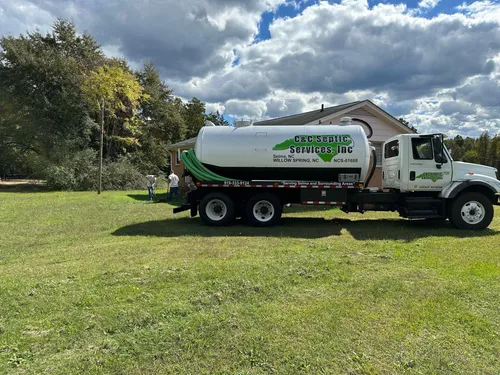
C & C Septic Services, Inc.
Raleigh, NC
C & C Septic Services, Inc. is a locally owned septic company based in Raleigh, NC. They provide septic tank pumping, inspections, repairs, and new system installations. Their service area includes Selma, Princeton, Smithfield, Clayton, Archers Lodge, Goldsboro, Pikeville, and surrounding locations. The company focuses on maintaining reliable septic systems and offers repair options and installations to meet customer needs.
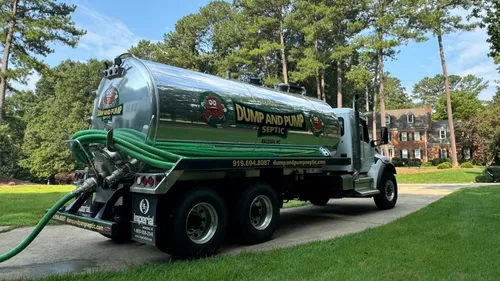
Dump & Pump Septic
515 S New Hope Rd, Raleigh, NC 27610
Dump & Pump Septic is a septic tank pumping and inspection company serving Raleigh, NC, and surrounding counties including Wake, Johnston, Chatham, Franklin, Harnett, Granville, Lee, and Durham. They provide septic services for both rural and urban areas, offering thorough pumping and inspection work. The company is fully licensed and insured, with decades of experience in the septic industry. Dump & Pump Septic is known for transparent pricing and reliable service.
Septic Innovations
5209 Winfree Ln, Wake Forest, NC 27587
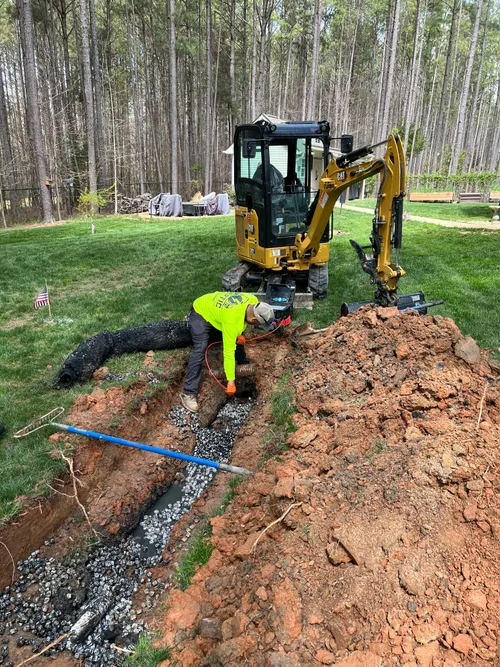
Septic Innovations is a septic system company based in Raleigh, NC, offering a range of services including septic tank pumping, inspection, repair, and installation. They handle all system components such as tanks, pumps, control panels, distribution boxes, and drain fields. The company is certified as NC Grade IV installers and VA Master Alternative installers, capable of installing any type of septic system in North Carolina and Virginia. Septic Innovations also provides point-of-sale septic inspections to evaluate system compliance and condition. They assist with permitting when required for installation or repair work.
Why Septic Inspections Are Mandatory in Wake County
In Apex and throughout Wake County, septic system inspections are not merely a recommendation-they are a legal requirement enforced by the Wake County Environmental Health department. The frequency of these mandatory checks depends entirely on the type and complexity of your specific system. This regulatory framework is designed to prevent system failures that can lead to groundwater contamination, public health hazards, and expensive environmental cleanups.
The county categorizes systems to schedule inspections:
- Type IIIB (Typical Residential): Systems with a single pump require an inspection every five years.
- Type IV: Systems with multiple pumps or low-pressure pipe networks must be inspected every three years.
- Type V: Advanced treatment systems, which include additional technologies for nutrient removal, require an annual inspection due to their complexity.
Beyond scheduled maintenance, a septic system evaluation is almost always a required part of a real estate transaction in North Carolina. A passing inspection report is crucial for closing on a property that relies on a septic tank and drainfield.
What a Professional Septic Inspection Involves
A comprehensive septic tank assessment, conducted by a state-certified inspector, is a multi-step process that goes far beyond just looking at the tank. It is a systematic examination of the entire wastewater treatment system.
1. Locating and Accessing System Components The inspector first works to locate all critical parts of the system, which may be buried and not immediately obvious. This includes finding the tank lid(s), the distribution box (which splits flow to the drainfield lines), and the boundaries of the drainfield itself.
2. Pumping for a Thorough Examination For a proper inspection, the tank typically needs to be pumped out. This allows the inspector to visually examine the interior of the tank for structural integrity, checking for cracks, corrosion, or baffle damage that could compromise function 1.
3. Measuring Sludge and Scum Levels This is a core part of the inspection. Using a tool called a "sludge judge," the inspector measures the accumulation of solids (sludge) at the bottom and floating scum at the top. Wake County regulations state that a tank requires pumping if the sludge level reaches one-third of the tank's liquid depth. Accurate measurement is impossible without first pumping the tank.
4. Inspecting Mechanical and Electrical Components For systems with pumps, the inspector will check the pump's operation, ensure the alarm system is functional, and verify all electrical connections are safe and up to code 2.
5. Evaluating the Drainfield The final and perhaps most telling phase is the drainfield assessment. The inspector looks for signs of failure, such as surfacing sewage, soggy soil, or unusually lush vegetation over the field lines, which indicate the soil is no longer properly absorbing and filtering the effluent 3 4.
Find the perfect septic tank inspection companies for your needs
Get personalized recommendations and expert advice
Understanding Inspection Costs in Apex
The cost of a septic inspection in Apex depends on the purpose and scope of the service. It's important to distinguish between a routine compliance inspection and a more in-depth evaluation for real estate.
A standard pre-purchase septic inspection, which is comprehensive and includes a written report for transactional purposes, generally ranges from $300 to $600 in North Carolina 5 6 7. This fee often does not include the cost of pumping the tank, which is a separate but frequently necessary service to perform the inspection correctly.
Routine pumping, recommended every 3-5 years based on household size and usage, is a separate maintenance cost. Many local service providers offer package deals for combined pumping and inspection services, which can provide value for homeowners scheduling their mandatory county inspection. Total costs for maintenance can vary based on tank size, accessibility, and what additional services are needed.
Maintaining Your System Between Inspections
Professional inspections are vital, but day-to-day care extends the life of your system. Proper maintenance can help you pass your next inspection with ease and avoid premature failure 8.
- Mind What Goes Down the Drain: Never pour cooking grease, oils, or harsh chemicals (like paint thinner or excessive bleach) into your drains. Avoid using a garbage disposal frequently, as it significantly increases solid waste. Do not connect water softener backwash, hot tub drainage, or sump pumps to the septic system, as this can cause hydraulic overload.
- Conserve Water: Spread out laundry loads over the week and fix leaky faucets and toilets promptly. Sudden large volumes of water can flood the drainfield.
- Protect the Drainfield: Never park vehicles or build structures like sheds or patios over the drainfield. Avoid planting trees or shrubs with deep root systems nearby, as roots can infiltrate and clog pipes.
- Keep Records: Maintain a detailed log of all inspections, pumpings, repairs, and the location of your system components. This is invaluable for future service and is often required during a property sale.
The Role of Local Regulations and Certified Professionals
All septic system work in Apex, including inspections, repairs, and installations, falls under the jurisdiction of the Wake County Environmental Services Department. Any modification or repair to your system requires a permit from the county health department 9.
It is crucial to hire an inspector certified by the North Carolina Onsite Wastewater Contractor Inspector Certification Board (NCOWCICB) 10. These professionals are trained to the state's standards and use official inspection forms that are recognized by county health departments and lending institutions. Their certification ensures the inspection will be thorough and the report will be legally valid for compliance or real estate purposes.
Frequently asked questions
Sources
Footnotes
-
How to Get Septic to Pass Inspection - https://www.guardianangelinspections.com/how-to-get-septic-to-pass-inspection ↩
-
Septic System Inspections - InterNACHI® - https://www.nachi.org/inspecting-septic-systems.htm ↩
-
What to Expect from a Septic Inspection - https://www.wrenvironmental.com/blog/2023/may/what-to-expect-from-a-septic-inspection/ ↩
-
Septic Well Pre-Inspection for Magnolia Sellers - Avoid Delays - https://deborahstepanek.com/blog/septic-and-well-preinspections-for-magnolia-sellers ↩
-
Septic System Inspections | Wake County Government - https://www.wake.gov/departments-government/onsite-water-protection/septic-systems/septic-system-inspections ↩
-
Pre-Purchase Septic Inspections: Protect Your Investment - https://septic911.com/prepurchase-septic-inspections/ ↩
-
2026 Septic Inspection Costs | Tank, System, & Title 5 - https://homeguide.com/costs/septic-tank-inspection-cost ↩
-
Septic System Owner's Guide - NC State Extension Publications - https://content.ces.ncsu.edu/septic-system-owners-guide ↩
-
Understanding and Protecting Your Septic System - https://ehs.dph.ncdhhs.gov/oswp/docs/Understanding-protecting-septic-systems-FACTSHEET.pdf ↩
-
NCOWCICB-Inspection-Form.pdf - https://ncowcicb.info/wp-content/uploads/2024/04/NCOWCICB-Inspection-Form.pdf ↩