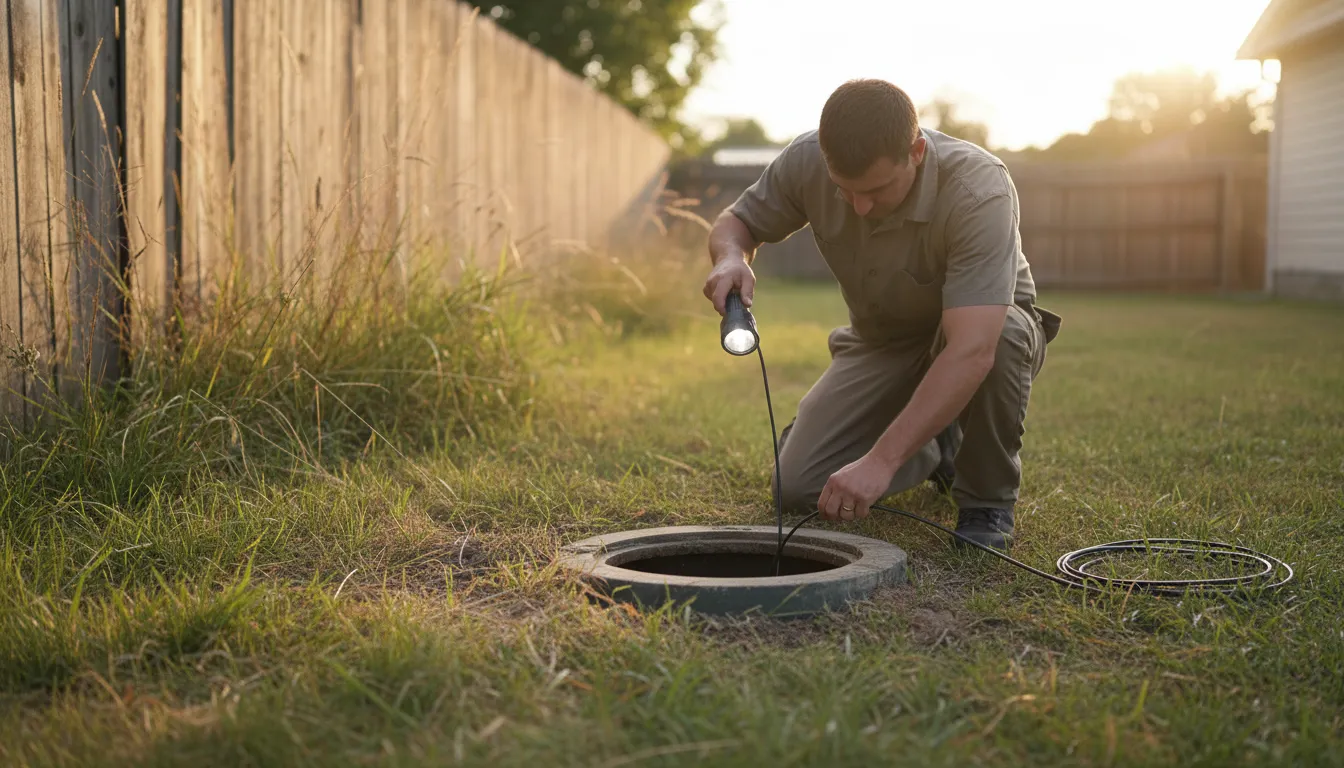
Find the Best Septic Tank Inspection Companies for Your Business
No obligation • Fast responses • Nationwide coverage

Why you can trust Septic Spot
Septic Spot is a leading United States resource for understanding and comparing septic services. Our editors review providers using consistent criteria and verify key business details. Listings and scores are independent, and companies cannot pay to influence our content.
Search providers near you
Top Septic Tank Inspection Companies in Charlotte, North Carolina Ranked
A septic tank inspection is a critical evaluation of your home's on-site wastewater system to ensure it is functioning safely and properly. This process is especially important in Charlotte, where many homes rely on septic systems instead of municipal sewer lines. A thorough system evaluation can identify potential failures, protect your property value, and safeguard local groundwater from contamination. Whether you're buying a home, maintaining your property, or addressing a problem, understanding how to find qualified local professionals for a septic system check is your first step toward responsible homeownership.
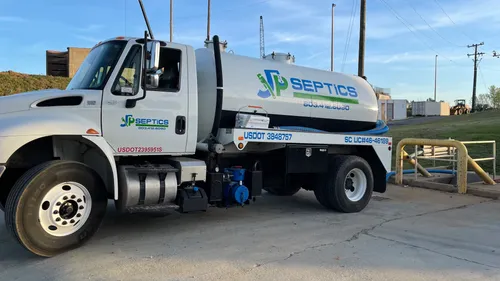
JP Septics
Charlotte, NC
JP Septics is a Native-American owned septic service provider based in Charlotte, NC. They offer comprehensive septic system services including pumping, inspection, repair, installation, and drain field repair or replacement. The company emphasizes proper maintenance to prevent costly failures and uses quality materials to ensure long-lasting septic systems. JP Septics is available 24/7 for emergency septic repairs and has received over 600 five-star reviews for their work.
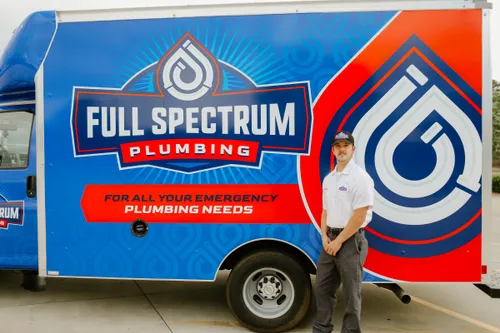
Full Spectrum Plumbing Services
150 B W Thomas Dr, Fort Mill, SC 29708
Full Spectrum Plumbing Services is a plumbing company based in Fort Mill, SC, serving the local community and surrounding York County areas including Tega Cay and Indian Land. They provide a range of services including septic tank inspections and minor repairs, sewer line repairs, water heater installation, and comprehensive plumbing solutions tailored to both older homes and new developments. With over 20 years of experience, they use advanced equipment like camera inspections and hydrojetting to address issues such as leaks, drain backups, and septic system performance. Their team is licensed and equipped to handle emergency plumbing and gas line repairs as well.
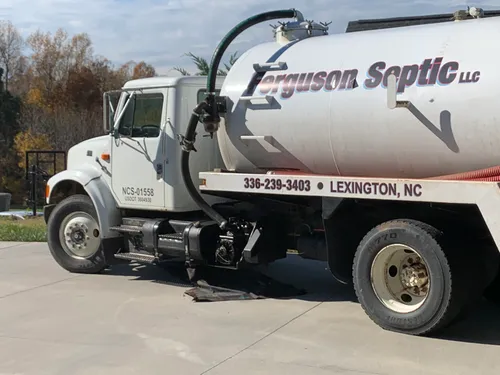
Ferguson Septic Tank Pumping Services
227 Point Harbor Rd, Lexington, NC 27292
Ferguson Septic Tank Pumping Services is a family-owned business based near Charlotte, NC, specializing in septic tank pumping, cleaning, locating, and evaluation. They provide licensed and insured septic services including regular maintenance and professional assessments to ensure proper tank function. The company is operated by a father and son team with certified expertise in septic system management. Ferguson Septic emphasizes the importance of pumping every five years and offers guidance on septic tank care to extend system longevity.
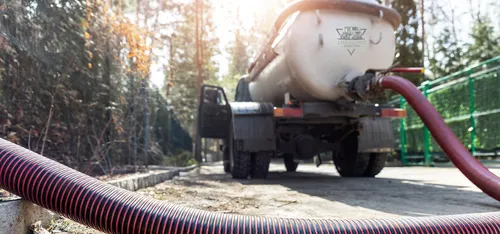
Charlotte Septic Pros
4916 Stough Rd, Concord, NC 28027
Charlotte Septic Pros is a locally owned and licensed septic company serving Charlotte, NC, and nearby towns. They provide a range of septic services including tank pumping, cleaning, inspection, repair, and installation. Their team offers upfront pricing and focuses on maintaining the safety and efficiency of septic systems. Charlotte Septic Pros is insured and committed to clear communication with customers throughout the service process.
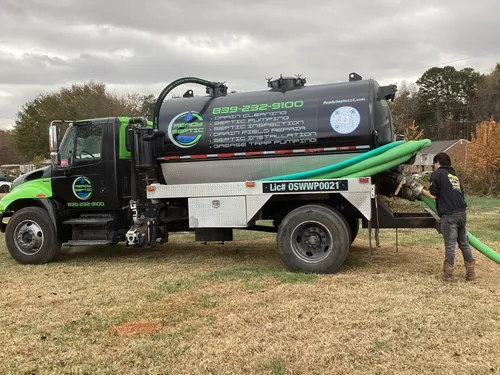
Ready Septic
3925 Woodlawn St, Sharon, SC 29742
Ready Septic is a septic service company based in Charlotte, NC, specializing in residential and commercial sewer and septic system services. They serve York County, SC, and surrounding areas including Greenville, Spartanburg, and Columbia. Their offerings include septic tank pumping, installation, inspection, drain cleaning, hydro jetting, sewer repair, and sump pump services. Ready Septic uses advanced diagnostic tools and high-capacity vacuum technology to maintain and repair septic systems, ensuring compliance with local health codes. With over 30 years of combined industry experience, they provide solutions tailored to local soil and topographic conditions.
Why Septic Inspections Are Essential in Mecklenburg County
In the Charlotte area, a properly functioning septic system is vital for both public health and environmental protection. The soil in Mecklenburg County must effectively treat wastewater before it re-enters the groundwater, making regular assessments crucial1. Beyond routine maintenance, a certified septic inspection is often a key requirement during real estate transactions. While North Carolina state law does not mandate an inspection for every property sale, most lenders and cautious buyers in the region will require a passing inspection report from a certified professional before finalizing a loan2. This due diligence helps avoid costly surprises, like a failing drainfield, after you've purchased a home.
Understanding Local Regulations and Authorities
Septic system oversight in Charlotte and Mecklenburg County falls under the Mecklenburg County Environmental Health department. This agency handles all regulations, permitting for new systems or repairs, and maintains records for existing systems3. If you're a homeowner and unsure of your system's layout, you can request the original "as-built" design and permit records from the county to help locate your tank and drainfield4. For any significant work-whether it's installing a new system, repairing a component, or even replacing a drainfield-a permit from this department is required, and the work must be completed by a state-licensed contractor 5.
What a Comprehensive Septic System Inspection Involves
A full septic tank evaluation is much more than a quick look. Certified inspectors follow a detailed process to assess the entire system's health. Here's what you can typically expect:
- System Location & Excavation: The inspector will first work to locate the septic tank and drainfield, which may require probing or referencing county records. The tank lids must then be excavated and uncovered for proper access6.
- Tank Integrity & Components: The inspector checks the tank's structure for cracks or damage. A critical step is inspecting the inlet and outlet baffles (or tees), which are essential for preventing solids from flowing out into the drainfield. Damaged baffles are a common reason for system failure.
- Sludge and Scum Measurement: Using specialized tools, the inspector measures the depth of the sludge layer at the bottom of the tank and the scum layer floating at the top. If the combined sludge and scum occupy more than one-third of the tank's depth, it indicates the tank is overdue for pumping and is at risk of sending solids into the drainfield 7.
- Liquid Level Check: The inspector verifies that the liquid level in the tank is consistent with the outlet pipe level. An abnormally high level can signal a blockage or failure in the drainfield.
- Drainfield Assessment: The inspector surveys the drainfield area for telltale signs of failure, such as soggy ground, foul odors, or surfacing sewage. They may also perform a hydraulic load test by running water in the house to see if the system can handle the flow without backing up.
- Final Reporting: A detailed report is provided, outlining the condition of each component, any issues found, and recommendations for repair or maintenance.
Cost of Septic Inspections in Charlotte
The price for a septic system check in Charlotte varies based on the depth and type of inspection required. Here's a general breakdown of what homeowners can expect8 9:
- Visual Inspection Only ($100 - $200): This is a limited evaluation that does not involve digging up the tank lids. It offers a minimal assessment and is not sufficient for real estate transactions.
- Standard Inspection ($200 - $300): This is the most common type for home buying. It includes locating the system, excavating the lids, and performing the basic checks of tank components and sludge levels.
- Comprehensive Inspection ($300 - $600): This top-tier service includes everything in a standard inspection plus more advanced diagnostics, such as using a camera to inspect the interior of pipes or providing an exceptionally detailed report. It is often recommended for older systems or when problems are suspected.
- Pumping (Additional Cost): If the inspection reveals the tank needs to be pumped, this is a separate service. Pumping in the Charlotte area typically costs between $200 and $500+, depending on tank size10 11. It's important to note that an inspection often cannot be properly completed if the tank is overly full, so pumping may be a necessary first step.
Find the perfect septic tank inspection companies for your needs
Get personalized recommendations and expert advice
Maintenance: The Key to Avoiding Costly Repairs
An inspection tells you the current state of your system, but regular maintenance is what preserves it. The North Carolina Division of Public Health recommends pumping your septic tank every 3 to 5 years, though the exact frequency depends on your household size and usage. Ignoring this schedule is the primary cause of system failure. Be vigilant for warning signs like slow-draining sinks and toilets, gurgling sounds in plumbing, or unexplained wet, mushy, or foul-smelling areas in your yard above the drainfield. Addressing these issues quickly with a professional assessment can prevent a minor repair from turning into a full system replacement.
Choosing a Qualified Septic Inspection Professional
When your property and health are on the line, choosing the right inspector is paramount. In North Carolina, individuals performing septic system inspections for point-of-sale transactions must be certified by the state12. Always verify a provider's certification. Look for professionals who carry errors and omissions (E&O) insurance, which protects you in case of a missed defect. A reputable inspector will be happy to explain their process, provide a detailed written contract outlining what is and isn't included, and answer all your questions before starting work. Don't base your decision on price alone; the cheapest inspection may save you money upfront but could cost you tens of thousands later if a major problem is overlooked.
The Role of Inspections in Property Transfers
For buyers and sellers in Charlotte, the septic inspection is a pivotal moment in the transaction. As the seller, having a recent, passing inspection report in hand can make your property more attractive and streamline the sale. For the buyer, it's a non-negotiable form of protection. The inspection contingency in a real estate contract should allow time for a full evaluation by a certified inspector of your choosing. If the inspection uncovers issues, you can often negotiate with the seller for repairs or a price adjustment. Understanding this process empowers you to navigate one of the most significant financial decisions of your life with greater confidence and clarity.
Frequently asked questions
Sources
Footnotes
-
NC Homeowners: Caring for Your Septic System | Division of Public Health - https://www.dph.ncdhhs.gov/programs/environmental-health/site-water-protection-branch/site-wastewater-program/nc-homeowners-caring-your-septic-system ↩
-
Point of Sale Inspection Requirements - MARLIN - https://mseptic.com/septic-inspection-requirements-north-carolina ↩
-
Septic System Fee Schedule - Public Health - https://health.mecknc.gov/environmental-health/groundwater-and-wastewater-services/septic-system-fee-schedule ↩
-
Frequent Questions on Septic Systems | US EPA - https://www.epa.gov/septic/frequent-questions-septic-systems ↩
-
Septic System Owner's Guide - NC State Extension Publications - https://content.ces.ncsu.edu/septic-system-owners-guide ↩
-
What Does a Septic Inspection Entail? - HomeLight - https://www.homelight.com/blog/septic-inspection/ ↩
-
How to Get Septic to Pass Inspection - https://www.guardianangelinspections.com/how-to-get-septic-to-pass-inspection ↩
-
NC SEPTIC LAW | Elite Home Inspections - https://www.elitehomeinspectionsnc.com/nc-septic-law ↩
-
Septic Tank Inspection Cost: What to Expect & What's Involved - https://atlantaseptictankpros.com/septic-tank-inspection-cost-what-to-expect-whats-involved/ ↩
-
Septic Tank Inspection Cost: What to Expect & What's Involved - https://atlantaseptictankpros.com/septic-tank-inspection-cost-what-to-expect-whats-involved/ ↩
-
Septic Tank Inspection in Raleigh, NC | Septic System Service - https://www.septicblueraleigh.com/septic-tank-inspection-raleigh-nc-p-97.html ↩
-
chapter 39 - on-site wastewater contractors and inspectors certification - http://reports.oah.state.nc.us/ncac/title%2021%20-%20occupational%20licensing%20boards%20and%20commissions/chapter%2039%20-%20on-site%20wastewater%20contractors%20and%20inspectors%20certification/chapter%2039%20rules.pdf ↩