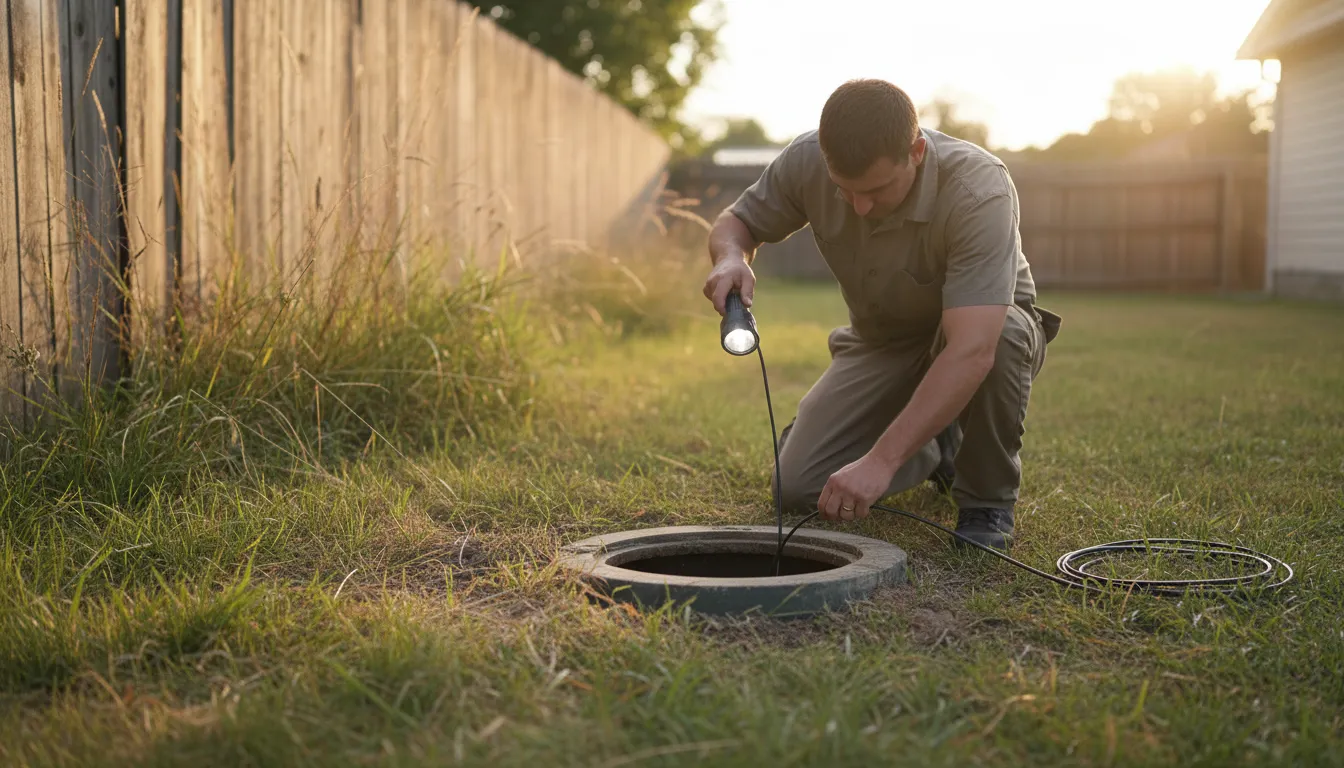
Find the Best Septic Tank Inspection Companies for Your Business
No obligation • Fast responses • Nationwide coverage

Why you can trust Septic Spot
Septic Spot is a leading United States resource for understanding and comparing septic services. Our editors review providers using consistent criteria and verify key business details. Listings and scores are independent, and companies cannot pay to influence our content.
Search providers near you
Top Septic Tank Inspection Companies in Fayetteville, North Carolina Ranked
A septic tank inspection is a critical evaluation of your onsite wastewater system's health and functionality. In Fayetteville, where many homes rely on these private systems, regular assessments are essential for protecting your property value, ensuring public health, and complying with local regulations. This guide will help you understand the inspection process, local requirements, and how to find qualified professionals to evaluate your septic system.
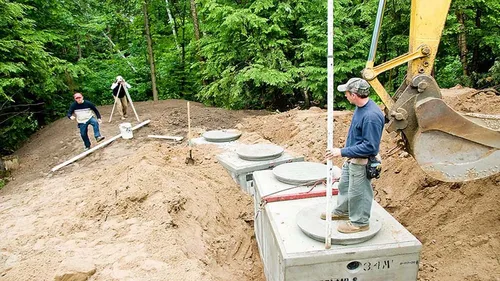
Belton Septic Tank Service
898 Camden Rd, Raeford, NC 28376
Belton Septic Tank Service is a septic tank specialist serving Fayetteville, NC, and surrounding communities including Raeford, Hope Mills, Lumberton, and more. They provide a range of services such as septic tank pumping, inspections, repairs, and new installations. With over 50 years of experience since 1964, they handle both residential and commercial septic systems. Their expertise includes emergency septic services and thorough system maintenance to ensure proper wastewater treatment and disposal.
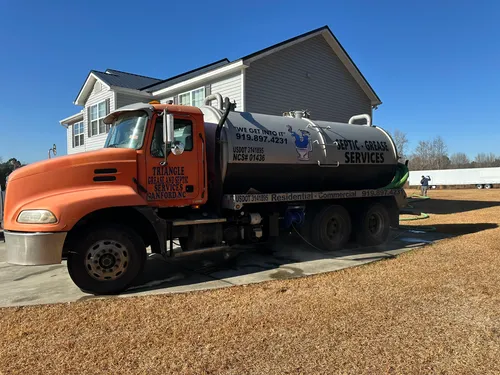
The Septic And Grease Company LLC
3570 Hillmon Grove Rd, Cameron, NC 28326
The Septic And Grease Company LLC provides septic tank pumping, septic system inspections, grease trap cleaning, and septic system repairs in Fayetteville, NC. With over 20 years of experience, the company uses state-of-the-art equipment to maintain and repair septic and grease systems for homes and businesses. Their services focus on improving system functionality and environmental sustainability.
D C Carter Septic Tank Services
Fayetteville, NC
D C Carter Septic Tank Services provides septic tank pumping, inspection, and repair services in Fayetteville, NC. The company is known for addressing septic system issues promptly and educating customers on system maintenance. They offer thorough septic tank cleaning and repairs, including handling emergency clogs and system troubleshooting. With over 33 years of experience, D C Carter Septic Tank Services has built a reputation for knowledgeable and efficient service, including after-hours availability for urgent needs.
Abernathy Services
Fayetteville, NC
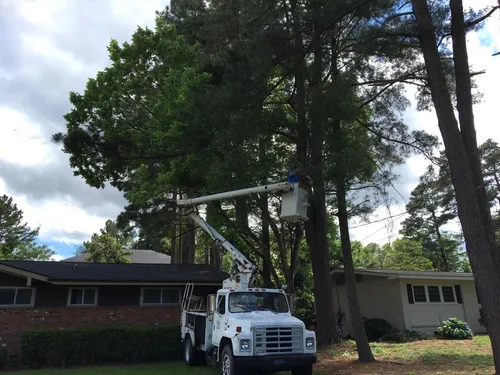
Abernathy Services is a septic tank inspection, repair, and installation company based in Fayetteville, NC. They provide comprehensive septic system services, including installation and repair, with a focus on ensuring systems function properly beneath the surface. With decades of experience, Abernathy Services is fully licensed and insured, offering expertise in both septic and related land services such as lot clearing and tree removal.

DC Carter Septic Tank Service
Fayetteville, NC
DC Carter Septic Tank Service provides septic tank pumping, inspection, and repair services in Fayetteville, NC. The company is known for addressing septic system issues promptly and educating customers on proper maintenance. They have extensive experience handling various septic problems, including unclogging and system repairs. With over 33 years in business, DC Carter and his team offer knowledgeable and thorough service, often responding quickly to emergencies and after-hours calls.
Why Septic System Inspections Are Essential in Cumberland County
For Fayetteville homeowners, a septic system is a significant, out-of-sight investment. Regular septic system evaluations are not just a good idea-they are often mandated by Cumberland County regulations during property transactions or improvements. A failing system can lead to sewage backups in your home, contamination of groundwater, and costly environmental hazards. Proactive inspections help identify minor issues before they become major, expensive repairs, safeguarding your family's health and your property's integrity.
Local Regulations and Permit Requirements
Cumberland County, which encompasses Fayetteville, has specific rules governing septic systems managed by the Department of Public Health.
- Permit for Improvements: A permit must be obtained from the local health department for any repairs, additions (like decks or pools), or new construction that could impact your septic system. The fee for this permit is approximately $45.
- Mandatory Inspections: An official county inspection is required when adding bedrooms, undertaking significant renovations, or building new structures. This ensures the construction does not damage the septic tank, drain field lines, or repair area 1.
- System Failure Protocol: If sewage surfaces on your property or you experience persistent slow drains, the health department must be contacted immediately.
- Operator Inspections: Some advanced systems, particularly those with pumps or alternative technology, require regular inspections by a certified Subsurface System Operator to maintain their permit.
The Professional Septic Inspection Process
A thorough septic tank assessment involves several key steps, typically performed by a licensed inspector or septic service company.
- Locate and Uncover: The inspector will locate and excavate to access the tank's inlet and outlet lids, as well as the distribution box, which are typically buried 2-3 feet deep.
- Tank and Component Check: The inspector evaluates the tank for structural integrity, checks scum and sludge levels, and examines baffles and tees for proper function. Pumping the tank is often recommended to properly view these critical components 2 3.
- Functional Flow Analysis: This is a crucial part of a comprehensive inspection. The inspector will run a substantial amount of water through the household plumbing to simulate use and observe how the drain field handles the hydraulic load. Dye tests may be used to identify surfacing effluent or drainage issues 4.
- Drain Field Evaluation: The inspector will examine the drain field area for signs of failure, such as soggy soil, foul odors, or unusually lush grass growth.
Find the perfect septic tank inspection companies for your needs
Get personalized recommendations and expert advice
Understanding Inspection Costs in Fayetteville
The cost of a septic system inspection in Fayetteville can vary based on the system's size, complexity, and the tests performed.
- County Inspection Fee: The fee for the required health department inspection for building permits is around $45 5.
- Professional Pre-Purchase Inspection: A standard inspection performed by a qualified septic service company typically ranges from $200 to $500 or more, depending on the depth of the tank and the scope of the evaluation.
- Pumping Cost: Since pumping is often necessary for a proper inspection, you should factor in an additional $200-$500+, which aligns with the recommended pumping frequency of every 3-5 years 6 7.
- Optional Camera Inspection: For suspected line problems, a video camera scoping of the sewer lines from the house to the tank or within the drain field can provide detailed diagnostics, with costs ranging from $500 to $8008.
When You Need a Septic System Evaluation
Beyond county mandates, several life events should trigger a septic inspection:
- Before Buying a Home: A pre-purchase septic inspection is one of the most important steps in buying a home with a private wastewater system. It can reveal hidden liabilities and is crucial for protecting your investment.
- Routine Maintenance: Even without a real estate transaction, having your system inspected every 3-5 years in conjunction with pumping is a cornerstone of responsible homeownership 9.
- Suspected Problems: Slow drains, gurgling pipes, sewage odors indoors or outdoors, and wet spots in the yard are all red flags that warrant an immediate system check.
- Before Major Home Additions: Planning to build a garage, add a sunroom, or install a pool? An inspection can verify your existing system's capacity and identify suitable locations for new construction.
Maintaining Your System After the Inspection
An inspection provides a snapshot of your system's health. Maintaining that health requires ongoing care:
- Conserve Water: Spread out laundry loads and fix leaky faucets to avoid overwhelming the drain field.
- Mind What You Flush: Only human waste and toilet paper should go down the drain. Avoid chemicals, grease, wipes, and feminine hygiene products.
- Protect the Drain Field: Never park vehicles or place heavy structures on the drain field. Keep roof drains and sump pumps directed away from it.
- Keep Records: Maintain a file of all inspection reports, pumping receipts, and repair records. This is invaluable for future sales and troubleshooting.
Finding a Qualified Septic Inspector in Fayetteville
Look for professionals who are licensed by the state of North Carolina and familiar with Cumberland County's specific regulations. Many reputable septic pumping companies also offer comprehensive inspection services. You can verify credentials and seek referrals through the Cumberland County Department of Public Health Environmental Health division. Their contact number is (910) 433-3660, with office hours Monday through Friday, 8:00 - 9:00 a.m. and 4:30 - 5:00 p.m..
Frequently asked questions
Sources
Footnotes
-
Septic System Owner's Guide - NC State Extension Publications - https://content.ces.ncsu.edu/septic-system-owners-guide ↩
-
Understanding and Protecting Your Septic System - https://ehs.dph.ncdhhs.gov/oswp/docs/Understanding-protecting-septic-systems-FACTSHEET.pdf ↩
-
Well and Septic Maintenance in Douglas County, CO - https://dstreetbrokers.com/blog/well-and-septic-maintenance-basics-in-rural-douglas-county ↩
-
SEPTIC/FUNCTIONAL FLOW ANALYSIS - Elite Home Inspections - https://www.elitehomeinspectionsnc.com/septic-functional-flow-analysis ↩
-
requirements for existing septic tanks - https://www.cumberlandcountync.gov/vd-Planning/downloads/septic.pdf ↩
-
NC Homeowners: Caring for Your Septic System | Division of Public Health - https://www.dph.ncdhhs.gov/programs/environmental-health/site-water-protection-branch/site-wastewater-program/nc-homeowners-caring-your-septic-system ↩
-
NC SEPTIC LAW | Elite Home Inspections - https://www.elitehomeinspectionsnc.com/nc-septic-law ↩
-
Pre-Purchase Septic Inspections: Protect Your Investment - https://septic911.com/prepurchase-septic-inspections/ ↩
-
Septic Systems and Their Maintenance - https://content.ces.ncsu.edu/septic-systems-and-their-maintenance ↩