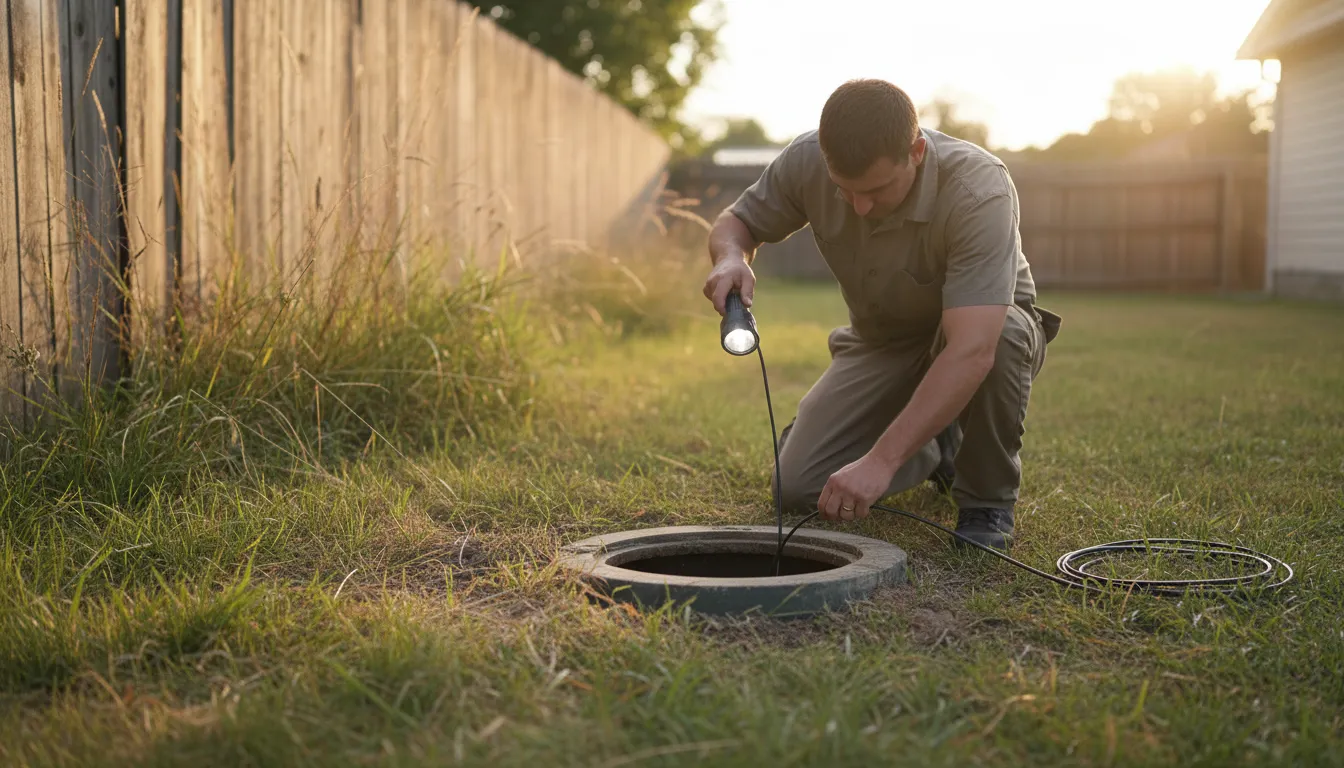
Find the Best Septic Tank Inspection Companies for Your Business
No obligation • Fast responses • Nationwide coverage

Why you can trust Septic Spot
Septic Spot is a leading United States resource for understanding and comparing septic services. Our editors review providers using consistent criteria and verify key business details. Listings and scores are independent, and companies cannot pay to influence our content.
Search providers near you
Top Septic Tank Inspection Companies in Durham, North Carolina Ranked
A septic tank inspection is a critical evaluation of your home's private wastewater treatment system, ensuring it is functioning safely and effectively. In Durham, where many homes rely on these on-site systems, a professional assessment is essential for protecting your property value, your family's health, and the local environment. This guide will help you understand the process, local requirements, and how to connect with qualified professionals in the Durham area to schedule your system evaluation.

Advantage Home Inspection
4020 Wake Forest Rd, Raleigh, NC 27609
Advantage Home Inspection is based in Raleigh, NC, offering a range of inspection services including septic tank inspection and pumping. They provide detailed septic inspections that include line scoping when accessible, along with other home and commercial inspection services such as foundation, framing, termite, radon, and sewer scope inspections. Their service area covers a 45-mile radius from their main office, and they cater to both residential and commercial properties.
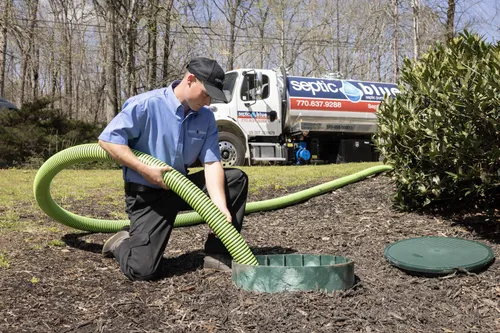
Septic Blue of Burlington
1803 N Jim Minor Rd, Haw River, NC 27258
Septic Blue of Burlington provides septic tank pumping, inspection, repair, and installation services in Greensboro, NC. They offer emergency septic pumping and routine maintenance to help prevent system failures and protect property and local ecosystems. Their services include thorough septic cleaning that removes sludge and buildup to maintain system efficiency. Septic Blue emphasizes eco-friendly practices and personalized maintenance schedules based on household size and water usage.
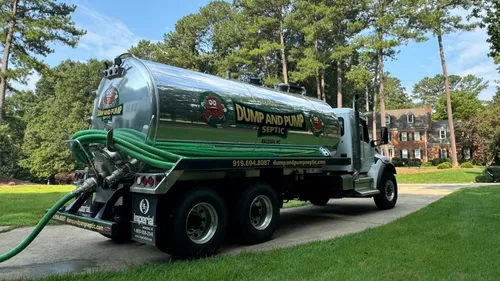
Dump & Pump Septic
515 S New Hope Rd, Raleigh, NC 27610
Dump & Pump Septic is a septic tank pumping and inspection company serving Raleigh, NC, and surrounding counties including Wake, Johnston, Chatham, Franklin, Harnett, Granville, Lee, and Durham. They provide septic services for both rural and urban areas, offering thorough pumping and inspection work. The company is fully licensed and insured, with decades of experience in the septic industry. Dump & Pump Septic is known for transparent pricing and reliable service.
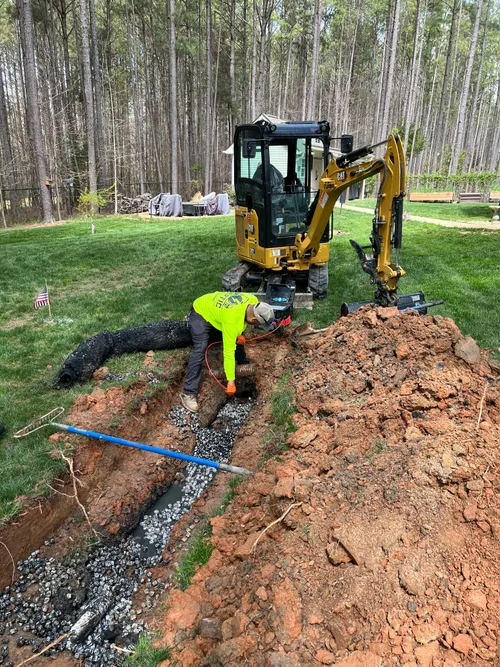
Septic Innovations
5209 Winfree Ln, Wake Forest, NC 27587
Septic Innovations is a septic system company based in Raleigh, NC, offering a range of services including septic tank pumping, inspection, repair, and installation. They handle all system components such as tanks, pumps, control panels, distribution boxes, and drain fields. The company is certified as NC Grade IV installers and VA Master Alternative installers, capable of installing any type of septic system in North Carolina and Virginia. Septic Innovations also provides point-of-sale septic inspections to evaluate system compliance and condition. They assist with permitting when required for installation or repair work.
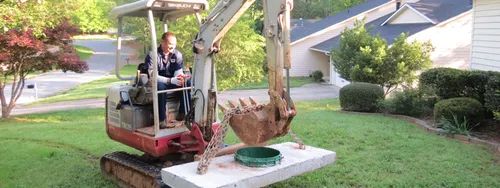
Septic Blue of Knightdale
2325 Hodge Rd, Knightdale, NC 27545
Septic Blue of Knightdale provides septic tank pumping, inspection, repair, and installation services in Raleigh, NC. They serve both residential and commercial clients, using on-site evaluations to address issues like leaks, blockages, and system replacements. Their team consists of experienced and certified plumbers who handle each job with care and efficiency. Septic Blue also offers wastewater treatment services and emphasizes using innovative technology to deliver effective solutions.
Why Septic System Inspections Matter in Durham
For Durham County homeowners not connected to municipal sewer lines, the septic system is an unseen but vital component of the property. A failing system can lead to sewage backups into the home, foul odors, and contamination of groundwater and nearby streams, posing serious public health risks. Regular system checks are not just about compliance; they are a cornerstone of responsible homeownership. The Durham County On-Site Water Protection Department oversees these systems, enforcing state and local regulations to ensure they are properly installed and maintained. An inspection provides peace of mind, whether you're buying a new home, selling your current one, or simply performing routine maintenance.
What Does a Professional Septic Inspection Involve?
A comprehensive septic system evaluation goes far beyond just looking at the tank. Certified inspectors follow a detailed process to assess the entire system's health.
Locating and Accessing the System The first step is often locating all system components, which may be buried. The inspector will find and uncover the tank lid, as well as the inlet and outlet pipes. In Durham, systems are required to have risers that extend at least six inches above the ground level for easier access. If these aren't present, the inspection may involve digging to expose the tank.
Tank Examination Once opened, the inspector checks the tank's structural integrity for leaks, cracks, or signs of damage. They will also verify that the baffles (which prevent scum and sludge from exiting the tank) are intact and functioning properly.
Liquids and Solids Analysis (Sludge and Scum Measurement) This is a core part of the inspection. The professional measures the levels of scum (floating materials) and sludge (settled solids) inside the tank. If these layers are too thick and exceed allowable limits, they can clog the system and cause a failure1. This measurement often determines if immediate pumping is required.
Drainfield Evaluation The inspector assesses the soil absorption area (drainfield) for signs of failure. This includes looking for overly saturated soil, surfacing sewage, or unusually lush grass over the field, which can indicate a malfunction2 3. They may also check the distribution box and pipes for blockages or damage.
Local Regulations and the Role of Durham County
Understanding local rules is key for any Durham homeowner with a septic system. The On-Site Water Protection section of the Durham County Department of Public Health is your primary regulatory contact.
- Permits: This department conducts site evaluations and issues permits for new septic system installations, repairs, or replacements 4.
- Inspections: State law and local ordinances mandate inspections to verify systems are operating correctly. These are often required during property transfers or when applying for a building permit for an addition.
- System Requirements: Durham has specific codes, such as the requirement for accessible risers. If gravity distribution isn't possible, the county may require a specialized pump system to move effluent to the drainfield5.
Staying informed about these regulations helps ensure your system remains compliant and functional.
When Is a Septic Inspection Necessary?
Scheduling a system assessment is advisable in several key situations:
- During a Real Estate Transaction: This is one of the most common triggers. A pre-purchase septic inspection is crucial for buyers to uncover potential issues before closing. Sellers may also opt for one to facilitate a smoother sale.
- Routine Maintenance: Even without a sale, experts recommend having your system inspected every 1-3 years as part of a proactive maintenance plan.
- Before and After Pumping: An inspection can determine if pumping is needed. It's also wise to inspect after pumping to check the tank's empty condition.
- Signs of Trouble: If you notice slow drains, gurgling pipes, sewage odors, or soggy ground over the drainfield, an immediate inspection is warranted.
- Home Renovation: Adding bedrooms or bathrooms increases wastewater flow, which may require a system evaluation or upgrade.
Find the perfect septic tank inspection companies for your needs
Get personalized recommendations and expert advice
Understanding Inspection Costs in Durham
The cost of a septic system inspection in Durham can vary based on several factors. For a standard inspection-only service, homeowners can generally expect to pay between $200 and $500 6. The final price depends on:
- System Complexity: Conventional gravity systems are typically less expensive to inspect than alternative systems with pumps, mounds, or other advanced technology.
- Accessibility: If the tank lid is buried and requires significant digging to locate and expose, the labor time and cost will increase. Systems with properly installed risers are easier and cheaper to inspect.
- Scope of Service: A basic visual inspection costs less than a full evaluation that includes a hydraulic load test or a camera scan of the drainfield lines.
Often, an inspection is combined with pumping. When bundled, the total cost for both services typically starts around $500-$600 and can go higher depending on tank size7 8. While this is an investment, it is minor compared to the cost of repairing or replacing a failed septic system.
Maintaining Your System After the Inspection
An inspection report will provide a clear snapshot of your system's health and any recommended actions. The most common recommendation is pumping. In North Carolina, it's generally advised to pump your septic tank every 3 to 5 years, though this interval depends entirely on household size and usage9. Other maintenance tips include:
- Conserving water to avoid overloading the system.
- Avoiding flushing anything besides human waste and toilet paper.
- Never pouring grease, chemicals, or paints down the drain.
- Keeping vehicles and heavy structures off the drainfield area.
- Directing roof drains and surface water away from the septic system.
Proper, ongoing care based on inspection findings is the best way to extend your system's lifespan for decades.
Frequently asked questions
Sources
Footnotes
-
How to Get Septic to Pass Inspection - https://www.guardianangelinspections.com/how-to-get-septic-to-pass-inspection ↩
-
What to Expect from a Septic Inspection - https://www.wrenvironmental.com/blog/2023/may/what-to-expect-from-a-septic-inspection/ ↩
-
Septic Inspections: What is Involved & Costs - Transactly - https://blog.transactly.com/septic-inspections ↩
-
Improvement Permit - Durham, NC - https://www.durhamnc.gov/DocumentCenter/View/51262/B2300020_Attachment-1_Perc-Test ↩
-
Durham County | On Site Water Protection - https://dconc.gov/Public-Health/Environmental-Health/On-Site-Water-Protection ↩
-
2026 Septic Inspection Costs | Tank, System, & Title 5 - https://homeguide.com/costs/septic-tank-inspection-cost ↩
-
NC SEPTIC LAW | Elite Home Inspections - https://www.elitehomeinspectionsnc.com/nc-septic-law ↩
-
Pre-Purchase Septic Inspections: Protect Your Investment - https://septic911.com/prepurchase-septic-inspections/ ↩
-
Septic System Owner's Guide - NC State Extension Publications - https://content.ces.ncsu.edu/septic-system-owners-guide ↩