Find the Best Septic Tank Inspection Companies for Your Business
No obligation • Fast responses • Nationwide coverage

Why you can trust Septic Spot
Septic Spot is a leading United States resource for understanding and comparing septic services. Our editors review providers using consistent criteria and verify key business details. Listings and scores are independent, and companies cannot pay to influence our content.
Search providers near you
Top Septic Tank Inspection Companies in High Point, North Carolina Ranked
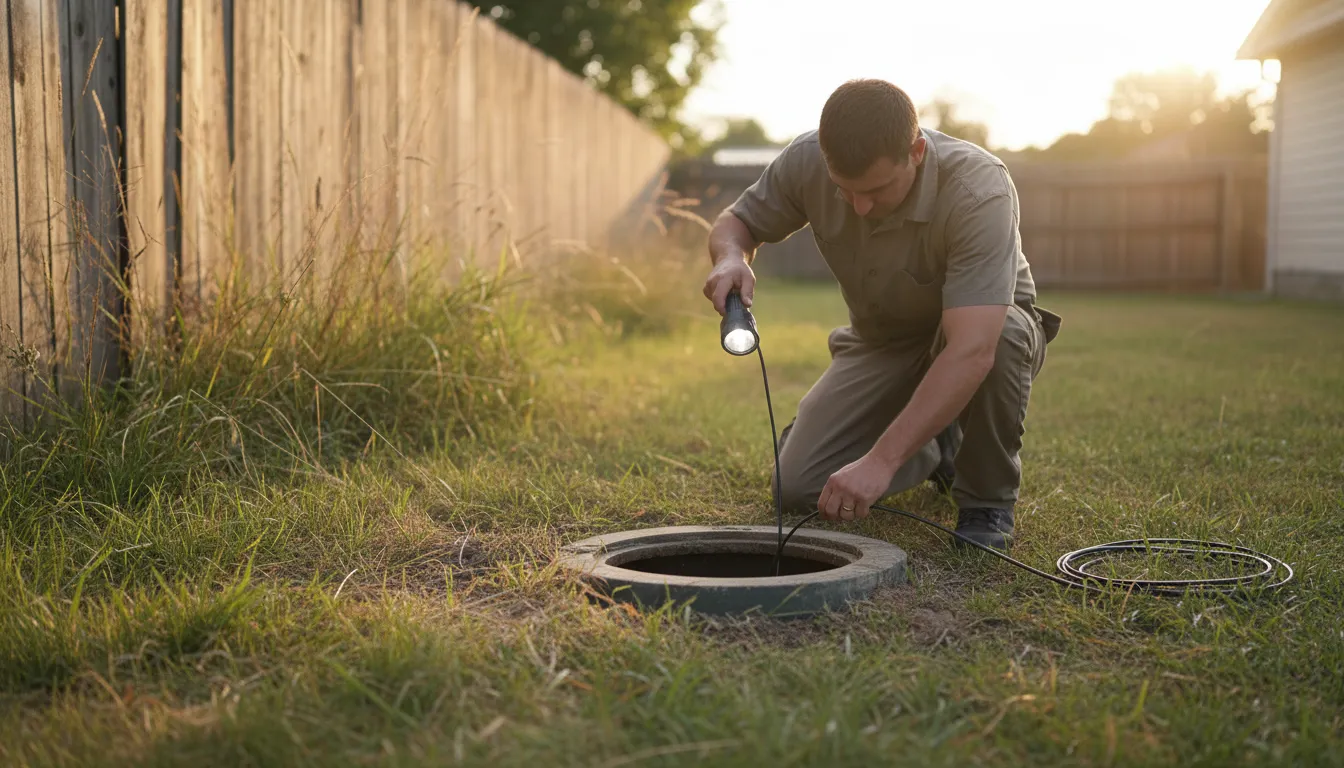
A septic tank inspection is a professional evaluation of your onsite wastewater system's condition and functionality. This process is crucial for protecting your property value, ensuring public health, and preventing costly environmental damage. In High Point, these assessments are governed by specific state and county regulations, especially during real estate transactions. This guide will help you understand the inspection process, local requirements, and how to connect with certified professionals in the Guilford County area.
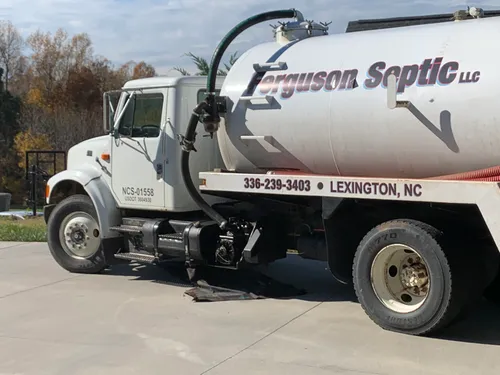
Ferguson Septic Tank Pumping Services
227 Point Harbor Rd, Lexington, NC 27292
Ferguson Septic Tank Pumping Services is a family-owned business based near Charlotte, NC, specializing in septic tank pumping, cleaning, locating, and evaluation. They provide licensed and insured septic services including regular maintenance and professional assessments to ensure proper tank function. The company is operated by a father and son team with certified expertise in septic system management. Ferguson Septic emphasizes the importance of pumping every five years and offers guidance on septic tank care to extend system longevity.
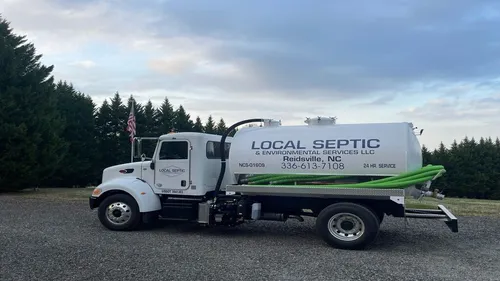
Local Septic & Environmental Services LLC
Winston Salem, NC
Local Septic & Environmental Services LLC is a family-owned septic company serving Winston Salem, NC, and surrounding counties. They provide a full range of septic services including tank pumping, inspections, repairs, new system installations, and drain field replacements. The company uses advanced inspection tools and modern excavation equipment to diagnose and address septic issues accurately. With decades of experience, Local Septic offers emergency services to handle urgent septic problems beyond regular business hours.
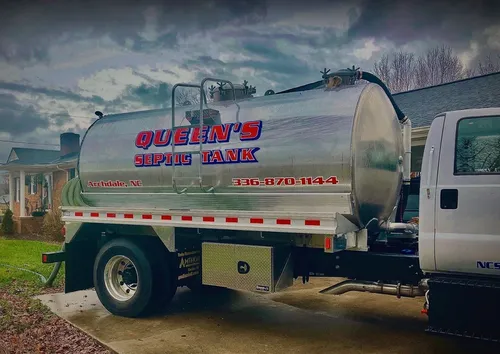
Queen's Septic Tank Service
Greensboro, NC
Queen's Septic Tank Service is a family-owned business serving Greensboro, NC, and surrounding counties including Guilford, Randolph, Davidson, and Forsyth. Since 1986, they have provided residential and commercial septic services such as septic tank installation, pumping, inspections, repairs, grease trap pumping, and backhoe and light grading services. As a certified Level IV Wastewater System Installer, they offer skilled and knowledgeable septic system solutions. The company also provides after-hours emergency service for urgent septic issues outside normal business hours.
James Septic & Groundworks
Winston Salem, NC
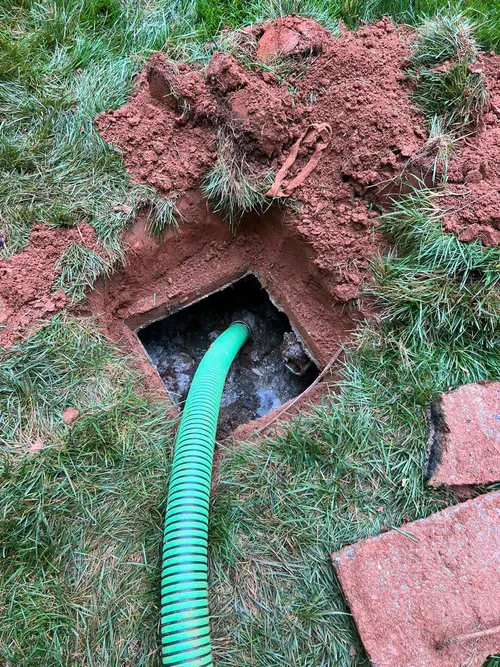
James Septic & Groundworks is a septic tank inspection, installation, and repair company serving Winston Salem, NC, and the broader Piedmont Triad area. With over 30 years of experience, they specialize in evaluating and maintaining septic systems using a unique "Search and Rescue" approach to extend system lifespan and avoid costly replacements. Their services include thorough inspections and tailored solutions to optimize septic system functionality and protect property values.
Transou's Septic Tank Service & Rent-A-Jon
1407 Chestnut Dr B, High Point, NC 27262
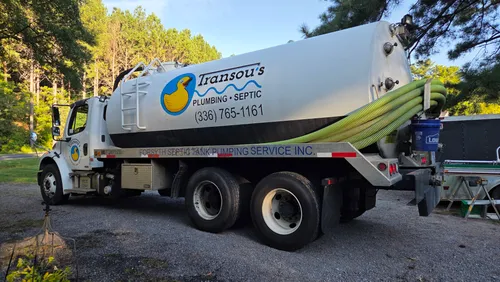
Transou's Septic Tank Service & Rent-A-Jon provides septic system services in Greensboro, NC, and the surrounding Triad area. The company offers septic tank pumping, inspection, repair, and installation, along with Port-a-Jon rentals for events and construction sites. Established in 1952, Transou's has over 70 years of experience handling septic emergencies, routine maintenance, and new system installations. They emphasize compliance with regulations and thorough workmanship to maintain system efficiency and prevent costly issues.
Why Septic System Evaluations Matter in High Point
Your septic system is a silent workhorse, treating all the wastewater from your home. Unlike a municipal sewer connection, it is your responsibility to maintain. A professional septic system evaluation is the best way to ensure it's operating safely and efficiently. Regular checks can identify minor issues before they become major failures, which can lead to sewage backups in your home or contamination of local groundwater. In a region like High Point, with its specific soil conditions and regulations, adhering to a maintenance schedule that includes inspections is a key part of responsible homeownership.
Local Rules and Regulations
Septic inspections in High Point and throughout Guilford County follow the North Carolina Administrative Code (15A NCAC 18A.1900), which outlines the state's onsite wastewater system rules 1. While North Carolina does not mandate annual inspections for all systems, they are highly recommended every 3 to 5 years. However, an inspection is very often a required step during property transfers or sales. This "point of sale" inspection ensures the system is functioning correctly before the property changes hands.
Any repairs, alterations, or new installations on your septic system require a permit from the Guilford County Environmental Health Department. Most importantly, the inspection itself must be performed by a professional holding a current certification from the North Carolina Onsite Wastewater Contractor Inspector Certification Board (NCOWCICB). Hiring a certified inspector guarantees the evaluation will meet state standards and be recognized by local authorities and lending institutions.
What a Certified Inspection Involves
A comprehensive septic tank inspection in High Point is more than just looking at the tank. A certified inspector follows a systematic process to assess the entire system's health. Here's what you can typically expect:
1. Record Review and Site History
The inspector will start by reviewing any available permits, design records, and the known age of the system. This historical context helps understand the system's design capacity and potential vulnerabilities.
2. Tank Integrity and Scum/Sludge Assessment
This is the core of the tank check. The inspector will locate and open all access ports to the septic tank (and any pump tanks or distribution boxes). They will measure the levels of scum (floating layer) and sludge (settled solids) at the bottom. These measurements determine if the tank needs immediate pumping. The inspector also looks for cracks, leaks, or structural damage to the tank itself 2.
3. Component Functionality Check
For systems with pumps, the inspection includes testing the pump, float switches, control panel, and alarm system. A functioning alarm is critical for warning you of a high water level in the pump tank, which could indicate a drainfield problem.
4. Drainfield Evaluation
The inspector will examine the drainfield (or leach field) area for signs of failure. This includes looking for:
- Soggy or saturated soil
- Surfacing sewage or effluent
- Unusually lush or green grass over the field
- Foul odors
These signs indicate that the soil is no longer absorbing and filtering the wastewater, which is a serious system failure 3.
5. Flow and Dye Testing (If Performed)
Some inspections, particularly for real estate, may include a "load and dye" test. This involves running a significant amount of water through the home's plumbing and adding a non-staining dye to check if it surfaces in the drainfield area, confirming absorption problems. It's important to note this is often a separate, more invasive test than a standard operational inspection.
Find the perfect septic tank inspection companies for your needs
Get personalized recommendations and expert advice
Understanding Inspection Costs
The cost for a septic system inspection in High Point can vary based on the system's complexity, size, and accessibility. For a standard inspection-only service, homeowners can generally expect to pay between $200 and $500.
However, costs often increase if additional services are needed or combined:
- Pumping Fees: If the inspector finds the sludge level is too high (typically more than one-third of the tank's depth), pumping will be recommended. Pumping costs are separate and depend on tank size.
- Combined Service: It is common to schedule pumping and an inspection together. A full inspection combined with pumping can often exceed $500 depending on the contractor and tank conditions 4. Always request a detailed quote that breaks down inspection fees versus potential pumping or repair costs.
Warning Signs You Need an Inspection Sooner
Don't wait for a routine interval or a property sale if you notice these red flags. Contact a certified inspector immediately if you observe:
- Sewage backing up into household drains, toilets, or showers.
- Fixtures draining slowly throughout the house.
- Soggy, wet, or foul-smelling spots in your yard, especially near the septic tank or drainfield.
- Bright green, spongy grass over the drainfield even in dry weather.
- An audible alarm or red light activating on your septic system's control panel.
Addressing these symptoms quickly can prevent more extensive environmental damage and far more expensive repairs.
Choosing the Right Service Professional
When searching for septic inspection services, always verify the provider's NCOWCICB certification. You can ask for their certification number. A reputable professional will be familiar with Guilford County's specific permit processes and environmental health requirements. They should provide a detailed, written report using a standard form like the NCOWCICB Inspection Form, which outlines the condition of each system component 5. This report is an essential document for your records and for any real estate transaction.
Maintenance is Key to Longevity
An inspection tells you the current state of your system, but proper daily maintenance ensures its future. This includes conserving water, avoiding flushing harmful chemicals or non-biodegradables, and having the tank pumped regularly based on household size and usage (typically every 3-5 years). The North Carolina Department of Health and Human Services provides excellent resources for homeowners on caring for their septic systems 6 7. A well-maintained system inspected by a certified professional is your best defense against failure.
Frequently asked questions
Sources
Footnotes
-
North Carolina Onsite Wastewater Rules - Environmental Health - https://ehs.dph.ncdhhs.gov/oswp/docs/rules/1900-Rules-08-2017.pdf ↩
-
Frequent Questions on Septic Systems | US EPA - https://www.epa.gov/septic/frequent-questions-septic-systems ↩
-
Point of Sale Inspection Requirements - MARLIN - https://mseptic.com/septic-inspection-requirements-north-carolina ↩
-
NC SEPTIC LAW - Elite Home Inspections - https://www.elitehomeinspectionsnc.com/nc-septic-law ↩
-
NCOWCICB-Inspection-Form.pdf - https://ncowcicb.info/wp-content/uploads/2024/04/NCOWCICB-Inspection-Form.pdf ↩
-
NC Homeowners: Caring for Your Septic System | Division of Public Health - https://www.dph.ncdhhs.gov/programs/environmental-health/site-water-protection-branch/site-wastewater-program/nc-homeowners-caring-your-septic-system ↩
-
Understanding and Protecting Your Septic System - https://ehs.dph.ncdhhs.gov/oswp/docs/Understanding-protecting-septic-systems-FACTSHEET.pdf ↩