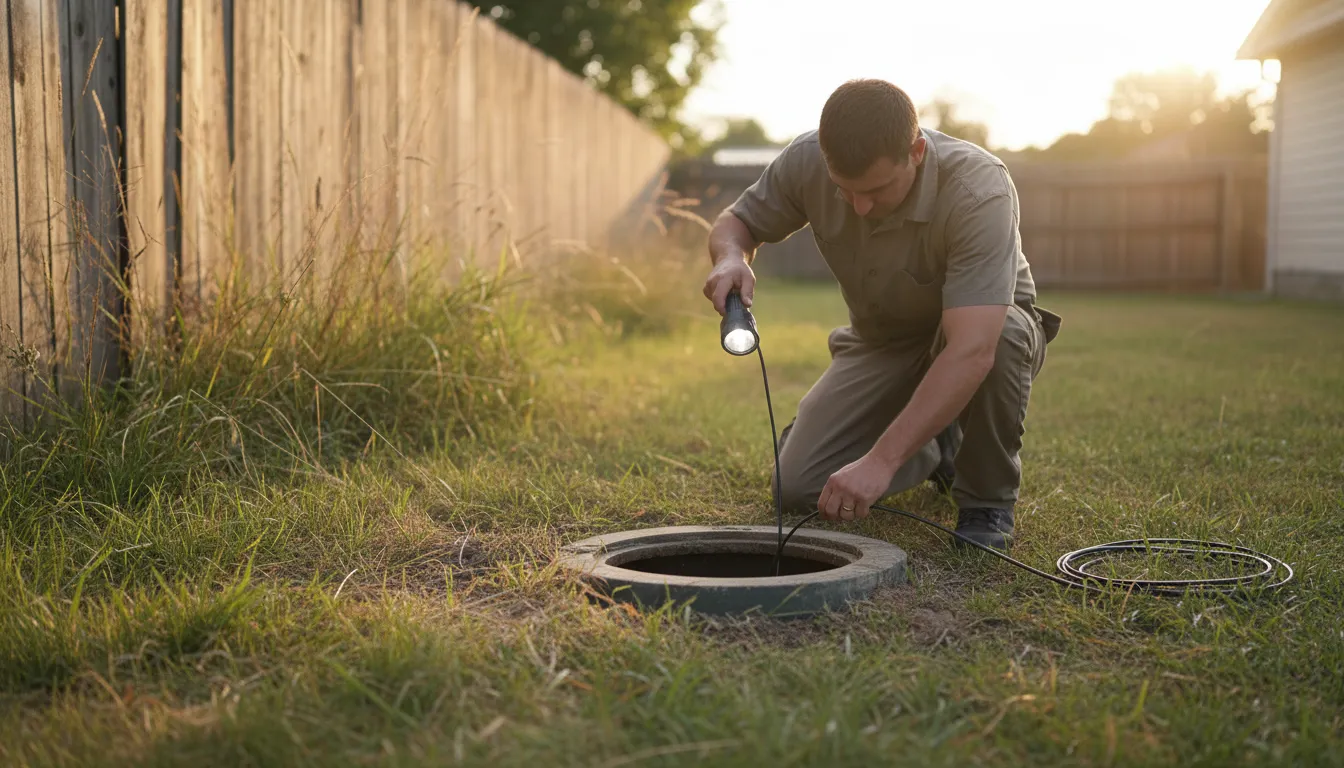
Find the Best Septic Tank Inspection Companies for Your Business
No obligation • Fast responses • Nationwide coverage

Why you can trust Septic Spot
Septic Spot is a leading United States resource for understanding and comparing septic services. Our editors review providers using consistent criteria and verify key business details. Listings and scores are independent, and companies cannot pay to influence our content.
Search providers near you
Top Septic Tank Inspection Companies in Burlington, North Carolina Ranked
A septic tank inspection is a critical evaluation of your onsite wastewater system's health and functionality. In Burlington, these assessments are vital for protecting your property value, ensuring public and environmental health, and complying with local Alamance County regulations. Whether you're buying a home, maintaining your property, or addressing a suspected issue, understanding the inspection process and connecting with qualified local professionals is the first step toward responsible system ownership.
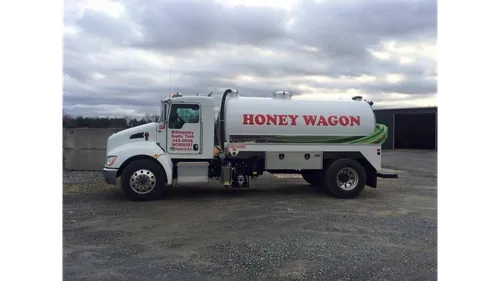
Billingsley & Brooks Septic Tank Co
149 Penn Rd, Reidsville, NC 27320
Billingsley & Brooks Septic Tank Co is a family-owned and veteran-operated business serving Greensboro, NC, with over three generations of experience in septic system services. They provide a full range of septic solutions including pumping, inspection, maintenance, locating, repair, and installation for both residential and commercial properties. Their team uses advanced tools and quality materials to ensure septic systems operate efficiently and reliably. The company emphasizes a customer-focused approach and offers specialized services such as septic tank locating and comprehensive inspections to help prevent major issues.
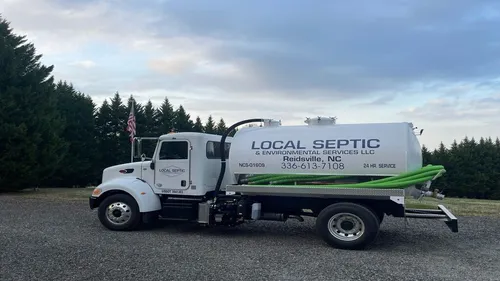
Local Septic & Environmental Services LLC
Winston Salem, NC
Local Septic & Environmental Services LLC is a family-owned septic company serving Winston Salem, NC, and surrounding counties. They provide a full range of septic services including tank pumping, inspections, repairs, new system installations, and drain field replacements. The company uses advanced inspection tools and modern excavation equipment to diagnose and address septic issues accurately. With decades of experience, Local Septic offers emergency services to handle urgent septic problems beyond regular business hours.
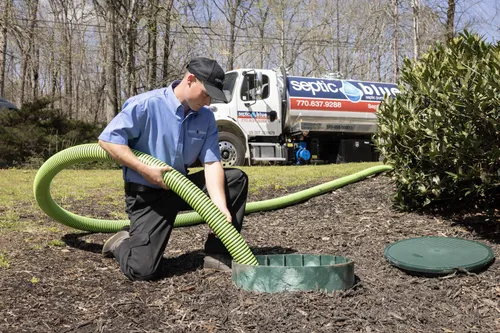
Septic Blue of Burlington
1803 N Jim Minor Rd, Haw River, NC 27258
Septic Blue of Burlington provides septic tank pumping, inspection, repair, and installation services in Greensboro, NC. They offer emergency septic pumping and routine maintenance to help prevent system failures and protect property and local ecosystems. Their services include thorough septic cleaning that removes sludge and buildup to maintain system efficiency. Septic Blue emphasizes eco-friendly practices and personalized maintenance schedules based on household size and water usage.
James Septic & Groundworks
Winston Salem, NC
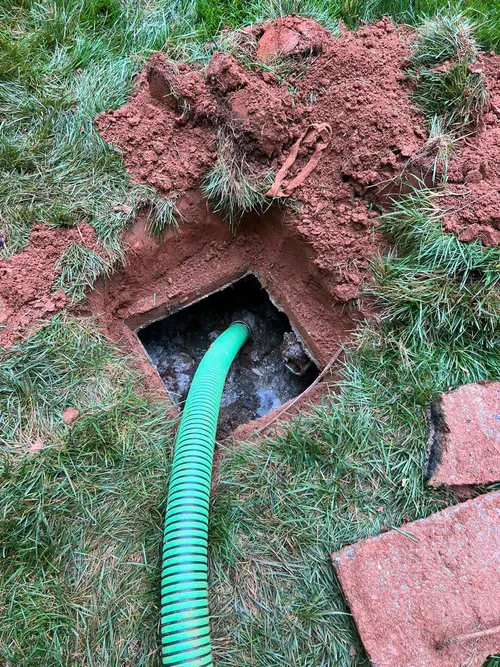
James Septic & Groundworks is a septic tank inspection, installation, and repair company serving Winston Salem, NC, and the broader Piedmont Triad area. With over 30 years of experience, they specialize in evaluating and maintaining septic systems using a unique "Search and Rescue" approach to extend system lifespan and avoid costly replacements. Their services include thorough inspections and tailored solutions to optimize septic system functionality and protect property values.
Summey Portable Restrooms, LLC
Durham, NC
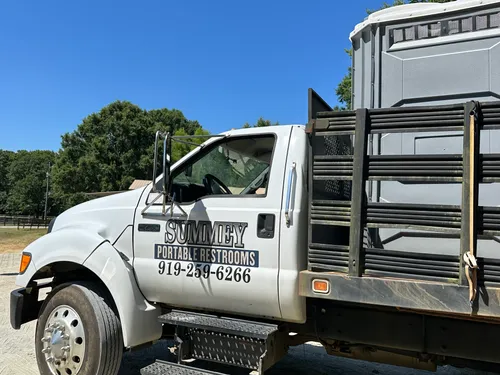
Summey Portable Restrooms, LLC is a family-owned sanitation company serving Durham, NC, and the Piedmont Triad area. They offer a variety of services including portable restrooms, dumpster rentals, septic tank maintenance, inspections, and pumping. Their team provides 24/7 emergency services and same-day service availability when possible, ensuring timely support for events, construction sites, and urgent sanitation needs. The company is fully licensed and insured, emphasizing compliance and safety in all operations.
Why Septic System Evaluations Matter in Alamance County
For many homes in Burlington and the surrounding Alamance County area, a septic system is a private wastewater treatment plant. Unlike a city sewer connection, the homeowner is fully responsible for its maintenance and repair. A thorough septic system inspection provides a clear snapshot of its condition, identifying potential failures before they become costly emergencies or environmental hazards. Local regulations often mandate these checks during property transfers to ensure the system is functioning properly for the new owner. Regular inspections are a cornerstone of preventative care, much like getting a check-up for your home's essential systems.
What Burlington Homeowners Can Expect During an Inspection
A professional septic inspection is a detailed process that goes beyond a simple look. Here's a step-by-step breakdown of what a certified inspector will typically do at your Burlington property:
- Location and Excavation: The inspector first locates the septic tank and drainfield. They will then carefully excavate to uncover the tank's inspection lids, as well as the inlet pipe (where wastewater enters from the house) and outlet pipe (where liquid flows to the drainfield).
- Liquid Level Assessment: The inspector checks the liquid level inside the tank. An abnormally high level can indicate a blockage in the outlet or a failing drainfield, while a low level might suggest a leak.
- Sludge and Scum Measurement: This is a key quantitative step. Using specialized tools, the inspector measures the depth of the sludge layer at the bottom of the tank and the scum layer floating at the top. If the combined thickness exceeds one-third of the tank's liquid depth, pumping is immediately required to prevent solids from escaping into the drainfield.
- Structural Inspection: The tank itself is examined for cracks, leaks, or signs of deterioration. The baffles or tees (which prevent solids from exiting the tank) are checked for damage or wear 1 2.
- Drainfield Evaluation: The inspector surveys the drainfield area for warning signs like surfacing sewage, soggy ground, or unusually lush and green vegetation, which can all indicate a failing absorption field 3.
Find the perfect septic tank inspection companies for your needs
Get personalized recommendations and expert advice
Understanding Local Regulations and Compliance
Septic systems in Alamance County are regulated by the Alamance County Environmental Health department, which enforces North Carolina state rules. Compliance isn't just about passing an inspection; it involves several key requirements:
- Permits Are Required: Any installation, modification, or significant repair of a septic system requires an Improvement Permit and Construction Authorization from the local health department before work begins 4.
- System Capacity: Systems must be designed and maintained to hold at least five days of storage capacity plus two days of emergency storage, calculated at 60 gallons per person per day 5.
- Mandatory Inspections: The health department requires inspections for Operation Permits, especially for larger systems (over 3,000 gallons per day) or engineered systems with pumps or advanced treatment components 6.
- Drainfield Protection: It is prohibited to drive vehicles over, build structures on, or divert roof gutter or sump pump discharge into the septic drainfield area, as compaction and excess water can cause system failure 7.
Cost Factors for Septic Inspections in Burlington
The cost of a septic tank check or evaluation in Burlington can vary based on the scope of service and system specifics. Understanding the components helps clarify the investment.
- Inspection Fees: A standard pre-purchase or routine maintenance inspection typically ranges from $200 to $5008 9. This fee covers the visual and mechanical evaluation described above.
- Pumping Fees: If the inspection reveals that the tank needs to be pumped (which is recommended every 3-5 years), this will be an additional cost. Pumping fees depend on the tank's size and accessibility 10.
- Variables That Affect Price: The final cost can be influenced by how easily the tank is located and uncovered, whether the tank is pumped as part of the service, and the type of system (e.g., a conventional gravity system is simpler to inspect than an engineered system with pumps and alarms) 11.
The Role of Inspections in Property Transactions
A pre-purchase septic evaluation is one of the most important contingencies a homebuyer in Burlington can include in their offer. It goes far beyond a standard home inspection, which usually only includes a cursory check of the system. A dedicated septic inspection will provide a detailed report on the system's age, condition, and remaining lifespan, which can be used for negotiation or to plan for future maintenance costs. Given that replacing a failed septic system can cost tens of thousands of dollars, this inspection is a crucial layer of financial protection for what is often a property's most valuable and expensive utility.
Maintaining Your System Between Inspections
A good inspection report is a starting point for long-term care. To keep your system functioning properly and extend its life, follow these guidelines:
- Pump Regularly: Have the tank pumped by a licensed professional every 3 to 5 years, or as recommended based on inspection findings.
- Conserve Water: Spread out laundry loads and fix leaking faucets to avoid overwhelming the system.
- Mind What You Flush: Only human waste and toilet paper should go down the drain. Avoid flushing chemicals, grease, diapers, wipes (even "flushable" ones), and coffee grounds.
- Protect the Drainfield: Keep the area clear of trees and shrubs whose roots can cause damage, and never pave over it.
Frequently asked questions
Sources
Footnotes
-
What to Expect from a Septic Inspection - https://www.wrenvironmental.com/blog/2023/may/what-to-expect-from-a-septic-inspection/ ↩
-
How to Get Septic to Pass Inspection - https://www.guardianangelinspections.com/how-to-get-septic-to-pass-inspection ↩
-
What to Expect During a Septic Inspection: A Step-by-Step Inspection Process - Septic System Installation Burlington WA - https://northsoundseptic.com/blog/what-to-expect-during-a-septic-inspection-a-step-by-step-inspection-process/ ↩
-
Septic Systems and Their Maintenance - https://content.ces.ncsu.edu/septic-systems-and-their-maintenance ↩
-
STANDARD OPERATING PROCEDURES AND DESIGN GUIDELINES - https://www.dph.ncdhhs.gov/media/2588/open ↩
-
INSPECTION OF ENGINEERED SUBSURFACE WASTEWATER ... - https://www.dph.ncdhhs.gov/media/1558/download?attachment ↩
-
Understanding and Protecting Your Septic System - https://ehs.dph.ncdhhs.gov/oswp/docs/Understanding-protecting-septic-systems-FACTSHEET.pdf ↩
-
NC SEPTIC LAW | Elite Home Inspections - https://www.elitehomeinspectionsnc.com/nc-septic-law ↩
-
Pre-Purchase Septic Inspections: Protect Your Investment - https://septic911.com/prepurchase-septic-inspections/ ↩
-
Septic System Owner's Guide - NC State Extension Publications - https://content.ces.ncsu.edu/septic-system-owners-guide ↩
-
Greensboro Septic System Compliance: Avoid Fines | Septic System Professionals - https://septic911.com/greensboro-septic-system-compliance/ ↩