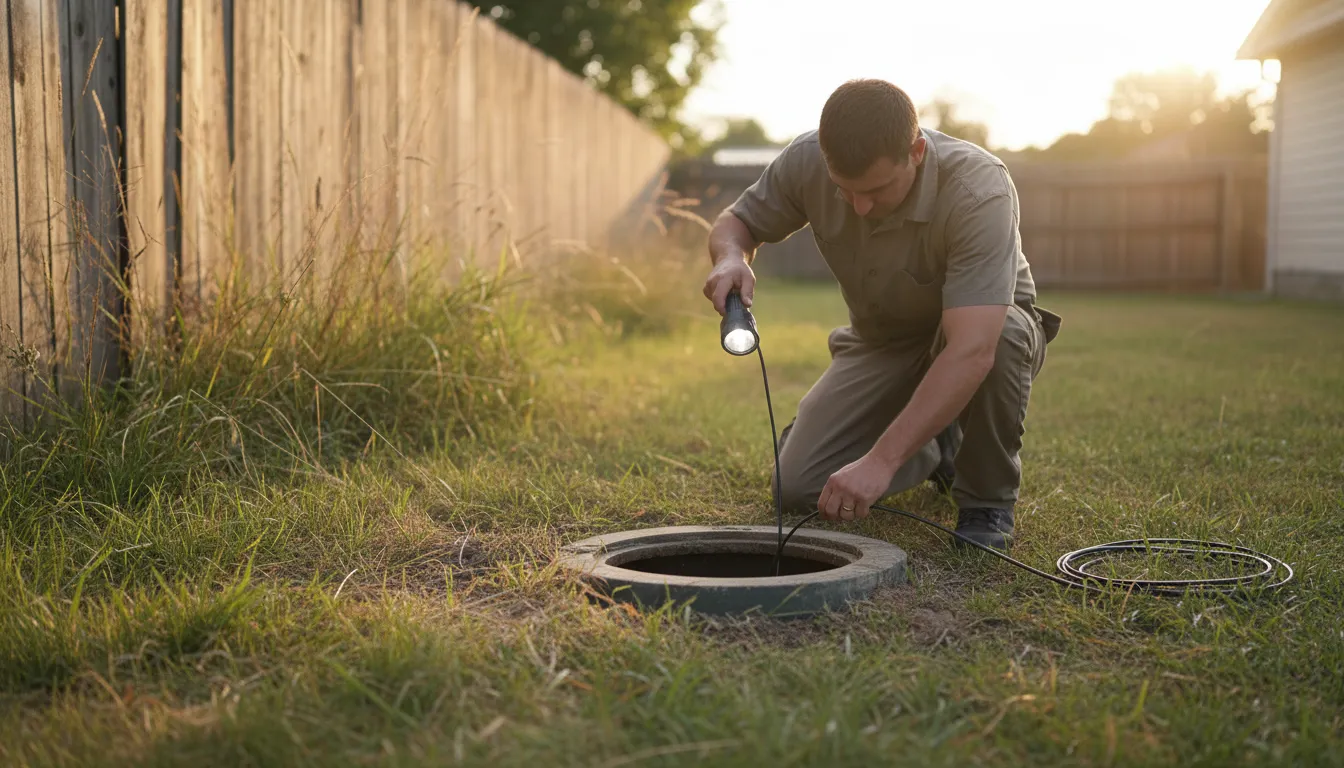
Find the Best Septic Tank Inspection Companies for Your Business
No obligation • Fast responses • Nationwide coverage

Why you can trust Septic Spot
Septic Spot is a leading United States resource for understanding and comparing septic services. Our editors review providers using consistent criteria and verify key business details. Listings and scores are independent, and companies cannot pay to influence our content.
Search providers near you
Top Septic Tank Inspection Companies in Chapel Hill, North Carolina Ranked
A septic tank inspection is a professional assessment of your onsite wastewater system's condition and functionality. In Chapel Hill, these evaluations are critical for protecting public health, ensuring environmental safety, and maintaining property value. Whether you're buying a home, maintaining your system, or addressing a suspected problem, this guide will help you understand the local requirements, process, and what to look for in a qualified inspector.

Advantage Home Inspection
4020 Wake Forest Rd, Raleigh, NC 27609
Advantage Home Inspection is based in Raleigh, NC, offering a range of inspection services including septic tank inspection and pumping. They provide detailed septic inspections that include line scoping when accessible, along with other home and commercial inspection services such as foundation, framing, termite, radon, and sewer scope inspections. Their service area covers a 45-mile radius from their main office, and they cater to both residential and commercial properties.
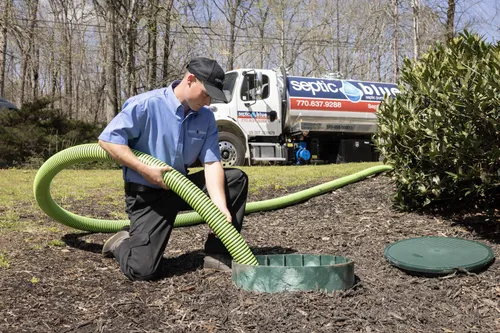
Septic Blue of Burlington
1803 N Jim Minor Rd, Haw River, NC 27258
Septic Blue of Burlington provides septic tank pumping, inspection, repair, and installation services in Greensboro, NC. They offer emergency septic pumping and routine maintenance to help prevent system failures and protect property and local ecosystems. Their services include thorough septic cleaning that removes sludge and buildup to maintain system efficiency. Septic Blue emphasizes eco-friendly practices and personalized maintenance schedules based on household size and water usage.
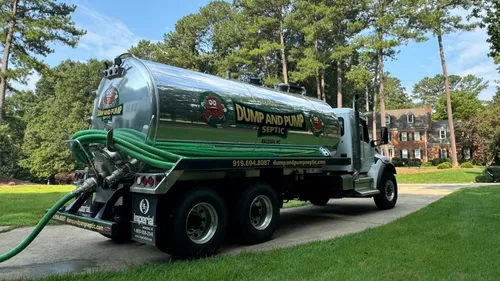
Dump & Pump Septic
515 S New Hope Rd, Raleigh, NC 27610
Dump & Pump Septic is a septic tank pumping and inspection company serving Raleigh, NC, and surrounding counties including Wake, Johnston, Chatham, Franklin, Harnett, Granville, Lee, and Durham. They provide septic services for both rural and urban areas, offering thorough pumping and inspection work. The company is fully licensed and insured, with decades of experience in the septic industry. Dump & Pump Septic is known for transparent pricing and reliable service.
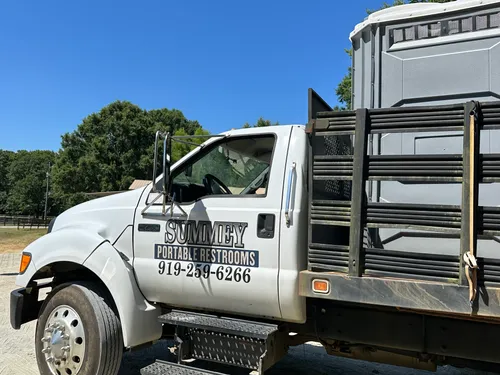
Summey Portable Restrooms, LLC
Durham, NC
Summey Portable Restrooms, LLC is a family-owned sanitation company serving Durham, NC, and the Piedmont Triad area. They offer a variety of services including portable restrooms, dumpster rentals, septic tank maintenance, inspections, and pumping. Their team provides 24/7 emergency services and same-day service availability when possible, ensuring timely support for events, construction sites, and urgent sanitation needs. The company is fully licensed and insured, emphasizing compliance and safety in all operations.

McFarland Septic
501 Valley Forge Rd, Hillsborough, NC 27278
McFarland Septic is a septic tank pumping, inspection, and repair company serving Durham, NC. They specialize in diagnosing and addressing septic system issues, including drain field repair and replacement. The company provides guidance on common septic problems such as clogged inlet pipes and effluent filter maintenance. McFarland Septic helps customers understand when issues are septic-related versus plumbing-related and offers practical advice for system upkeep.
Why Septic System Inspections Are Required in Chapel Hill
In North Carolina, and specifically in Orange County where Chapel Hill is located, septic system evaluations are not just a good idea-they are often mandated by law. The most common trigger for a mandatory inspection is a real estate transfer. State law requires that a system be inspected prior to the sale of any property that relies on an onsite wastewater system, ensuring the new owner is not inheriting a failing or non-compliant system 1. Beyond real estate, inspections are a cornerstone of responsible system maintenance. They can identify minor issues before they become major, costly failures, protecting local groundwater from contamination in a community that values its environmental health.
Local oversight falls to the Orange County Environmental Health Department, which administers permits for new systems, repairs, and replacements. Any significant work on your system, from replacing a tank to repairing a drain field, will require a permit from this department, and an inspection is typically the first step in that process.
Who Can Perform a Certified Inspection?
Not just any contractor can perform a legally valid septic inspection in North Carolina. Inspectors must be certified by the North Carolina On-Site Wastewater Contractors and Inspectors Certification Board (NCOWCICB). This state-level certification ensures the inspector has the training and knowledge to properly evaluate system components against North Carolina regulations. Always verify that your chosen professional holds this active certification. Some full-service septic companies have certified inspectors on staff, while other inspectors operate independently.
The Step-by-Step Inspection Process
A thorough septic system assessment is a multi-step process that goes beyond just looking at the tank. A certified inspector will follow a standardized procedure, often using the official NCOWCICB inspection form as a guide 2.
1. Locating and Exposing System Components The inspection begins by locating the septic tank, its access lids, and often the distribution box (d-box). This may require probing the ground or referring to existing "as-built" diagrams. The lids must be uncovered to allow for internal inspection.
2. Evaluating Tank Interior and Sludge/Scum Levels Once opened, the inspector will measure the levels of sludge (solid waste at the bottom) and scum (floating fats and greases). These measurements determine if the tank needs to be pumped. They will also check the tank's structural integrity for cracks, check inlet and outlet baffles or tees for damage or blockages, and ensure the tank is watertight 3 4.
3. Checking Pumps and Mechanical Components If your system includes a pump (common in many Chapel Hill systems due to soil conditions or topography, classified as Type IIIB, IV, or V), this is a critical check. The inspector will verify the pump's operation, check the pump tank float switches, and ensure the alarm system is functional 5.
4. Assessing the Drain Field The final, and arguably most important, phase occurs at the drain field (or soil absorption field). The inspector looks for telltale signs of failure: surfacing sewage, overly soggy or bright green grass, and foul odors. A failing drain field is the most serious and expensive problem a septic system can have 6 7.
Find the perfect septic tank inspection companies for your needs
Get personalized recommendations and expert advice
Understanding Inspection Costs and Related Fees
The cost of a septic inspection in Chapel Hill varies based on the scope of work. A standard inspection for a real estate transaction typically ranges from $200 to $5008 9. If the inspection reveals that the tank needs to be pumped-which is very common during a sale-the combined cost for inspection and pumping will often exceed $500, depending on tank size and accessibility 8 10.
It's crucial to understand that the inspection fee is separate from any permit or repair costs. If the inspection uncovers issues requiring repair, you will need to obtain an Improvement Permit or Construction Authorization from the Orange County Environmental Health Department, which carries its own fee 11. Major component replacement is a permitted activity, and costs can vary widely based on the project's complexity.
Special Considerations for Chapel Hill Homeowners
Chapel Hill residents should be aware of a few local specifics. First, the dense soils and sloping terrain common in the area often necessitate more complex alternative system designs that include pumps, sand filters, or other advanced treatment components. These systems frequently come with mandatory, periodic inspections mandated by the county to ensure they continue operating correctly. The inspection frequency can range from every 1 to 5 years based on the system's design and complexity 12.
Second, as a homeowner, you are ultimately responsible for your septic system's proper operation and maintenance. The NC State Extension Septic System Owner's Guide is an excellent free resource for understanding your system and your responsibilities 13. Proactive, regular inspections every 3-5 years (outside of real estate transactions) are the best way to avoid emergency failures and protect your investment.
Interpreting Your Inspection Report
After the evaluation, you will receive a detailed inspection report. This document will state whether the system "PASSED" or "FAILED" based on NCOWCICB and Orange County standards. A failing report will itemize the deficiencies, such as "high sludge level," "broken baffle," or "drain field failure." This report becomes the roadmap for any necessary repairs. For a real estate sale, the terms of the contract will dictate who is responsible for addressing these items. For a maintenance inspection, it gives you a clear priority list to discuss with a qualified repair contractor.
Frequently asked questions
Sources
Footnotes
-
NC General Statutes - Chapter 130A Article 11 - https://www.ncleg.gov/EnactedLegislation/Statutes/PDF/ByArticle/Chapter_130A/Article_11.pdf ↩
-
NCOWCICB-Inspection-Form.pdf - https://ncowcicb.info/wp-content/uploads/2024/04/NCOWCICB-Inspection-Form.pdf ↩
-
Septic Inspection Process: What Homeowners Should Know | LunsPro - https://www.lunspro.com/vlog/the-septic-system-inspection-process-what-homeowners-should-know ↩
-
2026 Septic Inspection Costs | Tank, System, & Title 5 - https://homeguide.com/costs/septic-tank-inspection-cost ↩
-
Septic Inspection - https://freeflownc.com/septic-inspection/ ↩
-
Point of Sale Inspection Requirements - MARLIN - https://mseptic.com/septic-inspection-requirements-north-carolina ↩
-
Septic System Inspections - InterNACHI® - https://www.nachi.org/inspecting-septic-systems.htm ↩
-
NC SEPTIC LAW | Elite Home Inspections - https://www.elitehomeinspectionsnc.com/nc-septic-law ↩ ↩2
-
2026 Guide to Septic Inspection in Georgia - https://dandhsepticservices.com/septic-inspection-in-georgia/ ↩
-
FAQ: Septic System Permits - https://mseptic.com/blog/2019/7/22/faq-septic-system-permits ↩
-
Septic Systems | Orange County, NC - https://www.orangecountync.gov/731/Septic-Systems ↩
-
Septic System Inspections - Wake County Government - https://www.wake.gov/departments-government/onsite-water-protection/septic-systems/septic-system-inspections ↩
-
Septic System Owner's Guide - NC State Extension Publications - https://content.ces.ncsu.edu/septic-system-owners-guide ↩