Find the Best Septic Tank Inspection Companies for Your Business
No obligation • Fast responses • Nationwide coverage

Why you can trust Septic Spot
Septic Spot is a leading United States resource for understanding and comparing septic services. Our editors review providers using consistent criteria and verify key business details. Listings and scores are independent, and companies cannot pay to influence our content.
Search providers near you
Top Septic Tank Inspection Companies in Concord, North Carolina Ranked
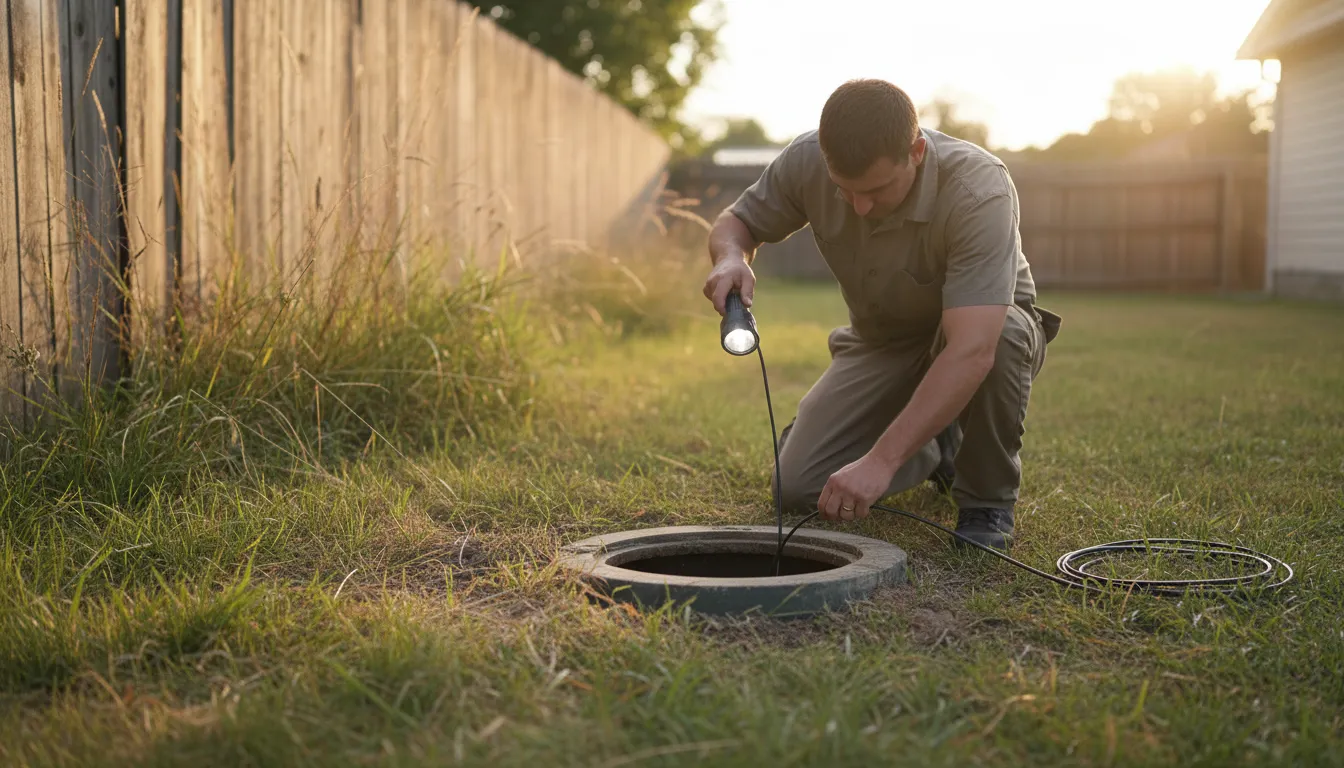
A septic tank inspection is a professional assessment of your onsite wastewater system's condition and functionality. In North Carolina, these evaluations are critical for protecting public health, preventing environmental contamination, and ensuring your property's value. Whether you're buying a home, maintaining your system, or complying with local regulations, finding a qualified, state-certified inspector is the essential first step. This guide provides the information you need to understand the process, requirements, and costs specific to North Carolina, helping you connect with the right local professionals for your needs.
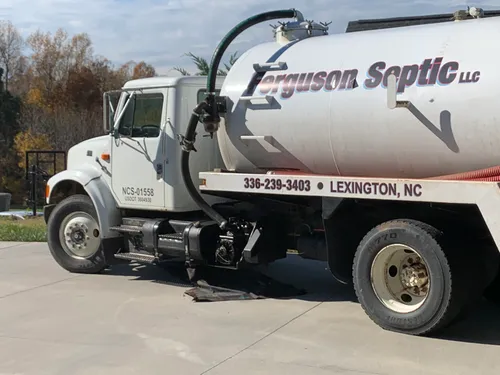
Ferguson Septic Tank Pumping Services
227 Point Harbor Rd, Lexington, NC 27292
Ferguson Septic Tank Pumping Services is a family-owned business based near Charlotte, NC, specializing in septic tank pumping, cleaning, locating, and evaluation. They provide licensed and insured septic services including regular maintenance and professional assessments to ensure proper tank function. The company is operated by a father and son team with certified expertise in septic system management. Ferguson Septic emphasizes the importance of pumping every five years and offers guidance on septic tank care to extend system longevity.
Charlotte Septic Pros
4916 Stough Rd, Concord, NC 28027
Charlotte Septic Pros is a locally owned and licensed septic company serving Charlotte, NC, and nearby towns. They provide a range of septic services including tank pumping, cleaning, inspection, repair, and installation. Their team offers upfront pricing and focuses on maintaining the safety and efficiency of septic systems. Charlotte Septic Pros is insured and committed to clear communication with customers throughout the service process.
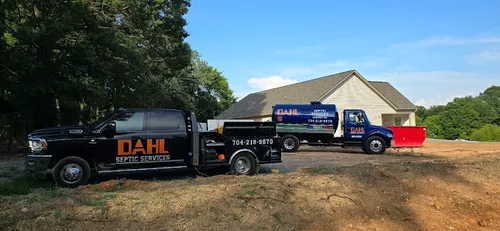
Dahl Septic Services
214-B E North St, Albemarle, NC 28001
Dahl Septic Services provides a range of septic system solutions in Charlotte, NC. Their services include septic tank pumping, inspection, repairs, and installation, along with land clearing to prepare sites for new systems. The team is skilled in operating heavy machinery and holds Class A CDL certifications, ensuring they can handle various septic service needs efficiently. With years of experience in the industry, Dahl Septic Services has established itself as a knowledgeable provider in the southeastern North Carolina area.
Affordable Septic Services of North Carolina
Charlotte, NC
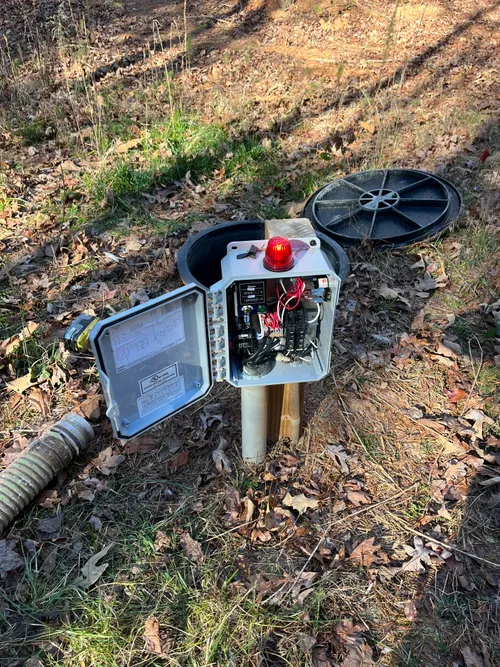
Affordable Septic Services of North Carolina provides comprehensive septic system care in Charlotte, NC, and Mecklenburg County. They offer a full range of services including septic tank pumping, cleaning, inspection, repair, and drain field replacement for both residential and commercial properties. Their team is equipped to handle routine maintenance as well as emergency septic pumping, using professional equipment and proven techniques to ensure reliable system performance. With over ten years of experience, they focus on accurate diagnostics and long-term solutions to protect property investments.
STS Complete Septic Service & Grading
170 Butterfly Ln, Rockwell, NC 28138
STS Complete Septic Service & Grading is a family-owned business based in Charlotte, NC, specializing in septic system services and land grading. They offer septic pumping, certified inspections, complete septic system installation and repair, as well as land clearing with a forestry mulcher and drainage repair. The company emphasizes restoring properties to their original condition or better after work is completed, combining technical septic expertise with land artistry.
Why Septic Inspections Are Required in North Carolina
Septic system inspections are not just a recommendation in North Carolina; they are often a legal requirement. The state mandates inspections to prevent groundwater pollution, protect waterways, and ensure systems are functioning safely. The most common triggers for a mandatory inspection are property sales and the specific maintenance schedules tied to your system's permit.
During a real estate transaction, a passing inspection is frequently a contingency for closing. Lenders and buyers require assurance that the wastewater system is operational and won't require immediate, costly repairs. Beyond real estate, local health departments enforce regular inspection schedules-typically every 1 to 5 years-depending on the system's type, age, and complexity 1 2. Adhering to these schedules is crucial for maintaining your Operation Permit, which is your legal authorization to use the system.
Understanding North Carolina's Septic System Permits
The permitting process governs all septic system activity in North Carolina. There are two primary permits you should know about:
- Construction Authorization Permit: This is required before any new septic system can be built or an existing system can be significantly repaired or altered. The permit process involves a site evaluation by the local health department to determine soil suitability and design requirements.
- Operation Permit: Once a system is installed and approved, an Operation Permit is issued. This permit outlines the specific conditions for use, including mandatory maintenance and inspection frequencies. Your local Environmental Health office manages this permit and its requirements 3 4.
All inspections and maintenance must be documented and may need to be reported to your local health department to keep your Operation Permit in good standing.
Who Can Perform a Legal Inspection?
Not just any contractor can perform a legally recognized septic inspection in North Carolina. The state requires inspectors to be certified by the North Carolina Onsite Wastewater Contractor Inspectors Certification Board (NCOWCICB). Hiring a certified professional ensures the inspection meets state standards and will be accepted by health departments, lenders, and real estate agencies.
When searching for an inspector, verify their NCOWCICB certification. Many licensed septic pumping companies, engineering firms, and specialized inspection companies employ certified inspectors. Your local county health department can often provide a list of certified professionals operating in your area.
What Does a Standard Inspection Cover?
A comprehensive septic system evaluation goes far beyond just looking at the tank. A certified inspector will follow a standardized process to assess the entire system's health:
- Locating & Exposing System Components: The inspector will locate and uncover the tank access lids and distribution box.
- Tank Assessment: This includes measuring sludge and scum levels to determine if pumping is needed, checking the tank's structural integrity for cracks or leaks, and inspecting inlet and outlet baffles to ensure they are intact and functional 5 6.
- Drain Field Evaluation: The inspector will look for signs of failure, such as surfacing sewage, soggy ground, or unusually lush grass over the field lines. They may also perform a dye test to check for improper drainage.
- Mechanical Component Check: For systems with pumps, electrical controls, alarms, or advanced treatment components (like aerobic treatment units), the inspector will test all mechanical parts for proper operation.
- Report Generation: You will receive a detailed report documenting the condition of each component, any deficiencies found, and recommendations for repairs or maintenance.
Find the perfect septic tank inspection companies for your needs
Get personalized recommendations and expert advice
How Often Should You Schedule an Inspection?
Inspection frequency in North Carolina is not one-size-fits-all; it's dictated by your system's type and the conditions of your Operation Permit.
- Conventional Gravity Systems (Type I & II): For standard septic systems without pumps, a routine inspection every 3 to 5 years is generally recommended, even if not explicitly required by your permit 7.
- Systems with Pumps or Pressure Distribution (Type IIIB/IV): These more complex systems are required by the North Carolina Administrative Code to be inspected more frequently, typically every 3 to 5 years.
- Advanced Treatment Systems (Type V): Systems with additional nitrogen reduction or other advanced technologies often have the strictest requirements, mandating annual or semi-annual inspections and maintenance.
- Property Sale: An inspection is almost always required when selling a home with a septic system.
- Signs of Trouble: Schedule an inspection immediately if you notice slow drains, sewage odors, gurgling pipes, or wet spots in your yard.
Septic Inspection Costs in North Carolina
The price of a septic inspection in North Carolina varies based on the inspection's depth, system size, and location. Here's a general breakdown of what you can expect:
- Basic Visual/Dye Test: A limited inspection, sometimes used for preliminary checks, may range from $100 to $200.
- Standard Full Inspection: The most common type for real estate or routine checks, performed by a certified inspector, typically costs between $200 and $500 8.
- Comprehensive Inspection with Pump-Out: If the inspection reveals the tank needs to be pumped, or if you schedule them together, the combined service can cost $500 to $900 or more 9.
- State Average: Data suggests the average cost for a standard septic tank inspection in North Carolina is approximately $540 10.
Remember, while cost is a factor, the inspector's certification and reputation are paramount. A cheaper, uncertified inspection could fail to identify critical issues, leading to far greater expenses down the line.
The Critical Link Between Inspection and Pumping
An inspection often reveals the need for pumping, but these are two distinct services. Pumping is the physical removal of accumulated solids from the septic tank. In North Carolina, pumping is typically needed every 3 to 5 years, but this depends heavily on tank size and household usage. For example:
- A 1,000-gallon tank serving a family of four may need pumping every 2.5 years.
- A 1,500-gallon tank under similar conditions might extend to a 4-year interval 11.
Your inspector will measure sludge and scum levels during the evaluation and recommend pumping if they exceed guidelines. Regular pumping is the single most important maintenance task to prolong the life of your drain field and avoid system failure.
Choosing a Qualified North Carolina Inspector
Selecting the right professional is crucial. Follow these steps:
- Verify Certification: Confirm the inspector holds active NCOWCICB certification.
- Check Reviews and References: Look for established professionals with positive feedback from past clients.
- Ask About Their Process: Ensure they provide a comprehensive inspection that meets state standards, not just a quick look.
- Get a Detailed Quote: Understand exactly what is included in the price and what might incur additional charges (e.g., digging to find lids, pump-out services).
- Consult Your Local Health Department: They are an invaluable resource for understanding local rules and may maintain lists of certified providers.
By taking a proactive approach to septic system inspections, you safeguard your investment, protect the environment, and ensure the long-term, trouble-free operation of your home's wastewater system.
Frequently asked questions
Sources
Footnotes
-
Septic System Inspections | Wake County Government - https://www.wake.gov/departments-government/onsite-water-protection/septic-systems/septic-system-inspections ↩
-
Point of Sale Inspection Requirements - https://mseptic.com/septic-inspection-requirements-north-carolina ↩
-
NC Septic System Permitting Process | Rowan County - https://www.rowancountync.gov/1860/NC-Septic-System-Permitting-Process ↩
-
On-Site Wastewater & Septic Systems | Pitt County, NC - https://www.pittcountync.gov/378/On-Site-Wastewater-Septic-Systems ↩
-
Septic Systems - Orange County, NC - https://www.orangecountync.gov/731/Septic-Systems ↩
-
On-Site Wastewater (Septic Systems) - Johnston County - https://www.johnstonnc.gov/envhealth/content.cfm?pd=septic ↩
-
How Often Should Septic Tank Inspections Be Done? - https://www.tricountypumps.com/blog/how-often-should-septic-tank-inspections-be-done/ ↩
-
NC SEPTIC LAW | Elite Home Inspections - https://www.elitehomeinspectionsnc.com/nc-septic-law ↩
-
How Much Does a Septic Inspection Cost? [2026 Data] - Angie's List - https://www.angi.com/articles/septic-inspection-cost.htm ↩
-
Septic Tank Inspection Cost: Here's The 2026 Average - iBuyer.com - https://ibuyer.com/blog/how-much-is-a-septic-tank-inspection/ ↩
-
How Often Should You Pump Your Septic Tank: 3 Factors Solved - https://www.frasiers.com/blog/sewage-tank-pump-frequency/ ↩