Find the Best Septic Tank Inspection Companies for Your Business
No obligation • Fast responses • Nationwide coverage

Why you can trust Septic Spot
Septic Spot is a leading United States resource for understanding and comparing septic services. Our editors review providers using consistent criteria and verify key business details. Listings and scores are independent, and companies cannot pay to influence our content.
Search providers near you
Top Septic Tank Inspection Companies in Gastonia, North Carolina Ranked
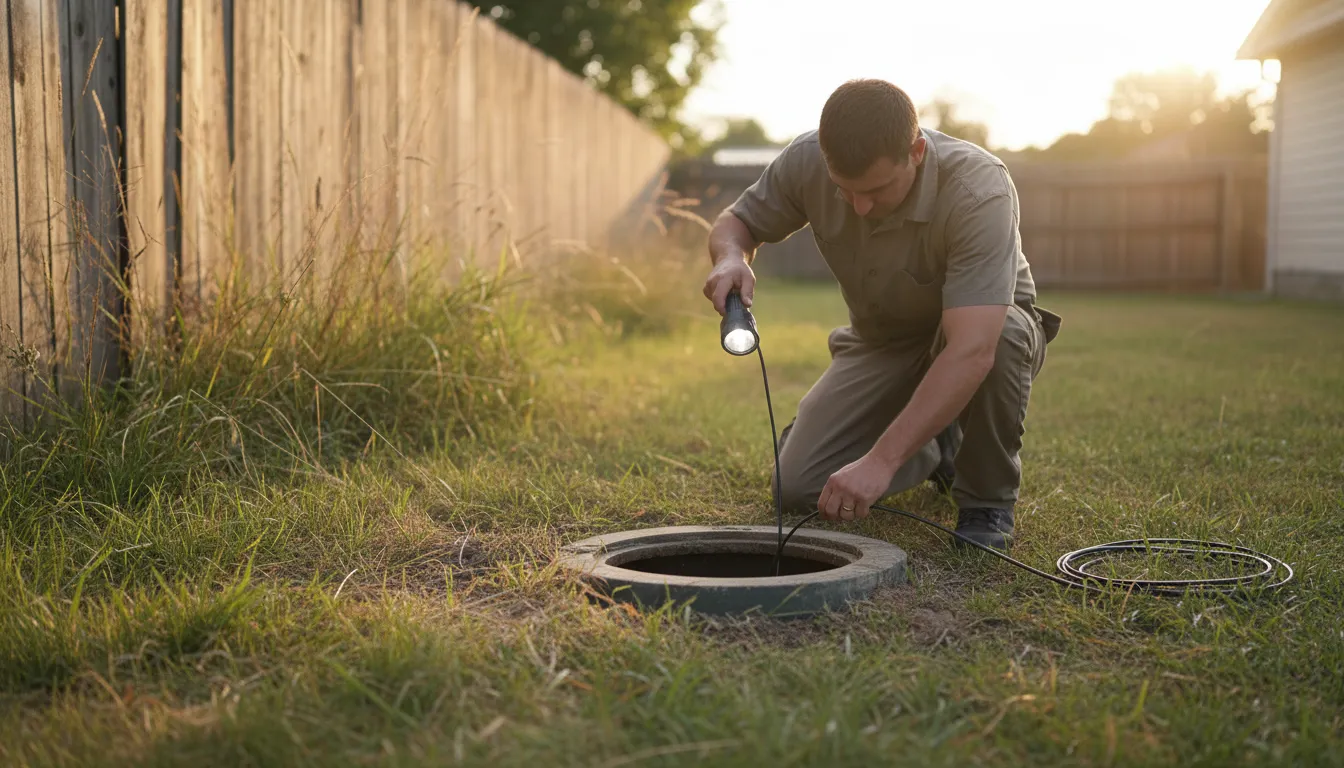
A septic tank inspection is a critical evaluation of your on-site wastewater system to ensure it is functioning safely and efficiently. For homeowners in Gastonia, these assessments are vital for protecting your property value, ensuring public health, and complying with local regulations, particularly during real estate transactions. This guide helps you understand the inspection process, local requirements, and how to find qualified professionals to evaluate your system.
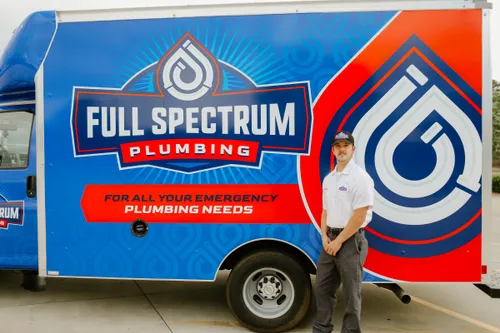
Full Spectrum Plumbing Services
150 B W Thomas Dr, Fort Mill, SC 29708
Full Spectrum Plumbing Services is a plumbing company based in Fort Mill, SC, serving the local community and surrounding York County areas including Tega Cay and Indian Land. They provide a range of services including septic tank inspections and minor repairs, sewer line repairs, water heater installation, and comprehensive plumbing solutions tailored to both older homes and new developments. With over 20 years of experience, they use advanced equipment like camera inspections and hydrojetting to address issues such as leaks, drain backups, and septic system performance. Their team is licensed and equipped to handle emergency plumbing and gas line repairs as well.
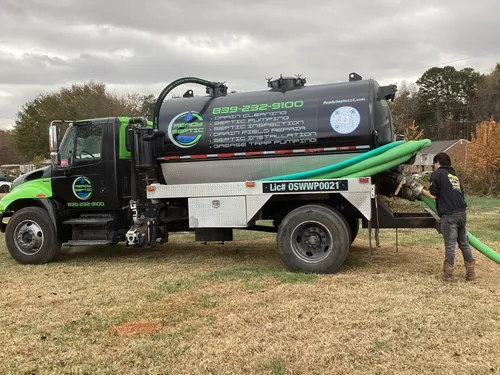
Ready Septic
3925 Woodlawn St, Sharon, SC 29742
Ready Septic is a septic service company based in Charlotte, NC, specializing in residential and commercial sewer and septic system services. They serve York County, SC, and surrounding areas including Greenville, Spartanburg, and Columbia. Their offerings include septic tank pumping, installation, inspection, drain cleaning, hydro jetting, sewer repair, and sump pump services. Ready Septic uses advanced diagnostic tools and high-capacity vacuum technology to maintain and repair septic systems, ensuring compliance with local health codes. With over 30 years of combined industry experience, they provide solutions tailored to local soil and topographic conditions.
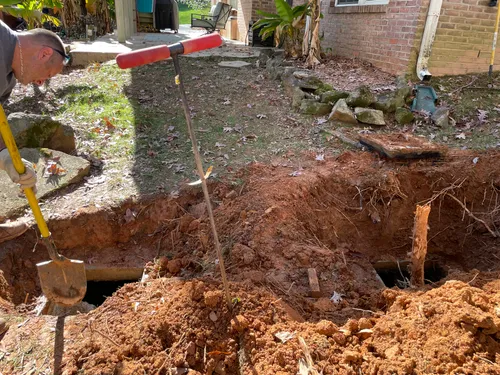
Morehead Septic Services LLC
1011 State Rd S-46-564, Clover, SC 29710
Morehead Septic Services LLC is a locally owned and operated septic company serving Charlotte, NC, and surrounding areas. The business offers septic tank pumping, inspection, repair, and replacement services, including baffle replacements, pump repairs, and installation of cleanouts and risers to improve system access and maintenance. They use advanced diagnostic tools to identify issues and provide solutions that comply with DHEC standards. Owner Keith Morehead personally handles jobs to ensure attention to detail and customer care. Morehead Septic Services also provides 24/7 emergency septic services for urgent needs.
Affordable Septic Services of North Carolina
Charlotte, NC
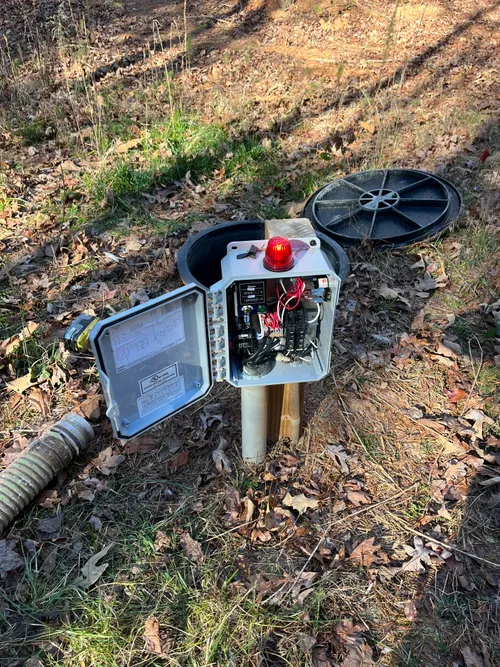
Affordable Septic Services of North Carolina provides comprehensive septic system care in Charlotte, NC, and Mecklenburg County. They offer a full range of services including septic tank pumping, cleaning, inspection, repair, and drain field replacement for both residential and commercial properties. Their team is equipped to handle routine maintenance as well as emergency septic pumping, using professional equipment and proven techniques to ensure reliable system performance. With over ten years of experience, they focus on accurate diagnostics and long-term solutions to protect property investments.
Septic Blue of Rock Hill
103 Schoolside Dr #135, Rock Hill, SC 29730
Septic Blue of Rock Hill provides septic system services including pumping, inspection, and repair for homeowners in Charlotte, NC. They specialize in septic tank cleaning and drain field repairs, using specialized equipment to remove solid waste and maintain system function. The company offers emergency septic tank cleaning available at any hour, ensuring prompt attention when needed. Septic Blue is known for clear upfront pricing and thorough communication during service visits.
Why Septic System Inspections Are Essential in Gastonia
In Gaston County, where many homes rely on private septic systems instead of municipal sewer lines, regular system evaluations are a key part of responsible homeownership. A thorough septic inspection can identify problems like cracks, blockages, or drainfield failure before they lead to costly repairs or environmental contamination. For buyers and sellers, a professional inspection is often a mandatory step in the property transfer process, providing peace of mind and legal protection 1. Proactive checks help prevent sewage backups, foul odors, and the potential for groundwater pollution in our community.
Local Rules and the Role of Gaston County Environmental Health
All septic system work in Gastonia, including inspections tied to new construction, repairs, or property sales, falls under the jurisdiction of the Gaston County Environmental Health Department. This agency enforces state standards to protect public health and water quality.
- Permits Are Required: Before constructing, repairing, or significantly modifying any part of a septic system, a permit must be obtained from Gaston County Environmental Health. This ensures the work meets all technical and safety standards 2 3.
- Inspections for Property Transfer: Gaston County often requires a mandatory system inspection before a property can be legally transferred. This "point of sale" inspection verifies the system is operational and not a public health hazard.
- Property Owner Responsibilities: Homeowners are responsible for maintaining their systems and cannot conduct repairs without the proper permits. It is also crucial to avoid building structures, parking vehicles, or placing heavy items over the septic tank or drainfield, as this can cause damage.
What a Comprehensive Septic Inspection Involves
A professional septic system evaluation in Gastonia is more than just looking at the tank. A qualified inspector will follow a detailed process to assess the entire on-site wastewater system.
- Document Review & System Locating: The inspector will start by reviewing any existing permits and "as-built" design plans for your system, which can often be obtained from Gaston County Environmental Health. They will then locate all critical components: the septic tank, distribution box (d-box), and drainfield lines.
- Tank Inspection: The tank lid is opened to check for structural integrity, looking for cracks, leaks, or signs of corrosion. The inspector will also measure the levels of sludge and scum inside the tank to determine if pumping is needed 4.
- Baffle & Component Check: The inlet and outlet baffles inside the tank are inspected to ensure they are intact and functioning. These components are essential for preventing solids from flowing into the drainfield. If the system includes a pump or alarm, these are tested for proper operation 5.
- Drainfield Assessment: The inspector examines the drainfield area for warning signs like surfacing sewage, overly soggy soil, or unexplained lush vegetation, which can indicate a failure 6.
- Functional Testing: In many cases, a "load and dye" test may be performed. This involves running a significant amount of water through the household plumbing and sometimes adding a non-staining dye to check for proper wastewater flow and distribution, and to identify any unauthorized surfacing 7 8.
Find the perfect septic tank inspection companies for your needs
Get personalized recommendations and expert advice
Understanding Inspection Costs in Gastonia
The cost of a septic inspection in Gastonia can vary based on the scope of the evaluation, the size of the system, and the property's accessibility. According to local industry data, you can generally expect the following ranges 9 10:
- Inspection Only: A standard inspection typically costs between $300 and $600.
- Pumping Only: Having your tank pumped (which is often recommended during an inspection if sludge levels are high) usually costs an additional $200 to $500, depending on tank size.
- Combined Service: Many homeowners opt for a combined inspection and pumping service, which often ranges from $400 to $800 or more, providing a comprehensive maintenance solution.
How to Prepare for a Septic Inspection
A little preparation can help your inspection go smoothly and yield the best results.
- Locate Your System: If possible, find and clearly mark the location of your tank lids and drainfield. This saves the inspector time.
- Clear Access: Ensure the inspector has clear, unobstructed access to the tank, distribution box, and drainfield area. Move vehicles, lawn furniture, or stored items.
- Gather Documentation: Have any old permits, repair records, or system diagrams ready for the inspector to review.
- Be Aware of Rules: Remember that driving or parking heavy vehicles over any part of your septic system is a leading cause of damage and should always be avoided 11.
For specific questions about local requirements, you can contact Gaston County Environmental Health directly at 704-862-7501 or visit their website for resources on on-site wastewater and wells 12 13.
Maintaining Your System After the Inspection
Once your system has been inspected, regular maintenance is key to its longevity. Pumping your tank every 3-5 years (as recommended by the inspector), conserving water, and being mindful of what you flush are all essential practices. Keeping a record of all inspections, pumping, and repairs will be invaluable for your own planning and for any future real estate transactions.
Frequently asked questions
Sources
Footnotes
-
Septic Inspections: A Crucial Step for Home Buyers and Owners - https://lionhomeservice.com/septic/septic-system-inspections-a-crucial-step-for-home-buyers-and-owners/ ↩
-
NC Septic System Permitting Process - Rowan County - https://www.rowancountync.gov/1860/NC-Septic-System-Permitting-Process ↩
-
Septic System Program - AppHealthCare - https://www.apphealthcare.com/environmental-health/septic-system-program/ ↩
-
What to Expect During a Septic Tank Inspection - https://www.redfin.com/blog/what-you-need-to-know-about-septic-inspections/ ↩
-
How to Get Septic to Pass Inspection - https://www.guardianangelinspections.com/how-to-get-septic-to-pass-inspection ↩
-
Frequent Questions on Septic Systems | US EPA - https://www.epa.gov/septic/frequent-questions-septic-systems ↩
-
Point of Sale Inspection Requirements - MARLIN - https://mseptic.com/septic-inspection-requirements-north-carolina ↩
-
What to Expect During a Septic Tank Inspection? - GAI - https://www.guardianangelinspections.com/what-to-expect-from-a-septic-inspection ↩
-
Pre-Purchase Septic Inspections: Protect Your Investment - https://septic911.com/prepurchase-septic-inspections/ ↩
-
NC SEPTIC LAW - Elite Home Inspections - https://www.elitehomeinspectionsnc.com/nc-septic-law ↩
-
Understanding and Protecting Your Septic System - https://ehs.dph.ncdhhs.gov/oswp/docs/Understanding-protecting-septic-systems-FACTSHEET.pdf ↩
-
On-Site Wastewater and Wells | Gaston County, NC - https://www.gastongov.com/1220/On-Site-Wastewater-and-Wells ↩
-
On-Site Wastewater and Wells | Gaston County, NC - https://www.gastongov.com/1220/On-Site-Wastewater-and-Wells ↩