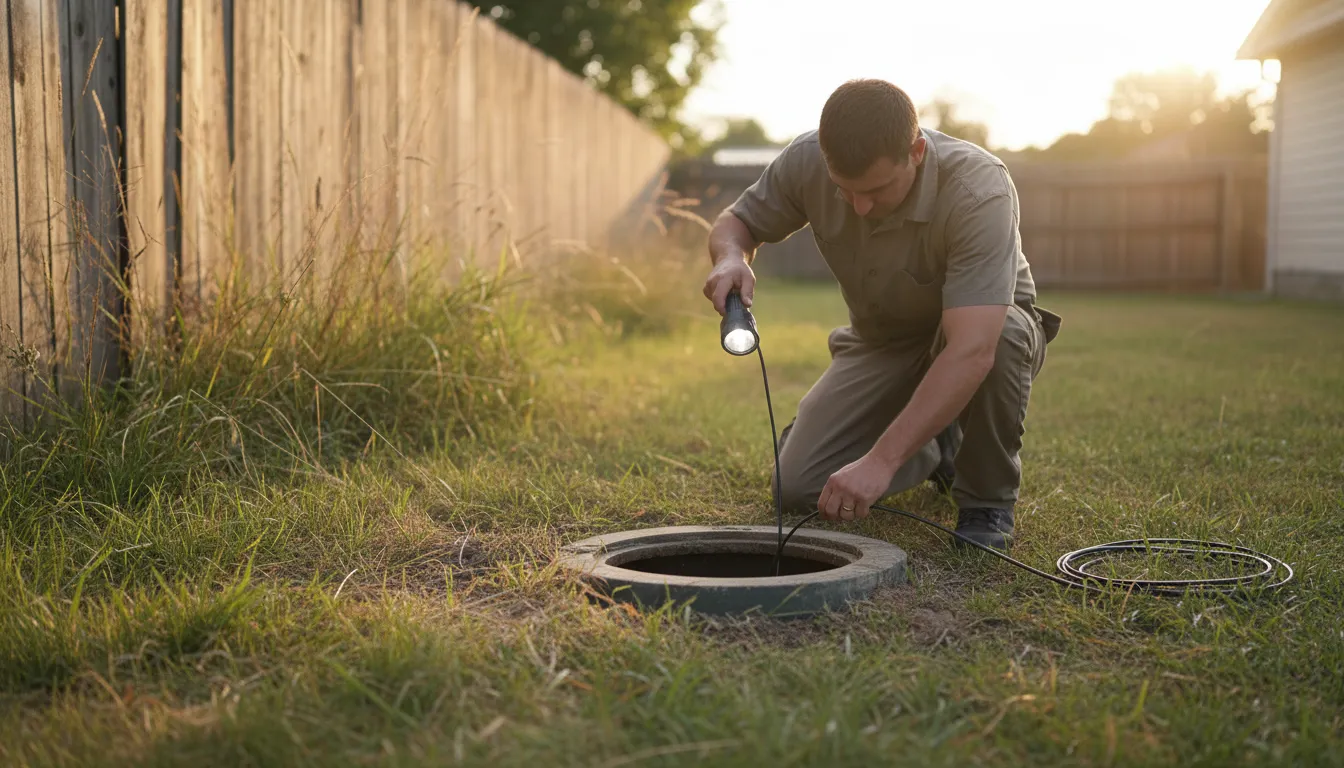
Find the Best Septic Tank Inspection Companies for Your Business
No obligation • Fast responses • Nationwide coverage

Why you can trust Septic Spot
Septic Spot is a leading United States resource for understanding and comparing septic services. Our editors review providers using consistent criteria and verify key business details. Listings and scores are independent, and companies cannot pay to influence our content.
Search providers near you
Top Septic Tank Inspection Companies in Wake Forest, North Carolina Ranked
A professional septic tank inspection is a critical evaluation of your onsite wastewater system's health, safety, and compliance with local regulations. This process matters because a failing system can pose serious health risks, cause environmental damage, and lead to costly emergency repairs. For homeowners in Wake Forest, understanding the inspection requirements and process is essential for routine maintenance, preparing for a property sale, or planning system upgrades. You can use this guide to learn what to expect, find qualified local professionals, and ensure your system operates effectively for years to come.

Advantage Home Inspection
4020 Wake Forest Rd, Raleigh, NC 27609
Advantage Home Inspection is based in Raleigh, NC, offering a range of inspection services including septic tank inspection and pumping. They provide detailed septic inspections that include line scoping when accessible, along with other home and commercial inspection services such as foundation, framing, termite, radon, and sewer scope inspections. Their service area covers a 45-mile radius from their main office, and they cater to both residential and commercial properties.
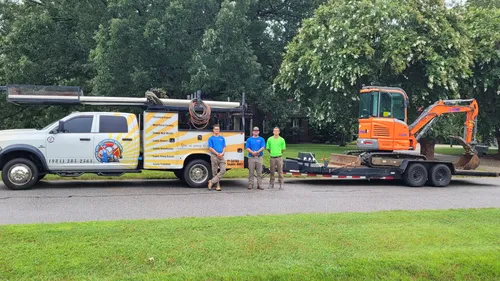
Environmental Systems & Services of NC LLC
Raleigh, NC
Environmental Systems & Services of NC LLC provides comprehensive septic and plumbing services in Raleigh, NC, and throughout Eastern and Central North Carolina. With over 30 years of experience, they handle septic tank pumping, inspections, repairs, and installations, as well as plumbing repairs, sewer line services, and drain field maintenance. Their team uses advanced equipment like cameras and hydro-jetting tools to diagnose and resolve issues efficiently. They offer customized maintenance plans to help extend the lifespan of septic and plumbing systems, ensuring compliance with local regulations and protecting water quality.
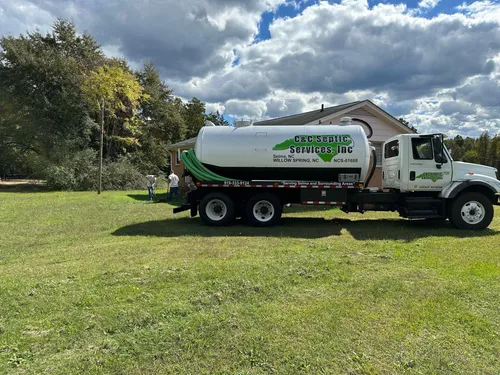
C & C Septic Services, Inc.
Raleigh, NC
C & C Septic Services, Inc. is a locally owned septic company based in Raleigh, NC. They provide septic tank pumping, inspections, repairs, and new system installations. Their service area includes Selma, Princeton, Smithfield, Clayton, Archers Lodge, Goldsboro, Pikeville, and surrounding locations. The company focuses on maintaining reliable septic systems and offers repair options and installations to meet customer needs.
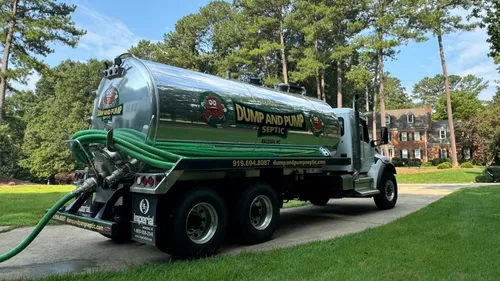
Dump & Pump Septic
515 S New Hope Rd, Raleigh, NC 27610
Dump & Pump Septic is a septic tank pumping and inspection company serving Raleigh, NC, and surrounding counties including Wake, Johnston, Chatham, Franklin, Harnett, Granville, Lee, and Durham. They provide septic services for both rural and urban areas, offering thorough pumping and inspection work. The company is fully licensed and insured, with decades of experience in the septic industry. Dump & Pump Septic is known for transparent pricing and reliable service.
Septic Innovations
5209 Winfree Ln, Wake Forest, NC 27587
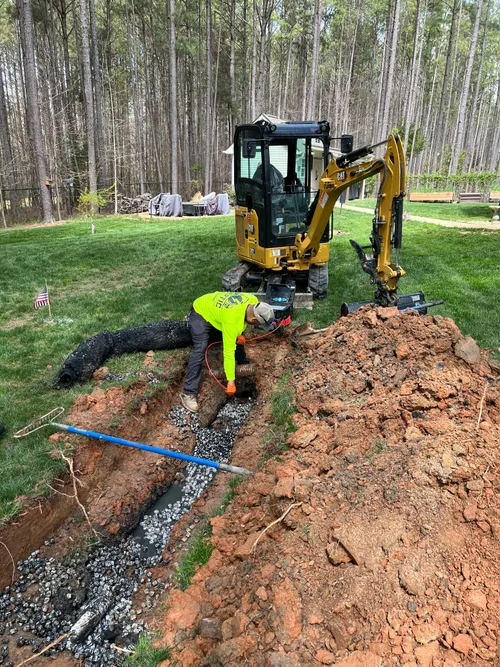
Septic Innovations is a septic system company based in Raleigh, NC, offering a range of services including septic tank pumping, inspection, repair, and installation. They handle all system components such as tanks, pumps, control panels, distribution boxes, and drain fields. The company is certified as NC Grade IV installers and VA Master Alternative installers, capable of installing any type of septic system in North Carolina and Virginia. Septic Innovations also provides point-of-sale septic inspections to evaluate system compliance and condition. They assist with permitting when required for installation or repair work.
Understanding Septic System Regulations in Wake County
In Wake Forest, septic system oversight falls under the Wake County Onsite Water Protection Division, which enforces North Carolina state regulations. The county manages a scheduled inspection program based on your system's complexity and type, but it's crucial to know that these are not the inspections required for real estate transactions.
The state mandates specific inspection frequencies, which Wake County implements:
- Type IIIB (Standard Pump Systems): Commonly found in residential homes, these require an inspection by Wake County staff once every five years.
- Type IV (Multiple Pumps/Low-Pressure Pipe): These systems must be inspected by the county every three years.
- Type V (Advanced Treatment/Complex Technology): The most complex systems require a yearly inspection by county personnel.
The county's Water Quality team tracks these schedules and mails advance notices to homeowners before an inspector's visit. It's important to cooperate with these inspections, as they are designed to protect public health and the environment.
The Three Stages of a Professional Septic Inspection
A thorough septic system evaluation by a certified professional typically follows a structured, three-stage process to ensure nothing is overlooked.
1. Pre-Inspection Preparation
Before any digging begins, a reputable inspector will gather essential information. This includes verifying the last recorded pumping date and collecting system details such as its age, size, type, and location from available records or local agencies. This historical data provides context for the physical inspection and helps identify any known issues or past repairs.
2. Visual and Infrastructure Inspection
This is the core of the septic tank check. The inspector will safely excavate and open the tank lid to perform a detailed internal assessment. Key elements examined include 1:
- Liquid and Sludge Levels: The inspector measures the liquid level relative to the outlet pipe and ensures the sludge layer occupies no more than one-third of the tank's total volume. Excessive sludge is a primary reason for system failure.
- Tank Integrity: The tank walls, lid, and baffles (walls inside the tank that control flow) are checked for cracks, corrosion, or damage that could cause leaks or blockages.
- Component Condition: The condition of access risers (which bring the tank lid to the surface for easier service) and the inlet/outlet pipes are evaluated.
3. Site and Drainfield Assessment
The inspection extends beyond the tank itself. The professional will evaluate the entire system's site layout, including 2 3:
- Distances: Ensuring the tank and drainfield are the proper distance from the home, wells, property lines, and any surface water.
- Drainfield Health: Looking for signs of failure in the absorption field, such as soggy soil, foul odors, or unusually lush grass growth.
- Overall System Environment: Checking for issues like root intrusion, soil compaction over the drainfield, or improper drainage from roof gutters.
When Do You Need a Septic Inspection?
Knowing when to schedule a septic system evaluation can save you from unexpected problems and expenses.
- Routine Maintenance: Even if your system type doesn't require a frequent county inspection, having a professional assessment every 3-5 years is a wise preventative measure. It often coincides with the recommended pumping schedule.
- Real Estate Transactions: This is one of the most common reasons for an inspection. Wake County does not perform point-of-sale inspections; these must be conducted by a private, state-certified septic system professional 4 5. A clean inspection report is often a contingency for closing on a home.
- Suspected Problems: If you notice warning signs like slow drains, gurgling pipes, sewage backups, or wet spots in your yard, an immediate inspection is necessary to diagnose the issue 6.
- Before Renovations or Additions: Adding a bathroom or increasing your home's occupancy load puts more demand on your septic system. An inspection can determine if your current system can handle the increased flow or if an upgrade is needed.
- After Severe Weather: Significant storms or flooding can impact septic system function. An inspection can confirm that components are intact and functioning properly.
Find the perfect septic tank inspection companies for your needs
Get personalized recommendations and expert advice
Permit Requirements: Repairs vs. Maintenance
A key area of regulation involves when a permit is required for work on your system. According to Wake County, this distinction is important for homeowners to understand.
- A Permit IS REQUIRED for "Repairs": This is defined as the alteration, replacement, or relocation of any major component, including the septic tank, distribution box, or drainfield lines. Any substantial work that changes the system's design or function needs county approval.
- A Permit is NOT REQUIRED for "Maintenance": This includes routine activities like pumping the tank or minor repairs such as replacing a distribution box lid or a section of small-diameter supply line, provided the repair does not alter the system's original design 7.
If a county site visit is necessary to review a permit application, a standard fee of $200 applies. Always consult with the Onsite Water Protection Division or your licensed contractor to confirm whether your planned work requires a permit.
What to Expect: Inspection Costs in Wake Forest
The cost of a septic system inspection in Wake Forest varies based on the depth of the evaluation and the system's condition. Here's a general breakdown of what you might expect to pay:
- Basic Visual Inspection: Typically ranges from $200 to $300. This is often sufficient for a standard pre-purchase check, covering the core visual assessment of the tank and a basic site evaluation.
- Comprehensive Inspection: Can cost between $300 and $600. This more detailed review includes a fuller infrastructure check and a more thorough evaluation of the drainfield and overall system performance.
- Camera Scope Inspection: Priced from $500 to $800. This service uses specialized camera technology to inspect the internal condition of inlet and outlet pipes, identifying cracks, blockages, or root intrusions that a visual inspection might miss.
- Wake County Site Visit Fee: A $200 fee is charged if a county site visit is necessary for permit reviews or specific regulatory inspections 8.
Remember, these costs are often separate from septic tank pumping, which is a related but distinct service typically recommended every 3 to 5 years for primary residences.
How to Prepare for a Septic Inspection
A little preparation can make the inspection process smoother and more efficient.
- Locate Your System: Know where your tank and drainfield are. If you don't, your inspector can find them, but it may add time.
- Clear Access: Ensure the inspector has clear access to the tank lid (often marked by risers) and the drainfield area. Move vehicles, lawn furniture, or other obstructions.
- Gather Records: Have any past inspection reports, pumping receipts, or system design plans available for the inspector.
- Be Aware of Issues: Note any symptoms you've observed, like slow drains or wet spots, so you can point them out.
Choosing a Qualified Septic Inspector in Wake Forest
Selecting the right professional is crucial. Look for:
- State Certification: Ensure the individual is certified by the North Carolina Department of Health and Human Services to perform septic system inspections and evaluations.
- Local Experience: Choose a provider familiar with Wake County's specific soil conditions, regulations, and common system types.
- Comprehensive Services: Many reputable companies offer both inspection and pumping/repair services, providing a full picture of your system's needs.
- Detailed Reporting: The inspector should provide a clear, written report with findings, photos, and recommendations for any necessary repairs or maintenance.
Frequently asked questions
Sources
Footnotes
-
What to Expect from a Septic Inspection - https://www.wrenvironmental.com/blog/2023/may/what-to-expect-from-a-septic-inspection/ ↩
-
A 3-Step Checklist for Septic Tank Inspection - https://www.aaapumpingservice.net/a-3-step-checklist-for-septic-tank-inspection ↩
-
How to Get Septic to Pass Inspection - https://www.guardianangelinspections.com/how-to-get-septic-to-pass-inspection ↩
-
Onsite Water Protection - Wake County Government - https://www.wake.gov/departments-government/onsite-water-protection ↩
-
Point of Sale Inspection Requirements - https://mseptic.com/septic-inspection-requirements-north-carolina ↩
-
10 Signs Your Septic System is Failing (And What to Do About It) - https://www.atsenvironmental.com/blog/10-signs-your-septic-system-is-failing-and-what-to-do-about-it/ ↩
-
Septic Maintenance and Repairs - https://www.wake.gov/departments-government/onsite-water-protection/septic-systems/septic-maintenance-and-repairs ↩
-
Septic System Inspections - https://www.wake.gov/departments-government/onsite-water-protection/septic-systems/septic-system-inspections ↩