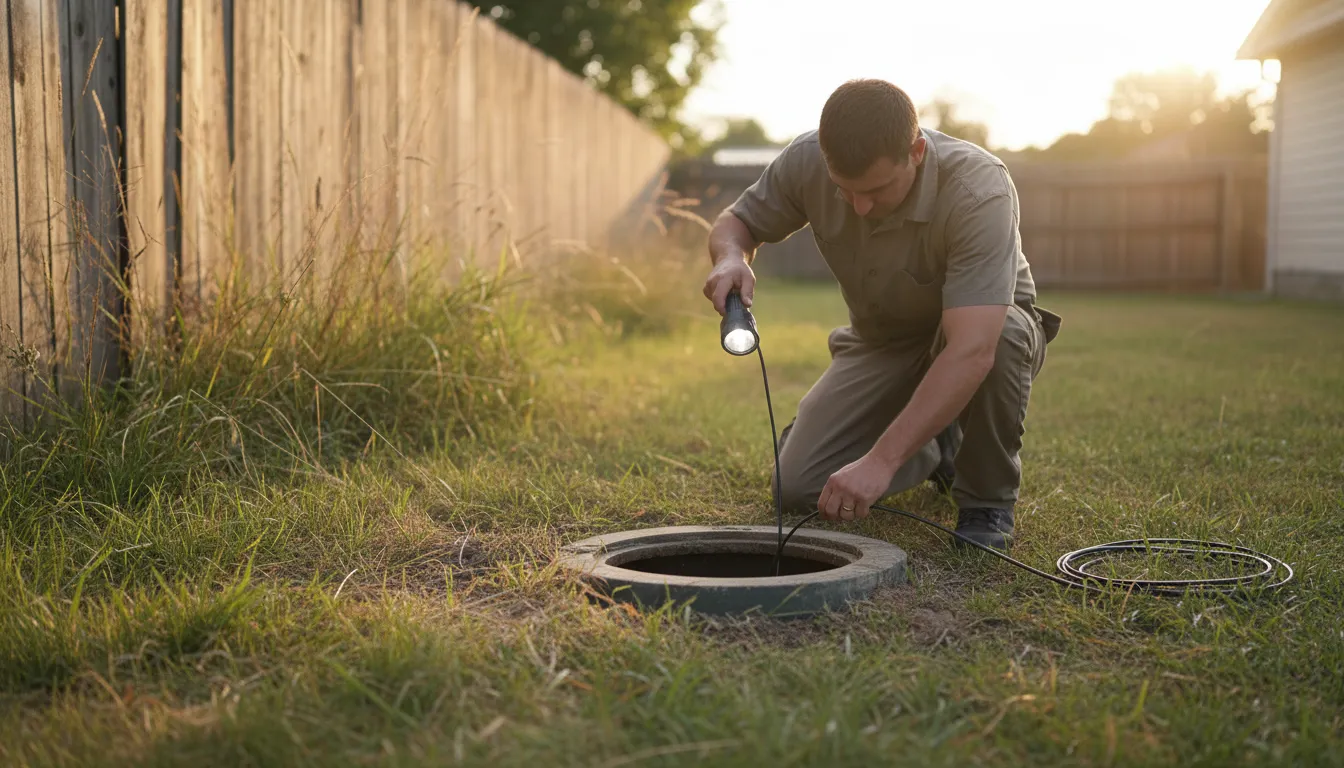
Find the Best Septic Tank Inspection Companies for Your Business
No obligation • Fast responses • Nationwide coverage

Why you can trust Septic Spot
Septic Spot is a leading United States resource for understanding and comparing septic services. Our editors review providers using consistent criteria and verify key business details. Listings and scores are independent, and companies cannot pay to influence our content.
Search providers near you
Top Septic Tank Inspection Companies in Freeport, New York Ranked
A septic tank inspection is a critical evaluation of your onsite wastewater system's health and functionality. In Freeport, these assessments are essential for protecting your property value, ensuring public health, and complying with local Nassau County regulations. This guide explains what a septic system evaluation involves, why it's necessary, and how you can find qualified local professionals to perform this vital service.
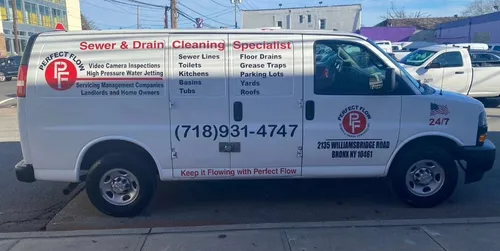
Perfect Flow Sewer & Drain Services
2135 Williamsbridge Rd, Bronx, NY 10461
Perfect Flow Sewer & Drain Services provides septic tank inspection and septic system repair in Yonkers, NY. They offer thorough inspections, efficient cleaning, and precise repairs to maintain reliable sewer and drain systems. Their services focus on ensuring seamless flow and system functionality.
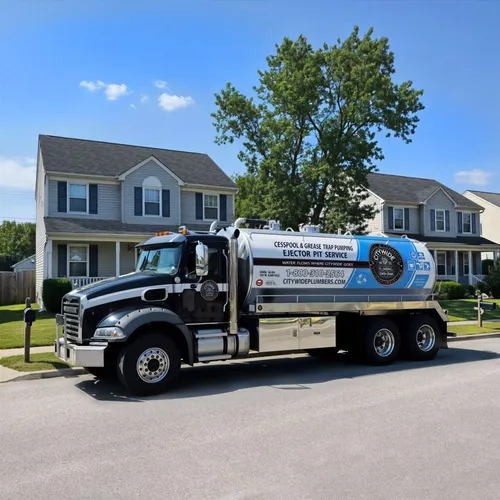
Citywide Grease Trap Maintenance | Cesspool Pumping Service Long Island
110 Voice Rd, Carle Place, NY 11514
Citywide Grease Trap Maintenance | Cesspool Pumping Service Long Island provides septic and cesspool pumping, inspection, repair, and installation services in New York, NY. Serving both residential and commercial clients, they offer comprehensive maintenance and cleaning to prevent system failures. Their skilled technicians use advanced equipment for installations and repairs, including grease trap pumping and sewage ejector pit services. With over 65 years of experience, Citywide operates 24/7 to address emergency needs promptly.
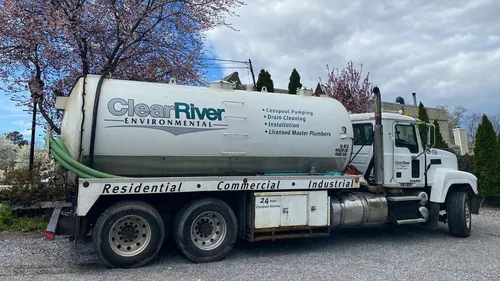
Clear River Environmental
847 11th St, Ronkonkoma, NY 11779
Clear River Environmental is a septic tank pumping, inspection, repair, and installation company serving New York, NY. They offer comprehensive environmental services including cesspool pumping, septic system maintenance, plumbing repairs, and emergency environmental remediation. The company has over 60 years of experience and uses advanced equipment such as camera inspection systems and leak detection technology. Clear River Environmental provides 24/7 emergency services to address urgent property issues promptly.
A & A Systems Control Inc
47 Larkin St Unit 5 A, Stamford, CT 06907
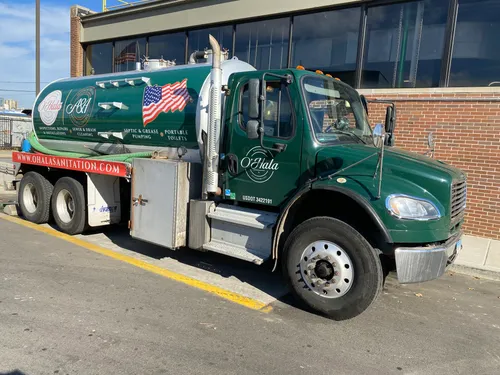
A & A Systems Control Inc is a family-owned septic and excavating services company based in Stamford, CT. They provide a full range of septic system services including pumping, inspections, repairs, installations, and drain cleaning for residential and commercial clients. Their expertise extends to excavation, drainage solutions, grease trap cleaning, and percolation testing, serving Stamford and nearby communities such as Greenwich, Darien, and New Canaan. The company offers 24/7 availability and emphasizes routine maintenance plans to minimize emergencies and system backups. With a background in utility construction, A & A Systems Control Inc combines technical knowledge with local service to support well-maintained septic systems.
North Shore Cesspool & Drain Corp
231 Lawrence Ln, Glen Cove, NY 11542
North Shore Cesspool & Drain Corp provides cesspool and septic system services in New York, NY. They offer pumping, cleaning, inspections, repairs, and installations for residential and commercial properties. Their capabilities include hydro jetting and sewer line camera inspections. The company serves Long Island and is available 24/7 for emergency flooding response and backups.
Why Septic System Inspections Are Crucial in Freeport
Living in a coastal village like Freeport means many homes rely on private septic systems rather than municipal sewer lines. A failing system is more than an inconvenience; it can lead to raw sewage backing up into your home, contaminating groundwater, or polluting the nearby canals and waterways. Regular inspections are your first line of defense. They help identify minor issues-like a small crack or a nearing-full tank-before they escalate into expensive, environmentally hazardous emergencies. For homeowners, a clean inspection report is often a mandatory step in real estate transactions, providing peace of mind to both buyers and sellers.
Understanding Local Regulations and Requirements
Septic system maintenance in Freeport falls under the jurisdiction of the Nassau County Department of Health. While state guidelines provide a framework, local codes dictate specific requirements. Generally, the New York State Department of Health recommends an inspection every 2-3 years and pumping every 3-5 years, but requirements can vary based on system age, size, and household usage. It's imperative to hire a professional licensed by the New York State Department of Environmental Conservation (NYSDEC). These licensed inspectors understand the local soil conditions, high water table challenges common in Freeport, and the precise county protocols for system approval and repair permits.
The Step-by-Step Septic Inspection Process
A thorough septic tank assessment is a multi-step procedure conducted by a trained professional. Here's what you can expect during a comprehensive evaluation.
1. System Location and Documentation Review
The inspector will first attempt to locate all system components: the septic tank, distribution box, and drain field. They may consult "as-built" design plans filed with the local health department. If records are unavailable, they will use probing tools to find the tank lids 1.
2. Tank Access and Interior Examination
The inspector uncovers the manhole and access ports to the septic tank. This is where the core evaluation begins:
- Sludge and Scum Measurement: Using specialized tools, the inspector measures the depth of the sludge layer (solid waste at the bottom) and the scum layer (floating fats and greases). A general rule is that pumping is needed if the sludge occupies more than one-third of the tank's liquid depth.
- Structural Inspection: The tank's interior and exterior are checked for cracks, corrosion, leaks, and structural integrity. The baffles and tees (inlet/outlet pipes) are inspected for blockages or damage 2.
3. Drain Field and Functional Testing
The inspection extends beyond the tank to the most expensive component: the drain field (or leach field).
- Visual Survey: The inspector walks the drain field area looking for telltale signs of failure, such as overly lush grass, soggy ground, or surfacing sewage.
- Dye Test or Water Load Test: In some cases, especially during real estate transactions, an inspector may perform a dye test. They introduce a non-staining dye into the system and flush several toilets to see if the dye surfaces in the drain field, indicating a failure in the soil absorption area 3.
Find the perfect septic tank inspection companies for your needs
Get personalized recommendations and expert advice
What Influences the Cost of an Inspection in Freeport?
The price for a septic system check-up in Freeport depends on the inspection's depth and your system's specifics. A standard visual inspection, often sufficient for annual maintenance, typically ranges from $100 to $250. A full evaluation required for a property transfer-which includes locating all components, measuring sludge/scum, inspecting the tank structure, and assessing the drain field-often starts between $400 and $800 4 5. If the inspection reveals the tank needs pumping, that service is an additional cost, usually between $200 and $500, depending on tank size. A combined maintenance visit of pumping and a full inspection can total around $1,400-$1,500 in some New York areas 6 5. Always request a detailed quote that breaks down inspection fees versus pumping or repair costs.
Key Components Inspectors Evaluate
Understanding the terminology helps you comprehend your inspection report.
- Tank Integrity: The watertightness of the concrete, fiberglass, or plastic tank. Any crack can allow groundwater in (overloading the system) or sewage out (contaminating the environment).
- Baffles and Tees: These inlet and outlet devices prevent sludge and scum from flowing into the drain field. Their failure is a common cause of system clogging.
- Sludge and Scum Levels: The primary indicator for determining the need for pumping. Proper bacterial action in the tank breaks down solids; excess accumulation means this process is inefficient.
- Drain Field Function: The ultimate test of system health. The inspector evaluates whether the treated liquid effluent (wastewater) is being properly absorbed and filtered by the soil without surfacing or causing backups 7 8.
Preparing for a Septic Inspection
A little preparation can ensure your inspection goes smoothly and yields accurate results.
- Locate Your System: If you know where your tank and drain field are, mark them to save the inspector time.
- Provide Access: Clear any vehicles, lawn furniture, or landscaping from above the tank and drain field.
- Have Records Ready: Dig out any past inspection reports, pumping receipts, or system design plans.
- Know Your System's History: Be prepared to tell the inspector the last time the tank was pumped and any past issues you've noticed, like slow drains or odors.
Maintaining Your System Between Inspections
Professional inspections are vital, but day-to-day care extends your system's life. Avoid flushing anything besides human waste and toilet paper. Never pour grease, chemicals, or medications down the drain. Conserve water to avoid hydraulically overloading the system, and divert roof and surface water away from the drain field. Keeping a detailed log of all inspections, pumping, and repairs is invaluable for your own records and for future home buyers 9 10.
Frequently asked questions
Sources
Footnotes
-
How to Get Septic to Pass Inspection - https://www.guardianangelinspections.com/how-to-get-septic-to-pass-inspection ↩
-
Septic Tank Pumping Poughkeepsie NY | Amenia NY - https://www.proseptichv.com/septic-tank-inspection ↩
-
What Does a Septic Inspection Entail? - HomeLight - https://www.homelight.com/blog/septic-inspection/ ↩
-
What is involved and cost of a full septic system inspection in ... - https://www.facebook.com/groups/562934644102912/posts/2036326116763750/ ↩
-
Exploring the Costs of Septic Tank Inspections: What to Expect - https://www.theflushfellas.com/exploring-the-costs-of-septic-tank-inspections-what-to-expect ↩ ↩2
-
Residential Septic Tank Pricing | Homeowner's Guide to Costs - https://www.ntotank.com/blog/residential-septic-tank-pricing ↩
-
Frequent Questions on Septic Systems | US EPA - https://www.epa.gov/septic/frequent-questions-septic-systems ↩
-
Septic Inspection Process: What Homeowners Should Know | LunsPro - https://www.lunspro.com/vlog/the-septic-system-inspection-process-what-homeowners-should-know ↩
-
Septic System Operation and Maintenance - https://www.health.ny.gov/publications/3208/ ↩
-
Your Septic System - Cornell University - https://www.css.cornell.edu/cwmi/waterquality/septic/CCEWQ-YourSepticSystem-Print.pdf ↩