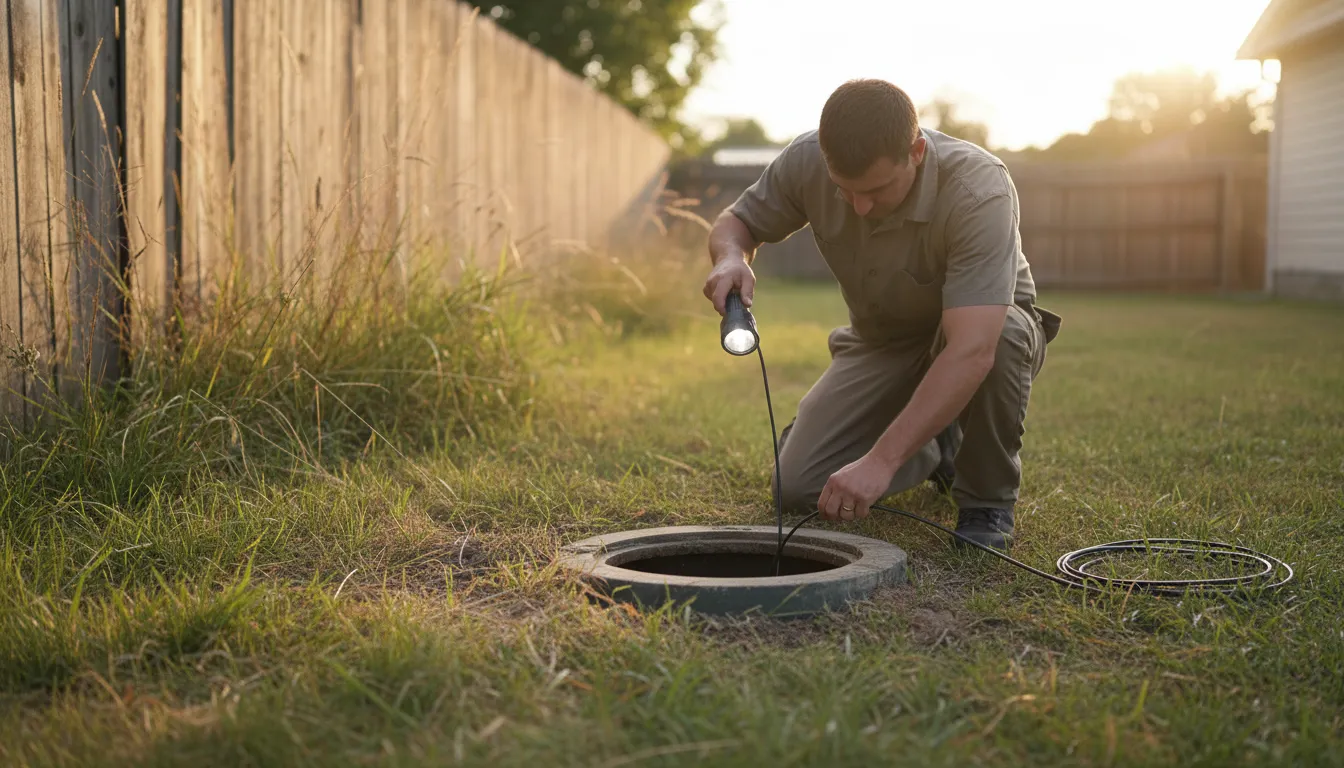
Find the Best Septic Tank Inspection Companies for Your Business
No obligation • Fast responses • Nationwide coverage

Why you can trust Septic Spot
Septic Spot is a leading United States resource for understanding and comparing septic services. Our editors review providers using consistent criteria and verify key business details. Listings and scores are independent, and companies cannot pay to influence our content.
Search providers near you
Top Septic Tank Inspection Companies in Syracuse, New York Ranked
A septic system inspection is a critical evaluation of your home's on-site wastewater treatment system to ensure it is functioning safely and efficiently. For homeowners in Syracuse and Onondaga County, regular inspections are not just a good idea-they are a key part of protecting your property value, your family's health, and the local environment, especially the sensitive watersheds of Skaneateles and Otisco Lakes. This guide will help you understand what a septic inspection entails, why it's so important locally, and how to find qualified professionals to perform this essential service.
Hahn's Septic Tank Service
5620 Business Ave Suite B2, Cicero, NY 13039
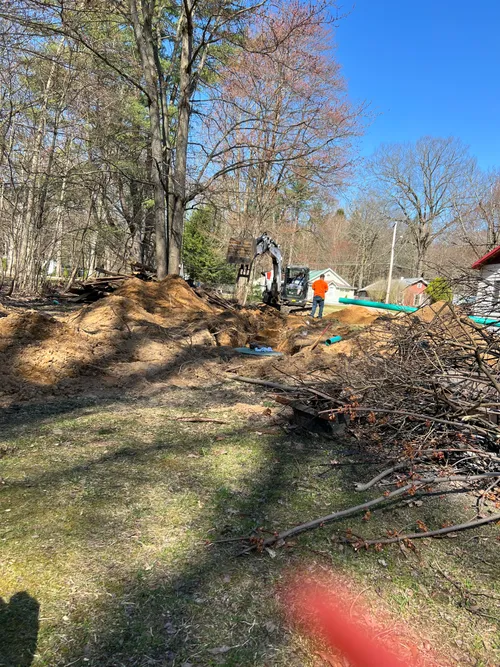
Hahn's Septic Tank Service provides septic tank pumping and inspection services in Syracuse, NY. They focus on maintaining septic systems to ensure long-term, effective treatment of household waste. The company offers expert advice on proper maintenance and the importance of regular pumping to prevent costly repairs, such as clogged drainfields. Hahn's Septic Tank Service emphasizes routine inspections to recommend appropriate pumping schedules based on tank size and household usage.
Syracuse Septic Service
Syracuse, NY
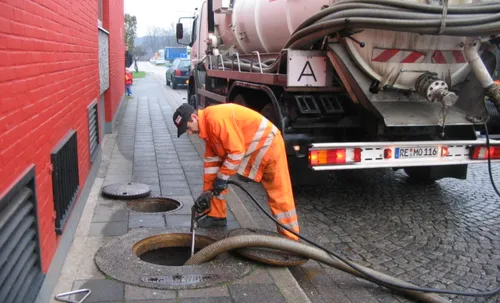
Syracuse Septic Service provides comprehensive septic system services in Syracuse, NY, and Central New York. They handle septic tank pumping, cleaning, inspections, repairs, and installations for both residential and commercial clients. Their capabilities include thorough septic tank cleaning using vacuums, water jetting, and electric snaking, as well as video inspections to diagnose issues accurately. The company also offers grease trap maintenance and repair for restaurants and similar businesses.
Mr Rooter Plumbing Of Liverpool
Syracuse, NY
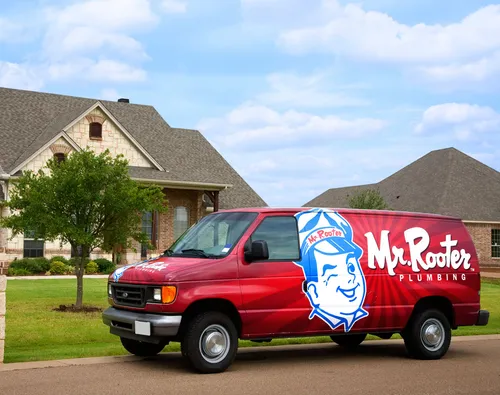
Mr Rooter Plumbing Of Liverpool offers septic tank pumping, inspection, installation, and repair services in Syracuse, NY. They provide knowledgeable technicians who respect your home and yard, helping homeowners maintain their septic systems with regular inspections and maintenance. Their services include septic tank cleaning, system repairs, and installation, as well as drain cleaning using a HydroScrub® system that uses pressurized water instead of chemicals. They also offer commercial plumbing services with after-hours availability to minimize business interruptions.
Why Regular Septic Inspections Are Crucial in Onondaga County
Your septic system is a significant, out-of-sight investment. A failing system can lead to sewage backups in your home, contamination of groundwater, and costly repairs or complete replacement. In Syracuse's climate and regulatory environment, staying ahead of potential problems is essential.
Local regulations enforced by the Onondaga County Department of Health require approval for all new or replacement systems, adhering to Article V of the Sanitary Code. More importantly, the county is home to protected drinking water sources. Systems located within the Skaneateles and Otisco Lake Watersheds are subject to stricter requirements, including mandatory site inspections, to safeguard these vital water bodies. Regular check-ups help ensure your system complies with these important environmental protections.
Recommended Inspection Frequency
How often should you get your septic tank inspected? While New York State guidelines suggest an evaluation every 2-3 years, the right schedule depends on your specific situation.
- General Guideline: For most conventional systems in Syracuse, a professional inspection every 1-3 years is advisable.
- Increased Frequency: Annual inspections are recommended for systems with heavy use (large households, frequent guests), older systems, or those located in environmentally sensitive areas like the protected watersheds.
- Pumping Schedule: Inspection often goes hand-in-hand with pumping. Systems typically need to be pumped every 3-5 years, but an inspection will determine the exact need based on sludge and scum levels.
Skipping inspections can allow minor issues to escalate into major failures. Keeping a record of all inspections and pumping is a best practice recommended by New York State guidelines and can be crucial for property transactions.
What a Professional Inspection Involves
A comprehensive septic system evaluation is a multi-step process conducted by a licensed professional. Here's what you can expect during a full inspection:
- Locating & Accessing Components: The inspector will first locate and uncover the tank lid, distribution box, and assess the general area of the drain field. If components are buried deep, this may require light excavation.
- Pumping & Opening the Tank: For a thorough assessment, the tank is often pumped out. This allows the inspector to clearly see inside and measure the accumulated layers of sludge (solids at the bottom) and scum (grease and floatables at the top).
- Evaluating Sludge and Scum Levels: This is a key measurement. If the sludge is within 12 inches of the outlet baffle or the scum is within 6 inches, the tank requires immediate pumping to prevent solids from flowing into and clogging the drain field 1.
- Component Inspection: The inspector checks all critical parts:
- Baffles and Tees: Ensures inlet and outlet baffles are intact to prevent clogging.
- Tank Integrity: Looks for cracks, leaks, or structural damage in the tank walls.
- Electrical Components: Tests pumps, floats, and alarms (if present) in advanced systems.
- Drain Field Assessment: The inspector examines the leach field area for signs of failure, such as standing water, soggy ground, foul odors, or unusually lush grass growth-all indicators that the soil is not properly absorbing treated effluent 2.
Find the perfect septic tank inspection companies for your needs
Get personalized recommendations and expert advice
Understanding Inspection and Service Costs
The cost of a septic inspection in Syracuse varies based on the depth of the evaluation and any ancillary services required. Here's a general breakdown of what homeowners can expect:
- Basic Visual Inspection: A more limited check may cost between $100 and $200.
- Full Comprehensive Inspection: This includes locating and opening the tank, inspecting all components, and assessing the drain field. Prices typically range from $300 to $600 3.
- Pumping Service: If the inspection determines pumping is needed, this service generally costs between $300 and $600 in the Syracuse area, though it can range from $200 to $1,200 depending on tank size and access 4 5.
- Combined Inspection & Pumping: Many homeowners schedule these services together. A full inspection coupled with pumping often falls in the upper range of $400 to $800, especially if excavation is needed to access the tank 6 7.
Investing in a proper inspection can save thousands of dollars by identifying small problems before they cause a complete system failure.
Choosing a Licensed Syracuse Inspector
Not all contractors are qualified to inspect septic systems in New York. It is imperative to hire a professional licensed by the New York State Department of Environmental Conservation (DEC) to handle septic waste transport and maintenance 8 9. A licensed inspector will be familiar with local Onondaga County codes and the specific requirements for watershed properties.
When contacting providers, ask about their experience, licensing, and whether their inspection report will satisfy local health department requirements, particularly if you are in a protected watershed or planning a real estate transaction.
Homeowner Maintenance Tips Between Inspections
Professional inspections are essential, but daily care extends your system's life.
- Map and Protect: Know where your tank and drain field are located. Do not drive, park, or build heavy structures (like sheds or patios) over this area, as compaction can damage pipes and soil 10.
- Mind What You Flush: Only human waste and toilet paper should go down the drain. Avoid flushing wipes (even "flushable" ones), feminine hygiene products, cooking grease, chemicals, and medications.
- Conserve Water: Spread out laundry loads and fix leaky faucets to avoid overwhelming the system with a large volume of water in a short time.
- Landscape Carefully: Plant only grass over the drain field. Tree and shrub roots can infiltrate and clog pipes.
Frequently asked questions
Sources
Footnotes
-
Septic Well Pre-Inspection for Magnolia Sellers - Avoid Delays - https://deborahstepanek.com/blog/septic-and-well-preinspections-for-magnolia-sellers ↩
-
Frequent Questions on Septic Systems | US EPA - https://www.epa.gov/septic/frequent-questions-septic-systems ↩
-
Septic Tank Inspection Cost: What to Expect & What's Involved - https://atlantaseptictankpros.com/septic-tank-inspection-cost-what-to-expect-whats-involved/ ↩
-
Septic Tank Pumping Cost: Guide & Pricing in 2025 - Splash Plumbing - https://www.splashplumbing.com/how-much-does-it-cost-to-pump-septic-tank-understanding-pricing-and-factors-involved/ ↩
-
Understanding the Average Cost to Pump a Septic Tank - https://www.scorpionsepticservices.com/blog/understanding-the-average-cost-to-pump-a-septic-tank ↩
-
Septic System Inspection Syracuse, NY - https://www.septic-service-syracuse.com/septic-system-inspection.html ↩
-
Your Septic System is Your Responsibility! - https://northeasthealthdistrict.org/wp-content/uploads/2023/05/homeowner_guide_long.pdf ↩
-
Septic System Operation and Maintenance - https://www.health.ny.gov/publications/3208/ ↩
-
Design Guidelines for Individual Sewage Systems - https://onondaga.gov/health-env/wp-content/uploads/sites/196/2022/08/DesignGuidelinesforIndividualSewageSystems1999.pdf ↩
-
Your Septic System - Cornell University - https://www.css.cornell.edu/cwmi/waterquality/septic/CCEWQ-YourSepticSystem-Print.pdf ↩