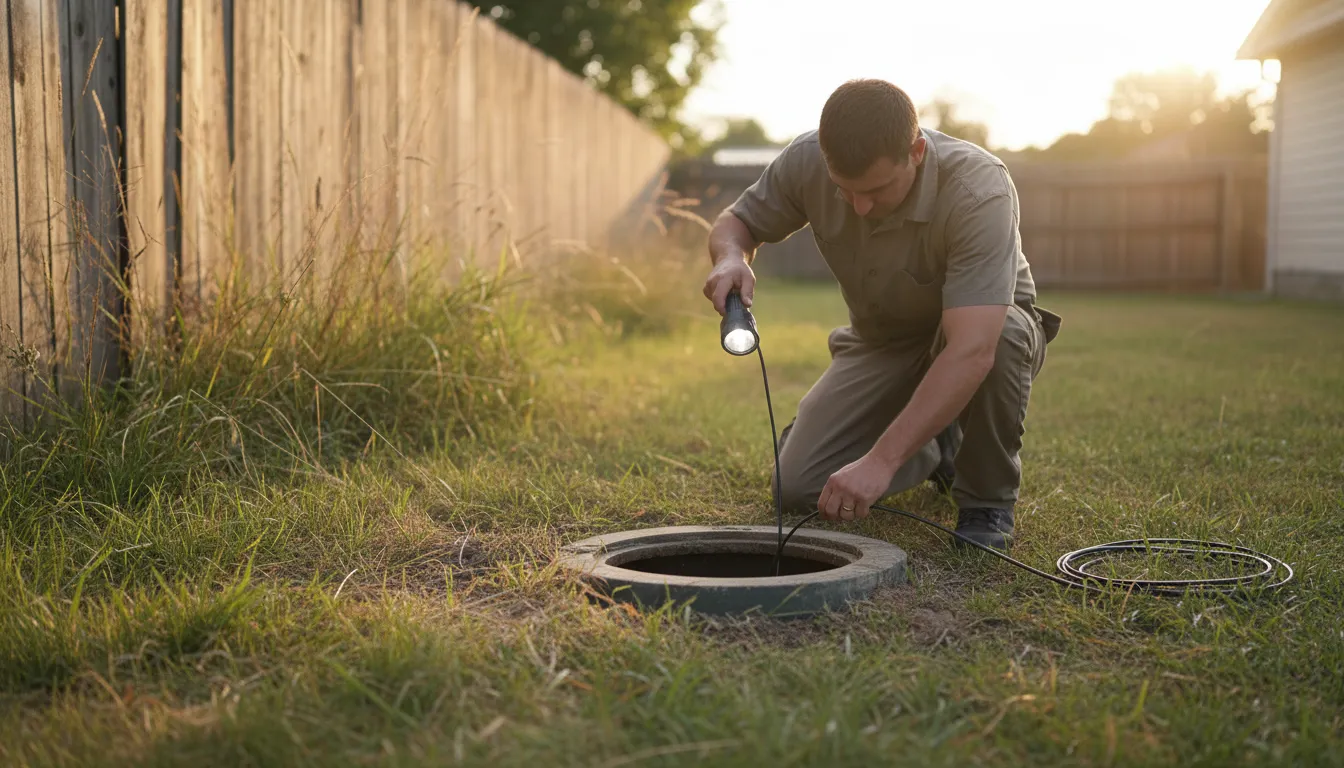
Find the Best Septic Tank Inspection Companies for Your Business
No obligation • Fast responses • Nationwide coverage

Why you can trust Septic Spot
Septic Spot is a leading United States resource for understanding and comparing septic services. Our editors review providers using consistent criteria and verify key business details. Listings and scores are independent, and companies cannot pay to influence our content.
Search providers near you
Top Septic Tank Inspection Companies in Yonkers, New York Ranked
A septic tank inspection is a professional assessment of your onsite wastewater system's condition and functionality. In Yonkers, these evaluations are critical for protecting your property value, ensuring public health, and complying with local regulations. This guide explains what a septic system inspection entails, why it's important for Yonkers homeowners, and how you can find qualified local professionals to perform this essential service.
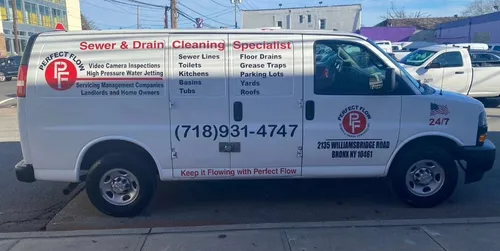
Perfect Flow Sewer & Drain Services
2135 Williamsbridge Rd, Bronx, NY 10461
Perfect Flow Sewer & Drain Services provides septic tank inspection and septic system repair in Yonkers, NY. They offer thorough inspections, efficient cleaning, and precise repairs to maintain reliable sewer and drain systems. Their services focus on ensuring seamless flow and system functionality.
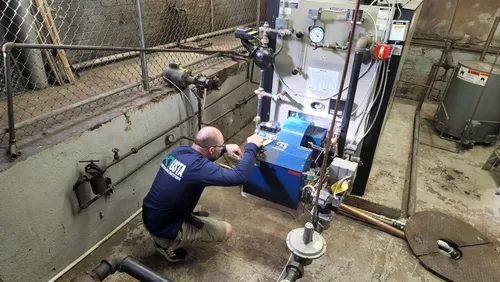
USTA Home Inspections
25 Continental Dr Unit C, Wayne, NJ 07470
USTA Home Inspections is a septic tank inspection company serving New York, NY, and surrounding areas. They provide comprehensive home inspection services covering major components such as roofing, structural elements, electrical systems, HVAC, oil tank sweeps, foundation integrity, radon testing, termite inspections, and septic tank inspections. The company focuses on helping homebuyers make informed decisions by delivering clear and reliable inspection reports. USTA Home Inspections serves multiple counties in New Jersey and New York, including Passaic, Morris, Bergen, Essex, and Union. They emphasize protecting clients' investments and ensuring safety before moving into a new home.
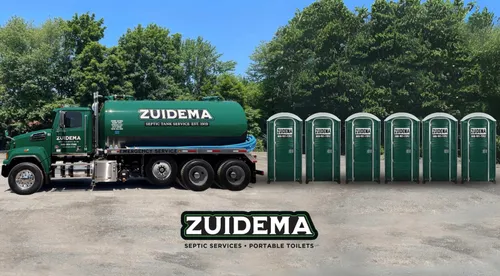
Zuidema Septic Services & Portable Toilets
90 Midland Ave, Midland Park, NJ 07432
Zuidema Septic Services & Portable Toilets provides residential and commercial septic services along with portable toilet and restroom trailer rentals in New York, NY. With over 100 years of experience since 1919, they offer septic tank pumping, inspections, repairs, and grease trap services. Their use of advanced sewer camera technology helps identify and address sewer line issues effectively. Zuidema also offers 24/7 emergency service for septic and portable toilet needs, ensuring support is available at any time.
EarthCare, a Wind River Company
New York, NY
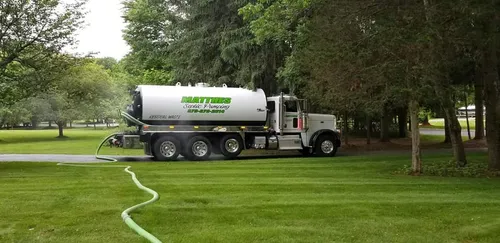
EarthCare, a Wind River Company, provides septic tank pumping, inspection, and grease services in New York, NY, and surrounding areas including North Jersey and Hudson Valley. Serving residential, commercial, and municipal clients, they offer comprehensive waste management solutions such as pumping, cleaning, hauling, disposal, and environmental compliance support. Established in 1946, EarthCare operates one of the industry's largest fleets and provides 24/7 emergency services to ensure continuous system operation and regulatory compliance.
Citywide Grease Trap Maintenance | Cesspool Pumping Service Long Island
110 Voice Rd, Carle Place, NY 11514
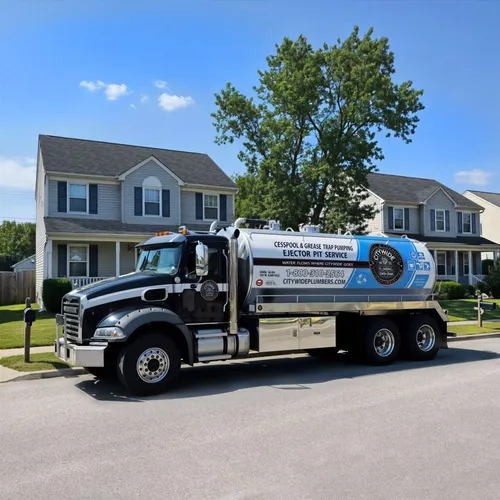
Citywide Grease Trap Maintenance | Cesspool Pumping Service Long Island provides septic and cesspool pumping, inspection, repair, and installation services in New York, NY. Serving both residential and commercial clients, they offer comprehensive maintenance and cleaning to prevent system failures. Their skilled technicians use advanced equipment for installations and repairs, including grease trap pumping and sewage ejector pit services. With over 65 years of experience, Citywide operates 24/7 to address emergency needs promptly.
Why Septic Inspections Matter in Yonkers
For homes not connected to municipal sewer lines, a properly functioning septic system is non-negotiable. In Westchester County, these systems are governed by the Department of Health to protect local water quality, including the Hudson River and nearby watersheds. A failing system can lead to sewage backups into your home, contamination of groundwater, and significant environmental hazards. Regular inspections are the most reliable way to catch minor issues-like a cracked baffle or excessive sludge-before they escalate into costly repairs or a complete system failure. While New York State doesn't mandate regular inspections by law, the county strongly advises them as part of responsible maintenance 1.
Local Regulations and Licensing
Septic work in Yonkers falls under the jurisdiction of the Westchester County Department of Health. It is governed by Article VIII of the Westchester County Sanitary Code, which sets standards for sewage disposal to safeguard public health and the environment. A key rule for homeowners to know: only Health Department-licensed contractors are legally authorized to pump and inspect septic systems in the county. After servicing a system, these licensed technicians are required to file a report with the county, creating an official record of the work performed. This licensing requirement ensures that anyone you hire has met specific standards and understands local codes.
What a Professional Septic Inspection Involves
A comprehensive septic system evaluation is a multi-step process conducted by a licensed professional. It goes far beyond just looking at the tank. Here's a breakdown of what you can expect during a standard inspection in Yonkers.
1. Locating and Exposing the System
The inspector will first locate all components of your system using any available "as-built" diagrams from the county health department. They will find and uncover the tank's access ports, the distribution box (if present), and identify the general area of the drain field. This step is crucial for a thorough assessment.
2. Inspecting the Tank Structure
Once the tank is opened, the technician will examine its structural integrity. They look for cracks, leaks, signs of corrosion in concrete tanks, or damage from ground shifting and root intrusion. The condition of the tank walls and lid is vital for preventing untreated wastewater from escaping into the surrounding soil.
3. Checking Critical Components: Baffles and Outlets
The inlet and outlet baffles inside the tank are essential. They prevent scum (floating fats and greases) and sludge (settled solids) from flowing out into the drain field, which can clog and destroy it. The inspector will verify that these baffles are intact and properly attached. A missing or broken baffle is a common cause of system failure.
4. Measuring Sludge and Scum Levels
This is a central part of the inspection. The technician will measure the depth of the sludge layer at the bottom of the tank and the thickness of the scum layer at the top. If the combined depth of these layers is too great, it leaves insufficient space for wastewater to settle and treat, indicating an urgent need for pumping. This measurement directly determines the system's pumping schedule.
5. Evaluating the Drain Field
The inspector will assess the drain field (or leach field) area for signs of failure. Warning signs include soggy, spongy soil; standing water or sewage effluent on the surface; and unpleasant odors 2. They may also check the distribution box to ensure wastewater is flowing evenly to all parts of the field. Drain field failure is the most serious and expensive septic problem to fix.
6. Optional Hydraulic Load Test
In some cases, such as during a real estate transaction, a hydraulic load test may be performed. This involves running a significant amount of water through the household plumbing to simulate a heavy usage day and confirm the system can handle its designed capacity without backing up or surfacing 3.
Find the perfect septic tank inspection companies for your needs
Get personalized recommendations and expert advice
Understanding Inspection and Pumping Costs
The cost of a septic inspection in the Yonkers area typically ranges from $200 to $500+, depending on the depth of the evaluation and the size of the system 4. It's important to note that a proper inspection often requires the tank to be pumped to accurately measure sludge and inspect the tank's bottom and walls. Therefore, many homeowners opt for a combined service.
Septic pumping alone in this region generally costs between $300 and $600+, influenced by tank size (e.g., 1,000-gallon vs. 1,500-gallon) and accessibility 5 6 7. Consequently, a bundled inspection and pumping service frequently totals $500 to $900+ 8 7. While this is an investment, it is minor compared to the cost of repairing or replacing a failed drain field, which can run into the tens of thousands of dollars.
Recommended Maintenance Schedule and Best Practices
To keep your Yonkers septic system healthy and avoid emergencies, follow these guidelines:
- Pump Regularly: The New York State Department of Health and the Westchester County Department of Health recommend pumping your septic tank every 3 to 5 years. The exact frequency depends on household size and usage.
- Locate Your Records: Contact the Westchester County Department of Health to request a copy of your system's "as-built" diagram. This map is invaluable for locating components during inspections and for avoiding damage during landscaping or construction projects.
- Protect the System: Never drive or park cars, trucks, or heavy equipment over the tank or drain field. The pressure can crush pipes and compact the soil. Also, avoid planting trees or large shrubs directly over the system, as roots can infiltrate and clog pipes and tanks 9.
- Conserve Water and Mind What You Flush: Excessive water use can overload the system. Avoid flushing anything besides human waste and toilet paper. Chemicals, grease, diapers, and wipes (even those labeled "flushable") can disrupt the bacterial balance and cause clogs 10 11.
Finding a Qualified Inspector in Yonkers
Your first step is to verify that any contractor you consider is currently licensed by the Westchester County Department of Health for septic work 12 13. You can ask for their license number and confirm it with the county. Look for professionals with experience specifically in the Yonkers area, as they will be familiar with local soil conditions and common system types. A reputable inspector will be willing to explain their process, provide a detailed report of their findings, and answer all your questions clearly.
Frequently asked questions
Sources
Footnotes
-
New York needs stronger laws to regulate septic systems - https://www.protectadks.org/new-york-needs-stronger-laws-to-regulate-septic-systems/ ↩
-
Septic Inspection Process: What Homeowners Should Know | LunsPro - https://www.lunspro.com/vlog/the-septic-system-inspection-process-what-homeowners-should-know ↩
-
Septic Tank Home Inspection - what to expect? : r/nova - Reddit - https://www.reddit.com/r/nova/comments/71fv3h/septic_tank_home_inspection_what_to_expect/ ↩
-
How to Get Septic to Pass Inspection - https://www.guardianangelinspections.com/how-to-get-septic-to-pass-inspection ↩
-
Preparing for Septic Tank Inspection: 7 Key Steps - https://septic911.com/preparing-for-septic-tank-inspection/ ↩
-
Septic Systems - Westchester County Planning - https://planning.westchestercountyny.gov/septic-systems ↩
-
Stay Compliant: Avoid Fines with Septic System Regulations - https://smartsepticpros.com/blog/septic-system-regulations/ ↩ ↩2
-
Understanding the Price of Septic Tank Inspections - https://www.theflushfellas.com/understanding-the-price-of-septic-tank-inspections ↩
-
Septic System Inspections - InterNACHI - https://www.nachi.org/inspecting-septic-systems.htm ↩
-
Septic System Operation and Maintenance - https://www.health.ny.gov/publications/3208/ ↩
-
Frequent Questions on Septic Systems | US EPA - https://www.epa.gov/septic/frequent-questions-septic-systems ↩
-
Septic System Management - https://health.westchestergov.com/component/content/article/septic-system-management?Itemid=2956&catid=133 ↩
-
Septic System Management - https://health.westchestercountyny.gov/septic-systems ↩