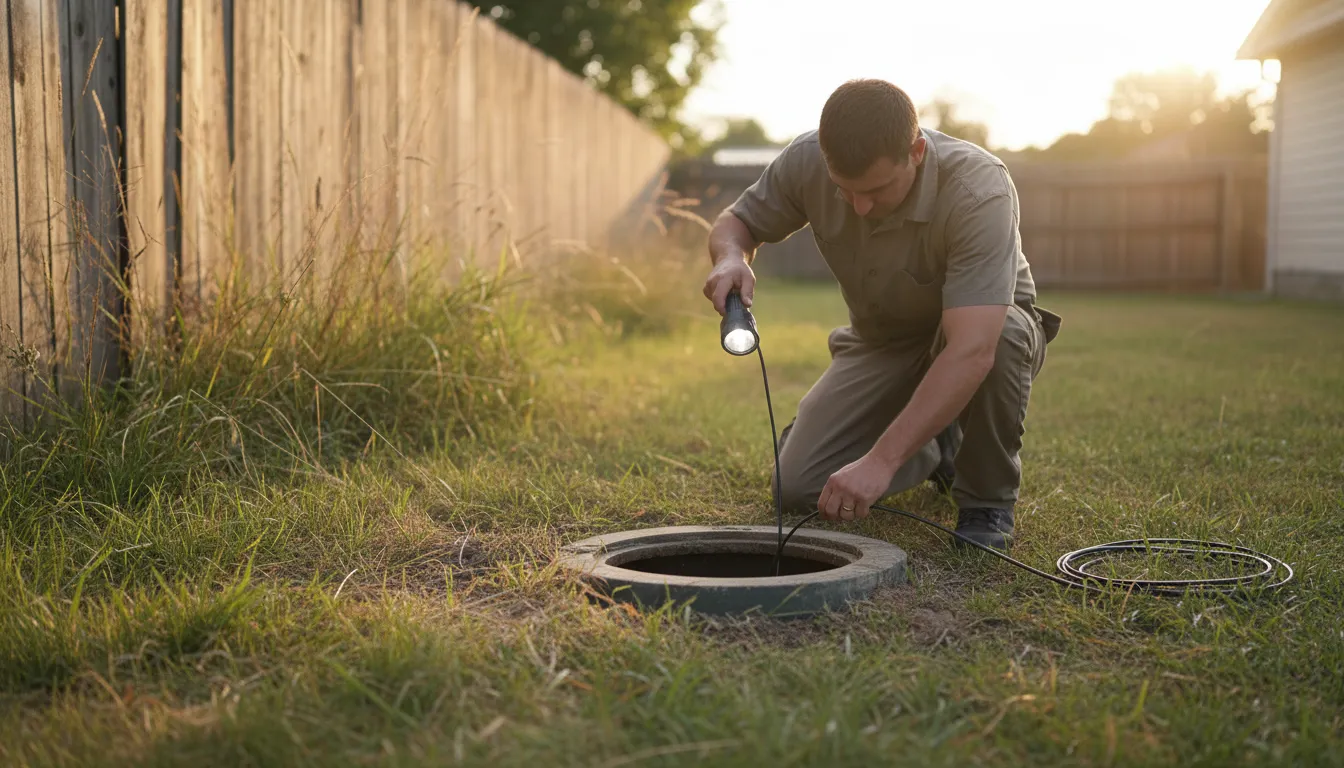
Find the Best Septic Tank Inspection Companies for Your Business
No obligation • Fast responses • Nationwide coverage

Why you can trust Septic Spot
Septic Spot is a leading United States resource for understanding and comparing septic services. Our editors review providers using consistent criteria and verify key business details. Listings and scores are independent, and companies cannot pay to influence our content.
Search providers near you
Top Septic Tank Inspection Companies in Hempstead, New York Ranked
A professional septic tank inspection is a critical evaluation of your on-site wastewater system's health and functionality. For homeowners in Hempstead, these assessments are not just about maintenance; they are a key requirement for property transfers, renovations, and ensuring the long-term viability of your system and local groundwater. This resource helps you understand the process, local regulations, and what to look for when seeking a qualified local provider for your system evaluation.
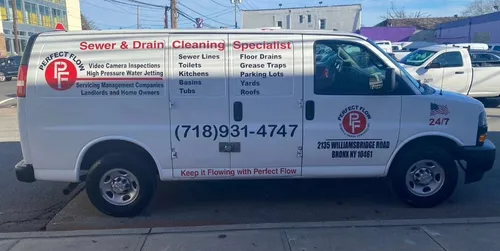
Perfect Flow Sewer & Drain Services
2135 Williamsbridge Rd, Bronx, NY 10461
Perfect Flow Sewer & Drain Services provides septic tank inspection and septic system repair in Yonkers, NY. They offer thorough inspections, efficient cleaning, and precise repairs to maintain reliable sewer and drain systems. Their services focus on ensuring seamless flow and system functionality.
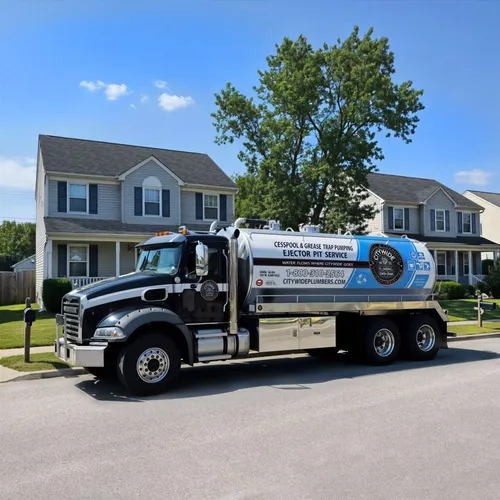
Citywide Grease Trap Maintenance | Cesspool Pumping Service Long Island
110 Voice Rd, Carle Place, NY 11514
Citywide Grease Trap Maintenance | Cesspool Pumping Service Long Island provides septic and cesspool pumping, inspection, repair, and installation services in New York, NY. Serving both residential and commercial clients, they offer comprehensive maintenance and cleaning to prevent system failures. Their skilled technicians use advanced equipment for installations and repairs, including grease trap pumping and sewage ejector pit services. With over 65 years of experience, Citywide operates 24/7 to address emergency needs promptly.
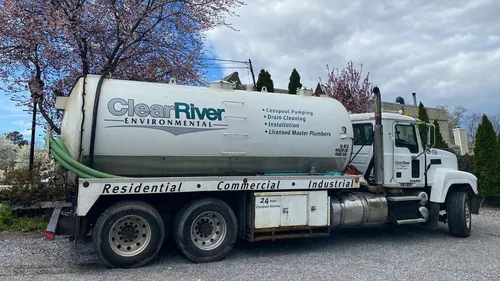
Clear River Environmental
847 11th St, Ronkonkoma, NY 11779
Clear River Environmental is a septic tank pumping, inspection, repair, and installation company serving New York, NY. They offer comprehensive environmental services including cesspool pumping, septic system maintenance, plumbing repairs, and emergency environmental remediation. The company has over 60 years of experience and uses advanced equipment such as camera inspection systems and leak detection technology. Clear River Environmental provides 24/7 emergency services to address urgent property issues promptly.
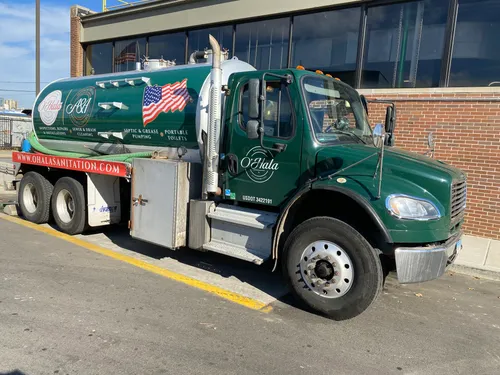
A & A Systems Control Inc
47 Larkin St Unit 5 A, Stamford, CT 06907
A & A Systems Control Inc is a family-owned septic and excavating services company based in Stamford, CT. They provide a full range of septic system services including pumping, inspections, repairs, installations, and drain cleaning for residential and commercial clients. Their expertise extends to excavation, drainage solutions, grease trap cleaning, and percolation testing, serving Stamford and nearby communities such as Greenwich, Darien, and New Canaan. The company offers 24/7 availability and emphasizes routine maintenance plans to minimize emergencies and system backups. With a background in utility construction, A & A Systems Control Inc combines technical knowledge with local service to support well-maintained septic systems.
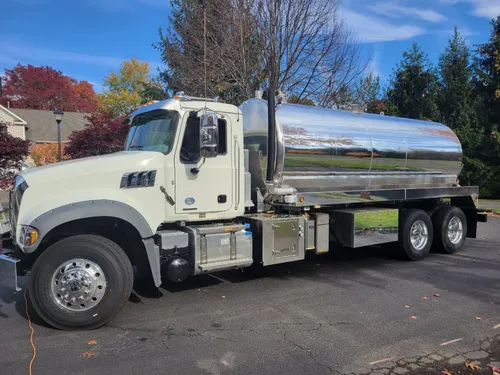
North Shore Cesspool & Drain Corp
231 Lawrence Ln, Glen Cove, NY 11542
North Shore Cesspool & Drain Corp provides cesspool and septic system services in New York, NY. They offer pumping, cleaning, inspections, repairs, and installations for residential and commercial properties. Their capabilities include hydro jetting and sewer line camera inspections. The company serves Long Island and is available 24/7 for emergency flooding response and backups.
Why Regular Septic System Evaluations Are Essential in Hempstead
In areas like Hempstead that rely on private sewage treatment, a failing system poses serious health risks and environmental hazards, including groundwater contamination. Regular inspections are your first line of defense. The New York State Department of Health recommends that systems be inspected every 1-3 years and pumped every 3-5 years by a licensed provider 1 2. Beyond routine care, a formal septic system inspection is often mandated by local sanitary codes during a home sale or when applying for a permit to increase a home's occupancy (like adding a bedroom) 3. Proactive checks can identify minor issues like a clogged baffle before they escalate into a complete drain field failure, saving you tens of thousands of dollars in replacement costs.
Understanding Local Regulations and Requirements
Navigating the rules for septic systems in Nassau County involves both state and local guidelines. While New York State sets the baseline, local towns like North Hempstead have specific ordinances emphasizing regular maintenance.
- Licensing is Non-Negotiable: Always hire a professional holding a New York State Department of Environmental Conservation (NYSDEC) license for septic work. This ensures they are qualified to assess your system according to county health guidelines 4.
- Common Inspection Triggers: Mandatory evaluations are typically required for property transfers, substantial renovations, or as part of local compliance checks 5.
- System Placement Rules: Regulations dictate minimum distances for system components. For example, septic tanks must be at least 10 feet from your home's foundation and property lines, 100 feet from private wells, and 15 feet from storm drains 6.
What a Comprehensive Septic Inspection Involves
A thorough septic tank assessment is more than just a quick look. Licensed professionals follow a detailed process to evaluate every component.
- Pumping and Interior Examination: The tank is pumped out so the inspector can visually examine the interior walls, floor, and seams for cracks, leaks, or structural damage. This step is crucial for an accurate evaluation.
- Component Inspection: Key parts like the inlet and outlet baffles (which prevent solids from exiting the tank) and pipes are checked for blockages, corrosion, or wear. The distribution box, if present, is also inspected for proper function.
- Drain Field Evaluation: The inspector assesses the soil absorption area (leach field) for signs of failure. Red flags include soggy soil, surfacing sewage, or unusually lush vegetation over the field lines.
- Dye Testing: In some inspections, a non-toxic dye is flushed through household plumbing to verify that all wastewater is correctly flowing into the septic system and not leaking elsewhere 7.
Cost Considerations for Inspection and Related Services
Understanding potential costs helps in planning for this essential home maintenance. Prices can vary based on system size, complexity, and the depth of the inspection.
- Inspection Cost: A standard professional septic system evaluation in the Hempstead area typically ranges from $100 to $600. More comprehensive inspections, which may include detailed soil percolation tests or camera scoping, can cost up to $1,000 8 9.
- Pumping Cost: Since pumping is part of a proper inspection, this is often a separate or bundled service fee. Pumping a residential tank (1,000-2,000+ gallons) in this region usually costs between $300 and $600 10.
- Replacement Cost: The ultimate reason for regular inspections is to avoid system failure. If a system is beyond repair, full replacement in New York can be a significant investment, often ranging from over $10,000 to $25,000 or more, depending on soil conditions and system type 11 12.
Find the perfect septic tank inspection companies for your needs
Get personalized recommendations and expert advice
Maintaining Your System Between Inspections
A septic inspection provides a snapshot of your system's health, but proper daily care extends its lifespan. Avoid flushing anything besides human waste and toilet paper. Never pour grease, chemicals, or medications down the drain, as they can kill the essential bacteria in your tank and contaminate groundwater. Conserve water to prevent hydraulically overloading the system-spread out laundry loads and fix dripping faucets promptly. Also, keep vehicles and heavy equipment off your drain field to prevent soil compaction and pipe damage.
Choosing a Qualified Service Provider in Hempstead
Selecting the right professional is critical for a reliable assessment. Always verify their NYSDEC license and ask for proof of insurance. Look for companies with strong local reputations and experience specifically with systems in Nassau County's soil conditions. Don't hesitate to ask for references or details about their inspection process. A reputable provider will be transparent about what their inspection includes, the associated costs for pumping and evaluation, and will guide you on any necessary next steps or repairs. For the most accurate information on local rules, you can also contact the Nassau County Department of Health directly 13.
Frequently asked questions
Sources
Footnotes
-
Septic System Operation and Maintenance - https://www.health.ny.gov/publications/3208/ ↩
-
EPA - NYC.gov - https://www.nyc.gov/assets/dep/downloads/pdf/watershed-protection/east-of-hudson-ms4/epa_guide_to_septic_systems_b.pdf ↩
-
Article V: Requirements for Existing Wastewater Treatment Systems - https://ecode360.com/12720112 ↩
-
New York Septic License & Certification | 2024 Contractor Guide - https://www.servicetitan.com/licensing/septic/new-york ↩
-
New York needs stronger laws to regulate septic systems - https://www.protectadks.org/new-york-needs-stronger-laws-to-regulate-septic-systems/ ↩
-
Understanding Your Septic System - Town of North Hempstead - https://www.citizenserve.com/Documents/334/Understanding_Your_Septic_System.pdf ↩
-
Interpreting Septic Tank Inspection Results | Septic System Professionals - https://septic911.com/interpreting-septic-tank-inspection-results/ ↩
-
Septic Tank Inspection Cost: What to Expect & What's Involved - https://atlantaseptictankpros.com/septic-tank-inspection-cost-what-to-expect-whats-involved/ ↩
-
Septic Tank Inspection Cost Guide | What to Expect & Save | Blog - https://www.blueribbonseptic.com/blog/septic-tank-inspection-costs-are-you-paying-too-much ↩
-
How Often Should You Pump Your Septic Tank: 3 Factors Solved - https://www.frasiers.com/blog/sewage-tank-pump-frequency/ ↩
-
New Directions for Local Septic System Management in New ... - https://efc.syr.edu/wp-content/uploads/2025/02/Public-Problem_Private-Property_PDF_2024_FINAL.pdf ↩
-
Septic System Cost Estimate: A Complete Breakdown - Land Perc - https://landperc.com/septic-system-cost-estimate/ ↩
-
Your Septic System - Cornell University - https://www.css.cornell.edu/cwmi/waterquality/septic/CCEWQ-YourSepticSystem-Print.pdf ↩