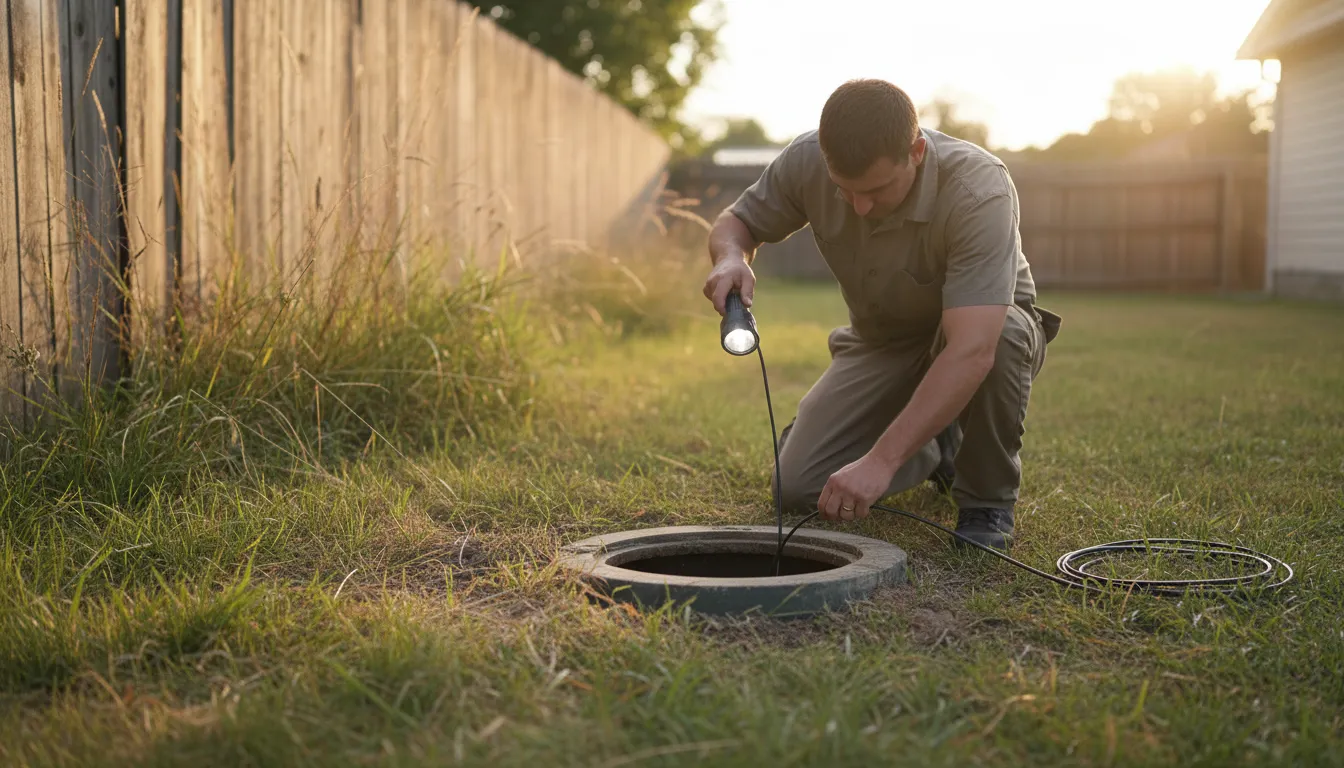
Find the Best Septic Tank Inspection Companies for Your Business
No obligation • Fast responses • Nationwide coverage

Why you can trust Septic Spot
Septic Spot is a leading United States resource for understanding and comparing septic services. Our editors review providers using consistent criteria and verify key business details. Listings and scores are independent, and companies cannot pay to influence our content.
Search providers near you
Top Septic Tank Inspection Companies in Akron, Ohio Ranked
A septic tank inspection is a professional assessment of your onsite wastewater system's condition and functionality. In Akron and Summit County, these evaluations are crucial for protecting your property value, ensuring public health, and complying with local regulations. This guide will help you understand the inspection process, local requirements, and how to find qualified local professionals to perform this essential service.
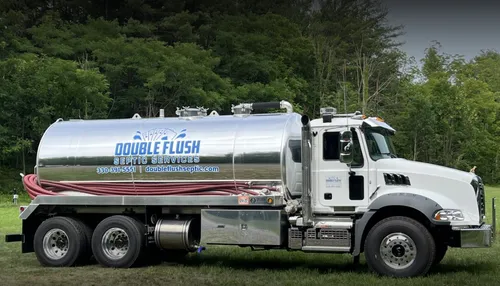
Double Flush Septic Services
2481 Remsen Rd, Medina, OH 44256
Double Flush Septic Services is a family-owned company based in Medina, OH, providing septic system installation, pumping, inspection, and repair services throughout Akron and the surrounding Northeast Ohio counties. They serve a broad area including Medina, Summit, Stark, Wayne, and Cuyahoga counties, offering expertise in maintaining and repairing septic tanks, drain fields, and aeration systems such as Norweco, Hydro-Action, and Marlow-Hunter. The company also provides emergency septic services and commercial grease trap cleaning, with capabilities like hydro jetting and drain snaking to address severe blockages. Double Flush Septic Services emphasizes local knowledge of Ohio's climate and soil conditions to support system longevity and functionality.
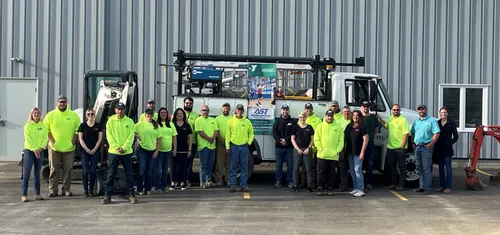
Aeration Septic - ASI
775 Elm Ridge Ave, Canal Fulton, OH 44614
Aeration Septic - ASI is a septic tank inspection and repair company serving Akron, OH, and surrounding counties. Since 1989, they have provided services including septic system inspections, repairs, and yearly maintenance contracts for residential aeration systems. Their capabilities include servicing and maintaining aerobic treatment systems, class 1 blowers, and sump pumps. The company ensures compliance with health regulations by reporting to County Health Departments and employs professionals who stay updated with industry developments through regular seminars.

S.H. FOX Home Inspections
7444 Arlington Ave NW, Massillon, OH 44646
S.H. FOX Home Inspections is a home inspection company based in Akron, OH. They provide a range of inspection services including septic tank inspections, radon testing, mold inspections with air sampling, WDI pest inspections, and well inspections. With over a decade of experience, they approach each inspection thoroughly and aim to assist clients throughout the home buying process.
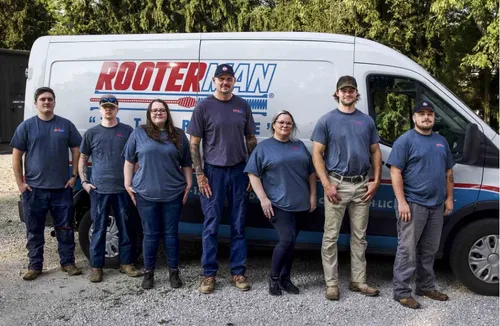
Rooter Man
195 Potomac Ave Unit B, Tallmadge, OH 44278
Rooter Man is a family-owned plumbing company serving Akron, OH, and surrounding areas including Summit, Stark, and Portage counties. They offer a wide range of services including septic tank pumping, inspection, repair, and installation, along with drain cleaning, sewer line repair, and water heater services. With over 50 years of experience, Rooter Man uses advanced tools such as hydro jetting and video pipe inspections to address plumbing and septic system issues efficiently. The company provides emergency service seven days a week to handle urgent plumbing needs.
Certified Home & Property Inspection LLC
Akron, OH
Certified Home & Property Inspection LLC provides comprehensive home and property inspection services in Akron, OH, and the surrounding Northeast Ohio area. Their offerings include septic system inspections, general home inspections, radon testing, water quality testing, and more. The company is staffed by certified inspectors with over a decade of experience and holds multiple professional certifications, including Ohio Licensed Home Inspector and ASHI Certified Inspector. They follow state standards and maintain impartiality by not performing repairs on inspected properties.
Why Septic System Inspections Matter in Akron
For homes not connected to municipal sewer lines, a properly functioning septic system is non-negotiable. A failing system can lead to sewage backups in your home, contamination of groundwater, and costly environmental hazards on your property. In Summit County, the local health department strongly recommends inspections, particularly during property transfers, to verify system compliance and functionality 1. Regular septic evaluations are your first line of defense against system failure, helping you catch minor issues before they become major, expensive repairs.
Local Regulations for Septic Inspections
Understanding local rules is key for any Akron homeowner with a septic system.
- Mandatory Servicing: In Summit County and surrounding areas like Washington County, septic systems (often referred to as Household Sewage Treatment Systems or HSTS) are required by health code to be serviced-which includes inspection and pumping-at least once every three years 2.
- Permit Requirements: Systems operate under a two-year permit from the local health department, which requires renewal and a nominal fee (approximately $20) 3 4.
- Licensed Providers: Inspections must be performed by a state-registered and licensed service provider. The Summit County Public Health (SCPH) department does not conduct inspections directly but oversees the program and maintains lists of qualified professionals.
- Point-of-Sale Inspections: While SCPH does not mandate an inspection for property sales, it is a highly recommended and common practice. Most buyers will request a septic system evaluation as a condition of sale to ensure the system is compliant and in good working order before purchase.
What Does a Professional Inspection Include?
A thorough septic system assessment is more than just looking at the tank. A qualified inspector will follow a detailed checklist to evaluate the entire system.
- Site Access & Preparation: The inspector will first locate and uncover the tank's access lids. Ensuring these are accessible is the homeowner's responsibility.
- Tank Interior Evaluation: This is the core of the inspection. The professional will measure the levels of sludge (solids at the bottom) and scum (fats/oils at the top) to determine if immediate pumping is needed. They will also check the liquid level to assess proper hydraulic function.
- Component Inspection: Key components like inlet and outlet baffles (or tees) and the distribution box (if present) are examined for cracks, blockages, or deterioration. Damage here can cause solids to flow into the drainfield and clog it 5.
- Drainfield Assessment: The inspector will examine the soil absorption field (leach field) for signs of failure. Warning signs include surfacing sewage, soggy or ponding soil, and unusually lush grass growth over the field lines 6 7.
- System Function & Flow Test: In some cases, inspectors may run water through the system to check for proper drainage from the house to the tank and from the tank to the field.
A comprehensive inspection report should detail the condition of each component, note any issues, and provide recommendations for maintenance or repair.
Find the perfect septic tank inspection companies for your needs
Get personalized recommendations and expert advice
Understanding Inspection and Pumping Costs
The cost for a septic system evaluation in the Akron area can vary based on several factors. According to industry data, a standard inspection typically ranges from $100 to $300 8 9. If the inspection reveals that pumping is necessary, you can expect an additional cost, with combined inspection and pumping services often totaling between $290 and $560 8 9.
Several key factors influence the final price:
- Tank Size and Accessibility: Larger tanks cost more to pump. If the tank's access lids are buried and require excavation, this will add to the labor cost.
- Travel Distance: Providers may charge more for service calls outside their immediate service area.
- System Complexity: Systems with pumps, advanced treatment components, or hard-to-locate drainfields may require more time to inspect.
- Scope of Service: A basic visual inspection costs less than a full evaluation that includes a camera scan of lines or a hydraulic load test.
Always request a detailed estimate before work begins.
Maintaining Your System Between Inspections
Professional inspections every three years are a requirement, but good daily habits extend your system's life. Avoid flushing anything besides human waste and toilet paper. Never pour cooking grease, chemicals, or medications down the drain, as they can kill the beneficial bacteria in your tank and contaminate groundwater. Use water efficiently and space out laundry loads to prevent overloading the system. Know where your tank and drainfield are located and avoid parking vehicles or planting deep-rooted trees over them.
Finding a Qualified Inspection Professional in Akron
When it's time for your mandatory three-year service or a point-of-sale evaluation, choosing the right provider is critical. Look for a company that is licensed and registered with the State of Ohio and familiar with Summit County Public Health regulations. Verify that they carry proper insurance and ask for references. A reputable provider will be transparent about their inspection process, provide a clear written report, and explain their findings in detail. You can contact Summit County Public Health at (330) 923-4891 or visit their website for resources and information on the local septic system program.
Frequently asked questions
Sources
Footnotes
-
Point of Sale | Summit County Public Health - https://www.scph.org/water-quality/point-sale ↩
-
Aeration Septic - Summit County Health Department Inspection - https://www.aeration-septic.com/summit-county-septic-insection-regulations/ ↩
-
Septic Tank to Leaching Component - https://www.scph.org/sites/default/files/editor/WQ/Septic%20Tank%20to%20Leaching%20Component.pdf ↩
-
Septic System Inspections | Washington County, OH - https://www.washingtongov.org/710/Septic-System-Inspections ↩
-
Pumping and Inspecting Your System | Maintaining Your Septic System Guide - https://www.ihs.gov/california/index.cfm/offices/oehe/dsfc/drinking-water-and-sanitation/maintaining-your-septic-system-guide/pumping-and-inspecting-your-system/ ↩
-
Sewage Treatment System Property Transfer Inspection Guidelines - https://cms7files1.revize.com/starkcountyoh/Transfer-Inspection-Guidelines-for-Septic-Systems-3.pdf ↩
-
Septic Tank Pumping: Maintenance Checklist Guide - https://gatewayseptic.com/blog/guide-to-maintenance-checklist-of-septic-tank-pumping/ ↩
-
How Much Does a Septic System Inspection Cost? [2025 Data] - https://www.homeadvisor.com/cost/plumbing/septic-inspection-cost/ ↩ ↩2
-
Septic Tank Inspection Cost Guide | What to Expect & Save | Blog - https://www.blueribbonseptic.com/blog/septic-tank-inspection-costs-are-you-paying-too-much ↩ ↩2