Find the Best Septic Tank Inspection Companies for Your Business
No obligation • Fast responses • Nationwide coverage

Why you can trust Septic Spot
Septic Spot is a leading United States resource for understanding and comparing septic services. Our editors review providers using consistent criteria and verify key business details. Listings and scores are independent, and companies cannot pay to influence our content.
Search providers near you
Top Septic Tank Inspection Companies in Toledo, Ohio Ranked
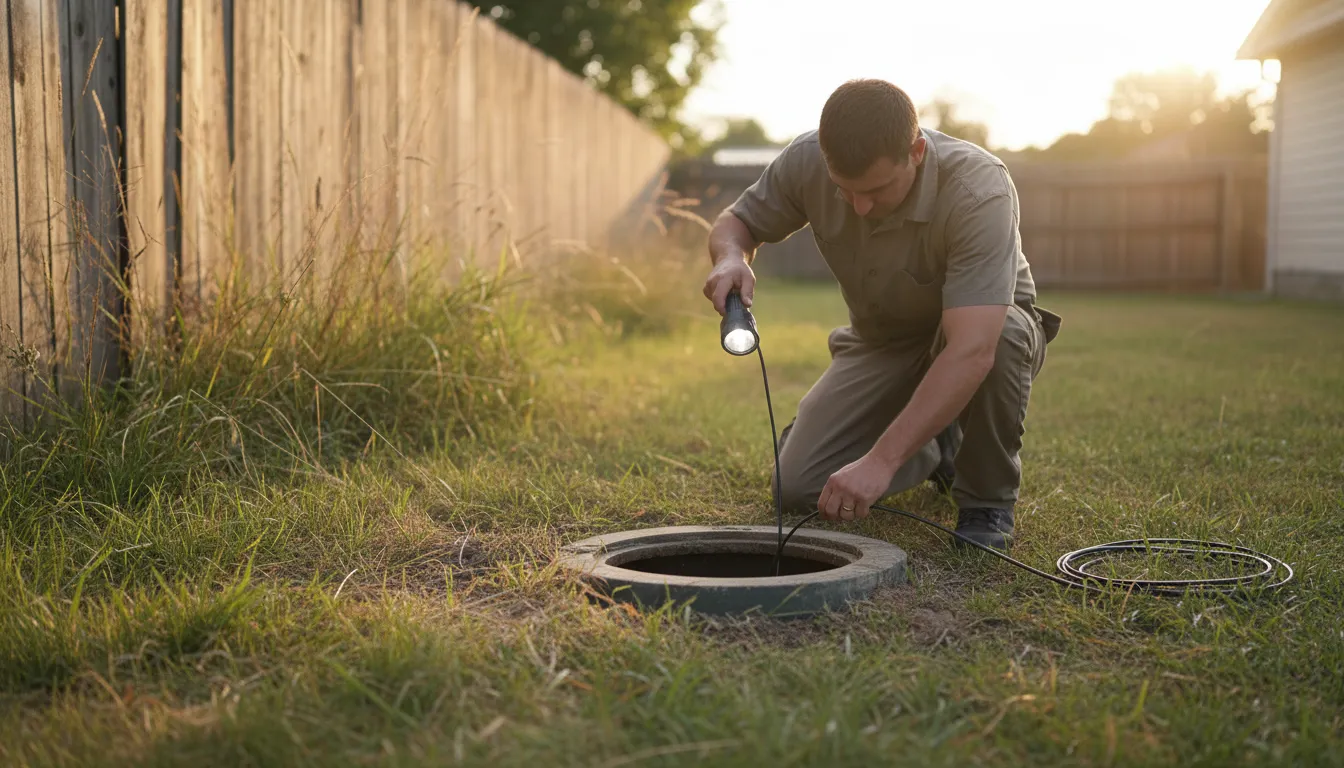
A septic tank inspection is a professional assessment of your onsite wastewater treatment system to ensure it is functioning properly and safely. This process is crucial for protecting your property value, safeguarding public health, and complying with local Lucas County regulations. For Toledo homeowners, finding a qualified local professional to perform this essential evaluation is the first step in responsible system ownership.
C & L Sanitation Inc
27545 Glenwood Rd, Perrysburg, OH 43551
C & L Sanitation Inc is a family-owned company serving Toledo, OH, and surrounding Northwest Ohio communities. They provide portable restroom rentals, luxury restroom trailers, and septic tank pumping services for residential, commercial, and municipal clients. Their septic services include pumping, inspections, riser and lid installations, and system troubleshooting to maintain efficient septic system operation. With nearly 50 years of experience, C & L Sanitation combines modern equipment with local knowledge to support a variety of events and projects.

Ace Septic Tank Services
Toledo, OH 43605
Ace Septic Tank Services provides septic tank pumping and inspection services in Toledo, OH. They focus on regular septic system maintenance to prevent backups and costly damage by removing sludge and scum buildup. Their services include thorough septic tank pumping and cleaning, along with preventative maintenance reminders every three years to help customers maintain their systems efficiently. The company emphasizes proper septic care to extend system life and ensure compliance with local health regulations.
Understanding Septic System Inspections in Lucas County
In Toledo and Lucas County, a septic system evaluation is not just a good idea-it's a regulated requirement. The Toledo-Lucas County Health Department administers an Operation & Maintenance (O&M) program that mandates regular checks for all onsite sewage treatment systems 1. The goal is to prevent system failures that can lead to groundwater contamination, environmental damage, and costly repairs. These inspections are performed by state-registered service providers who follow specific county protocols.
The frequency of your required septic inspection depends on the type of system you have. Traditional, gravity-fed systems typically need an inspection every five years, while more complex systems with pumps, sand filters, or aerobic treatment units may require annual or more frequent checks. Homeowners are responsible for ensuring these inspections are completed on schedule and that any necessary service contracts are in place.
What a Professional Inspection Covers
A thorough septic system assessment involves several key steps to evaluate the entire system from the house to the drainfield. Here's what you can expect when a certified inspector evaluates your system in Toledo:
- System Location & Access: The inspector will first locate your septic tank and drainfield, often referencing an "as-built" diagram if available. They will then safely uncover and open the tank access lids and the distribution box cover.
- Tank Integrity & Baffles: The structural condition of the tank is checked for cracks, leaks, or corrosion. A critical part of this is inspecting the inlet and outlet baffles (or tees), which are essential for preventing solids from escaping into the drainfield. The official Toledo-Lucas County inspection form includes specific checks for these components 2.
- Sludge and Scum Measurement: The inspector measures the levels of sludge (settled solids) and scum (floating fats and greases) inside the tank. This determines if the tank needs to be pumped. As a rule, pumping is recommended when the sludge layer is within about 12 inches of the outlet baffle 3.
- Drainfield Evaluation: The inspector examines the soil absorption area (drainfield) for signs of failure. Red flags include standing water, overly lush grass, or foul odors-indications that untreated wastewater is surfacing 4 5.
- Reporting: After the evaluation, the inspector documents the findings on the county's O&M inspection form. This report must be submitted to the local health department to maintain compliance with your permit.
Find the perfect septic tank inspection companies for your needs
Get personalized recommendations and expert advice
Local Regulations and the O&M Program
Compliance with the Lucas County O&M program is a key reason for scheduling regular inspections. When you purchase a property with a septic system, you assume responsibility for its maintenance. The program categorizes systems based on their design and potential risk, which dictates how often they must be inspected.
Homeowners must obtain an O&M permit from the health department. As noted in program documents, a standard 5-year permit for a traditional system costs approximately $150. This permit is your official record of compliance and is tied to the regular inspection schedule. Failure to maintain an active permit and schedule required inspections can result in notices of violation and fines.
The Importance of Routine Maintenance
An inspection is a diagnostic check-up, but routine maintenance is the ongoing care that keeps your system healthy. The most critical maintenance task is regular pumping. Industry experts and state guidelines consistently recommend pumping your septic tank every 3 to 5 years, depending on household size and usage 6 7. This prevents solids from building up and flowing into the drainfield, which is the most common cause of system failure.
Think of it this way: a septic inspection tells you the condition of your system, while pumping is the essential action needed to preserve it. Many local service providers offer combined inspection and pumping services, which can be a convenient and cost-effective way to fulfill both needs at once.
Costs Associated with Inspections and Pumping in Toledo
Understanding the potential costs helps homeowners budget for this necessary part of homeownership. Prices can vary based on the size of your tank, the complexity of your system, and the specific provider you choose.
- Standard Inspection Cost: A basic visual inspection and report to satisfy O&M requirements typically ranges from $100 to $300 in the Toledo area.
- Comprehensive Inspection Cost: If you are buying or selling a home and need a more detailed evaluation, including a flow test or dye test, the price can range from $300 to $600 or more 8.
- Pumping Cost: The cost to pump a standard residential septic tank in our region generally falls between $200 and $400. This price depends on the tank's capacity (e.g., 1,000-gallon vs. 1,500-gallon) and how much solid waste needs to be removed 9.
- Permit Fee: As mentioned, the 5-year O&M permit fee through Lucas County is around $150 10.
Investing in regular inspections and pumping is far less expensive than dealing with a failed drainfield, which can cost thousands of dollars to repair or replace.
Choosing a Qualified Service Provider in Toledo
When it's time to schedule your septic system check, selecting the right professional is important. Look for a provider who is registered with the Ohio Department of Health and is familiar with the specific inspection forms and requirements of the Toledo-Lucas County Health Department. They should be insured, provide clear explanations of their process, and offer a detailed written report of their findings. A reputable inspector will be able to clearly explain any issues they find and recommend an appropriate course of action, whether it's immediate pumping, minor repairs, or further investigation.
Frequently asked questions
Sources
Footnotes
-
Toledo-Lucas County Health Department - https://lucascountyhealth.com/wp-content/uploads/2021/05/OM-Inspection-Form.pdf ↩
-
Septic Tank Inspection Septic Tank Inspection - https://actat.wvu.edu/files/d/1afeab1e-668e-4eaa-8336-a1f35fe656ce/sfq_w04.pdf ↩
-
What's Entailed in Septic Inspections - https://septiccleanings.com/blog/septic-inspections/ ↩
-
What Does a Septic Inspection Entail? - HomeLight - https://www.homelight.com/blog/septic-inspection/ ↩
-
STS Components, Systems and Maintenance - https://odh.ohio.gov/know-our-programs/sewage-treatment-systems/information-for-homeowners/sts-components-systems-and-maintenance ↩
-
Information for Homeowners - https://odh.ohio.gov/know-our-programs/sewage-treatment-systems/INFORMATION-FOR-HOMEOWNERS ↩
-
Understanding Ohio's Septic System Regulations - https://checkmateohio.com/understanding-ohios-septic-system-regulations/ ↩
-
Septic Tank Inspection Cost: What to Expect & What's Involved - https://atlantaseptictankpros.com/septic-tank-inspection-cost-what-to-expect-whats-involved/ ↩
-
Septic Tank Pumping Cost: Guide & Pricing in 2025 - Splash Plumbing - https://www.splashplumbing.com/how-much-does-it-cost-to-pump-septic-tank-understanding-pricing-and-factors-involved/ ↩
-
Operation and Maintenance Program - Cloudfront.net - https://dfig7j11pjx8o.cloudfront.net/councils-committees-documents/2018_05_02_Toledo_Lucas_Wood_Operation_Maintenance_Program.pdf ↩