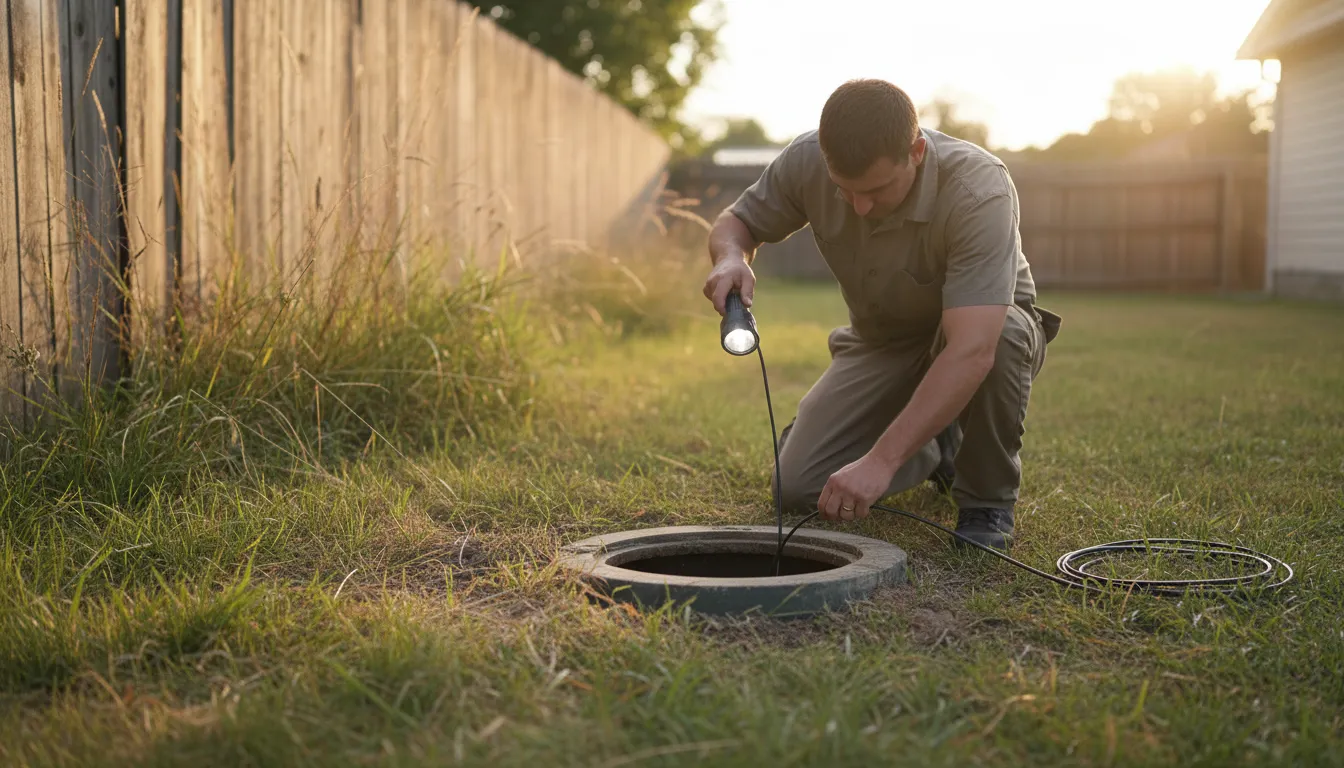
Find the Best Septic Tank Inspection Companies for Your Business
No obligation • Fast responses • Nationwide coverage

Why you can trust Septic Spot
Septic Spot is a leading United States resource for understanding and comparing septic services. Our editors review providers using consistent criteria and verify key business details. Listings and scores are independent, and companies cannot pay to influence our content.
Search providers near you
Top Septic Tank Inspection Companies in Dayton, Ohio Ranked
A septic tank inspection is a critical evaluation of your onsite wastewater system's health and functionality. For Dayton homeowners, these assessments are not just about peace of mind; they are often mandated by state and local regulations to protect public health and the environment. This guide explains what a septic system evaluation entails, why it's essential for your property, and how you can find qualified local professionals to perform this vital service.
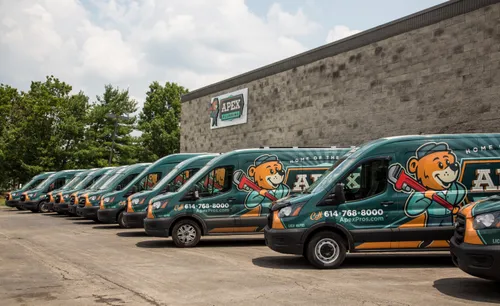
Apex Pros Plumbing, Electrical, Heating and Air
5450 Far Hills Ave Suite 209, Dayton, OH 45429
Apex Pros Plumbing, Electrical, Heating and Air provides a range of home services in Dayton, OH, including septic tank pumping, inspection, and septic system repair. The company also offers heating, cooling, plumbing, and electrical services, with experienced technicians using quality parts and tools. Apex Pros is known for handling various plumbing challenges such as clogged drains and sewer repairs, and they provide advanced drain cleaning techniques. Their team includes NATE-certified technicians skilled in HVAC and plumbing systems. They serve the Dayton area and emphasize thorough, reliable work.
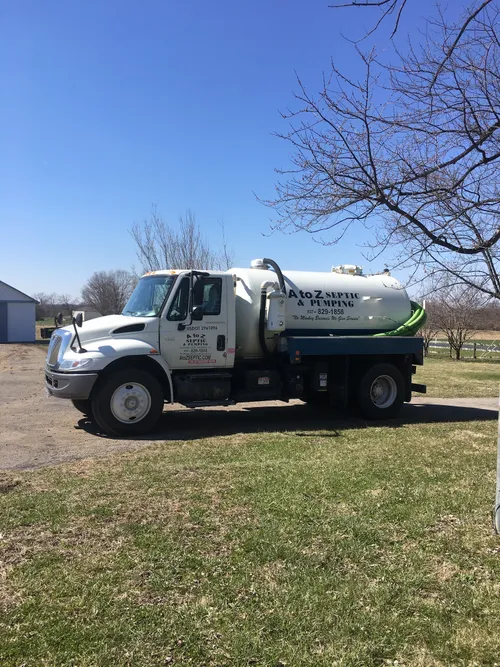
A to Z Septic and Pumping
Dayton, OH
A to Z Septic and Pumping provides a range of septic services in Dayton, OH, including septic tank pumping, inspection, installation, and repair. They also handle drain field repair and grease trap cleaning for both residential and commercial customers. The company offers expertise in maintaining and installing septic systems, ensuring effective wastewater disposal and environmental protection. Their services include emergency septic tank repairs and dumpster rentals for additional waste disposal needs. A to Z Septic and Pumping serves the Dayton area with experienced plumbing professionals who assist customers in managing wastewater safely and efficiently.
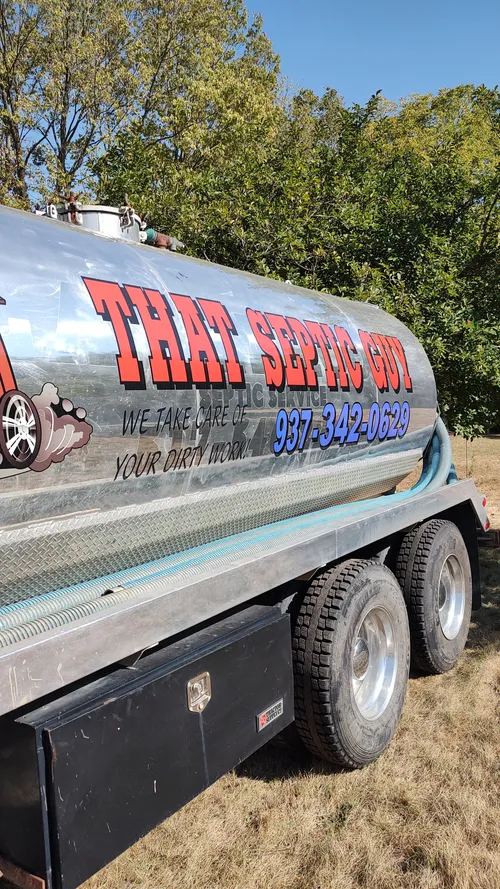
That Septic Guy
Dayton, OH
That Septic Guy is a veteran-owned septic pumping and inspection company based in Dayton, OH. They serve Clark, Champaign, Greene, and Madison Counties, offering services such as real estate septic inspections, septic tank location, and general septic tank cleaning. The company also provides large water pumping services for pools, ponds, basements, and more.
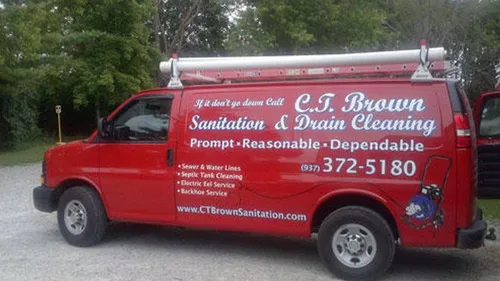
CT Brown Sanitation & Drain Cleaning
Dayton, OH
CT Brown Sanitation & Drain Cleaning is a septic tank pumping, inspection, and installation company serving Dayton, OH, and surrounding areas including Beavercreek and Xenia. With over 60 years of experience, the company provides a range of services such as septic tank cleaning, drain cleaning using electric eel and hydro jetting technology, grease trap maintenance, and full septic system installation including permits and excavation. They offer 24/7 emergency services to handle urgent septic or drainage issues and also provide snow removal during winter months to ensure safe property access.
Understanding Septic System Regulations in Montgomery County
In Ohio, septic systems are governed by rules from the Ohio Department of Health (OAC 3701-29) and managed locally by county health districts. For residents of Dayton and Montgomery County, this means the Public Health - Dayton & Montgomery County is your primary regulatory contact for permits, obtaining system record drawings ("as-builts"), or reporting a suspected failure 1.
A key requirement is the Operation & Maintenance (O&M) program. All septic systems must be part of an O&M program, which mandates regular monitoring and the keeping of maintenance records 2. The standard inspection frequency for a conventional gravity system is every three years. However, if your system includes any electrical or mechanical components, such as pumps or aerators, the law requires an annual inspection2 3 4. Staying compliant with these schedules helps you avoid potential fines and ensures your system operates correctly.
When Is a Septic Inspection Required?
Beyond the routine O&M schedule, several common scenarios trigger the need for a professional septic assessment:
- Property Sale or Purchase: While the local health district may not always require an inspection to transfer a deed, most mortgage lenders will. A clean inspection report from a licensed sanitarian or qualified inspector is frequently a mandatory condition for closing on a home with a septic system 5.
- Suspected System Failure: Warning signs like slow-draining fixtures, gurgling pipes, sewage odors indoors or outdoors, or unusually lush, soggy ground over the drainfield all indicate a potential problem that needs immediate professional diagnosis.
- Home Renovation or Addition: If you plan to add bedrooms or significantly increase your home's water usage, you may need to verify your existing septic system's capacity can handle the increased load.
- Preventive Maintenance: Regular check-ups are the best way to catch small issues-like a deteriorating baffle or excessive sludge buildup-before they become expensive, full-system failures.
What to Expect During a Professional Inspection
A thorough septic system inspection is a detailed process that typically takes 1 to 2 hours. Here's a step-by-step breakdown of what a certified inspector will do:
- Locating and Gaining Access: The inspector will first locate the septic tank and distribution box. If you have risers (conduits that bring the tank lids to the surface), this process is quick and clean. If not, the inspector may need to excavate to open the access ports, which can add time and cost 6.
- Tank Integrity and Level Checks: The inspector will check the tank's liquid level. A level higher than the outlet pipe suggests a blockage or drainfield failure, while a low level could indicate a leak in the tank itself. They will also look for cracks, root intrusion, and the condition of the inlet and outlet baffles 7.
- Sludge and Scum Measurement: Using specialized tools, the inspector will measure the depth of the sludge layer at the bottom of the tank and the scum layer floating at the top. These measurements determine if the tank needs to be pumped. A general rule is that pumping is needed if the sludge and scum combined fill more than one-third of the tank's depth 8.
- Drainfield Assessment: The inspector will evaluate the drainfield (or leach field) area for signs of failure. This includes looking for standing water, soggy soil, surfacing sewage, or odors. They may also check the distribution box to ensure wastewater is flowing evenly to all sections of the field 9.
- Functional Flow Test: To assess the system's absorption capacity, the inspector may run a significant amount of water from your home (like multiple faucets or a washing machine cycle) and observe how quickly the water level in the tank rises and falls 10.
- Report and Recommendations: After the evaluation, you should receive a detailed report outlining the system's condition, any issues found, and recommended actions, such as immediate pumping or repairs.
Find the perfect septic tank inspection companies for your needs
Get personalized recommendations and expert advice
Cost of Septic Inspections and Pumping in Dayton
Understanding the potential costs helps homeowners budget for this necessary maintenance. Prices can vary based on your tank's size, its accessibility, and the complexity of your system.
- Inspection-Only Service: A standard septic system inspection in the Dayton area typically ranges from $200 to $500 11.
- Septic Tank Pumping: The cost to pump out a residential septic tank generally falls between $300 and $600+, depending on tank capacity (e.g., 1,000-gallon vs. 1,500-gallon) 12.
- Combined Inspection and Pumping: Many companies offer a discount when you bundle these services. Having your tank pumped concurrently with an inspection often results in a total cost between $400 and $800+, which can be more economical than scheduling them separately 13 14.
Note: These are estimated price ranges. Always get a written quote from a service provider for your specific situation.
Tips for a Successful Inspection
A little preparation can make the inspection process smoother and more effective:
- Know Your System's Location: If you have a diagram ("as-built") of your system, provide it to the inspector. If not, try to locate the tank and drainfield area yourself before the appointment.
- Ensure Clear Access: Clear any debris, vehicles, or landscaping from above the tank and drainfield. If your tank lids are buried, consider having risers installed. Risers bring access to the surface, making every future inspection and pumping faster, easier, and less expensive 15.
- Have Records Ready: Gather any past inspection reports, pumping receipts, or repair records. This history gives the inspector valuable context about your system's maintenance.
- Be Present and Ask Questions: If possible, be home during the inspection. It's an excellent opportunity to learn about your system, ask about its specific components, and understand the inspector's findings firsthand.
Maintaining Your System After the Inspection
The inspection report is your roadmap for maintenance. If pumping is recommended, schedule it promptly. If repairs are needed, address them quickly to prevent a minor issue from escalating into a complete system failure, which can cost tens of thousands of dollars to replace.
Continue to practice good septic habits: conserve water, avoid pouring grease or chemicals down drains, and do not flush anything besides human waste and toilet paper. Keep a copy of your inspection report with your important home documents; it will be invaluable for future maintenance and if you decide to sell your home 16 17.
Frequently asked questions
Sources
Footnotes
-
Information for Homeowners - https://odh.ohio.gov/know-our-programs/sewage-treatment-systems/INFORMATION-FOR-HOMEOWNERS ↩
-
Understanding Ohio's Septic System Regulations - https://checkmateohio.com/understanding-ohios-septic-system-regulations/ ↩ ↩2
-
Septic System Inspections | Washington County, OH - https://www.washingtongov.org/710/Septic-System-Inspections ↩
-
Septic - https://www.williamscountyhealth.org/environmental-health/septic-2/ ↩
-
Septic Inspection Services in Dayton & Columbus, OH - https://www.allenhomeinspections.com/septic-inspection ↩
-
What's Entailed in Septic Inspections - https://septiccleanings.com/blog/septic-inspections/ ↩
-
example one year and regular operational inspection form - https://odh.ohio.gov/wps/wcm/connect/gov/b9e5e031-87da-4d83-8fca-c90561fb6842/res-exampleoneyearinspectionform.pdf?MOD=AJPERES&CONVERT_TO=url&CACHEID=ROOTWORKSPACE.Z18_M1HGGIK0N0JO00QO9DDDDM3000-b9e5e031-87da-4d83-8fca-c90561fb6842-myUBDio ↩
-
Septic System Inspections: A Step-by-Step How-To Guide - https://westcoastsanitationinc.com/septic-inspection-service/ ↩
-
Septic System Inspections - InterNACHI® - https://www.nachi.org/inspecting-septic-systems.htm ↩
-
What to Expect from a Septic Inspection - https://www.wrenvironmental.com/blog/2023/may/what-to-expect-from-a-septic-inspection/ ↩
-
Real Estate Septic Inspections in Ohio - https://beohio.com/services/septic/real-estate-septic-inspections ↩
-
A GUIDE FOR ON-SITE SEWAGE DISPOSAL ... - Ohio.gov - https://dam.assets.ohio.gov/image/upload/epa.ohio.gov/Portals/35/documents/Sewage2000.pdf ↩
-
Preparing for Septic Tank Inspection: 7 Key Steps - https://septic911.com/preparing-for-septic-tank-inspection/ ↩
-
Stay Compliant: Avoid Fines with Septic System Regulations - https://smartsepticpros.com/blog/septic-system-regulations/ ↩
-
Homeowner's Septic System Manual, updated January 2024 - https://cdn.kingcounty.gov/-/media/king-county/depts/dph/documents/health-safety/environmental-health/oss/educational-downloads/homeowners-septic-system-manual.pdf?rev=82630971dc9e4074850c68d917f0eb26 ↩
-
Septic Inspections for Real Estate in Ohio | SepTek - https://www.septekservices.com/2025/06/19/what-to-expect-during-a-septic-inspection-for-real-estate-transactions-in-ohio/ ↩
-
Guide to Septic System Inspections for Florida Home Buyers and Sellers - https://www.acesepticandwaste.com/guide-to-septic-system-inspections-for-florida-home-buyers-and-sellers/ ↩