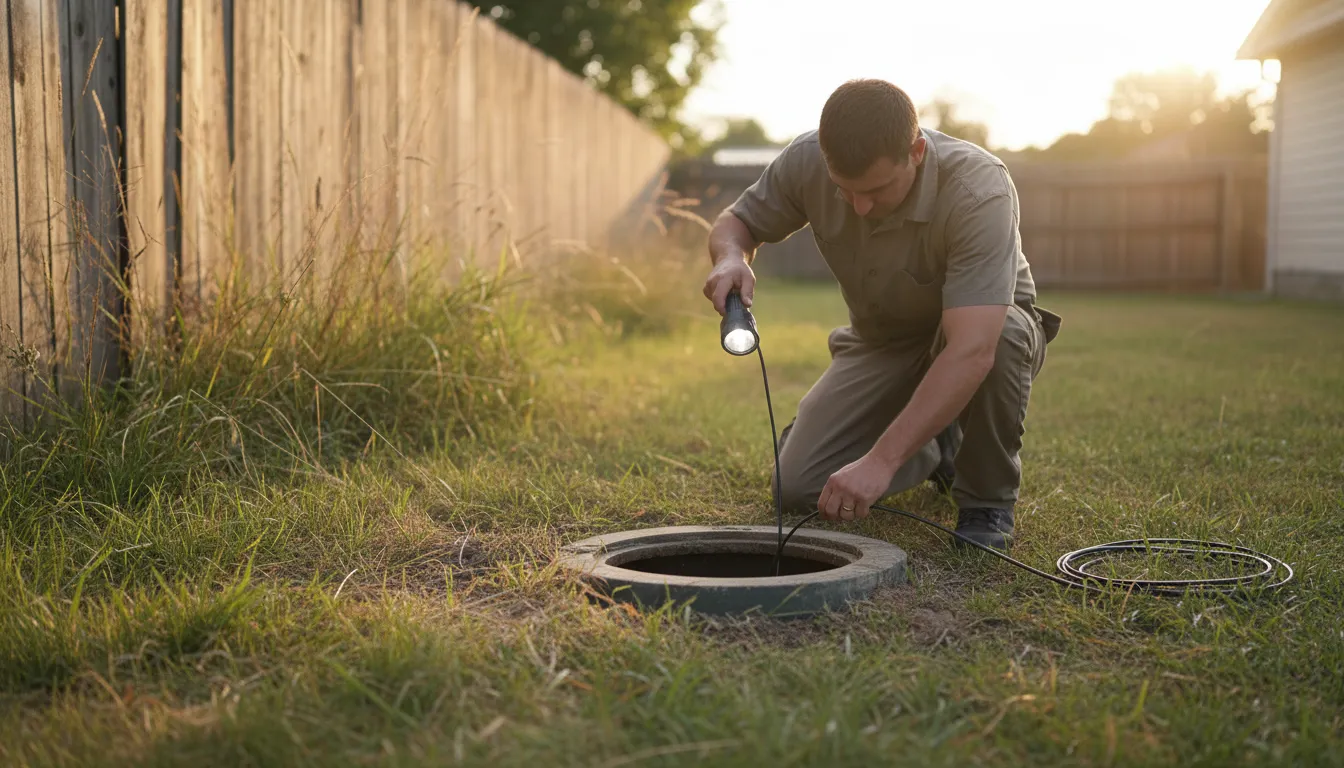
Find the Best Septic Tank Inspection Companies for Your Business
No obligation • Fast responses • Nationwide coverage

Why you can trust Septic Spot
Septic Spot is a leading United States resource for understanding and comparing septic services. Our editors review providers using consistent criteria and verify key business details. Listings and scores are independent, and companies cannot pay to influence our content.
Search providers near you
Top Septic Tank Inspection Companies in Cleveland Heights, Ohio Ranked
A septic tank inspection is a professional evaluation of your home's on-site wastewater treatment system to ensure it is safe, functional, and compliant with local health codes. For homeowners in Cleveland Heights, these assessments are critical for protecting your property value, preventing environmental contamination, and avoiding costly emergency repairs. This guide helps you understand the local requirements, what a thorough inspection entails, and how to find qualified professionals to evaluate your system.
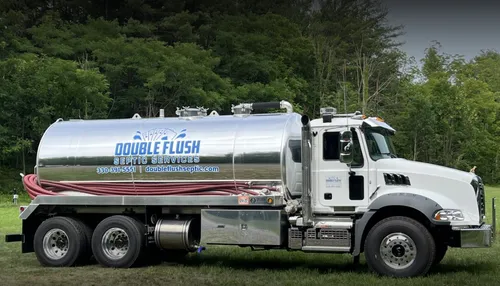
Double Flush Septic Services
2481 Remsen Rd, Medina, OH 44256
Double Flush Septic Services is a family-owned company based in Medina, OH, providing septic system installation, pumping, inspection, and repair services throughout Akron and the surrounding Northeast Ohio counties. They serve a broad area including Medina, Summit, Stark, Wayne, and Cuyahoga counties, offering expertise in maintaining and repairing septic tanks, drain fields, and aeration systems such as Norweco, Hydro-Action, and Marlow-Hunter. The company also provides emergency septic services and commercial grease trap cleaning, with capabilities like hydro jetting and drain snaking to address severe blockages. Double Flush Septic Services emphasizes local knowledge of Ohio's climate and soil conditions to support system longevity and functionality.
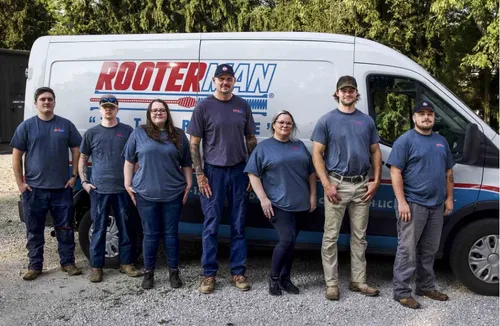
Rooter Man
195 Potomac Ave Unit B, Tallmadge, OH 44278
Rooter Man is a family-owned plumbing company serving Akron, OH, and surrounding areas including Summit, Stark, and Portage counties. They offer a wide range of services including septic tank pumping, inspection, repair, and installation, along with drain cleaning, sewer line repair, and water heater services. With over 50 years of experience, Rooter Man uses advanced tools such as hydro jetting and video pipe inspections to address plumbing and septic system issues efficiently. The company provides emergency service seven days a week to handle urgent plumbing needs.
Certified Home & Property Inspection LLC
Akron, OH
Certified Home & Property Inspection LLC provides comprehensive home and property inspection services in Akron, OH, and the surrounding Northeast Ohio area. Their offerings include septic system inspections, general home inspections, radon testing, water quality testing, and more. The company is staffed by certified inspectors with over a decade of experience and holds multiple professional certifications, including Ohio Licensed Home Inspector and ASHI Certified Inspector. They follow state standards and maintain impartiality by not performing repairs on inspected properties.
Ascension Home Inspections LLC
Akron, OH
Ascension Home Inspections LLC is a septic tank inspection company based in Akron, OH. They specialize in septic and well system inspections, serving multiple counties in Ohio. With over 25 years of experience, Ascension is knowledgeable about local regulations and can identify failing systems while offering solutions. They are also a state-approved private water systems contractor, providing thorough well inspections including water sampling.
A & P Septic LLC
Cleveland, OH
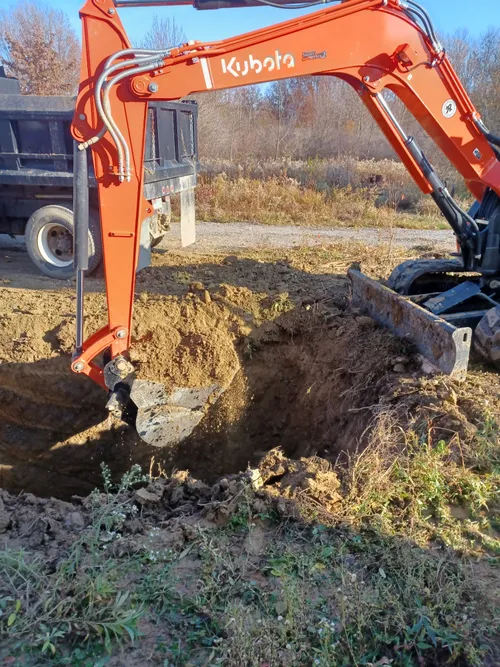
A & P Septic LLC provides septic system installation, cleaning, repair, and inspection services in Cleveland, OH. They serve Northeast Ohio with a focus on preventative maintenance to help avoid costly repairs and maintain system health. Their capabilities include septic tank pumping, sewer line services, and designed mound installations. The company emphasizes regular septic system inspections and pumping every few years to ensure trouble-free performance.
Local Regulations and Requirements in Cuyahoga County
In Cleveland Heights, septic systems, officially known as Household Sewage Treatment Systems (HSTS), are regulated by the Cuyahoga County Board of Health (CCBH). The county implemented a Household Sewage System Operation and Management Program to minimize public health risks and environmental impact. As the property owner, you are legally responsible for the maintenance and regular inspection of your system.
A key local requirement involves real estate transfers. Before selling a home with a septic system in Cleveland Heights, an inspection is typically mandated to verify the system is safe and operational 1. This protects both the buyer and seller and is a standard part of the transaction process. The CCBH can provide information on registered contractors and the specific permits needed, with permit fees varying by system type, often ranging from $40 to $160 2 3.
What a Comprehensive Septic System Evaluation Includes
A professional septic inspection is much more than a quick look. A thorough evaluation by a licensed contractor will examine all critical components of your wastewater system to provide a complete picture of its health.
Tank Integrity and Contents Check The inspector will locate and access the tank, often using specialized tools. A core part of the inspection is measuring the levels of sludge (solid waste at the bottom) and scum (floating fats and greases). These measurements determine if the tank needs immediate pumping and help establish a future maintenance schedule. The inspector also checks for cracks, leaks, low water levels, and ensures the inlet and outlet baffles are intact and functioning to prevent solids from escaping into the drainfield.
Drainfield and Component Assessment The inspection extends beyond the tank. The distribution box (D-box) is examined to ensure wastewater is flowing evenly to all drain lines. The drainfield (or leach field) is inspected for telltale signs of failure, such as standing water, soggy soil, or unpleasant odors, which indicate surfacing effluent and a potentially failing system. For systems with pumps or other mechanical components, these are tested for proper operation.
Advanced Testing: Dye Tests and Flow Tests In some cases, particularly for real estate inspections, a dye test may be performed. A non-staining dye is flushed into the household plumbing; if it appears on the ground surface over the drainfield, it confirms a leak or hydraulic failure 4. The inspector will provide a detailed written report summarizing all findings, which is essential for maintenance records or real estate disclosures.
Find the perfect septic tank inspection companies for your needs
Get personalized recommendations and expert advice
Understanding Inspection Costs and Maintenance Schedules
The cost of a septic inspection in Cleveland Heights depends on the type and depth of the evaluation. A routine visual checkup or annual maintenance inspection typically ranges from $100 to $300 5. A more comprehensive inspection for a real estate transaction, which often includes a dye test and full system report, can cost between $150 and $450, with many falling in the $200 to $350 range 6.
It's important to distinguish between inspection costs and pumping costs. While an inspection assesses the system's condition, pumping is the physical removal of sludge and scum. Pumping a standard 1,000-2,000 gallon tank in the area typically costs $300 to $500, depending on tank size and accessibility 7 8. The U.S. Environmental Protection Agency and the Ohio Department of Health recommend inspecting your system at least every three years and pumping it typically every three to five years, though the exact frequency depends on household size and usage 9 10.
The Consequences of Neglecting Your Septic System
Skipping regular septic tank check-ups can lead to severe and expensive problems. A failing system is a health hazard, as untreated sewage can contaminate groundwater and nearby water bodies, posing risks to your family and community. On your property, a failed drainfield can cause sewage to back up into your home or bubble up in your yard, creating unsanitary conditions and foul odors.
Financially, neglect is costly. A complete drainfield replacement can cost tens of thousands of dollars, far exceeding the few hundred dollars for routine inspections and pumping. Furthermore, if a system fails an inspection during a home sale, it can delay or cancel the transaction, forcing the seller to pay for major repairs under time pressure.
Finding a Qualified Septic Inspector in Cleveland Heights
Choosing the right professional is crucial. Always verify that a contractor is licensed by the Ohio Department of Health and registered with the Cuyahoga County Board of Health to perform inspections in the county. Look for experienced professionals who carry proper insurance and can provide references from past clients in the area.
A reputable inspector will be willing to explain their process, the specific checks they perform (like sludge measurement and baffle inspection), and what their report will include. They should follow the standards outlined in the Ohio Revised Code, Chapter 3718, which governs sewage treatment systems 11. For a current list of approved contractors, you can contact the CCBH directly or consult the Ohio Department of Health's resources for homeowners 12.
Frequently asked questions
Sources
Footnotes
-
INSPECTION CHECKLIST - Cleveland Heights - https://www.clevelandheights.gov/224/Inspection-Checklist-PDF ↩
-
Household Sewage Operation & Management Program | CCBH - https://ccbh.net/household-sewage-management/ ↩
-
Household Sewage Treatment System Tips - Pepper Pike - https://www.pepperpike.org/DocumentCenter/View/804/Cuyahoga-County-Board-of-Health---Household-Sewage-Treatment-System-Tips-PDF ↩
-
What's Entailed in Septic Inspections - https://septiccleanings.com/blog/septic-inspections/ ↩
-
Septic Tank Inspection Cost Guide | What to Expect & Save | Blog - https://www.blueribbonseptic.com/blog/septic-tank-inspection-costs-are-you-paying-too-much ↩
-
Real Estate Septic Inspections in Ohio - https://beohio.com/services/septic/real-estate-septic-inspections ↩
-
Septic Tank Inspection Cost: What to Expect & What's Involved - https://atlantaseptictankpros.com/septic-tank-inspection-cost-what-to-expect-whats-involved/ ↩
-
How Often Should You Pump Your Septic Tank: 3 Factors Solved - https://www.frasiers.com/blog/sewage-tank-pump-frequency/ ↩
-
STS Components, Systems and Maintenance - https://odh.ohio.gov/know-our-programs/sewage-treatment-systems/information-for-homeowners/sts-components-systems-and-maintenance ↩
-
Frequent Questions on Septic Systems | US EPA - https://www.epa.gov/septic/frequent-questions-septic-systems ↩
-
Chapter 3718 - Ohio Revised Code - https://codes.ohio.gov/ohio-revised-code/chapter-3718 ↩
-
Information for Homeowners - https://odh.ohio.gov/know-our-programs/sewage-treatment-systems/INFORMATION-FOR-HOMEOWNERS ↩