Find the Best Septic Tank Inspection Companies for Your Business
No obligation • Fast responses • Nationwide coverage

Why you can trust Septic Spot
Septic Spot is a leading United States resource for understanding and comparing septic services. Our editors review providers using consistent criteria and verify key business details. Listings and scores are independent, and companies cannot pay to influence our content.
Search providers near you
Top Septic Tank Inspection Companies in Huber Heights, Ohio Ranked
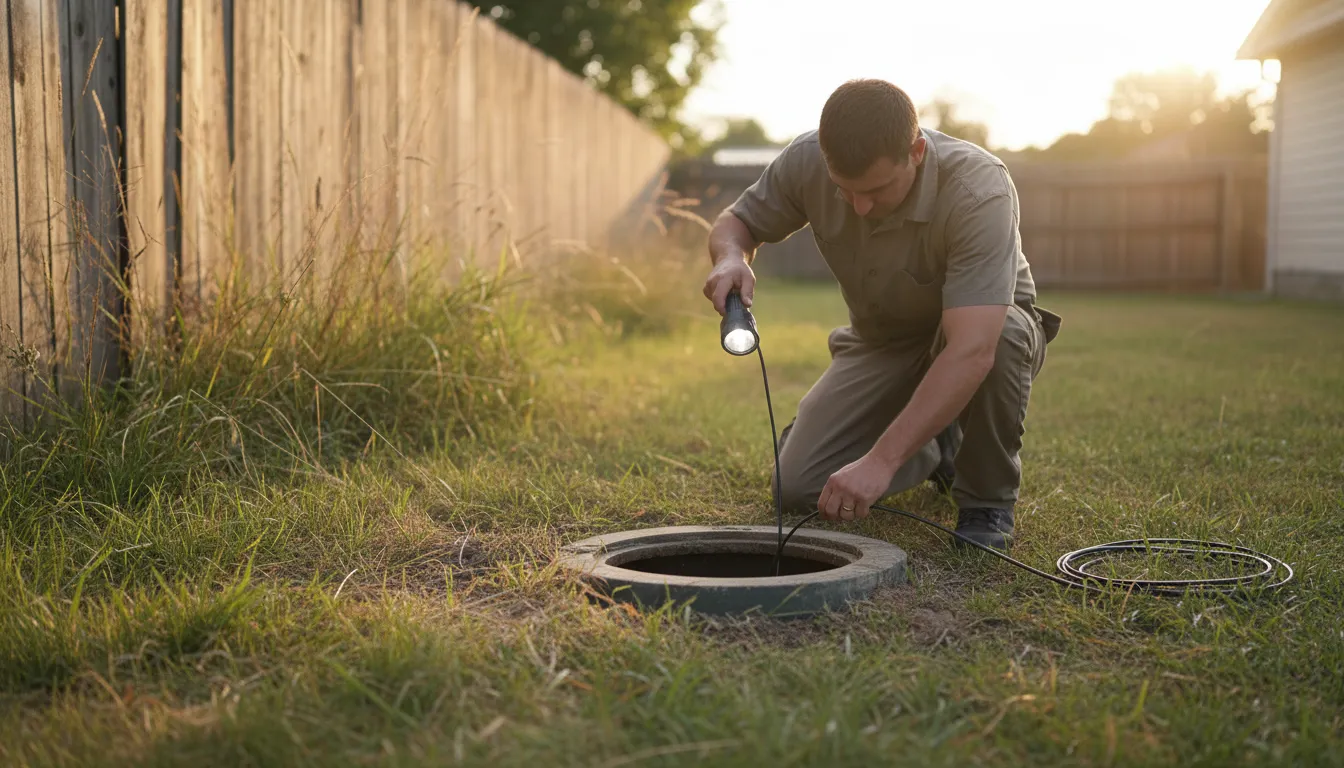
A septic tank inspection is a professional evaluation of your home's on-site wastewater treatment system to ensure it is functioning safely and efficiently. This process is crucial for protecting your property value, preventing environmental contamination, and avoiding costly emergency repairs. For Huber Heights residents, navigating local regulations and finding a qualified professional is key, and this guide is designed to help you understand the process and connect with registered local experts.
Apex Pros Plumbing, Electrical, Heating and Air
5450 Far Hills Ave Suite 209, Dayton, OH 45429
Apex Pros Plumbing, Electrical, Heating and Air provides a range of home services in Dayton, OH, including septic tank pumping, inspection, and septic system repair. The company also offers heating, cooling, plumbing, and electrical services, with experienced technicians using quality parts and tools. Apex Pros is known for handling various plumbing challenges such as clogged drains and sewer repairs, and they provide advanced drain cleaning techniques. Their team includes NATE-certified technicians skilled in HVAC and plumbing systems. They serve the Dayton area and emphasize thorough, reliable work.
A to Z Septic and Pumping
Dayton, OH
A to Z Septic and Pumping provides a range of septic services in Dayton, OH, including septic tank pumping, inspection, installation, and repair. They also handle drain field repair and grease trap cleaning for both residential and commercial customers. The company offers expertise in maintaining and installing septic systems, ensuring effective wastewater disposal and environmental protection. Their services include emergency septic tank repairs and dumpster rentals for additional waste disposal needs. A to Z Septic and Pumping serves the Dayton area with experienced plumbing professionals who assist customers in managing wastewater safely and efficiently.
That Septic Guy
Dayton, OH
That Septic Guy is a veteran-owned septic pumping and inspection company based in Dayton, OH. They serve Clark, Champaign, Greene, and Madison Counties, offering services such as real estate septic inspections, septic tank location, and general septic tank cleaning. The company also provides large water pumping services for pools, ponds, basements, and more.
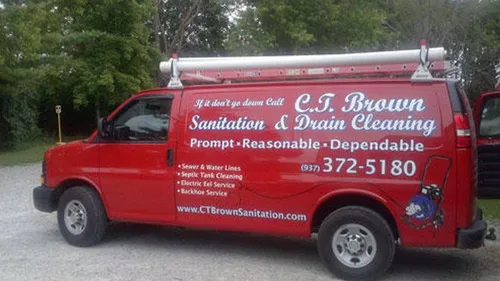
CT Brown Sanitation & Drain Cleaning
Dayton, OH
CT Brown Sanitation & Drain Cleaning is a septic tank pumping, inspection, and installation company serving Dayton, OH, and surrounding areas including Beavercreek and Xenia. With over 60 years of experience, the company provides a range of services such as septic tank cleaning, drain cleaning using electric eel and hydro jetting technology, grease trap maintenance, and full septic system installation including permits and excavation. They offer 24/7 emergency services to handle urgent septic or drainage issues and also provide snow removal during winter months to ensure safe property access.
Understanding Septic Systems and Local Regulations in Huber Heights
In Huber Heights, as in much of Montgomery County, septic systems-also known as Home Sewage Treatment Systems (HSTS)-are regulated by Public Health - Dayton & Montgomery County (PHDMC). Unlike homes connected to a municipal sewer line, properties with septic systems are responsible for their own wastewater treatment. The system's health directly impacts your home's sanitation and the local groundwater quality. Ohio law, specifically the Ohio Administrative Code 3701-29, sets the standards these systems must meet 1.
A critical component of local oversight is the Operation & Maintenance (O&M) Permit program. If your home has an HSTS, you are legally required to maintain an active Operation Permit with the health district 2. This isn't a one-time permit; it requires proof that your system is being inspected and maintained regularly by a qualified professional. Staying compliant with this program is not just a legal formality-it's the best way to catch small issues before they become system failures.
Why a Professional Septic Inspection is Essential
You might consider a septic system evaluation for several key reasons:
- Property Transaction: While Ohio does not have a mandatory statewide inspection law for real estate transfers, it is an extremely common and highly recommended practice 3. Most informed buyers in Huber Heights will request-or require-a recent inspection report before closing. Sellers can also benefit by identifying and addressing problems proactively to facilitate a smooth sale.
- Routine Maintenance: Think of a septic inspection like an annual physical for your home. Regular check-ups, often required for your O&M permit renewal, are the most reliable way to ensure longevity and avoid surprises 4.
- Troubleshooting Problems: Signs like slow drains, sewage backups, foul odors indoors or outdoors, or unusually lush, soggy patches in your yard are red flags that warrant an immediate professional assessment of your tank and drainfield.
The Step-by-Step Septic Inspection Process
A comprehensive septic system evaluation is a detailed process conducted by a registered contractor. Here's what you can typically expect:
1. System Location and Preliminary Review
The inspector will first locate all system components, including the septic tank, distribution box, and drainfield (leach field). They will review any available past records or permits and ask about the system's age and maintenance history.
2. Tank Access and Initial Assessment
The inspector will excavate and open the tank's access lids. This step alone can reveal immediate issues like damaged lids, cracked risers, or surface-level leaks.
3. Evaluating Tank Integrity and Scum/Sludge Levels
This is the core of the tank inspection. The professional will:
- Check the tank's interior and exterior for cracks, corrosion, or structural failure.
- Measure the levels of scum (floating layer) and sludge (settled solids) 5 6. If the sludge layer is too thick, it can flow into and clog the drainfield, leading to system failure.
- Inspect inlet and outlet baffles or tees to ensure they are intact and functioning properly to prevent solids from exiting the tank.
4. Component and Hydraulic Function Check
The inspector will examine the pipes leading to and from the tank, the distribution box (if present), and check for proper flow. They may run water from the house to observe how the system accepts and distributes effluent.
5. Drainfield Assessment
The inspector will evaluate the soil absorption area. They look for telltale signs of failure, such as standing wastewater, soggy or overly saturated soil, or effluent surfacing on your lawn 7. A healthy drainfield is critical for the final treatment and dispersal of wastewater.
6. Pumping for a Complete Inspection
A thorough inspection often includes pumping the tank. While this incurs an additional cost, it is necessary to fully inspect the tank walls and bottom for cracks and to accurately assess the system's condition. It also serves as essential preventative maintenance.
Find the perfect septic tank inspection companies for your needs
Get personalized recommendations and expert advice
Costs Associated with Septic Inspections in Huber Heights
Understanding the potential costs helps in planning this important home maintenance task. Prices can vary based on the system's size, complexity, and the inspector's findings.
- Basic Inspection: A standard visual and operational inspection typically ranges from $100 to $300.
- Comprehensive Inspection with Pumping: For a full evaluation that includes pumping the tank to inspect its interior, you can expect a total cost between $400 and $800 8 9. The pumping service alone generally costs between $290 and $560 in the region 8.
- Advanced or Detailed Inspections: If the inspector needs to use specialized camera equipment to scope lines, locate hidden components, or diagnose complex problems, the price can increase, sometimes up to $1,000 10 11.
While this is an investment, it pales in comparison to the cost of a full septic system replacement, which can run into the tens of thousands of dollars. Regular inspections and pumping are the most cost-effective strategies for system care.
Choosing a Qualified Septic Inspector in Montgomery County
Your septic system is a significant investment and a public health matter. Therefore, selecting the right professional is paramount. In Huber Heights, you must use a Registered Sewage System Service Provider certified by the state of Ohio and recognized by PHDMC 12. These contractors have the specific training and licensing required to perform inspections that will satisfy local O&M permit requirements.
Always verify a provider's registration and ask for proof of insurance. Look for experienced professionals with positive local references and a reputation for thoroughness. A good inspector will provide a clear, written report detailing their findings, including measurements, photos, and any recommendations for repair or maintenance.
Maintaining Your System After the Inspection
An inspection report will give you a clear action plan. Common recommendations include:
- Regular Pumping: Most households need their tank pumped every 3-5 years, but the inspection will give you a precise schedule based on your sludge levels.
- Water Conservation: Reducing water flow into the system extends its life. Fix leaks, install efficient fixtures, and spread out laundry loads.
- Mindful Flushing: Only human waste and toilet paper should go down the drain. Avoid flushing chemicals, grease, wipes (even "flushable" ones), and feminine hygiene products.
- Protect the Drainfield: Never drive or park vehicles over it, and keep roof drains and sump pumps directed away from the area.
Frequently asked questions
Sources
Footnotes
-
Information for Homeowners - https://odh.ohio.gov/know-our-programs/sewage-treatment-systems/INFORMATION-FOR-HOMEOWNERS ↩
-
Operation and Maintenance (O&M) Program | Geauga Public Health - https://gphohio.org/page-title-old/om-septic/ ↩
-
Real Estate Inspections - Mercer County Ohio Health District - https://mchdohio.org/environmental-health/real-estate-inspections/ ↩
-
Renew Sewage Permits - https://uchd.net/renew-sewage-permits/ ↩
-
Frequent Questions on Septic Systems | US EPA - https://www.epa.gov/septic/frequent-questions-septic-systems ↩
-
Septic System Inspections - InterNACHI® - https://www.nachi.org/inspecting-septic-systems.htm ↩
-
What's Entailed in Septic Inspections - https://septiccleanings.com/blog/septic-inspections/ ↩
-
Septic System Cost Estimate: A Complete Breakdown - Land Perc - https://landperc.com/septic-system-cost-estimate/ ↩ ↩2
-
Septic System Inspections: A Step-by-Step How-To Guide - https://westcoastsanitationinc.com/septic-inspection-service/ ↩
-
How Much Does a Septic Inspection Cost? [2026 Data] | Angi - https://www.angi.com/articles/septic-inspection-cost.htm ↩
-
Septic Tank Inspection Cost Guide | What to Expect & Save | Blog - https://www.blueribbonseptic.com/blog/septic-tank-inspection-costs-are-you-paying-too-much ↩
-
Sewage Treatment Systems - Public Health - Dayton ... - https://www.phdmc.org/programs-a-to-z/household-sewage-treatment-system-program ↩