Find the Best Septic Tank Inspection Companies for Your Business
No obligation • Fast responses • Nationwide coverage

Why you can trust Septic Spot
Septic Spot is a leading United States resource for understanding and comparing septic services. Our editors review providers using consistent criteria and verify key business details. Listings and scores are independent, and companies cannot pay to influence our content.
Search providers near you
Top Septic Tank Inspection Companies in Kettering, Ohio Ranked
A septic tank inspection is a vital evaluation of your onsite wastewater system's health and functionality. In Kettering, these assessments are crucial for protecting your property value, ensuring public health, and complying with local regulations. This guide explains what a septic system evaluation entails, why it's important for homeowners, and how you can connect with qualified local professionals to schedule your next service.
Apex Pros Plumbing, Electrical, Heating and Air
5450 Far Hills Ave Suite 209, Dayton, OH 45429
Apex Pros Plumbing, Electrical, Heating and Air provides a range of home services in Dayton, OH, including septic tank pumping, inspection, and septic system repair. The company also offers heating, cooling, plumbing, and electrical services, with experienced technicians using quality parts and tools. Apex Pros is known for handling various plumbing challenges such as clogged drains and sewer repairs, and they provide advanced drain cleaning techniques. Their team includes NATE-certified technicians skilled in HVAC and plumbing systems. They serve the Dayton area and emphasize thorough, reliable work.
A to Z Septic and Pumping
Dayton, OH
A to Z Septic and Pumping provides a range of septic services in Dayton, OH, including septic tank pumping, inspection, installation, and repair. They also handle drain field repair and grease trap cleaning for both residential and commercial customers. The company offers expertise in maintaining and installing septic systems, ensuring effective wastewater disposal and environmental protection. Their services include emergency septic tank repairs and dumpster rentals for additional waste disposal needs. A to Z Septic and Pumping serves the Dayton area with experienced plumbing professionals who assist customers in managing wastewater safely and efficiently.
CT Brown Sanitation & Drain Cleaning
Dayton, OH
CT Brown Sanitation & Drain Cleaning is a septic tank pumping, inspection, and installation company serving Dayton, OH, and surrounding areas including Beavercreek and Xenia. With over 60 years of experience, the company provides a range of services such as septic tank cleaning, drain cleaning using electric eel and hydro jetting technology, grease trap maintenance, and full septic system installation including permits and excavation. They offer 24/7 emergency services to handle urgent septic or drainage issues and also provide snow removal during winter months to ensure safe property access.
Understanding Septic System Inspections in Montgomery County
In Kettering and throughout Montgomery County, septic system inspections are managed by Public Health - Dayton & Montgomery County (PHDMC) in accordance with Ohio EPA regulations. These rules are in place to ensure that sewage treatment systems (STS) operate safely and do not contaminate groundwater or create public health nuisances. The county operates a mandatory Operation & Maintenance (O&M) program, which sets the schedule for how often your system must be professionally evaluated 1.
The required inspection frequency depends on your system's type. A standard conventional septic system requires a full inspection every three years. However, if your system includes electrical or mechanical components, such as an aerobic treatment unit (ATU), pump, or advanced aeration unit, the law requires an annual inspection. These regular check-ups are not just bureaucratic hurdles; they are proactive measures that can identify small issues before they become catastrophic and expensive failures.
What Does a Professional Septic Inspection Include?
A comprehensive septic system evaluation is a multi-step process conducted by a PHDMC-registered service provider. It goes far beyond just looking at the tank. Here's a breakdown of what a thorough inspection typically involves:
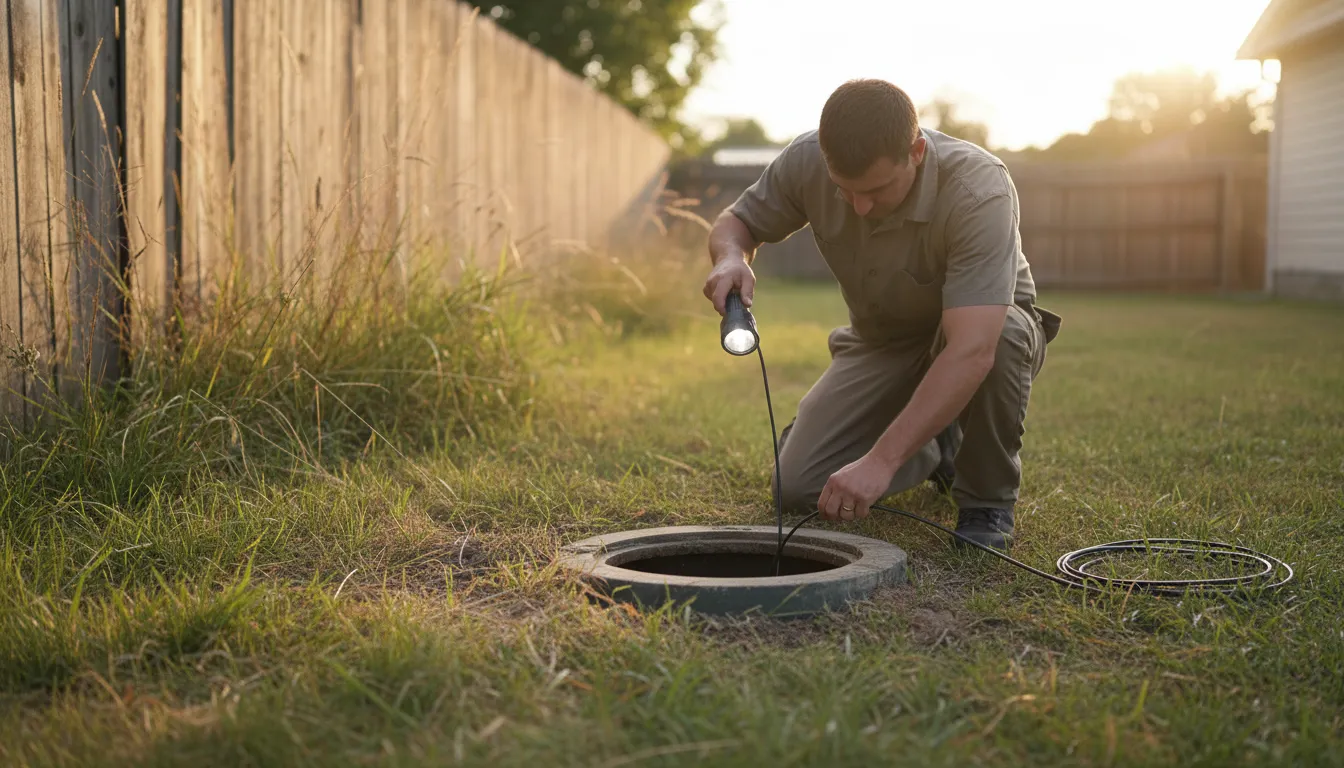
- Locating & Accessing the Tank: The inspector will first locate the septic tank and distribution box. They will then excavate and open the access lids. Many modern inspections are made easier if the homeowner has installed risers, which bring the tank access ports to ground level.
- Sludge and Scum Measurement: This is a core part of the tank assessment. The inspector will measure the depth of the sludge layer at the bottom of the tank and the floating scum layer at the top. If these layers are too thick, they can clog the outlet and cause system failure. A full inspection often requires pumping the tank to accurately assess its interior and measure these levels 2.
- Tank and Component Integrity Check: The inspector examines the tank itself for cracks, signs of deterioration, or water infiltration. They also check critical internal components, including the inlet and outlet baffles or tees. Broken or missing baffles can allow solids to escape into the drainfield, leading to rapid clogging and failure 3.
- Drainfield Assessment: The inspector will evaluate the soil absorption area (drainfield) for signs of failure. This includes looking for surfacing sewage, overly lush or soggy grass, and persistent foul odors. They assess whether the soil is properly absorbing the treated effluent.
- Functional Flow Test: To ensure the system is handling household waste properly, the inspector may run a significant amount of water through the home's plumbing. This test checks for backups, slow drainage, or other issues that indicate a blockage or hydraulic overload 4.
Find the perfect septic tank inspection companies for your needs
Get personalized recommendations and expert advice
The Importance of Inspections for Real Estate Transactions
One of the most common times a septic inspection is ordered is during a real estate transaction. For buyers, a septic system evaluation is a non-negotiable part of due diligence. It provides a clear picture of a major home system's condition, which is not visible during a typical walk-through. A failing septic system can cost tens of thousands of dollars to replace, making the inspection fee a wise investment 5.
For sellers, having a recent, clean inspection report from a reputable provider can make a property more attractive and streamline the sale process. It demonstrates transparency and can prevent last-minute negotiations or deal cancellations due to unexpected septic issues discovered by the buyer's inspector. In Ohio, specific protocols are often followed for real estate inspections to ensure they meet lender and regulatory standards 6.
Costs Associated with Septic Inspections and Related Services
Understanding the potential costs helps homeowners budget for this essential maintenance. It's important to note that inspection and pumping are typically separate services, though they are often performed together.
- Inspection Fees: A comprehensive septic system inspection in the Kettering area typically costs between $300 and $650, depending on the system's size, complexity, and whether it includes a full written report 7. Systems with pumps, aerators, or multiple tanks will generally be on the higher end of this range.
- Pumping Costs: Pumping is usually a separate charge based on the tank's size (in gallons) and the volume of waste removed. It is a common and often necessary add-on during an inspection to properly assess the tank's interior.
- Permits and Fees: PHDMC has a fee schedule for sewage system permits and program administration. Homeowners should be aware of these potential costs, especially when installing a new system or making major repairs 8 9.
- Minor Repairs: An inspection might reveal the need for minor repairs, such as replacing a broken baffle, cleaning or installing an effluent filter, or adding access risers. Addressing these issues promptly during the inspection visit can prevent more significant problems later.
Choosing a Registered Septic Inspection Provider in Kettering
Ohio law is clear: inspections and pumping must be performed by a PHDMC-registered service provider or installer 10. Hiring a registered contractor ensures the individual is knowledgeable about local codes, uses proper procedures, and that their inspection report will be recognized by the health department.
When contacting providers, ask if they are currently registered with Montgomery County, request an outline of what their inspection includes, and ask for an estimate that clearly separates inspection fees from pumping costs. A reputable inspector will be happy to explain the process and provide references.
Common Issues Found During Inspections and Next Steps
A professional inspection might uncover issues that require attention. Common findings include:
- Excessive Sludge/Scum: This is the most common issue, indicating the tank is due for pumping.
- Damaged Baffles: Broken inlet or outlet baffles need replacement to prevent solids from leaving the tank.
- Effluent Filter Issues: Filters at the tank outlet can become clogged and require cleaning.
- Early Drainfield Problems: Signs of saturation or poor drainage in the yard may indicate a developing drainfield issue.
If problems are found, your inspector can advise on the necessary repairs, which may range from simple fixes like adding risers to more involved projects like drainfield restoration 11. Following their recommendations and maintaining a record of all inspections and services is key to the long-term health of your system.
Frequently asked questions
Sources
Footnotes
-
Sewage Treatment Systems - Ohio Department of Health - https://odh.ohio.gov/know-our-programs/sewage-treatment-systems ↩
-
Septic Tank Inspection/Pumping Report - https://content.civicplus.com/api/assets/mi-washtenawcounty/78c089b5-9daa-4d24-ba5e-4125bddf79f9?cache=1800 ↩
-
What's Entailed in Septic Inspections - https://septiccleanings.com/blog/septic-inspections/ ↩
-
Septic Inspection Form - Fill and Sign Printable Template Online - https://www.uslegalforms.com/form-library/91999-septic-inspection-form ↩
-
Real Estate Septic Inspections in Ohio - https://beohio.com/services/septic/real-estate-septic-inspections ↩
-
Septic Inspections for Real Estate in Ohio | SepTek - https://www.septekservices.com/2025/06/19/what-to-expect-during-a-septic-inspection-for-real-estate-transactions-in-ohio/ ↩
-
How to Read Your Septic Tank Inspection Report: A Complete Guide - https://dandhsepticservices.com/septic-tank-inspection-report/ ↩
-
Sewage Treatment Systems - Public Health - Dayton ... - https://www.phdmc.org/programs-a-to-z/household-sewage-treatment-system-program ↩
-
A Complete Guide to Septic System Inspections | GAI Inc - https://www.guardianangelinspections.com/complete-guide-septic-system-inspection ↩
-
Understanding Ohio's Septic System Regulations - https://checkmateohio.com/understanding-ohios-septic-system-regulations/ ↩
-
Information for Contractors - Ohio Department of Health - https://odh.ohio.gov/know-our-programs/sewage-treatment-systems/INFORMATION-FOR-CONTRACTORS ↩