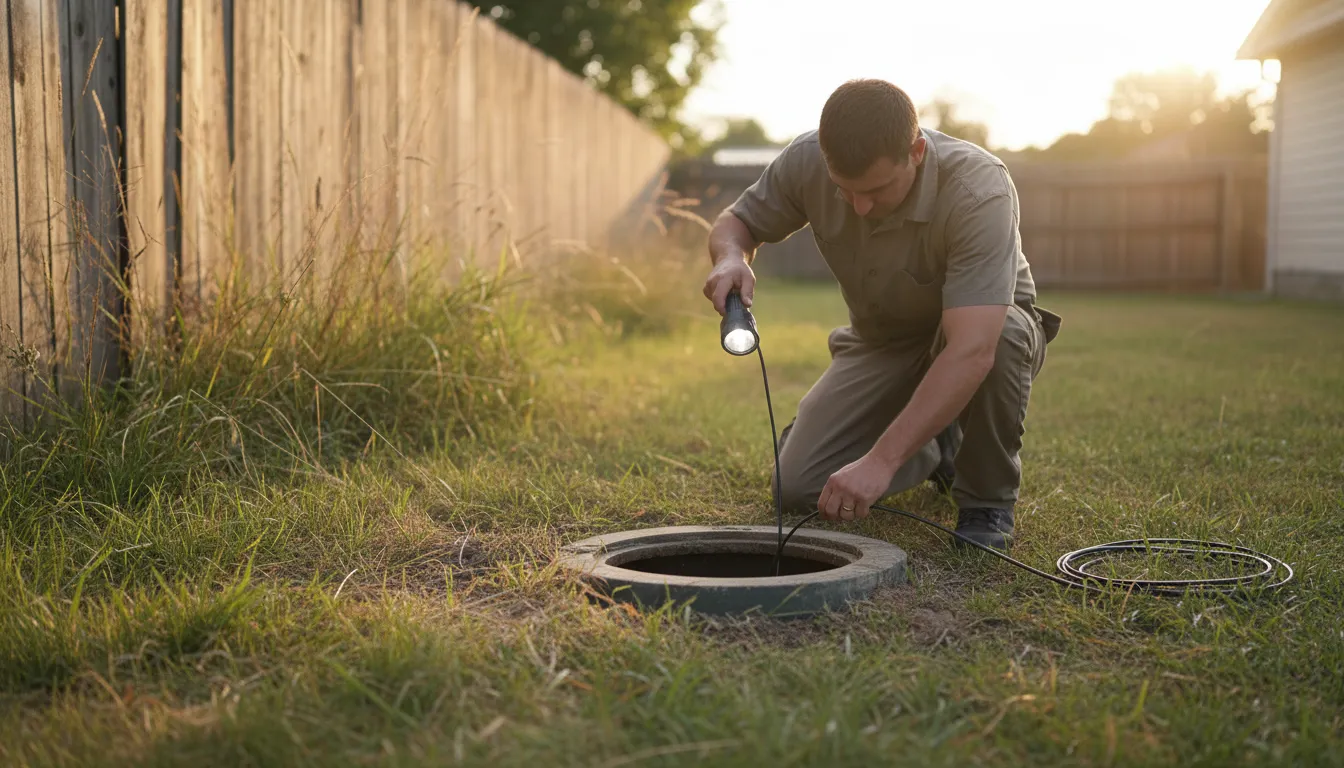
Find the Best Septic Tank Inspection Companies for Your Business
No obligation • Fast responses • Nationwide coverage

Why you can trust Septic Spot
Septic Spot is a leading United States resource for understanding and comparing septic services. Our editors review providers using consistent criteria and verify key business details. Listings and scores are independent, and companies cannot pay to influence our content.
Search providers near you
Top Septic Tank Inspection Companies in Mentor, Ohio Ranked
A septic tank inspection is a professional assessment of your home's on-site wastewater treatment system. This crucial evaluation ensures your system is functioning properly, protecting your property, your family's health, and the local environment. In Mentor, these inspections are often required for permit compliance and are essential during real estate transactions. This guide will help you understand the process, local regulations, and what to look for when hiring a certified professional for your system evaluation.
Certified Home & Property Inspection LLC
Akron, OH
Certified Home & Property Inspection LLC provides comprehensive home and property inspection services in Akron, OH, and the surrounding Northeast Ohio area. Their offerings include septic system inspections, general home inspections, radon testing, water quality testing, and more. The company is staffed by certified inspectors with over a decade of experience and holds multiple professional certifications, including Ohio Licensed Home Inspector and ASHI Certified Inspector. They follow state standards and maintain impartiality by not performing repairs on inspected properties.
Ascension Home Inspections LLC
Akron, OH
Ascension Home Inspections LLC is a septic tank inspection company based in Akron, OH. They specialize in septic and well system inspections, serving multiple counties in Ohio. With over 25 years of experience, Ascension is knowledgeable about local regulations and can identify failing systems while offering solutions. They are also a state-approved private water systems contractor, providing thorough well inspections including water sampling.
A & P Septic LLC
Cleveland, OH
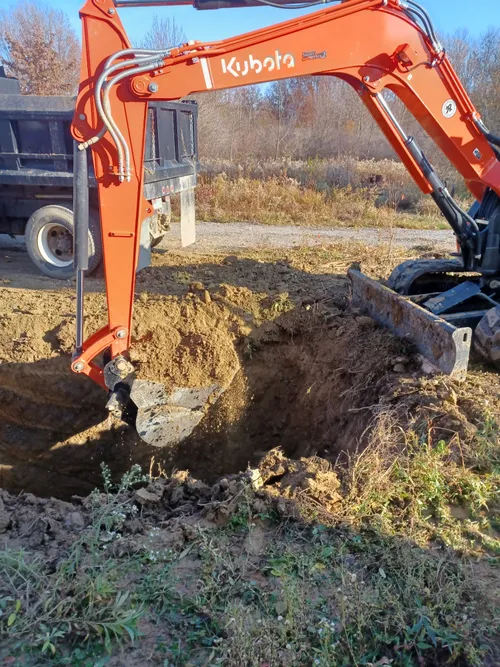
A & P Septic LLC provides septic system installation, cleaning, repair, and inspection services in Cleveland, OH. They serve Northeast Ohio with a focus on preventative maintenance to help avoid costly repairs and maintain system health. Their capabilities include septic tank pumping, sewer line services, and designed mound installations. The company emphasizes regular septic system inspections and pumping every few years to ensure trouble-free performance.
Geauga Septic Service LLC
Cleveland, OH
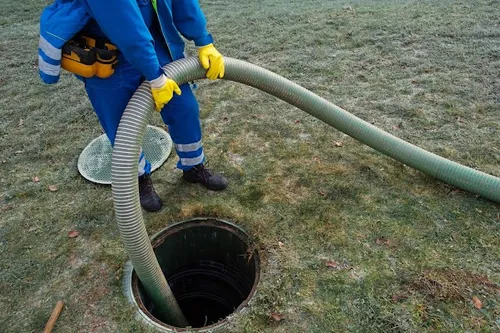
Geauga Septic Service LLC is a family-owned septic service provider based near Cleveland, OH, serving residential and commercial clients in Newbury and the surrounding counties including Cuyahoga, Geauga, Lake, and Portage. Established in 1960, the company offers a range of septic services such as pumping, sludge transport, system cleaning, inspections, repairs, and septic system replacements. They are licensed by the Board of Health in multiple counties and provide emergency septic services when needed.
Wolcott Septic
13781 G.A.R. Hwy., Chardon, OH 44024
Wolcott Septic is a septic service provider located near Cleveland, OH. The company offers septic tank pumping, inspection, and repair services to help maintain and restore septic systems. Their expertise includes handling various types of drain fields such as drip, mound, gravity, and pressure systems, as well as advanced pre-treatment systems. Wolcott Septic focuses on preventing septic failures and maintaining system cleanliness through professional pumping and repair services.
Understanding Septic System Inspections in Lake County
In Mentor, Ohio, all residential septic systems, officially known as Sewage Treatment Systems (STS), are regulated by the Lake County General Health District (LCGHD) 1. The district mandates that system owners obtain and maintain an operating permit, which is contingent upon regular, documented inspections. This regulatory framework is designed to prevent system failures that can lead to costly repairs, property damage, and public health hazards. A professional septic inspection is the primary tool for verifying a system's health and ensuring it meets these local standards.
The core purpose of a system evaluation is to assess the integrity and functionality of all components, from the tank itself to the soil absorption field. Regular check-ups can identify minor issues before they escalate into major failures, saving homeowners significant money and stress.
Local Regulations and Inspection Requirements
Compliance with Lake County's rules is a key reason for scheduling a septic system inspection. Here's what Mentor homeowners need to know:
- Operating Permit: All STS owners must hold a valid operating permit from the LCGHD.
- Permit Fees: Fees vary based on system type. A standard soil absorption system may require a permit fee, while more advanced pretreatment or NPDES (discharging) systems have different fee structures, such as an annual $120 inspection and sampling fee for discharging systems 2 3.
- Inspection Frequency: While the health district oversees compliance, it is the homeowner's responsibility to ensure their system is inspected regularly. The general guideline for maintenance is an inspection every 1 to 3 years, often coordinated with pumping every 3 to 5 years. The specific frequency can depend on your system's age, design, and household usage.
Failing to maintain your permit through proper inspections can result in violations and mandatory corrective actions from the health district.
What Does a Professional Inspection Involve?
A certified septic service provider follows a systematic process to thoroughly evaluate your system. Understanding these steps can help you know what to expect during your assessment.
1. Locating and Accessing the System The inspector will first locate the septic tank and distribution box, using property records or probing tools if necessary. They will then excavate and open the inspection ports and manhole covers to gain access to the tank's interior 4.
2. Evaluating Tank Conditions and Sludge Levels This is a critical quantitative measure. The inspector will measure the depth of the sludge layer at the bottom of the tank and the scum layer floating at the top. A common rule is that if the sludge occupies more than one-third of the tank's liquid volume, pumping is immediately required to prevent solids from flowing into and clogging the drain field 5 6.
3. Inspecting System Components The inspector checks all mechanical and structural parts:
- Baffles or Tees: These inlet and outlet devices prevent solids from exiting the tank. They are checked for damage or blockage.
- Effluent Filter: If present, this filter is cleaned or its condition noted; regular cleaning is vital for system longevity.
- Pumps and Alarms: For systems with pumps (like mound systems or aerobic treatment units), the pump, float switches, and alarm systems are tested for proper operation.
- Tank Integrity: The tank walls, lid, and baffles are inspected for cracks, leaks, or signs of deterioration.
4. Assessing the Drain Field (Soil Absorption Area) The inspector will examine the area over and around the leach field for telltale signs of failure. Indicators include:
- Surfacing sewage or effluent (ponding)
- Unusually lush, green grass over the field area
- Soggy ground or foul odors
- Backups into the home's plumbing
5. Reporting and Compliance Documentation After the evaluation, the provider will complete a detailed inspection report. For permit compliance in Lake County, this report must often be submitted to the LCGHD to verify that the system is being properly maintained.
Find the perfect septic tank inspection companies for your needs
Get personalized recommendations and expert advice
Types of Inspections and Associated Costs
The scope and cost of a septic inspection in Mentor can vary depending on its purpose.
- Routine Maintenance Inspection: This is the standard annual or biennial check-up to ensure system health and maintain permit compliance. It typically includes the steps listed above. Costs generally range from $100 to $200.
- Septic System Pumping: While not an inspection itself, pumping is a vital maintenance task often performed in conjunction with an inspection. The cost for pumping in Mentor is typically between $100 and $200, depending on tank size.
- Real Estate (Transfer) Inspection: This is a more comprehensive evaluation required during the sale of a property. It is often more detailed, may include a flow test, and must satisfy both the buyer and the local health department. Due to its thoroughness and liability for the inspector, costs range from $200 to over $900, with an average around $550 7 8.
How to Prepare for a Septic Inspection
A little preparation can ensure the inspection goes smoothly and yields accurate results.
- Locate Your System: If you know where your tank and drain field are, note their locations. Have any existing system diagrams or permit records available.
- Ensure Access: Clear any debris, landscaping, or snow from the tank lid and manhole covers. Make sure the inspector can easily reach the area.
- Conserve Water: Avoid running excessive water (like long showers, laundry, or dishwashing) immediately before the inspection to allow for a normal evaluation of the water level in the tank.
- Be Available: Plan to be home to provide access and answer any questions about the system's history or performance.
Maintaining Your System Between Inspections
Professional inspections are essential, but day-to-day care extends your system's life.
- Mind What You Flush: Only human waste and toilet paper should go down the drain. Avoid flushing wipes (even "flushable" ones), feminine hygiene products, grease, coffee grounds, and chemicals.
- Conserve Water: Spread out laundry loads and fix leaky faucets to avoid hydraulically overloading the drain field.
- Protect the Drain Field: Never park vehicles or build structures over the leach field. Divect downspouts and surface runoff away from the area.
- Pump Regularly: Adhere to the 3-5 year pumping guideline, or more frequently if inspections indicate a need 9.
Choosing a Certified Inspection Provider in Mentor
Selecting the right professional is crucial. Look for:
- State and Local Certification: Ensure the provider is licensed by the Ohio Department of Health and familiar with Lake County General Health District regulations 10.
- Experience and Reputation: Seek out established companies with positive reviews and a strong local reputation.
- Detailed Reporting: Choose a provider who offers a comprehensive, written report suitable for submission to the health department.
- Range of Services: Many companies offer inspection, pumping, repair, and installation, which can be convenient for ongoing maintenance.
Frequently asked questions
Sources
Footnotes
-
Sewage Treatment Systems | Lake County General Health - https://www.lcghd.org/sewage-treatment/ ↩
-
Frequent Questions on Septic Systems | US EPA - https://www.epa.gov/septic/frequent-questions-septic-systems ↩
-
Sewage Treatment System Rules-Regulation 415 - https://ccphohio.org/wp-content/uploads/sites/21/2017/02/reg415effective2012.pdf ↩
-
Preparing for Septic Tank Inspection: 7 Key Steps | Septic System Professionals - https://septic911.com/preparing-for-septic-tank-inspection/ ↩
-
How to Get Septic to Pass Inspection - https://www.guardianangelinspections.com/how-to-get-septic-to-pass-inspection ↩
-
Manual for On-Site Sewage Management Systems - https://dph.georgia.gov/document/document/envhealthonsitemanual2024-02-22sectionlpdf/download ↩
-
STS Components, Systems and Maintenance - https://odh.ohio.gov/know-our-programs/sewage-treatment-systems/information-for-homeowners/sts-components-systems-and-maintenance ↩
-
How Much Does a Septic Inspection Cost? [2026 Data] - Angie's List - https://www.angi.com/articles/septic-inspection-cost.htm ↩
-
Sewage Treatment Systems - Ohio Department of Health - https://odh.ohio.gov/know-our-programs/sewage-treatment-systems ↩
-
Information for Contractors - Ohio Department of Health - https://odh.ohio.gov/know-our-programs/sewage-treatment-systems/INFORMATION-FOR-CONTRACTORS ↩