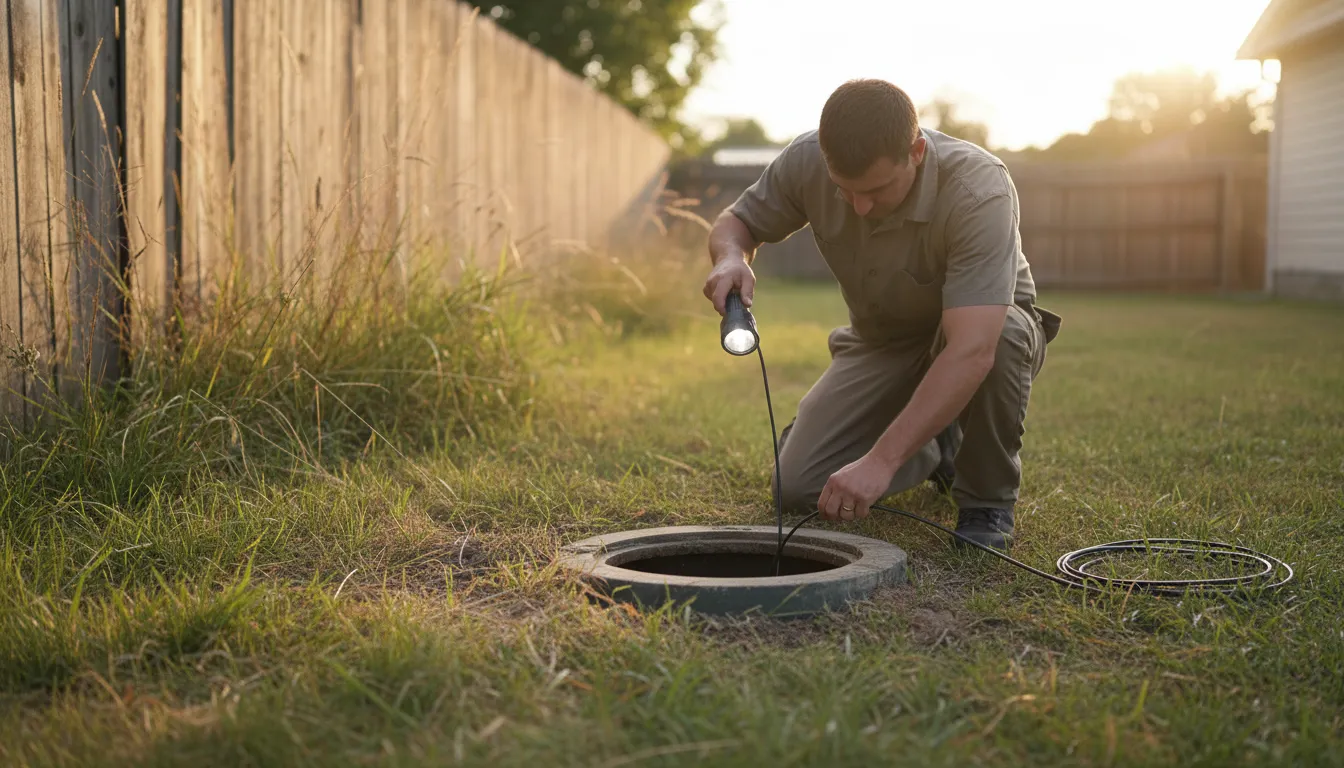
Find the Best Septic Tank Inspection Companies for Your Business
No obligation • Fast responses • Nationwide coverage

Why you can trust Septic Spot
Septic Spot is a leading United States resource for understanding and comparing septic services. Our editors review providers using consistent criteria and verify key business details. Listings and scores are independent, and companies cannot pay to influence our content.
Search providers near you
Top Septic Tank Inspection Companies in Middletown, Ohio Ranked
A septic tank inspection is a professional assessment of your onsite wastewater treatment system to ensure it is functioning properly and safely. In Ohio, these evaluations are not just a good idea-they are often a legal requirement governed by state and local health codes. Regular inspections protect your property investment, prevent environmental contamination, and help you avoid costly emergency repairs. This guide provides the essential information Ohio homeowners need to understand inspection rules, find qualified local professionals, and maintain a healthy septic system.
Master Home Inspection Services
1033 Old State Rte 74, Batavia, OH 45103
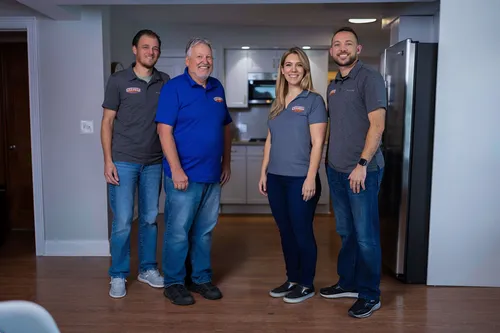
Master Home Inspection Services is a home and septic tank inspection company serving Cincinnati, OH, and Northern Kentucky. Established in 2018 by Brian Gibbs, who has over 12 years of experience and more than 5,000 inspections performed, the company offers a range of inspection services including home, radon, termite, mold, pool, septic, and sewer scope inspections. Their septic tank inspections focus on evaluating the function and condition of septic systems to help clients plan maintenance and ensure safe operation. Master Home Inspection Services is fully licensed and insured in Ohio and Kentucky.
Apex Pros Plumbing, Electrical, Heating and Air
5450 Far Hills Ave Suite 209, Dayton, OH 45429
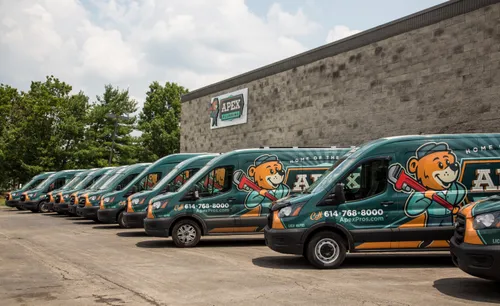
Apex Pros Plumbing, Electrical, Heating and Air provides a range of home services in Dayton, OH, including septic tank pumping, inspection, and septic system repair. The company also offers heating, cooling, plumbing, and electrical services, with experienced technicians using quality parts and tools. Apex Pros is known for handling various plumbing challenges such as clogged drains and sewer repairs, and they provide advanced drain cleaning techniques. Their team includes NATE-certified technicians skilled in HVAC and plumbing systems. They serve the Dayton area and emphasize thorough, reliable work.

Best Choice Home Inspections
3831 Middleton Ave, Cincinnati, OH 45220
Best Choice Home Inspections provides septic tank inspections along with comprehensive home inspection services in Cincinnati, OH. The company serves residential properties including single-family and multi-family homes, offering additional services such as termite inspections, radon testing, and waste line camera inspections. They use advanced tools like FLIR infrared cameras and drones to access hard-to-reach areas during inspections. Clients can also request coordination for structural engineer inspections, mold testing, and property surveys. The inspector encourages clients to be present during inspections to discuss any concerns directly.
A to Z Septic and Pumping
Dayton, OH
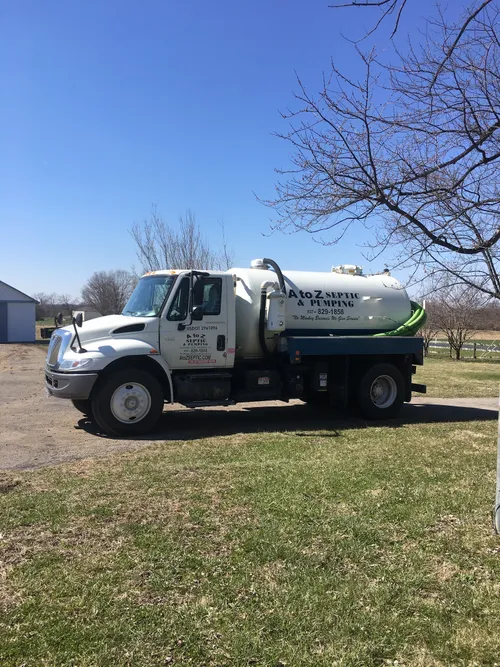
A to Z Septic and Pumping provides a range of septic services in Dayton, OH, including septic tank pumping, inspection, installation, and repair. They also handle drain field repair and grease trap cleaning for both residential and commercial customers. The company offers expertise in maintaining and installing septic systems, ensuring effective wastewater disposal and environmental protection. Their services include emergency septic tank repairs and dumpster rentals for additional waste disposal needs. A to Z Septic and Pumping serves the Dayton area with experienced plumbing professionals who assist customers in managing wastewater safely and efficiently.
Municipal & Contractor Sealing Products, Inc.
7740 Reinhold Dr, Cincinnati, OH 45237
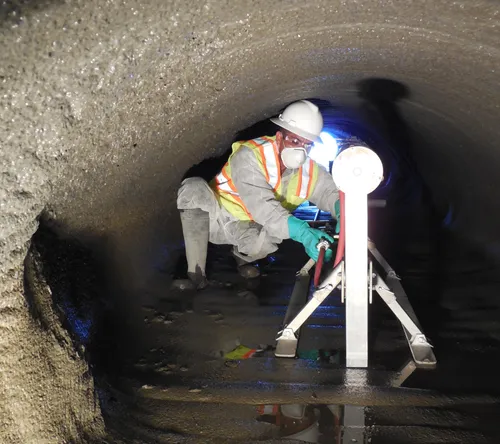
Municipal & Contractor Sealing Products, Inc. is based in Cincinnati, OH, and specializes in trenchless solutions for the repair, rehabilitation, and restoration of pipelines and water collection systems. They serve municipal, commercial, industrial, private, and residential sectors, focusing on structural repair and corrosive protection to extend infrastructure service life. Their services include septic tank repair, pipe rehabilitation, manhole lining, and culvert restoration using advanced coating technology and pipeline inspection methods. The company emphasizes environmentally friendly, no-dig techniques that minimize disruption and system downtime.
Understanding Ohio's Septic System Regulations
Septic systems in Ohio, officially called Household Sewage Treatment Systems (HSTS), are regulated under Ohio Administrative Code 3701-29. The Ohio Department of Health (ODH) sets the statewide standards, but local county health districts are responsible for the day-to-day enforcement, permitting, and inspection oversight. This means the specific rules you must follow can vary depending on whether you live in Hamilton, Wyandot, Clermont, or any other county.
Every system in the state is required to have an Operation Permit issued by the local health department 1. Furthermore, any professional who installs, services, or pumps out septic systems must be registered and permitted with the local board of health. This structure ensures that providers are knowledgeable about local conditions and regulations.
When Are Inspections Required in Ohio?
Inspections are mandated at specific intervals and during key property events. The most common triggers are:
- Routine Maintenance Schedules: The frequency is primarily determined by your system's design (see next section).
- Property Sale or Transfer: An inspection is almost always required when a home with a septic system is sold. This protects the buyer and is a standard part of real estate due diligence.
- System Malfunction or Complaint: If a system is suspected of failing or causing a nuisance, the local health department can order an inspection.
- Permit Renewal: When renewing your system's Operation Permit, proof of recent inspection and maintenance is typically required.
Inspection Frequency Based on System Type
Ohio law ties the mandatory inspection schedule directly to the technology of your septic system. The two main categories are:
1. Mechanical or Aeration Treatment Systems (ATUs): These systems use electrical pumps, aerators, or mechanical components to treat wastewater. They require the most frequent oversight.
- Inspection Frequency: Annual inspections are mandatory, usually required every 12 to 19 months depending on your county's specific rules 2.
2. Non-Mechanical Systems: This category includes conventional gravity-fed systems and mound systems that rely on soil absorption without mechanical parts.
- Inspection Frequency: Inspections are generally required every 3 to 5 years (up to 58 months). Your local health district will specify the exact interval.
3. NPDES Permitted Systems: Systems that discharge treated effluent directly to surface water (like a stream) operate under a special permit from the Ohio EPA.
- Inspection & Sampling Frequency: These systems require rigorous annual inspections and water quality sampling under a formal maintenance contract 3.
Find the perfect septic tank inspection companies for your needs
Get personalized recommendations and expert advice
What Does a Professional Inspection Cover?
A comprehensive septic system evaluation goes beyond just looking at the tank. A qualified inspector will typically:
- Locate & Access System Components: Identify and uncover the tank lid and distribution box.
- Assess Tank Integrity & Scum/Sludge Levels: Measure the scum and sludge layers to determine if pumping is needed. The general recommendation is to pump the tank every 2 to 5 years to prevent solids from clogging the drain field 4.
- Inspect Inlet/Outlet Baffles: Check that baffles or tees are intact to prevent clogging.
- Evaluate the Drain Field (Leach Field): Look for signs of surface failure like soggy soil, odors, or surfacing sewage.
- Test Mechanical Components: For ATU systems, inspect pumps, aerators, alarms, and electrical controls 5.
- Review System History & Permits: Check for proper installation records and current operation permits.
- Provide a Detailed Report: The inspector will document the system's condition, any issues found, and necessary repairs or maintenance. Service providers must often submit these maintenance records to the local health department to prove compliance 6.
Understanding Inspection Costs in Ohio
The price of a septic inspection in Ohio varies based on the system's complexity, size, and the inspection's purpose.
- Basic Inspection with Pump-Out: A routine service visit that includes inspecting the tank and pumping it out typically ranges from $100 to $300 7.
- Standard Detailed Inspection: A thorough inspection without pumping, often for routine compliance, averages around $550, with a common range of $200 to $900.
- Real Estate or Comprehensive Inspection: The most detailed evaluations, required for property transfers or complex systems (like mounds or ATUs), can cost up to $1,300 or more 8.
Always get detailed quotes from registered local providers, as prices can vary by region and system type.
Finding a Qualified Inspector in Ohio
The most critical step is ensuring your provider is properly permitted. Always:
- Verify Local Registration: Confirm the installer or service provider is registered with your county's board of health 9.
- Ask for Credentials: Request proof of insurance and check for certifications from industry organizations.
- Get a Detailed Scope & Quote: Understand exactly what the inspection includes and what it will cost before work begins.
- Consult Your Health Department: Your local health district is an excellent resource for understanding your specific requirements and can often provide lists of permitted service providers in your area.
Maintaining Your System Between Inspections
Professional inspections are crucial, but daily care extends your system's life. Follow these best practices:
- Conserve Water: Fix leaks and spread out laundry loads to avoid overwhelming the drain field.
- Mind What You Flush: Only flush human waste and toilet paper. Never flush wipes (even "flushable" ones), feminine hygiene products, grease, or chemicals.
- Protect the Drain Field: Never park vehicles or build structures over it. Keep roof drains and sump pumps directed away from the area.
- Keep Detailed Records: Maintain a file of all inspection reports, pumping receipts, and repair invoices. This is essential for compliance and property resale.
Frequently asked questions
Sources
Footnotes
-
Sewage Treatment Systems - Ohio Department of Health - https://odh.ohio.gov/know-our-programs/sewage-treatment-systems ↩
-
Septic Systems | Clermont County Public Health - https://ccphohio.org/septic-system-operation-permits/ ↩
-
Household Sewage Treatment Systems (HSTS)- NPDES - Ohio EPA - https://epa.ohio.gov/divisions-and-offices/surface-water/permitting/discharging-household-sewage-treatment-systems-general-permits ↩
-
How Often Should You Pump Your Septic Tank: 3 Factors Solved - https://www.frasiers.com/blog/sewage-tank-pump-frequency/ ↩
-
Sewage Treatment Systems - Hamilton County Public Health - https://hamiltoncountyhealth.org/services/water-quality/new-sewage-treatment-systems/ ↩
-
Understanding Ohio's Septic System Regulations - https://checkmateohio.com/understanding-ohios-septic-system-regulations/ ↩
-
STS Components, Systems and Maintenance - https://odh.ohio.gov/know-our-programs/sewage-treatment-systems/information-for-homeowners/sts-components-systems-and-maintenance ↩
-
How Much Does a Septic Inspection Cost? [2026 Data] - Angie's List - https://www.angi.com/articles/septic-inspection-cost.htm ↩
-
Operation and Maintenance Program Requirements - https://www.wyandothealth.com/docs/O&M-Pamphlet.pdf ↩