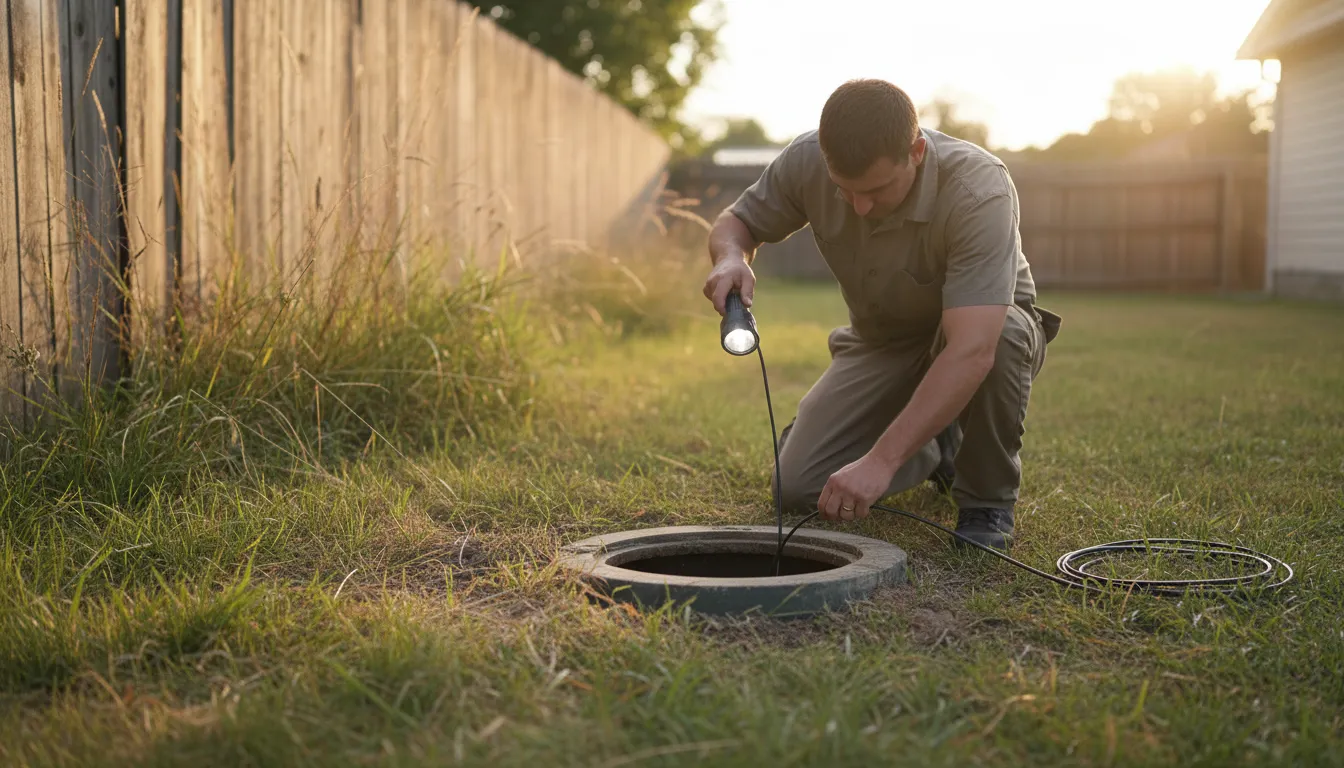
Find the Best Septic Tank Inspection Companies for Your Business
No obligation • Fast responses • Nationwide coverage

Why you can trust Septic Spot
Septic Spot is a leading United States resource for understanding and comparing septic services. Our editors review providers using consistent criteria and verify key business details. Listings and scores are independent, and companies cannot pay to influence our content.
Search providers near you
Top Septic Tank Inspection Companies in Strongsville, Ohio Ranked
A septic tank inspection is a professional evaluation of your onsite wastewater treatment system to ensure it is functioning safely and legally. In Strongsville, these evaluations are crucial for protecting your property value, preventing costly environmental damage, and complying with local health regulations. This guide helps you understand the inspection process, local requirements, and how to find qualified professionals to assess your system.
Double Flush Septic Services
2481 Remsen Rd, Medina, OH 44256
Double Flush Septic Services is a family-owned company based in Medina, OH, providing septic system installation, pumping, inspection, and repair services throughout Akron and the surrounding Northeast Ohio counties. They serve a broad area including Medina, Summit, Stark, Wayne, and Cuyahoga counties, offering expertise in maintaining and repairing septic tanks, drain fields, and aeration systems such as Norweco, Hydro-Action, and Marlow-Hunter. The company also provides emergency septic services and commercial grease trap cleaning, with capabilities like hydro jetting and drain snaking to address severe blockages. Double Flush Septic Services emphasizes local knowledge of Ohio's climate and soil conditions to support system longevity and functionality.
Rooter Man
195 Potomac Ave Unit B, Tallmadge, OH 44278
Rooter Man is a family-owned plumbing company serving Akron, OH, and surrounding areas including Summit, Stark, and Portage counties. They offer a wide range of services including septic tank pumping, inspection, repair, and installation, along with drain cleaning, sewer line repair, and water heater services. With over 50 years of experience, Rooter Man uses advanced tools such as hydro jetting and video pipe inspections to address plumbing and septic system issues efficiently. The company provides emergency service seven days a week to handle urgent plumbing needs.
Certified Home & Property Inspection LLC
Akron, OH
Certified Home & Property Inspection LLC provides comprehensive home and property inspection services in Akron, OH, and the surrounding Northeast Ohio area. Their offerings include septic system inspections, general home inspections, radon testing, water quality testing, and more. The company is staffed by certified inspectors with over a decade of experience and holds multiple professional certifications, including Ohio Licensed Home Inspector and ASHI Certified Inspector. They follow state standards and maintain impartiality by not performing repairs on inspected properties.
Ascension Home Inspections LLC
Akron, OH
Ascension Home Inspections LLC is a septic tank inspection company based in Akron, OH. They specialize in septic and well system inspections, serving multiple counties in Ohio. With over 25 years of experience, Ascension is knowledgeable about local regulations and can identify failing systems while offering solutions. They are also a state-approved private water systems contractor, providing thorough well inspections including water sampling.
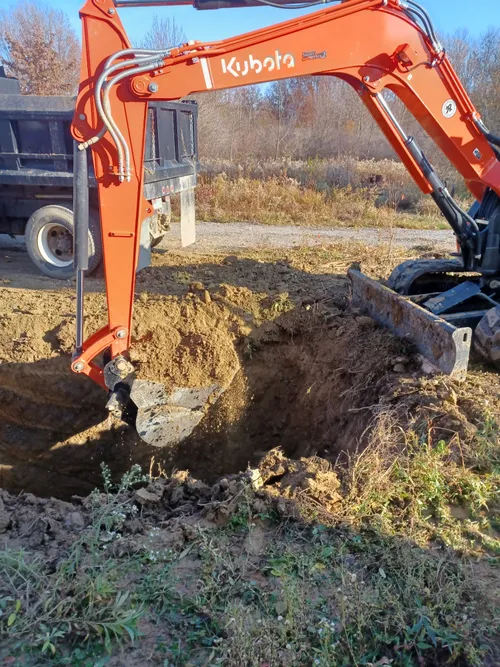
A & P Septic LLC
Cleveland, OH
A & P Septic LLC provides septic system installation, cleaning, repair, and inspection services in Cleveland, OH. They serve Northeast Ohio with a focus on preventative maintenance to help avoid costly repairs and maintain system health. Their capabilities include septic tank pumping, sewer line services, and designed mound installations. The company emphasizes regular septic system inspections and pumping every few years to ensure trouble-free performance.
Understanding Septic System Regulations in Cuyahoga County
Septic systems, also known as onsite wastewater treatment systems (OWTS) or sewage treatment systems (STS), are regulated in Strongsville by the Cuyahoga County Board of Health. The county enforces state-level rules to protect groundwater and public health. A key regulation is the mandatory Operation & Maintenance (O&M) Program. Every septic system in the county is required to be on an approved O&M plan, which schedules regular professional evaluations 1.
The standard inspection frequency under an O&M plan is every three years for conventional gravity-fed systems. However, systems that include mechanical components like pumps, aerators, or advanced treatment units require more frequent checks, typically annually. Adhering to this schedule is not just a legal formality; it's the best way to catch minor issues before they become major failures that can contaminate soil and waterways.
When Is a Septic Inspection Required?
Beyond routine maintenance, several common scenarios trigger the need for a system assessment:
- Property Transfer: While the Cuyahoga County Board of Health may not always mandate an inspection for a sale, it is an extremely common requirement. Most mortgage lenders and cautious homebuyers will insist on a professional septic system evaluation before finalizing a real estate transaction. A clean inspection report provides peace of mind and can prevent deal-breaking surprises.
- Suspected System Problems: Warning signs like slow drains, sewage backups into the home, foul odors indoors or near the drainfield, or unusually lush, soggy grass over the leaching area are clear indicators that an inspection is urgently needed.
- Home Renovation or Addition: If you plan to increase your home's water usage by adding bedrooms or bathrooms, you must have your existing system evaluated to ensure it has the capacity to handle the increased load. The health department will likely require this assessment as part of the permitting process.
- Routine Maintenance: As dictated by your O&M plan, regular inspections are the cornerstone of responsible system ownership, helping you plan and budget for maintenance like pumping.
The Professional Inspection Process: A Step-by-Step Look
A comprehensive septic tank inspection is a detailed procedure that goes far beyond just looking at the tank. Here's what you can expect a qualified inspector to do 2 3:
- Locating and Exposing the System: The inspector will first locate the tank and drainfield using property records, probes, or electronic locating equipment. They will then dig to expose the tank's access lids (having installed risers makes this step much easier and cheaper).
- Tank Integrity Check: The inspector examines the tank-often made of concrete, fiberglass, or polyethylene-for any cracks, leaks, or structural damage. They also check the condition of the inlet and outlet baffles, which are critical for controlling the flow of wastewater and preventing scum and sludge from escaping into the drainfield.
- Sludge and Scum Measurement: This is a core part of the inspection. Using specialized tools, the inspector measures the depth of the sludge layer at the bottom of the tank and the floating scum layer at the top. A general rule is that the combined sludge and scum should not fill more than one-third of the tank's liquid volume. Accurate measurement determines if immediate pumping is necessary4 5.
- Drainfield Evaluation: The inspector surveys the drainfield (or leach field) area for signs of failure. Red flags include surfacing sewage, overly saturated soil, standing water, or odors. They may also use a percolation test or visual assessment to judge the soil's absorption capacity.
- Flow Test: To check the system's functionality under load, the inspector may run a significant amount of water from the home (e.g., multiple faucets and toilets) to ensure wastewater flows properly through the house plumbing, into the tank, and out to the drainfield without backups or surfacing.
- Reporting: Finally, the inspector provides a detailed written report of their findings. This report will note the system's condition, any violations of code, and recommended actions. For O&M inspections, this report is typically submitted to the homeowner and the Cuyahoga County Board of Health 6.
Find the perfect septic tank inspection companies for your needs
Get personalized recommendations and expert advice
Who Can Perform a Legally Valid Inspection?
Not every plumber or handyman is qualified. In Ohio, only registered septic service providers who are certified with the state and the local health department are authorized to perform official inspections and pumping7 8 9. Hiring a registered professional ensures the inspection meets county standards and that any submitted paperwork will be accepted. You can verify a contractor's registration status or request a list of providers by contacting the Cuyahoga County Board of Health directly10.
Understanding Costs: Inspection and Pumping Fees
The cost of a septic inspection in Strongsville can vary based on the scope of work. A standard inspection typically ranges from $200 to $500+11 12. The price can increase if the inspector has to spend considerable time locating the tank or digging up buried access lids-this is why installing permanent risers is a cost-saving upgrade.
Septic pumping is a separate but often related service. Pumping costs generally run between $300 to $600+, depending primarily on the tank size (commonly 1,000 to 1,500 gallons in residential settings)13 14. Many homeowners find it efficient and cost-effective to schedule an inspection and pumping as a combined service. This can save on separate trip fees and ensures the tank is optimally empty for a thorough internal inspection14.
Preparing Your System for a Successful Inspection
A little preparation can help your inspection go smoothly and yield a positive result:
- Know Your System's Location: Have a sketch or notes on where the tank and drainfield are located. This saves the inspector time.
- Ensure Access: Clear any debris, vehicles, or landscaping from above the tank lid and drainfield area.
- Provide Documentation: Have any past inspection reports, pumping records, or system design plans available for the inspector.
- Conserve Water Beforehand: Avoid running the dishwasher, washing machine, or taking long showers immediately before the inspection to allow the water level in the tank to normalize.
- Be Present: If possible, be home during the inspection to ask questions and learn about your system firsthand from the expert.
Regular professional evaluations are the most effective tool for extending the life of your septic system, protecting your property investment, and safeguarding the local environment in Strongsville.
Frequently asked questions
Sources
Footnotes
-
Untitled - https://www.strongsville.org/CityOfStrongsville/media/StrongsvilleMedia/Documents/City%20Council/2025-015_3.pdf?ext=.pdf ↩
-
What's Entailed in Septic Inspections - https://septiccleanings.com/blog/septic-inspections/ ↩
-
Septic Inspection Process: What Homeowners Should Know | LunsPro - https://www.lunspro.com/vlog/the-septic-system-inspection-process-what-homeowners-should-know ↩
-
Real Estate Septic Inspections in Ohio - https://beohio.com/services/septic/real-estate-septic-inspections ↩
-
What to Expect from a Septic Inspection - Wind River Environmental - https://www.wrenvironmental.com/blog/2023/may/what-to-expect-from-a-septic-inspection/ ↩
-
How to Get Septic to Pass Inspection - https://www.guardianangelinspections.com/how-to-get-septic-to-pass-inspection ↩
-
Understanding Ohio's Septic System Regulations - https://checkmateohio.com/understanding-ohios-septic-system-regulations/ ↩
-
Information for Contractors - Ohio Department of Health - https://odh.ohio.gov/know-our-programs/sewage-treatment-systems/INFORMATION-FOR-CONTRACTORS ↩
-
Septic System Inspections | Washington County, OH - https://www.washingtongov.org/710/Septic-System-Inspections ↩
-
Information for Homeowners - https://odh.ohio.gov/know-our-programs/sewage-treatment-systems/INFORMATION-FOR-HOMEOWNERS ↩
-
Frequent Questions on Septic Systems | US EPA - https://www.epa.gov/septic/frequent-questions-septic-systems ↩
-
What is a Septic Inspection - And Should You Get One? - https://orchard.com/blog/posts/what-is-a-septic-inspection ↩
-
What Is the Role of Septic Tank Inspection in Real Estate - https://www.houzeo.com/blog/septic-tank-inspection/ ↩
-
Septic Inspections: What to Know About a Septic System Inspection - https://www.maxrealestateexposure.com/septic-inspections/ ↩ ↩2