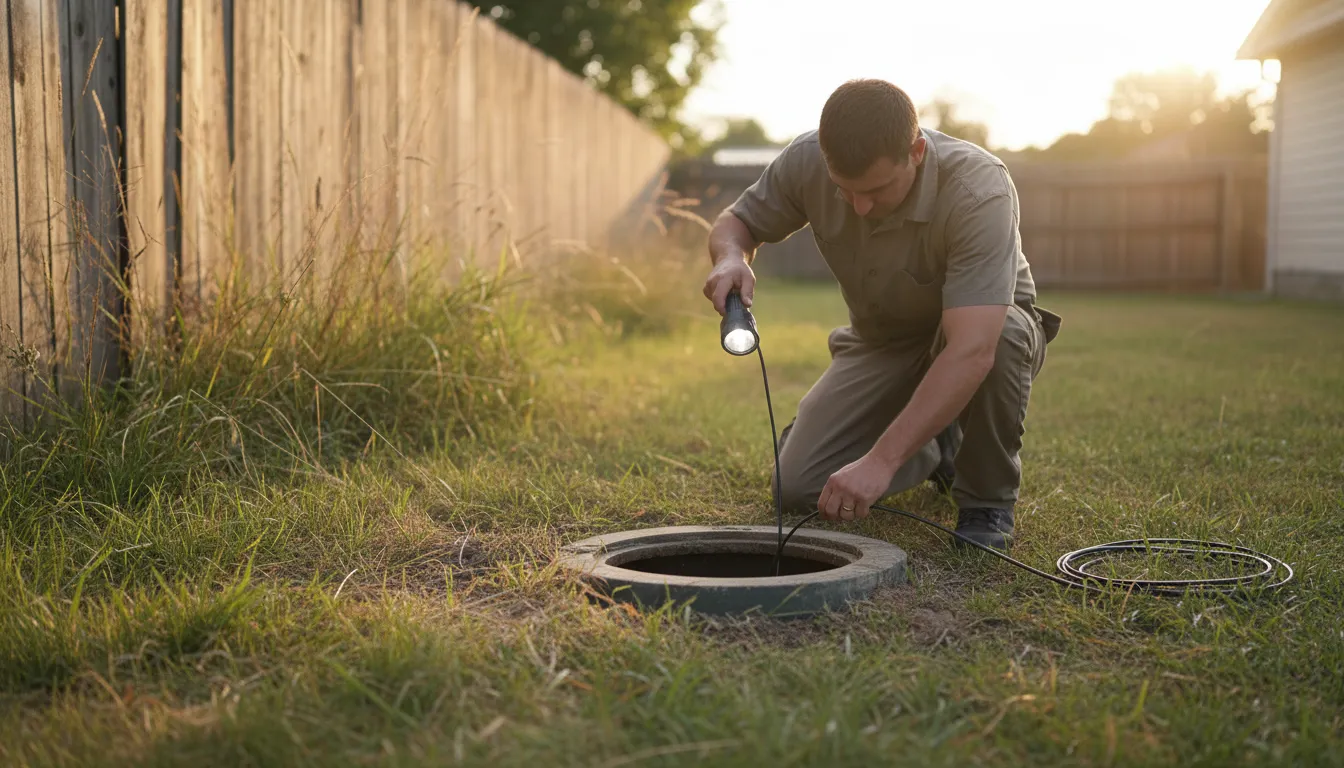
Find the Best Septic Tank Inspection Companies for Your Business
No obligation • Fast responses • Nationwide coverage

Why you can trust Septic Spot
Septic Spot is a leading United States resource for understanding and comparing septic services. Our editors review providers using consistent criteria and verify key business details. Listings and scores are independent, and companies cannot pay to influence our content.
Search providers near you
Top Septic Tank Inspection Companies in Collierville, Tennessee Ranked
A septic system inspection is a vital health and safety evaluation for any home not connected to a municipal sewer line. This professional assessment ensures your wastewater treatment system is functioning correctly, protecting your property value and the local environment. For Collierville homeowners, understanding the local requirements and process for a septic system evaluation is key to responsible homeownership. This guide will help you understand what's involved, why it's necessary, and how to find qualified local professionals to perform this essential service.
ABC Plumbing & Septic Service
741 Lee Creek Rd, Byhalia, MS 38611
ABC Plumbing & Septic Service is a septic tank pumping, inspection, repair, and installation company serving Memphis, TN. With over 70 years of experience, they provide residential, commercial, and industrial septic services including hydrojetting, video inspection, and drain field repair. The company offers 24/7 emergency service and uses advanced equipment to ensure effective septic system maintenance and repairs.
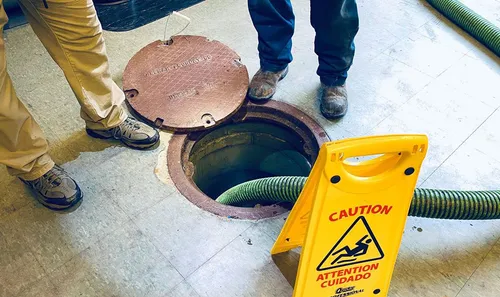
Mid South Septic, A Wind River Company
11284 Gulf Stream Rd, Arlington, TN 38002
Mid South Septic, A Wind River Company, provides septic tank pumping, inspection, and repair services in Memphis, TN. They serve residential, commercial, municipal, and industrial clients throughout the Mid-South region. The company offers comprehensive septic system care, including routine maintenance, in-depth inspections, and timely repairs to help extend system life and prevent costly issues. Established in the early 1999s, Mid South Septic combines local expertise with the resources of a national network. They also provide 24/7 service availability for urgent septic needs.
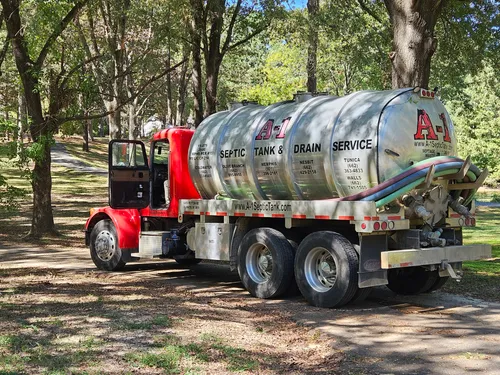
A-1 Septic Tank & Drain Service
6809 Peyton Rd, Coldwater, MS 38618
A-1 Septic Tank & Drain Service is a family-owned company serving Memphis, TN, and the surrounding Mid-South area. They provide septic tank cleaning, inspections, repairs, and maintenance for residential and commercial customers. The company uses certified professionals and modern techniques to diagnose and fix septic system issues, including pump repair and replacement. Established in 1983, A-1 Septic Tank & Drain Service offers 24-hour emergency services for commercial clients to address urgent septic problems promptly.
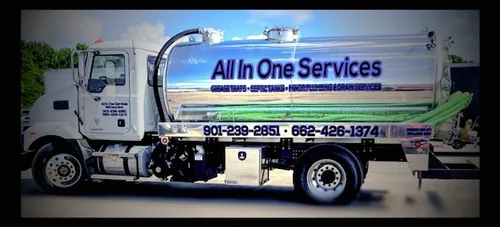
All In One Services
1651 Dancy Blvd #4b, Horn Lake, MS 38637
All In One Services is a family-owned business serving Memphis, TN, with over 20 years of experience in septic system care. They provide a range of services including septic tank pumping, inspections, repairs, and drain field replacement. The company uses hydro-jetting equipment to clear clogged sewer lines and offers expert advice based on thorough inspections to help maintain and extend the life of septic systems.

Midsouth Septic Service
75 Culver Way, Somerville, TN 38068
Midsouth Septic Service provides septic tank pumping, inspection, and repair services in Memphis, TN. Serving residential, commercial, municipal, and industrial clients, they offer comprehensive septic and wastewater management solutions. Their capabilities include routine maintenance, in-depth inspections, and timely repairs to help extend system life and prevent costly issues. Operating since the early 1999s, Midsouth Septic Service combines local expertise with the resources of Wind River Environmental. They provide 24/7 availability to address septic needs at any time.
Why Regular Septic Inspections Are Essential in Collierville
Maintaining a private wastewater system is a significant homeowner responsibility. In Collierville, where many properties rely on onsite systems, regular septic tank check-ups are not just a recommendation-they are a critical part of home maintenance mandated by local health codes 1. The Shelby County Health Department, which enforces Tennessee Department of Environment and Conservation (TDEC) regulations, oversees these systems to prevent groundwater contamination and public health risks 2. A failing system can lead to sewage backups in your home, foul odors, and contamination of nearby wells or streams. Proactive inspections help you catch minor issues like a damaged baffle or high sludge levels before they escalate into a costly drainfield failure or an environmental hazard.
Local Regulations and Inspection Frequency
Collierville and Shelby County operate under specific state and local guidelines for septic system maintenance. Knowing these rules can help you stay compliant and avoid penalties.
- Routine Inspection Schedule: For conventional septic systems, a professional inspection is recommended every 1 to 3 years. Systems with pumps or other complex components may require more frequent check-ups.
- Pumping Frequency: While inspections happen regularly, pumping the tank is typically needed every 3 to 5 years, depending on tank size and household water usage. An inspection will determine the exact need for pumping by measuring sludge and scum layers.
- Real Estate Transactions: While Tennessee state law does not universally mandate a septic inspection for every home sale, it is highly recommended and often required by mortgage lenders. A passing inspection report from a licensed professional is frequently a contingency for closing on a home with a septic system.
- Permit Requirements: Any new septic system construction, major alteration, or repair requires a permit from the local environmental health field office 3. The permit process involves submitting a site plan, soil evaluation, and paying applicable fees, which for an inspection-related permit in Shelby County is typically $175 4.
What a Professional Septic Inspection Involves
A comprehensive septic system assessment is a multi-step process conducted by a licensed professional. Here's what you can expect during a standard evaluation of your onsite wastewater system.
1. Locating and Exposing the System The inspector will first locate all components of your system, including the septic tank and drainfield. Tennessee regulations require that drainfields be clearly marked, often a responsibility of the homeowner. The inspector will then dig to uncover the tank's access ports (manholes) to begin the internal evaluation.
2. Internal Tank Assessment This is the core of the inspection. The professional will:
- Check Sludge and Scum Levels: Using specialized tools, they measure the thickness of the sludge layer at the bottom and the scum layer at the top. These measurements determine if the tank needs to be pumped 5.
- Inspect Baffles and Tees: The inlet and outlet baffles (or tees) are critical for preventing solids from flowing into the drainfield. The inspector checks for damage, deterioration, or blockages 6 7.
- Assess Tank Integrity: They look for cracks, leaks, or signs of corrosion in the tank itself.
3. Drainfield and Component Evaluation The inspector then evaluates the system's absorption area:
- Drainfield Inspection: They check for signs of failure, such as surfacing sewage, pooling water, or unusually lush and soggy grass over the field lines 8 9.
- Pump and Alarm Check: If your system includes a pump for pressure distribution, the inspector will test the pump, float switches, and any alarm systems to ensure they are operational.
- Overall Performance: The goal is to assess whether the system is properly receiving, treating, and dispersing household wastewater without issues.
Find the perfect septic tank inspection companies for your needs
Get personalized recommendations and expert advice
Understanding Costs for Inspection and Related Services
Investing in a septic inspection is far less expensive than dealing with a system failure. In the Memphis and Shelby County area, costs can vary based on the size of your tank, system complexity, and property accessibility.
- Basic Septic Inspection: A standard visual and operational inspection typically ranges from $200 to $50010.
- Septic Pumping: If the inspection reveals the tank is full, pumping is necessary. This service generally costs $300 to $600 or more, heavily dependent on tank capacity (e.g., 1,000-2,000+ gallons) 11.
- Combined Service: Many homeowners schedule inspection and pumping together. A common bundled cost in the region falls between $500 and $90012 13.
Remember, these are estimates. Always get detailed quotes from licensed local professionals for your specific situation.
Preparing for Your Septic System Evaluation
A little preparation can make the inspection process smoother and more efficient. Before the professional arrives:
- Know Your System's Location: Have a general idea of where your tank and drainfield are. If you have an "as-built" diagram of your property, it can be very helpful.
- Clear Access: Ensure the area around the septic tank lids and the drainfield is clear of vehicles, outdoor furniture, and landscaping features.
- Provide Documentation: Have any past inspection reports, pumping records, or permit documents available for the inspector to review.
- Note Any Issues: Be ready to point out any problems you've noticed, such as slow drains, gurgling sounds, or wet spots in your yard.
Choosing a Qualified Inspector in Collierville
Your septic system is a major investment, and its inspection should be handled by a qualified expert. In Tennessee, you must use a licensed professional for septic pumping and repairs. When searching for a provider, look for:
- State and Local Licensing: Confirm they are licensed to work in Tennessee and familiar with Shelby County Health Department protocols.
- Experience and Reputation: Seek out established companies with positive reviews and a strong local reputation.
- Comprehensive Service: Many reputable companies offer inspection, pumping, repair, and installation services, providing a full scope of expertise.
- Detailed Reporting: Choose an inspector who provides a clear, written report detailing their findings, measurements, and any recommendations for maintenance or repair.
Frequently asked questions
Sources
Footnotes
-
Frequent Questions on Septic Systems | US EPA - https://www.epa.gov/septic/frequent-questions-septic-systems ↩
-
Septic System Related Permits - TN.gov - https://www.tn.gov/environment/permit-permits/water-permits1/septic-systems-permits/ssp/permit-water-septic-system-related-permits.html ↩
-
Understanding and Inspecting Septic Systems - Flush Fellas - https://www.theflushfellas.com/understanding-and-inspecting-septic-systems ↩
-
Septic Tank Regulations (PDF) - Shelby County Health Department - https://www.shelbytnhealth.com/DocumentCenter/View/174/Septic-Tank-Regulations-PDF ↩
-
Onsite Wastewater Treatment Systems "Septic Systems" - TN.gov - https://www.tn.gov/health/cedep/environmental/healthy-homes/hh/onsite-wastewater-treatment-systems.html ↩
-
memphis and shelby county health department - https://www.shelbycountytn.gov/DocumentView.aspx?DID=771 ↩
-
Homeowner Septic System Checklist - Lebanon, TN - https://www.lebanontn.org/DocumentCenter/View/275/Septic-Checklist-PDF ↩
-
Homeowner's Guide to Septic Systems - Lebanon, TN - https://www.lebanontn.org/DocumentCenter/View/273/Detailed-Septic-Information-PDF ↩
-
Ways to Prepare for Your Septic Inspection - https://www.trinityliquidwaste.com/blog/ways-to-prepare-for-your-septic-inspection/ ↩
-
How Often Should You Pump Your Septic Tank: 3 Factors Solved - https://www.frasiers.com/blog/sewage-tank-pump-frequency/ ↩
-
Septic System Construction Permit - TN.gov - https://www.tn.gov/environment/permit-permits/water-permits1/septic-systems-permits/ssp/permit-water-septic-system-construction-permit.html ↩
-
What Is the Role of Septic Tank Inspection in Real Estate - https://www.houzeo.com/blog/septic-tank-inspection/ ↩
-
Septic System Inspections: A Step-by-Step How-To Guide - https://westcoastsanitationinc.com/septic-inspection-service/ ↩