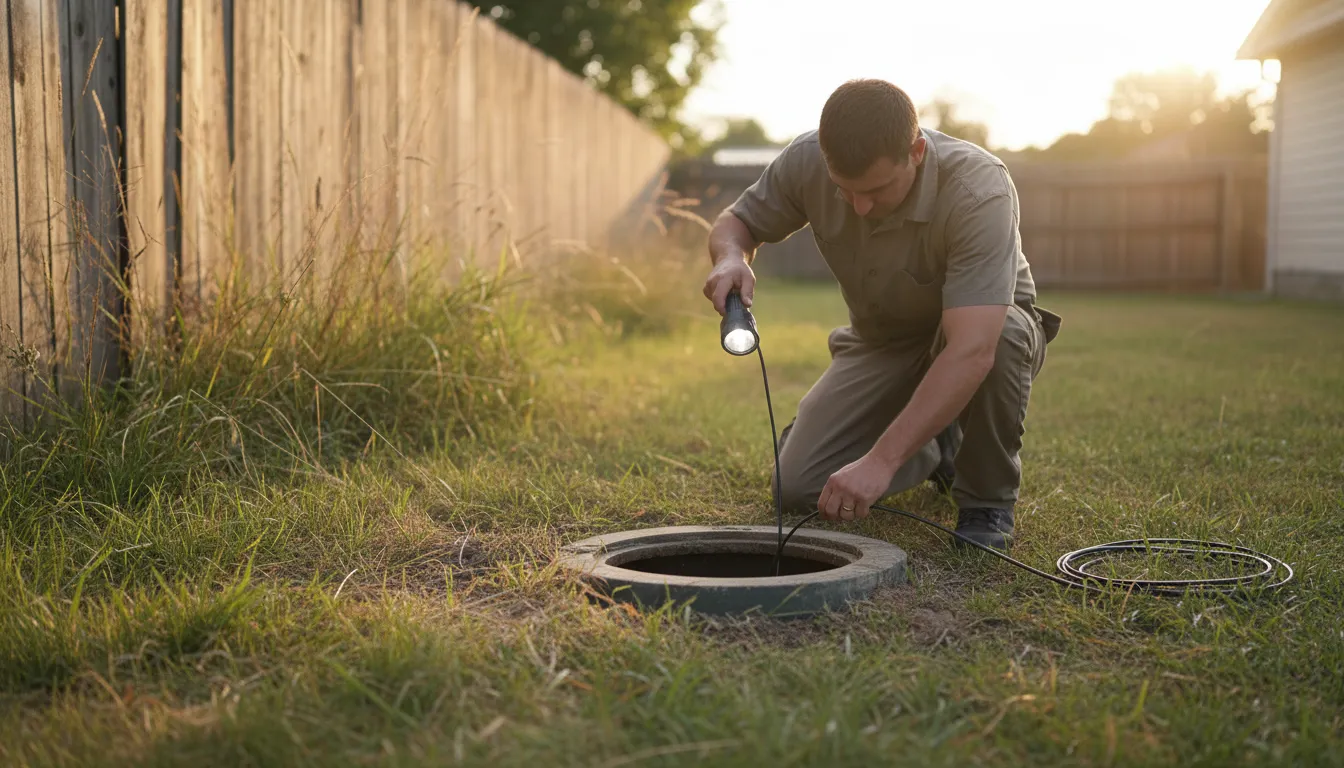
Find the Best Septic Tank Inspection Companies for Your Business
No obligation • Fast responses • Nationwide coverage

Why you can trust Septic Spot
Septic Spot is a leading United States resource for understanding and comparing septic services. Our editors review providers using consistent criteria and verify key business details. Listings and scores are independent, and companies cannot pay to influence our content.
Search providers near you
Top Septic Tank Inspection Companies in Gallatin, Tennessee Ranked
For homeowners in Gallatin, a septic system inspection is a critical evaluation of your property's onsite wastewater treatment system. This essential service assesses the health and functionality of your septic tank and drain field to ensure everything is operating safely and in compliance with Tennessee regulations. Whether you're buying a home, maintaining your property, or addressing a potential issue, understanding the inspection process helps you find qualified local professionals to protect your investment and the environment.
Michael Shaver Plumbing, Septic, and Dirt Works
29 Industrial Park Dr, Hendersonville, TN 37075
Michael Shaver Plumbing, Septic, and Dirt Works provides septic tank pumping and inspection services in Nashville, TN. Serving Northern Middle Tennessee, the company also offers plumbing, irrigation, and land-clearing solutions. Established in 1981, they bring over 40 years of experience to their work. Their services include visual inspections and septic maintenance, with a focus on personalized customer care.
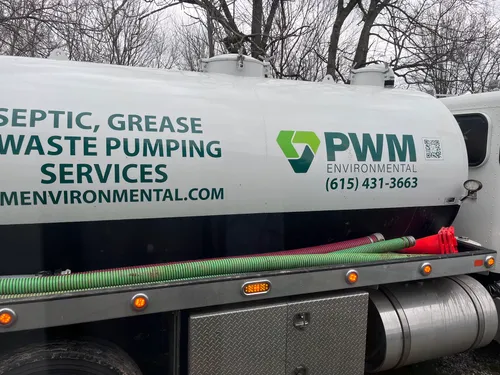
PWM Environmental
3403 Pleasant Grove Rd, White House, TN 37188
PWM Environmental is a family-owned septic service company based in Nashville, TN. They provide septic tank pumping, installation, repair, and inspection services for residential and commercial clients throughout Middle Tennessee and surrounding areas. Their capabilities include hydro jetting to clear clogged lines, camera inspections for accurate tank locating, and grease disposal. PWM Environmental uses modern equipment and a fleet of trucks to ensure compliance with EPA regulations.
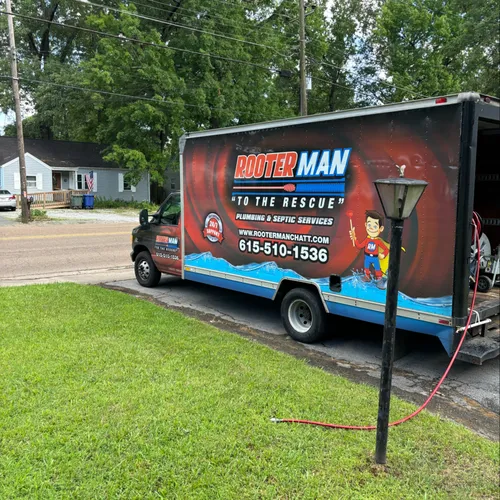
Rooter-Man
303 E Old Hickory Blvd, Madison, TN 37115
Rooter-Man is a plumbing and septic service provider based in Nashville, TN. They offer a wide range of services including septic tank pumping, inspection, repair, and installation, as well as general plumbing repairs and maintenance. The company uses advanced technologies such as leak detection and sewer camera inspection to ensure effective solutions. Rooter-Man provides 24-hour emergency plumbing services, responding promptly to urgent issues. Their team is experienced in handling both routine and complex plumbing problems, including septic system care and pipe repairs.
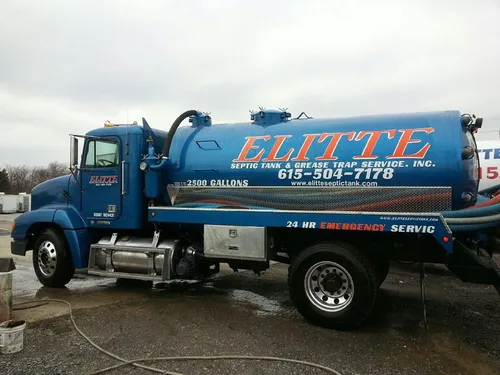
Elitte Septic Tank & Grease Trap Service, Inc.
1035 Bradley Dr, Springfield, TN 37172
Elitte Septic Tank & Grease Trap Service, Inc. provides septic tank pumping, inspection, repair, and installation services in Nashville, TN. The company handles locating septic tanks and field lines, pumping out tanks, repairing lines, and installing new septic systems with care and professionalism. They have experience working on challenging projects such as accessing tanks under concrete and rerouting plumbing to unused tanks. Their team is known for thorough excavation and cleanup after work is completed.
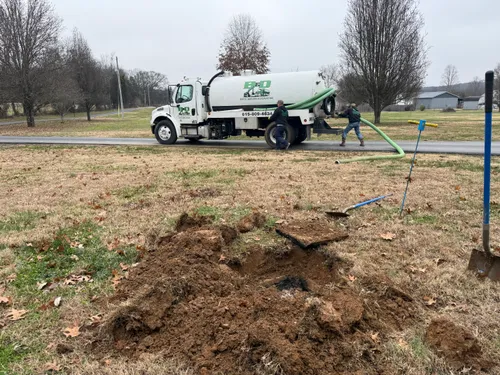
B and D Septic Service
638 Greene Dr, Lebanon, TN 37087
B and D Septic Service provides septic tank pumping, cleaning, inspection, repair, and maintenance services in Nashville, TN. They handle septic system repairs of all sizes and offer scheduled maintenance to help extend the life of septic tanks. The company also provides emergency septic services when urgent needs arise.
Why Septic System Evaluations Are Essential in Sumner County
A septic tank inspection, often called a system evaluation or assessment, is more than just a formality. In Tennessee, the Department of Environment & Conservation (TDEC) governs these systems, and local Environmental Field Offices manage compliance. Regular check-ups are crucial because a failing system can lead to costly repairs, environmental contamination, and health hazards. For Gallatin residents, common triggers for an inspection include a real estate transaction, a routine maintenance schedule, or signs of trouble like slow drains or unpleasant odors in the yard. Proactive inspections can identify minor issues before they become major, expensive problems.
Understanding Tennessee and Local Septic Regulations
Navigating the rules is a key part of septic system ownership. In Gallatin and throughout Sumner County, the TDEC Environmental Field Office is your primary regulatory contact. State guidelines recommend inspections every 1 to 3 years and pumping every 3 to 5 years to maintain system health. For any new construction or major repair, a construction permit from TDEC is required. Permit fees start at approximately $400 for a conventional system and can be higher for alternative systems. It's important to remember that routine maintenance, including pumping and inspections, is the legal responsibility of the property owner.
The Step-by-Step Septic Inspection Process
A thorough septic system assessment involves several key steps performed by a licensed professional. Here's what you can typically expect during an onsite wastewater treatment system inspection in Gallatin:
- Locate Tank & Inspect Covers: The inspector will first locate the tank and distribution box, then check all access lids and covers for structural integrity and safety.
- Inspect Water Levels & Effluent: A crucial check involves measuring the water level inside the tank to ensure it is below the outlet pipe, indicating proper flow and no blockage.
- Pump to Check Solids & Baffles: Often, pumping the tank is necessary to fully inspect the interior. The inspector will check the sludge and scum layers and ensure the inlet and outlet baffles are intact and functioning.
- Inspect the Drain Field: The professional will examine the soil absorption area (drain field) for signs of failure, such as pooling water, surfacing sewage, or unusually lush vegetation, which can indicate a leak 1 2.
- Perform a Dye Test (if needed): In some cases, a dye test may be conducted. A non-staining dye is flushed into the system, and the drain field is monitored to see how the water disperses, checking for surfacing issues 3.
Find the perfect septic tank inspection companies for your needs
Get personalized recommendations and expert advice
Common Reasons for a Septic Inspection in Gallatin
Knowing when to schedule a system check can save you time and money. The most frequent scenarios include:
- Real Estate Transactions: A septic inspection is almost always required during the sale of a home. It provides the buyer with assurance about the system's condition and can be a contingency in the sales contract.
- Routine Maintenance: Following the recommended 1-3 year schedule for a professional evaluation helps maintain system longevity and performance.
- Suspected System Failure: Signs like sewage backups in the house, soggy ground or foul smells in the yard, and excessively green grass over the drain field are clear indicators you need an inspection immediately.
- Before a Major Home Addition: If you're planning to add bedrooms or increase your home's water usage, verifying your current septic system's capacity is a wise first step.
- Permitting for Repairs or Replacement: Any significant repair or new installation will require a TDEC permit, and an inspection is a foundational part of that application process.
What to Expect: Service Scope and Associated Costs
Understanding what an inspection entails and its potential cost helps in planning and comparing local providers. It's important to note that prices can vary based on the company, the size and complexity of your system, and the specific services included.
- Inspection-Only Service: A standard visual and operational inspection, often requested during home purchases, generally ranges from $200 to $500 4.
- Inspection with Pumping: Since a full interior inspection often requires pumping, many homeowners combine these services. The average cost to pump a septic tank in the region is $250 to $500, varying by tank size 5. When combined with an inspection, you may receive a bundled rate.
- Permit and Design Fees: If your inspection reveals the need for a new system or major repair, remember that TDEC construction permit fees are separate. These start at around $400 for conventional systems and can be $500 or more for alternative systems 6. Hiring a certified system designer is also a separate cost.
Disclaimer: Regulations and prices can change. For the most current official information, contacting the local TDEC Field Office is always recommended 7.
Preparing Your Property for an Inspector
A little preparation can make the inspection process smoother and more efficient. Before the professional arrives:
- Ensure Access: Clear any vehicles, lawn equipment, or debris from the area above your septic tank and drain field. The inspector will need to locate and open the lids.
- Locate and Stake: If you know the location of your tank and drain field, marking them with flags or stakes is extremely helpful. If not, the inspector will use probing tools to find them.
- Provide Documentation: Have any existing records, such as the "as-built" diagram of your system, previous inspection reports, or pumping receipts, available for the inspector to review.
- Secure Pets: For safety and to avoid distractions, keep pets indoors or in a secured area of your yard.
Frequently asked questions
Sources
Footnotes
-
Frequent Questions on Septic Systems | US EPA - https://www.epa.gov/septic/frequent-questions-septic-systems ↩
-
Onsite Wastewater Treatment Systems "Septic Systems" - https://www.tn.gov/health/cedep/environmental/healthy-homes/hh/onsite-wastewater-treatment-systems.html ↩
-
Septic Pumping and OWTS Inspections Onsite Wastewater Treatment System (OWTS) inspections can occur for many reasons. Currently - https://highplainssanitation.com/wp-content/uploads/inspection_info.pdf ↩
-
Understanding and Inspecting Septic Systems - Flush Fellas - https://www.theflushfellas.com/understanding-and-inspecting-septic-systems ↩
-
How Much Does It Cost to Pump Septic Tank: A Detailed Pricing Guide - https://www.benjaminfranklinplumbing.com/league-city/blog/2025/march/how-much-does-it-cost-to-pump-septic-tank-a-detailed-pricing-guide/ ↩
-
Septic System Construction Permit - TN.gov - https://www.tn.gov/environment/permit-permits/water-permits1/septic-systems-permits/ssp/permit-water-septic-system-construction-permit.html ↩
-
Septic System Related Permits - TN.gov - https://www.tn.gov/environment/permit-permits/water-permits1/septic-systems-permits/ssp/permit-water-septic-system-related-permits.html ↩