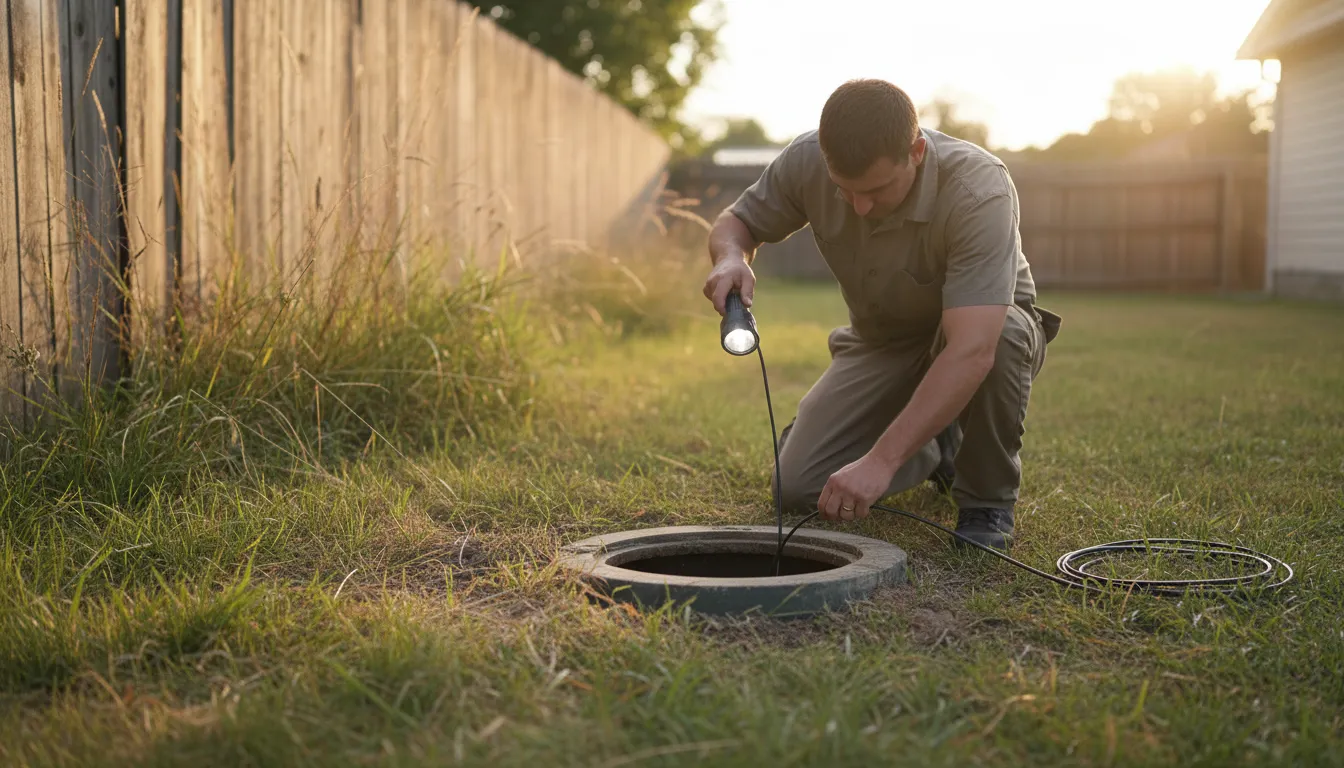
Find the Best Septic Tank Inspection Companies for Your Business
No obligation • Fast responses • Nationwide coverage

Why you can trust Septic Spot
Septic Spot is a leading United States resource for understanding and comparing septic services. Our editors review providers using consistent criteria and verify key business details. Listings and scores are independent, and companies cannot pay to influence our content.
Search providers near you
Top Septic Tank Inspection Companies in Murfreesboro, Tennessee Ranked
A professional septic tank inspection is a critical evaluation of your onsite wastewater system's health and functionality. In Murfreesboro, where many homes rely on these private systems, regular assessments are essential for protecting your property value, your family's health, and the local environment. This guide explains what a septic system inspection entails, why it's necessary, and how you can find qualified local professionals to perform this vital service for your home.

Ultra Home Inspections
1025 John Williams Rd, Franklin, TN 37067
Ultra Home Inspections is a home inspection company based near Nashville, TN, offering comprehensive residential inspections and environmental testing. Their services include septic tank inspections, radon gas measurement, termite inspections, thermal imaging scans, indoor air quality testing, and sewer scope inspections. With over 20 years of experience and more than 55,000 inspections completed, they serve a wide area across Middle Tennessee including Franklin, Brentwood, Murfreesboro, and surrounding communities. Ultra Home Inspections emphasizes clear communication, thorough reporting, and a culture of client care.
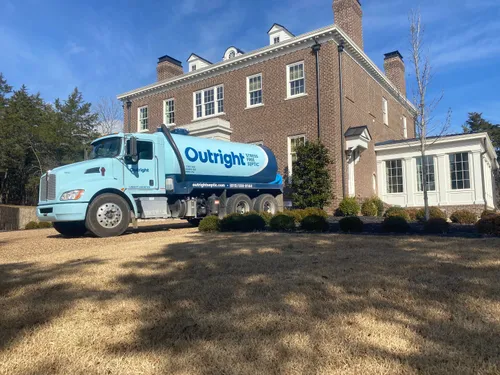
Outright Septic
Nashville, TN
Outright Septic is a septic tank pumping and inspection company serving Nashville, TN. They provide services for residential, commercial, and municipal septic systems, including regular pumping, maintenance, and pre-closing inspections for real estate transactions. Outright Septic emphasizes clear communication and customer education to help clients understand and maintain their septic systems. Their service includes easy online booking and transparent pricing to simplify the process for customers.
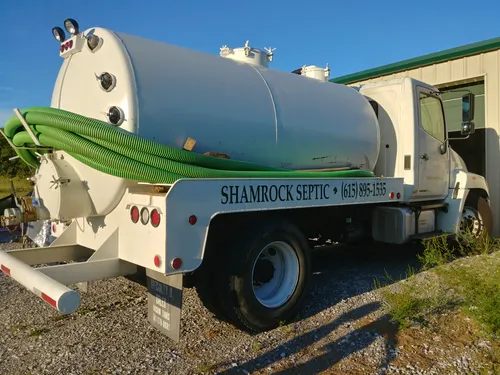
Shamrock Septic Service
250 Gatemouth Ln, Auburntown, TN 37016
Shamrock Septic Service has been providing septic system services in Nashville, TN, and the surrounding Rutherford County area since 2005. They offer septic tank pumping, inspections, repairs, installations, and drain field maintenance for both residential and commercial properties. Using modern equipment and proven techniques, Shamrock Septic Service focuses on maintaining and repairing septic systems to prevent costly backups and extend system life.

Scott Septic Tank Service LLC
10201 Manchester Pike, Christiana, TN 37037
Scott Septic Tank Service LLC is a locally owned company providing comprehensive septic system services in Nashville, TN, and surrounding areas. They offer septic tank cleaning, inspections, repairs, installations, field line restoration, and riser installation. The company emphasizes accurate evaluations and durable solutions tailored to local soil conditions and regulations. With over 60 years of experience, Scott Septic Tank Service focuses on long-term system performance and environmental protection through careful planning and proven methods.
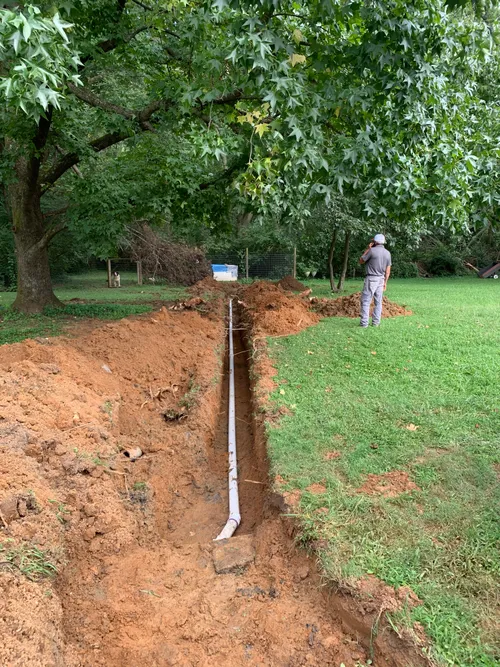
Mid- Tenn Septic & Plumbing
Nashville, TN
Mid-Tenn Septic & Plumbing is a septic tank pumping, inspection, repair, and installation company serving Nashville, TN. They offer comprehensive plumbing and septic solutions, including drain cleaning, pipe replacements, and septic system maintenance. The team uses modern diagnostic tools to identify and resolve issues effectively, focusing on long-term results rather than temporary fixes. With decades of experience, they understand local conditions affecting septic systems and plumbing, helping to prevent costly problems through proactive care and regular maintenance.
Why Septic Inspections Are Essential in Murfreesboro
Unlike being connected to a municipal sewer line, homeowners with septic systems are solely responsible for their wastewater treatment. A failing system can lead to sewage backups in your home, foul odors, and contamination of groundwater and nearby streams, which is a serious public health concern. In Rutherford County, the Tennessee Department of Environment and Conservation (TDEC) regulates these systems to prevent such issues 1. Regular inspections are your first line of defense, identifying small problems like a damaged baffle or excessive sludge buildup before they escalate into costly repairs or environmental hazards.
For Murfreesboro residents, these evaluations are not just a recommendation-they are often a requirement. If you are selling your home, most lenders and buyers will require a recent inspection report, sometimes called a "Certificate of Verification" or an inspection letter, before closing 2. This provides peace of mind to the new owner and is a standard part of real estate transactions involving septic systems.
Understanding Tennessee Inspection Regulations
State and local guidelines provide a framework for septic system maintenance. TDEC generally advises having your septic tank inspected at least every 2 to 4 years and pumped every 3 to 5 years, though the exact frequency can depend on your household size and tank usage. Furthermore, any work on a septic system, including pumping and installation, requires a permit from TDEC, which is typically arranged by your licensed service provider 3 4.
The 2021 Tennessee Private Sewage Disposal Code sets the standards for system capacity, construction, and inspection protocols 5. It's important to note that more complex systems, like aerobic treatment units (ATUs) or STEP (Septic Tank Effluent Pump) systems, which are common in some Murfreesboro neighborhoods, require specialized inspectors. The city may also have annual inspection fees for certain permitted systems.
What a Professional Septic Inspection Includes
A thorough septic system evaluation by a licensed professional is a multi-step process designed to assess every component. Here's what you can expect during a standard inspection in the Murfreesboro area:
- System Location: The inspector will locate and expose the septic tank lid (riser) and identify the drain field area.
- Visual Site Assessment: They will check the yard for warning signs of failure, such as unusually lush grass over the drain field, standing water, or sewage odors.
- Tank Access & Internal Inspection: The tank is opened to examine the inlet and outlet baffles (or tees). These components are crucial for preventing solids from flowing into the drain field, and damage here is a common cause of system failure.
- Sludge and Scum Measurement: This is the core of the inspection. The inspector measures the depth of the sludge layer at the bottom and the scum layer at the top. Pumping is recommended if the sludge is within 12 inches of the outlet or the scum is within 6 inches.
- Dye or Flow Test: Water is run through the household plumbing, and sometimes a non-staining dye is added. The inspector checks for proper drainage and ensures the dye does not surface in the yard, which would indicate a drain field problem 6.
- Component Check: For systems with pumps, alarms, or effluent filters, these mechanical components are tested for proper operation 7.
Find the perfect septic tank inspection companies for your needs
Get personalized recommendations and expert advice
Interpreting Your Inspection Report
After the evaluation, you should receive a detailed report. Understanding key terms is important:
- "Pass" or "Certificate of Verification": The system is functioning within normal parameters. The report will note the sludge/scum levels and may recommend a pumping schedule.
- "Needs Pumping": The tank is full and requires pumping to prevent solids from entering and clogging the drain field. This is a routine maintenance item.
- "Needs Repair": Issues like cracked pipes, damaged baffles, or a failing pump were found. These should be addressed promptly.
- "Drain Field Failure": This is a serious finding indicating the soil absorption area is no longer accepting wastewater. Remediation can be complex and costly, ranging from field line replacement to a completely new system 8.
Always discuss the report directly with your inspector to clarify any findings and understand the recommended next steps.
Costs of Septic Inspections in Murfreesboro
The price of a septic system check-up can vary based on the system's size, type, and accessibility. Based on local data:
- A standard inspection typically ranges from $250 to $500 9.
- If the inspection reveals the tank needs to be pumped, a combined inspection and pumping service often costs between $450 and $700 or more, depending on tank size 10 11.
- Be aware that additional municipal fees may apply. For instance, the City of Murfreesboro lists specific annual testing and inspection fees for permitted systems 12.
While cost is a factor, the most important consideration is hiring a qualified professional licensed by the state of Tennessee to perform this technical service 13.
Maintaining Your System Between Inspections
A good inspection is part of a larger maintenance routine. You can extend the life of your septic system by:
- Conserving water and spreading out laundry loads.
- Avoiding pouring fats, oils, or harsh chemicals down the drain.
- Never flushing anything besides human waste and toilet paper.
- Keeping vehicles and heavy objects off the drain field area.
- Having your tank pumped on the schedule recommended by your inspector.
By partnering with a knowledgeable local professional for regular inspections and following these guidelines, you can ensure your Murfreesboro home's septic system operates safely and efficiently for years to come.
Frequently asked questions
Sources
Footnotes
-
Onsite Wastewater Treatment Systems "Septic Systems" - TN.gov - https://www.tn.gov/health/cedep/environmental/healthy-homes/hh/onsite-wastewater-treatment-systems.html ↩
-
Purchasing a Home With a Septic System - Kim Blanton - https://www.homesbykimblanton.com/blog/a-house-with-a-septic-tank.html ↩
-
Online Application for Septic Related Services - TN.gov - https://www.tn.gov/environment/permit-permits/water-permits1/septic-systems-permits/ssp/wr-sds-online-application-for-ground-water-protection-services.html ↩
-
Septic System Related Permits - TN.gov - https://www.tn.gov/environment/permit-permits/water-permits1/septic-systems-permits/ssp/permit-water-septic-system-related-permits.html ↩
-
Chapter 8 Tanks: Tennessee Private Sewage Disposal Code 2021 - https://up.codes/viewer/tennessee/ipsdc-2021/chapter/8/tanks ↩
-
Septic Inspection Process: What Homeowners Should Know | LunsPro - https://www.lunspro.com/vlog/the-septic-system-inspection-process-what-homeowners-should-know ↩
-
Protecting Your Murfreesboro Neighborhood STEP System - https://familywatertn.com/protecting-murfreesboro-step-system/ ↩
-
Interpreting Septic Tank Inspection Results | Septic System Professionals - https://septic911.com/interpreting-septic-tank-inspection-results/ ↩
-
Understanding and Inspecting Septic Systems - Flush Fellas - https://www.theflushfellas.com/understanding-and-inspecting-septic-systems ↩
-
Frequent Questions on Septic Systems | US EPA - https://www.epa.gov/septic/frequent-questions-septic-systems ↩
-
Septic Tank Inspection: A Guide - https://www.petesoutflow.com/septic-tank-inspection-a-guidee01bcb81 ↩
-
Annual Testing and Inspection Fees - Murfreesboro, TN - https://www.murfreesborotn.gov/1194/Annual-Testing-and-Inspection-Fees ↩
-
Homeowner's Guide to Septic Systems - Lebanon, TN - https://www.lebanontn.org/DocumentCenter/View/273/Detailed-Septic-Information-PDF ↩