Find the Best Septic Tank Inspection Companies for Your Business
No obligation • Fast responses • Nationwide coverage

Why you can trust Septic Spot
Septic Spot is a leading United States resource for understanding and comparing septic services. Our editors review providers using consistent criteria and verify key business details. Listings and scores are independent, and companies cannot pay to influence our content.
Search providers near you
Top Septic Tank Inspection Companies in Bellevue, Washington Ranked
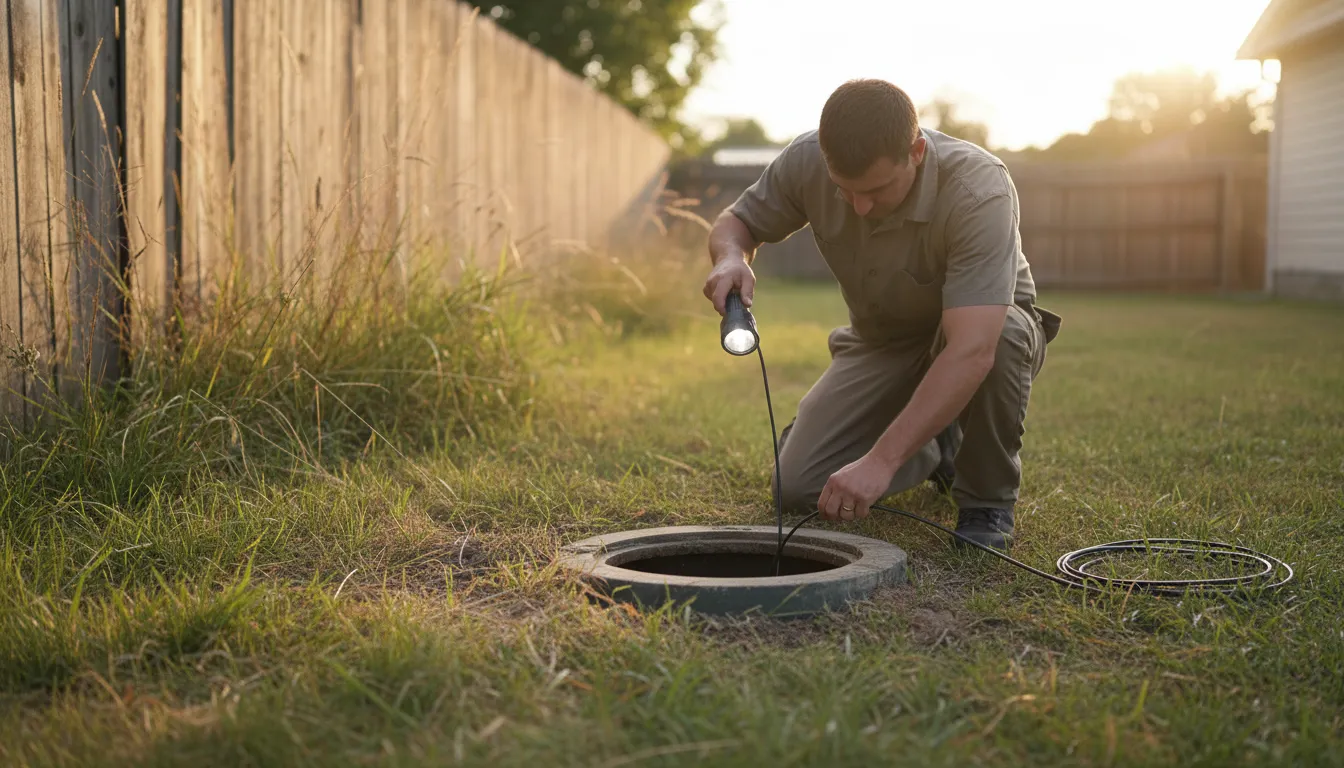
A professional septic tank inspection is a critical evaluation of your home's on-site sewage system (OSS) to ensure it's functioning safely and legally. In Bellevue, these assessments are not just a good idea-they are a regulatory requirement enforced by King County. This guide explains what a septic system evaluation entails, why it's essential for your property and community, and how you can find qualified local professionals to perform this vital service.
Titan Inspection Services - Maple Valley
Kent, WA
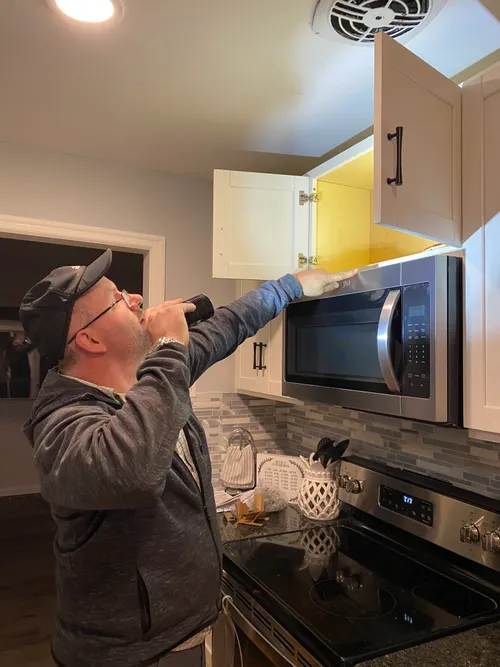
Titan Inspection Services - Maple Valley is a septic tank inspection company serving Kent, WA. They provide thorough home and septic inspections with detailed reports that include photos, videos, and maintenance recommendations. Their inspectors are knowledgeable and take time to explain findings clearly to clients. The company offers sewer scope inspections as part of their services. Titan Inspection Services is known for quick scheduling and fast report delivery, often within 24 hours. The team is experienced and committed to helping clients make informed decisions about their properties.
Puget Sound Septic
20222 SE 245th St, Maple Valley, WA 98038
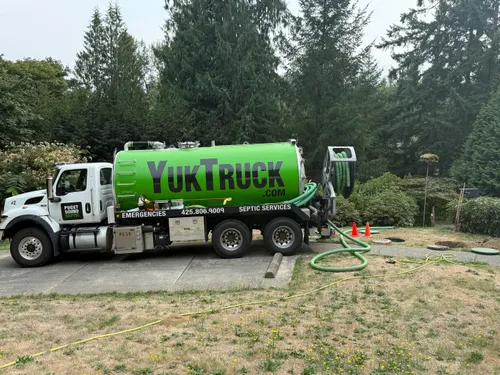
Puget Sound Septic is a septic tank pumping and inspection company serving Kent, WA. They offer septic tank cleaning using advanced technology and trained technicians to provide efficient pumping services. The company also provides video septic line inspections to help identify potential issues early. Puget Sound Septic is committed to maintaining the smooth operation of septic systems and offers services for both routine and emergency needs.
A1 Septic Service
10121 Evergreen Wy Suite 25-696, Everett, WA 98204
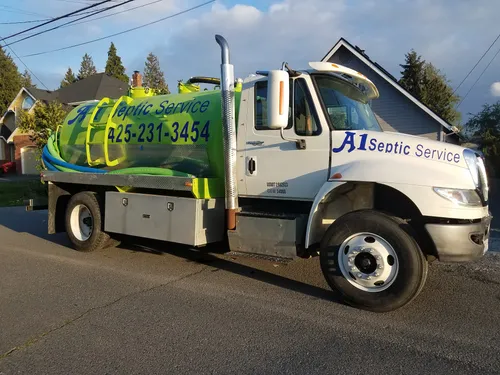
A1 Septic Service is a family-owned company based in Everett, WA, providing septic system pumping, inspection, and repair services. Serving Snohomish and King County, they cater to residential, commercial, and municipal customers with over 25 years of experience. Their capabilities include emergency septic pumping available 24/7 to address urgent needs promptly. Established in 1998, A1 Septic Service emphasizes thorough, licensed, and insured work with a commitment to customer satisfaction.
Rinehart Inspection Services
Seattle, WA
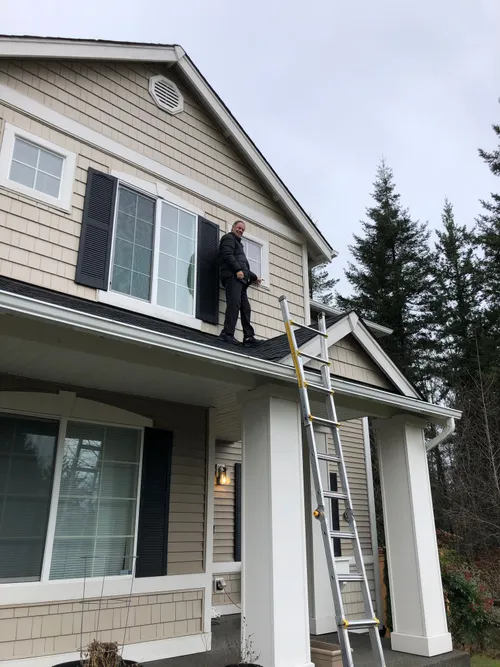
Rinehart Inspection Services is a family-owned septic tank inspection company based in Seattle, WA. They provide customized inspection and sewer scope services for residential, commercial, industrial, and multi-family properties. Their offerings include sewer scope inspections, environmental testing for mold, asbestos, and lead, as well as inspections tailored for buying, selling, renovating, or maintaining properties throughout Western Washington.
The Sterling Inspection Group, Inc.
Seattle, WA
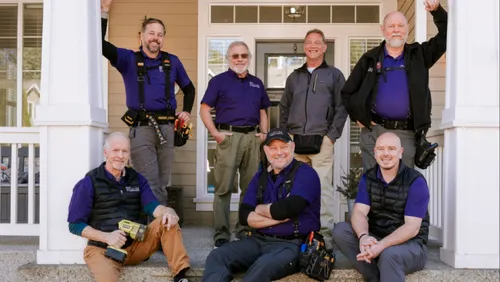
The Sterling Inspection Group, Inc. provides a range of inspection services in Seattle, WA, including septic tank inspections. They offer residential and commercial inspections covering various home systems such as plumbing, roofing, HVAC, and specialty services like sewer scope and gas leak testing. Their capabilities include detailed sewer scope inspections, which help assess the condition of septic and sewer systems.
Understanding Septic System Inspections in King County
In Bellevue and throughout King County, your septic system is a private wastewater treatment plant. Regular inspections by a certified professional are mandated by law to protect public health and the environment, particularly our local groundwater and the Lake Washington watershed 1 2. The purpose of a septic system inspection is to identify problems early, prevent costly failures, and ensure compliance with county and state regulations.
The required frequency for your septic system check-up depends entirely on the type of system installed on your property 3:
- Gravity Systems: Must be inspected at least every 3 years.
- Pressure Distribution, Mound, or Sand Filter Systems: Require an annual inspection.
- Alternative/Advanced Systems (ATUs, Drip Irrigation): Often need inspection every 6 months, or as specified by the manufacturer.
Failing to complete these mandatory inspections can result in enforcement actions from King County Environmental Health, starting with a requirement to inspect immediately and potentially leading to fines if unresolved.
What Does a Professional Inspection Involve?
A comprehensive septic system assessment is a multi-step process conducted by a county-certified inspector. It goes far beyond just looking at the tank. Here's a breakdown of what you can expect during a typical professional evaluation:
- System Location & Access: The inspector will locate your tank and drainfield, often using property records or specialized tools. If risers (access ports) are not already installed, they may need to excavate to open the tank lids.
- Tank Interior Evaluation: This is the core of the inspection. The professional will measure the depth of the scum layer (floating solids) and the sludge layer (settled solids) at the bottom. These measurements determine if the tank needs to be pumped to prevent solids from flowing into and clogging the drainfield.
- Component Check: All tank components are inspected for integrity and function. This includes inlet and outlet baffles or tees (which prevent solids from exiting), the tank structure for cracks or leaks, and for pressure systems, the pump, alarm, and electrical components.
- Drainfield Assessment: The inspector will examine the soil absorption area (drainfield) for telltale signs of failure. This includes looking for surfacing sewage, soggy ground, overly lush vegetation, or unpleasant odors-all indicators that the system is not properly treating and dispersing wastewater.
- Reporting & Compliance: After the evaluation, the certified inspector is required to file a formal report with King County Environmental Health. You will receive a copy detailing the system's condition, any required actions (like pumping), and the date of your next due inspection.
Costs Associated with Septic Inspections and Pumping in Bellevue
Understanding the potential costs helps homeowners budget for this necessary maintenance. Prices in the Bellevue area can vary based on tank size, system complexity, and ease of access.
- Inspection-Only Service: A standard visual and operational inspection typically ranges from $150 to $300+ 4.
- Tank Pumping/Cleaning: If the inspection reveals the tank is full, pumping costs generally fall between $300 and $600+, depending on tank capacity (e.g., 1,000-gallon vs. 1,500-gallon).
- Combined Inspection & Pumping Service: Many companies offer a bundled service, which can cost between $400 and $800+ for a complete service visit 5.
Additional factors that can increase cost include the need for extensive digging to locate or access tank lids, the inspection of complex alternative systems, or emergency service calls.
Find the perfect septic tank inspection companies for your needs
Get personalized recommendations and expert advice
Can You Perform Your Own Septic Inspection?
Washington State does allow homeowners to perform their own septic system evaluations if they become certified through the local health department 6. The Department of Health provides a detailed Do-It-Yourself Field Guide to outline the process 7. However, this is generally recommended only for simple gravity systems owned by individuals comfortable with the procedure.
For most homeowners, especially those with pressure, mound, or advanced treatment systems, hiring a certified professional is strongly advised. They have the expertise, tools, and legal authority to file the required compliance reports with the county. A professional assessment also provides a defensible record of the system's condition, which is crucial during property transactions.
Preparing for an Inspection: Tips for Homeowners
A little preparation can make the inspection process smoother and more efficient.
- Locate Your System Records: Find your septic system "as-built" diagram. You can often locate this using King County's interactive online mapping tools for on-site sewage systems 8.
- Ensure Clear Access: Make sure the inspector can easily reach your tank lid(s) and drainfield area. Clear away any debris, landscaping, or outdoor storage.
- Know Your System Type: Determine if you have a gravity, pressure, or alternative system, as this dictates inspection frequency.
- Be Prepared to Pump: If it has been 3-5 years since your last pumping, or if you don't recall, budget for the possibility that the inspection will recommend it. It's the most common maintenance outcome.
The Importance of Regular Maintenance Beyond Inspection
An inspection is a snapshot in time, but ongoing care keeps your system healthy. Good practices include conserving water, avoiding flushing harmful chemicals or non-biodegradables, and maintaining a landscape over your drainfield that protects it from compaction and root intrusion. Regular inspections and timely pumping based on the inspector's recommendations are the cornerstones of a maintenance plan that can extend the life of your septic system for decades, protecting your investment and your local environment 9.
Frequently asked questions
Sources
Footnotes
-
On-site sewage/septic system inspections - King County - https://kingcounty.gov/en/dept/dph/health-safety/environmental-health/on-site-sewage-systems/maintaining-your-system/inspections ↩
-
Caring for Your Septic System | Washington State Department ... - https://doh.wa.gov/community-and-environment/wastewater-management/septic-system/caring-your-system ↩
-
Washington State Septic Law - https://septicnow.com/washington-state-septic-law/ ↩
-
Septic System Inspections: A Step-by-Step How-To Guide - https://westcoastsanitationinc.com/septic-inspection-service/ ↩
-
Hiring a Septic System Professional | Washington State Department ... - https://doh.wa.gov/community-and-environment/wastewater-management/septic-system/hiring-professional ↩
-
Do-It-Yourself Septic System Inspection Field Guide - https://doh.wa.gov/sites/default/files/legacy/Documents/Pubs/337-121.pdf ↩
-
Do-It-Yourself Septic System Inspection Field Guide - https://doh.wa.gov/sites/default/files/legacy/Documents/Pubs//337-128.pdf ↩
-
On-site sewage/septic system program - https://kingcounty.gov/en/dept/dph/health-safety/environmental-health/on-site-sewage-systems ↩
-
Inspecting Your Septic System - Washington State University - https://wpcdn.web.wsu.edu/wp-extension/uploads/sites/2079/2014/02/septic-inspect.pdf ↩