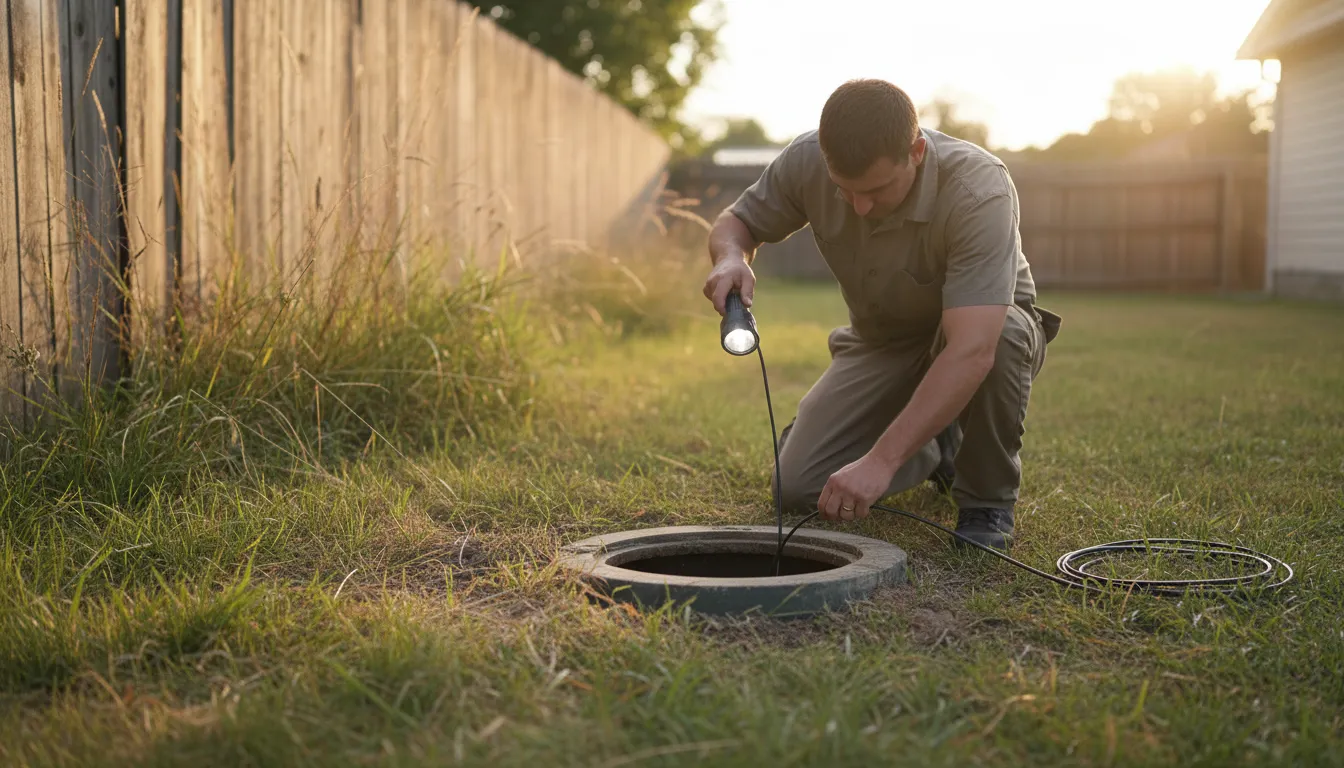
Find the Best Septic Tank Inspection Companies for Your Business
No obligation • Fast responses • Nationwide coverage

Why you can trust Septic Spot
Septic Spot is a leading United States resource for understanding and comparing septic services. Our editors review providers using consistent criteria and verify key business details. Listings and scores are independent, and companies cannot pay to influence our content.
Search providers near you
Top Septic Tank Inspection Companies in Spokane, Washington Ranked
A septic tank inspection is a critical evaluation of your home's onsite sewage system, ensuring it functions safely and complies with local health regulations. This process matters because a failing system can pose serious health risks, contaminate groundwater, and lead to costly property damage. For Spokane homeowners, using a local resource to find certified professionals is the best way to ensure your system is properly assessed, maintained, and in compliance with Spokane County's specific mandates.
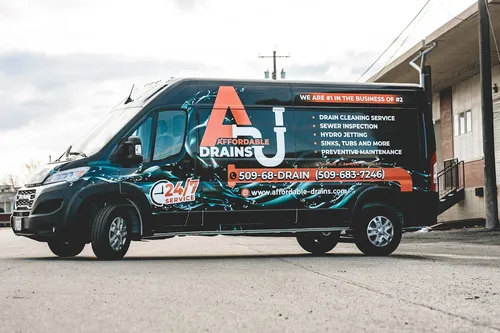
Affordable Drains
2925 E Providence Ave, Spokane, WA 99207
Affordable Drains is a septic tank inspection and drain cleaning company based in Spokane, WA. They provide services to residential and commercial properties in Spokane County and Northern Idaho. Their offerings include drain cleaning, rooter services, video camera inspections, high-pressure hydro jetting, sump pump repairs, storm drain cleaning, grease trap cleaning, and sewer line and septic tank location. With over 15 years of industry experience, the team uses advanced techniques like hydro jetting to clear stubborn blockages and maintain plumbing systems. Affordable Drains also offers 24/7 emergency service to address urgent drain issues at any time.

Vietzke Drain & Rooter
1805 S Craig Rd, Airway Heights, WA 99001
Vietzke Drain & Rooter is a septic tank inspection company based in Spokane, WA. They offer a range of services including drain cleaning, hydro jetting, video camera inspections, and sewer line and septic tank location. Their hydro jetting service provides a powerful method for pipe cleaning, while video camera inspections give detailed internal views of drain conditions. The company also handles sewer, septic, and storm drain maintenance to ensure proper function.
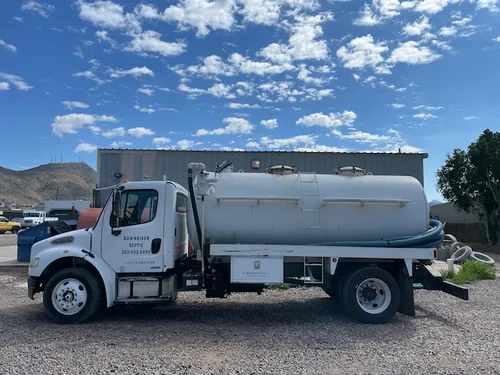
Downriver Septic
Spokane, WA
Downriver Septic is a family-owned septic tank inspection and installation company based in Spokane, WA. They bring decades of residential construction experience to managing septic projects, including installation, inspection, and maintenance. Their services focus on on-site septic systems for residential and small business properties in Spokane County, ensuring compliance with local health regulations and environmental standards.
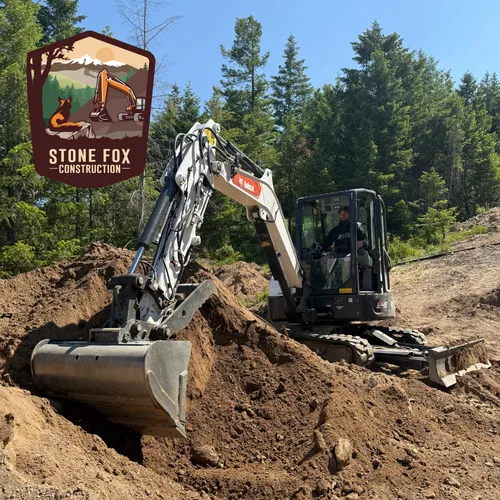
Stone Fox Construction
Spokane, WA
Stone Fox Construction is a licensed and insured company based in Spokane, WA, specializing in septic tank inspection and installation. Founded in 2023, the business draws on over 11 years of industry experience and serves Spokane and surrounding areas including North Idaho and Eastern Washington. They work closely with custom home builders and homeowners, offering excavation and septic services with a focus on clear communication and quality workmanship. Their capabilities include thorough septic system inspections and trenching for septic installations.

Spokane Septic Services
7514 N Cedar Rd, Spokane, WA 99208
Spokane Septic Services is a septic tank pumping, inspection, and repair company based in Spokane, WA. They serve Spokane and surrounding areas including Spokane Valley, Liberty Lake, Deer Park, Mead, and Colbert. The company offers 24/7 same-day septic tank pumping and emergency septic repairs, along with thorough septic inspections for real estate sales. Their services include drain field repairs and septic baffle replacements, with flat-rate pricing for 1000-gallon tanks. Spokane Septic Services is known for responding quickly to emergencies and maintaining clean work sites.
Understanding Spokane's Septic Inspection Requirements
In Spokane County, septic system inspections are not just a recommendation-they are a legal requirement enforced by the Spokane Regional Health District (SRHD). The frequency of your mandatory septic evaluation depends entirely on the type of system you have.
- Conventional Gravity Systems: Require a professional inspection every three years.
- Alternative/Pressurized Systems: This category includes pressure distribution, mound, sand filter, and other engineered systems. These require a more frequent annual inspection due to their mechanical components.
The goal of these regulations is to protect public health and the environment by identifying small issues before they become system failures. After each inspection, homeowners are responsible for submitting the official Operation and Maintenance (O&M) report to SRHD to prove compliance 1.
What a Comprehensive System Check Involves
Whether performed by a certified inspector or a trained homeowner, a thorough septic system assessment follows a detailed process. Here's what you can expect during a professional evaluation:
1. System Location & Access: The inspector will first locate and expose the tank manholes and inspection ports. Proper, watertight lids and secure risers are checked for safety and integrity.
2. Tank Interior Assessment: This is the core of the inspection. The professional will measure the levels of scum (floating layer) and sludge (settled solids) inside the tank. These measurements determine if the tank needs to be pumped. They also inspect the inlet and outlet baffles to ensure they are intact; damaged baffles allow solids to escape into the drainfield, causing clogs and failure 2.
3. Component Inspection (for Alternative Systems): For systems with pumps, siphons, or electrical components, the inspector will test pumps, floats, alarms, and control panels to ensure everything is operating correctly.
4. Drainfield Evaluation: The inspector will examine the drainfield (or drainage area) for telltale signs of failure. This includes looking for surfacing sewage, overly lush or soggy grass, and persistent odors. They will also confirm that the area is protected from compaction by vehicles or heavy structures 3.
The Cost of Septic Inspections and Related Services in Spokane
Understanding the potential costs helps homeowners budget for this essential maintenance. Pricing can vary based on tank size, system complexity, and accessibility.
- Inspection Only: A standard septic system inspection in the Spokane area typically ranges from $500 to $900.
- Pumping/Cleaning: If the inspection reveals the tank needs to be emptied, pumping service usually costs between $400 and $900, varying with tank capacity.
- Combined Service: It is very common-and often more cost-effective-to bundle an inspection with a pumping. A combined service frequently totals over $800 to $1,000+.
- Repairs: Costs for repairs can range widely. Minor fixes like replacing a baffle or lid may cost $200 to $800, while significant repairs to a tank or distribution box can run from $3,000 to $7,000. A complete drainfield replacement is a major project, often costing $10,000 to $25,000 or more 4.
It's important to remember that pumping your tank is not a substitute for a full inspection. While pumping removes accumulated solids, only an inspection can assess the overall health of all system components.
Find the perfect septic tank inspection companies for your needs
Get personalized recommendations and expert advice
Maintaining Your System Between Inspections
Proactive care between mandatory inspections can extend the life of your septic system and prevent emergencies. Key maintenance tips include:
- Conserve Water: Spread out laundry loads and fix leaky fixtures to avoid hydraulically overloading the drainfield.
- Mind What You Flush: Only human waste and toilet paper should go down the drain. Avoid flushing wipes (even "flushable" ones), feminine hygiene products, cooking grease, and chemicals 5 6.
- Protect the Drainfield: Never drive or park vehicles on the drainfield. Keep roof drains, sump pumps, and other surface water away from the area. Plant only grass over the drainfield; tree and shrub roots can cause severe damage.
- Keep Records: Maintain a file of all inspection reports, pumping receipts, repair invoices, and your system's "as-built" design. You can search for your official record through SRHD or the Washington State Department of Health 7 8.
When You Need More Than an Inspection
An inspection might reveal issues that require immediate attention. Common problems include:
- High Sludge/Scum Levels: This is the most common reason for pumping. If the combined sludge and scum depth exceeds a certain percentage of the tank's liquid depth, pumping is necessary 9.
- Damaged Baffles: Cracked or missing inlet/outlet baffles must be repaired to prevent drainfield clogging.
- Drainfield Failure: Signs like surfacing effluent or sewage backups in the house indicate a serious problem that may require professional remediation or a new drainfield.
- Component Failure: In alternative systems, failed pumps, floats, or alarms need to be repaired or replaced by a specialist.
Finding and Working with a Certified Professional
For mandatory inspections, you must hire a professional certified by the state of Washington or, for some gravity systems, complete a certified homeowner training course 10 11. When selecting a provider, look for licensed, insured professionals with strong local references. A reputable inspector will provide a clear report detailing their findings, photographs of system components, and recommendations for any required maintenance or repairs 11.
Frequently asked questions
Sources
Footnotes
-
On-Site Septic Operations and... - https://srhd.org/programs-and-services/oss/on-site-septic-operations-and-maintenance ↩
-
Basic Training_I0113.indd - http://health.mo.gov/living/environment/onsite/pdf/KeeptheWaterOutArticle.pdf ↩
-
Free Septic Tank Inspection Templates | PDF - https://safetyculture.com/checklists/septic-tank-inspection ↩
-
WA Septic System Rules Buyers Need to Know (2025-2026 ... - https://www.lanifisherhomesblogs.com/blog/wa-septic-system-rules-buyers-need-to-know-20252026-guide ↩
-
Caring for Your Septic System | Washington State Department ... - https://doh.wa.gov/community-and-environment/wastewater-management/septic-system/caring-your-system ↩
-
Frequent Questions on Septic Systems | US EPA - https://www.epa.gov/septic/frequent-questions-septic-systems ↩
-
Do-It-Yourself Septic System Inspection Field Guide - https://doh.wa.gov/sites/default/files/legacy/Documents/Pubs//337-122.pdf ↩
-
Septic Systems | Washington State Department of Health - https://doh.wa.gov/community-and-environment/wastewater-management/septic-system ↩
-
Do-It-Yourself Septic System Inspection Field Guide - https://doh.wa.gov/sites/default/files/legacy/Documents/Pubs//337-128.pdf ↩
-
On-Site Septic Operations and Maintenance - https://srhd.org/programs-and-services/oss/on-site-septic-operations-and-maintenance ↩
-
Hiring a Septic System Professional | Washington State Department ... - https://doh.wa.gov/community-and-environment/wastewater-management/septic-system/hiring-professional ↩ ↩2