Find the Best Septic Tank Inspection Companies for Your Business
No obligation • Fast responses • Nationwide coverage

Why you can trust Septic Spot
Septic Spot is a leading United States resource for understanding and comparing septic services. Our editors review providers using consistent criteria and verify key business details. Listings and scores are independent, and companies cannot pay to influence our content.
Search providers near you
Top Septic Tank Inspection Companies in Vancouver, Washington Ranked
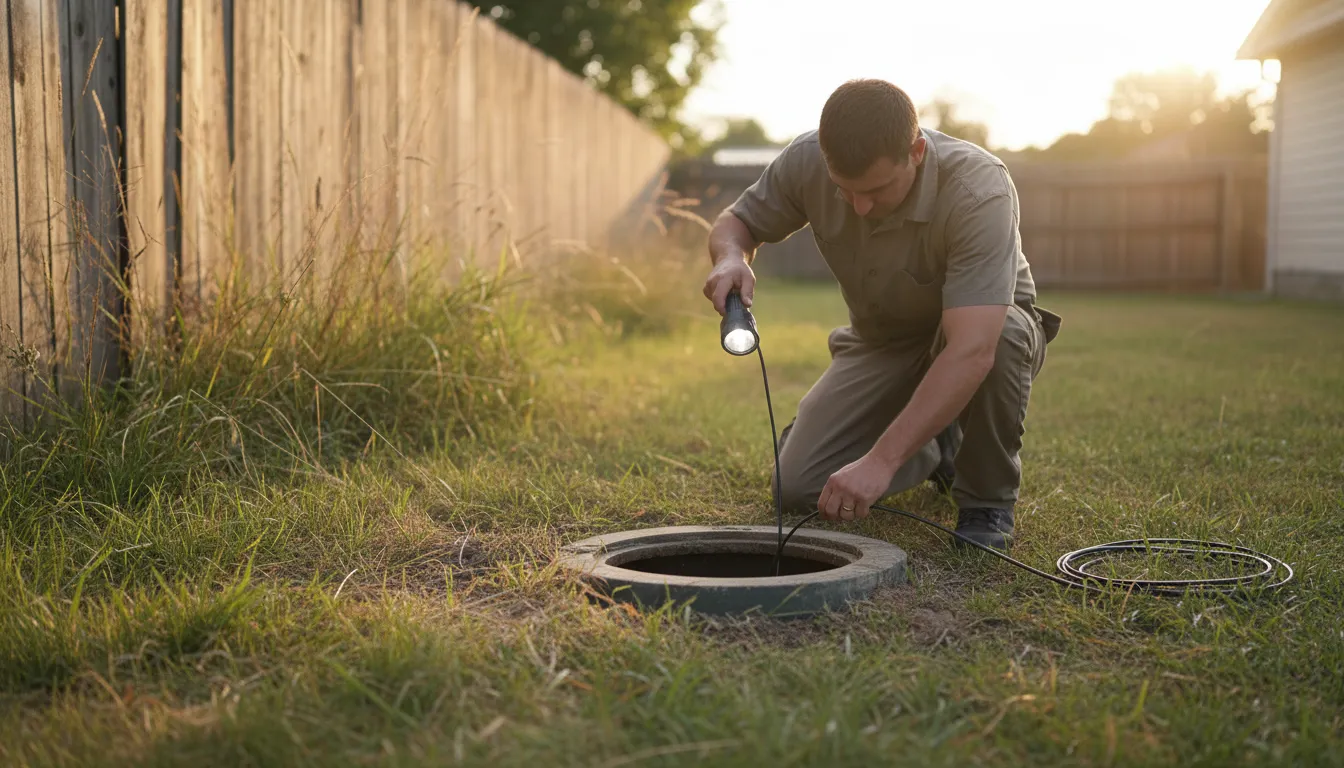
A septic tank inspection is a professional assessment of your on-site sewage system to ensure it is functioning properly and safely. This process is vital for protecting your property value, your family's health, and the local environment in Clark County. For Vancouver homeowners, regular system evaluations are not just a good idea-they are a legal requirement. This guide will help you understand the local rules, what happens during a check, and how to find qualified professionals to maintain your wastewater system.
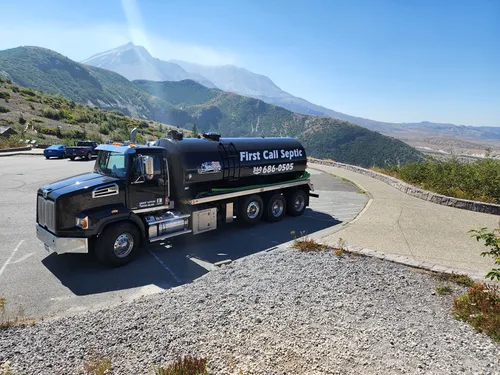
First Call Septic Service
7630 NE 219th St Suite A, Battle Ground, WA 98604
First Call Septic Service provides septic tank pumping, inspection, and cleaning services in Vancouver, WA. They serve multiple communities within Clark, Skamania, and Cowlitz counties, including Battle Ground, Camas, and Ridgefield. The company specializes in onsite sewage treatment and uses current tools and equipment to maintain septic systems effectively.
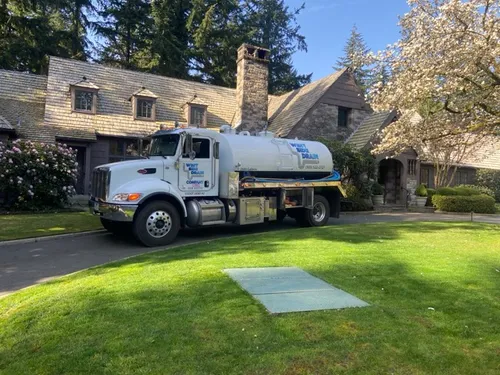
West Side Drain and Septic
Hillsboro, OR
West Side Drain and Septic is a septic tank pumping, inspection, repair, and pump replacement company serving Hillsboro, OR, and the greater Portland Metro Area. With over 16 years of experience, they provide comprehensive septic system services including 24-hour drain cleaning and emergency repairs. Their fully equipped trucks and trained technicians handle a wide range of septic and drain issues, ensuring thorough diagnosis and effective solutions. The company is family owned, licensed, and insured, with a focus on clear communication and quality workmanship.
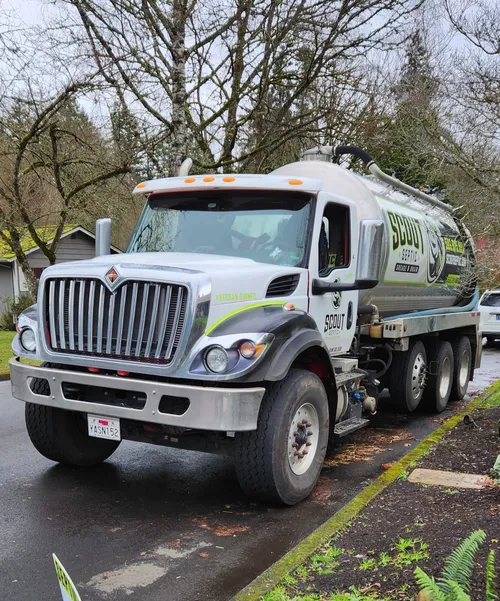
Scout Septic, Grease & Drain
15535 SE 287th Ave, Boring, OR 97009
Scout Septic, Grease & Drain provides septic tank pumping, inspection, repair, and installation services in Portland, OR. They also specialize in grease trap cleaning, pipe and drain cleaning including hydro jetting, as well as grading and excavation for residential and commercial properties. The company uses modern equipment and techniques to maintain and repair wastewater systems efficiently. Scout Septic offers 24/7 availability to address emergency needs and ensure continuous service.
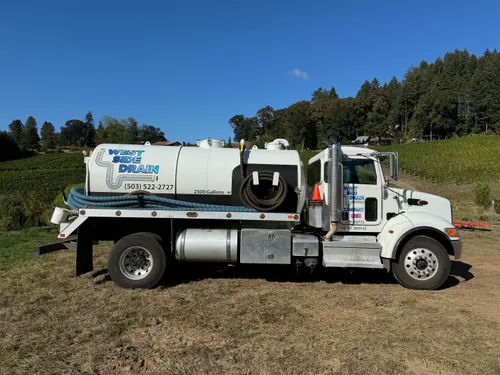
West Side Drain and Septic
9460 SW Tigard St STE 102 A, Tigard, OR 97223
West Side Drain and Septic is a septic tank pumping, inspection, and repair company serving Portland, OR, and the surrounding metro area. They provide comprehensive septic system services including maintenance, repairs, and emergency drain cleaning. The company is equipped with fully stocked service vehicles and uses advanced tools like cameras and drain scrubbing equipment to diagnose and resolve issues efficiently. With over 16 years of experience, West Side Drain and Septic offers 24-hour service to address urgent plumbing and septic needs.
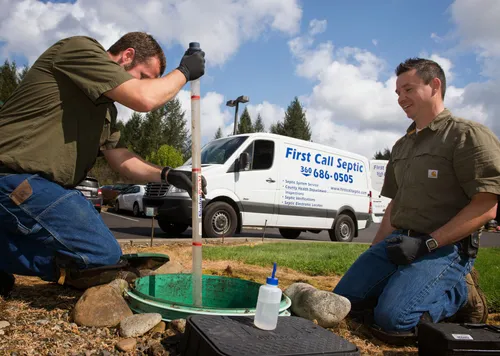
First Call Septic Services
7107 NE Vancouver Mall Dr, Vancouver, WA 98661
First Call Septic Services provides septic tank pumping, inspection, and cleaning services in Portland, OR, and surrounding areas including Vancouver, Battle Ground, and Camas. They specialize in onsite sewage treatment and use up-to-date tools and equipment to support their work. The company serves multiple counties including Clark, Skamania, and Cowlitz, focusing on a range of septic system needs.
Why Septic System Inspections Are Mandatory in Clark County
In Vancouver, Washington, maintaining your septic system is a homeowner's legal responsibility under Washington Administrative Code (WAC) chapter 246-272A and Clark County Code 24.17 1. Clark County Public Health enforces specific inspection schedules to prevent system failures, which can lead to costly repairs, groundwater contamination, and public health hazards.
The mandatory frequency for your septic system evaluation depends on its type:
- Gravity Systems: Must be inspected at least once every three years.
- Alternative Systems: This includes pressure distribution, sand filters, and mound systems, which require an annual inspection due to their mechanical components.
- Food Service Establishments: Any business connected to a septic system must have it inspected annually, regardless of the system type.
The results of these inspections must be reported directly to the Clark County Public Health department to ensure compliance. Staying on top of this schedule helps you avoid fines and ensures your system has a long, functional life.
What a Professional Septic Inspection Involves
A comprehensive septic system assessment by a licensed professional follows a detailed process to evaluate every critical component. Here's what you can expect during a typical inspection in the Vancouver area:
1. System Location & Access: The inspector will first locate all components of your system, including the tank, distribution box, and drainfield. They will then uncover and dig up the tank lids to gain access for internal examination.
2. Internal Tank Assessment: This is the core of the inspection. The professional will:
- Measure Scum and Sludge Layers: Using specialized tools, they measure the accumulation of floating scum and settled sludge at the bottom of the tank. This determines how full the tank is and if pumping is needed 2.
- Check Baffles and Tees: The inlet and outlet baffles (or tees) are inspected to ensure they are intact and secure. Damaged baffles can allow solids to escape into the drainfield, causing clogs and failures.
- Inspect the Effluent Filter: If your tank is equipped with a filter, it will be removed, cleaned, and checked for damage. A clogged filter can cause backups into your home.
3. System Function & Drainfield Evaluation: While a full inspection often focuses on the tank, the inspector will also look for signs of drainfield failure. This includes checking for surfacing sewage, overly lush grass over the field, or soggy, foul-smelling areas-all indicators of a problem 3.
4. Reporting & Recommendations: After the evaluation, the inspector will provide a detailed report of their findings. This includes the sludge/scum levels, the condition of components, and a clear recommendation on whether your tank needs to be pumped or if any repairs are necessary. This report is what you or your inspector will submit to Clark County Public Health.
Find the perfect septic tank inspection companies for your needs
Get personalized recommendations and expert advice
Understanding Inspection and Pumping Costs
The cost for a septic tank check in Vancouver typically depends on the scope of service, tank accessibility, and system type. Understanding these costs can help you budget for this essential home maintenance.
- Standard Inspection Cost: A routine septic system inspection in Southwest Washington generally ranges from $250 to $600 4. The final price can be higher if significant digging is required to locate and uncover the tank lids.
- Pumping Cost: If the inspection reveals that pumping is necessary, that service typically costs between $400 and $800 or more, depending on the tank's size (e.g., 1,000-gallon vs. 1,500-gallon) and its depth below ground 5 6 7.
- Combined Service Savings: Many homeowners choose to bundle inspection and pumping services. Since the tank must be opened for both, combining them can be more cost-effective than scheduling them separately.
- Additional Fees: Inspections for alternative systems (like mounds or pressure systems) or emergency inspections may incur higher fees due to their complexity or urgency.
When is Pumping Required? Key Guidelines
A primary goal of the inspection is to determine if your tank needs to be pumped. According to guidelines from the Clark County WSU Extension, pumping is necessary when 8:
- The sludge layer is within 12 inches of the bottom of the outlet baffle.
- The scum layer is within 3 inches of the bottom of the outlet baffle.
- A professional explicitly recommends it based on their measurements.
For an average household with a standard gravity system, pumping is often needed every 3 to 5 years, but this varies greatly based on household size and water usage 9 10. Never wait until you have a backup or a foul odor; proactive pumping based on inspection data is the best practice.
Can You Perform a DIY Inspection in Clark County?
Washington state and Clark County regulations do allow homeowners to inspect their own gravity septic systems 11. You must follow the proper procedure, accurately measure sludge and scum levels, and submit the official form to Clark County Public Health.
However, there are significant reasons to hire a professional:
- Alternative Systems: Homeowners are not authorized to inspect pressure, mound, or other alternative systems; these must be done by a certified professional 12 13 14.
- Expertise & Safety: Certified inspectors have the training, tools, and knowledge to spot subtle signs of trouble you might miss. They also understand the safety risks of working with confined spaces and hazardous gases.
- Official Documentation: A report from a licensed provider is often required for real estate transactions and carries more weight for compliance. Professionals handle the submission to the health department for you.
Choosing a Qualified Septic Service Provider in Vancouver
Selecting the right company for your septic system evaluation is crucial. Look for providers who are:
- Licensed and Certified: Ensure they are licensed by the state of Washington and certified to perform inspections in Clark County.
- Insured: Verify they carry liability insurance to protect your property.
- Experienced with Local Systems: Choose a company familiar with the soil types, regulations, and common system designs in Southwest Washington.
- Transparent: They should provide clear, upfront pricing and a detailed report of their findings.
Regular professional inspections are the most reliable way to fulfill your legal obligations, catch small issues before they become expensive disasters, and ensure the long-term health of your property and our local environment.
Frequently asked questions
Sources
Footnotes
-
Property Owners - Clark County - https://clark.wa.gov/public-health/property-owners ↩
-
Inspecting Your Septic System | Clark County | Washington State University - https://extension.wsu.edu/clark/naturalresources/smallacreageprogram/inspecting-your-septic-system/ ↩
-
Septic Tank Inspections - https://flohawks.com/septic-tank-inspections-puyallup/ ↩
-
what is septic inspection? | ProSpect Inspection Services - https://gopro-spect.com/what-is-a-septic-inspection/ ↩
-
Hiring a Septic System Professional | Washington State Department of Health - https://doh.wa.gov/community-and-environment/wastewater-management/septic-system/hiring-professional ↩
-
Septic Experts in WA: Serving King, Pierce, & Thurston Counties - https://summitsepticsewer.com/resources/service-areas/ ↩
-
How Much Are Septic Inspections? Ultimate Money-Saving Guide for 2025 - First Call Septic - https://www.firstcallseptic.com/septic-blog/how-much-are-septic-inspections ↩
-
Frequent Questions on Septic Systems | US EPA - https://www.epa.gov/septic/frequent-questions-septic-systems ↩
-
Maintaining Your Septic System - Snohomish County Health Department - https://www.snohd.org/682/Maintaining-Your-Septic-System ↩
-
About septic systems - King County - https://kingcounty.gov/en/dept/dph/health-safety/environmental-health/on-site-sewage-systems/maintaining-your-system/about ↩
-
On-site Septic Systems | Clark County - https://clark.wa.gov/public-health/site-septic-systems ↩
-
Inspecting Your Septic System | Clark County - WSU Extension - https://extension.wsu.edu/clark/naturalresources/smallacreageprogram/inspecting-your-septic-system/ ↩
-
Caring for Your Septic System | Washington State Department of Health - https://doh.wa.gov/community-and-environment/wastewater-management/septic-system/caring-your-system ↩
-
Summary of Septic System Inspection Requirements - Clallam County - https://www.clallamcountywa.gov/485/Summary-of-Septic-System-Inspection-Requ ↩