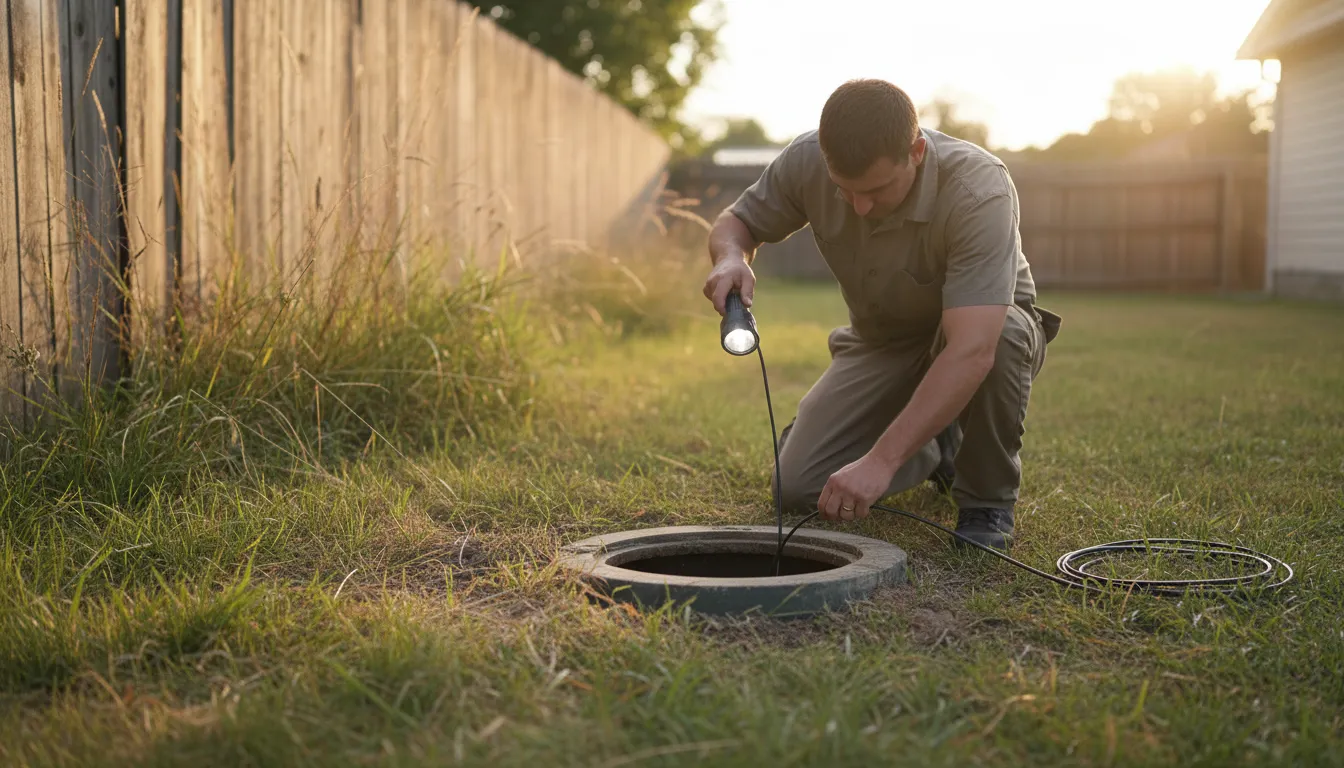
Find the Best Septic Tank Inspection Companies for Your Business
No obligation • Fast responses • Nationwide coverage

Why you can trust Septic Spot
Septic Spot is a leading United States resource for understanding and comparing septic services. Our editors review providers using consistent criteria and verify key business details. Listings and scores are independent, and companies cannot pay to influence our content.
Search providers near you
Top Septic Tank Inspection Companies in Seattle, Washington Ranked
A septic tank inspection is a critical evaluation of your onsite sewage system's health and functionality. In Seattle and King County, these assessments are not just a good idea-they are a legal requirement for most systems. Regular inspections protect your property, your health, and the local environment by identifying issues before they become costly failures or public hazards. This guide will help you understand local regulations, what the inspection process entails, and how to connect with certified professionals to ensure your system remains compliant and operational.
Titan Inspection Services - Maple Valley
Kent, WA
Titan Inspection Services - Maple Valley is a septic tank inspection company serving Kent, WA. They provide thorough home and septic inspections with detailed reports that include photos, videos, and maintenance recommendations. Their inspectors are knowledgeable and take time to explain findings clearly to clients. The company offers sewer scope inspections as part of their services. Titan Inspection Services is known for quick scheduling and fast report delivery, often within 24 hours. The team is experienced and committed to helping clients make informed decisions about their properties.
Puget Sound Septic
20222 SE 245th St, Maple Valley, WA 98038
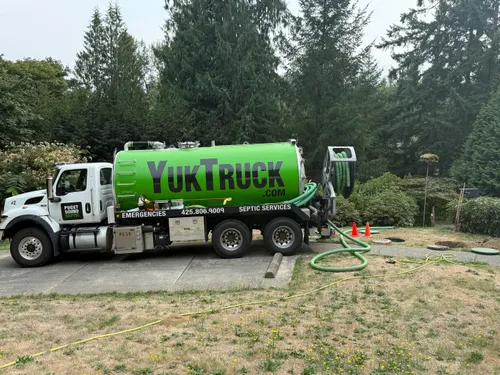
Puget Sound Septic is a septic tank pumping and inspection company serving Kent, WA. They offer septic tank cleaning using advanced technology and trained technicians to provide efficient pumping services. The company also provides video septic line inspections to help identify potential issues early. Puget Sound Septic is committed to maintaining the smooth operation of septic systems and offers services for both routine and emergency needs.
A1 Septic Service
10121 Evergreen Wy Suite 25-696, Everett, WA 98204
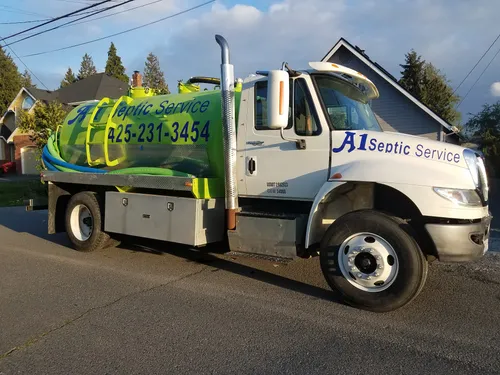
A1 Septic Service is a family-owned company based in Everett, WA, providing septic system pumping, inspection, and repair services. Serving Snohomish and King County, they cater to residential, commercial, and municipal customers with over 25 years of experience. Their capabilities include emergency septic pumping available 24/7 to address urgent needs promptly. Established in 1998, A1 Septic Service emphasizes thorough, licensed, and insured work with a commitment to customer satisfaction.
Rinehart Inspection Services
Seattle, WA
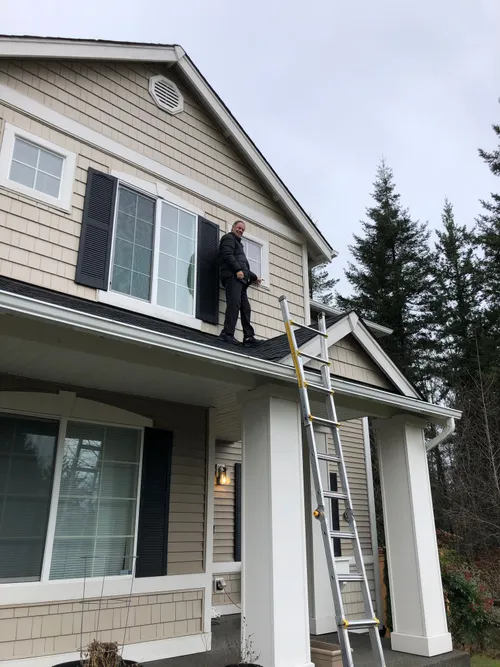
Rinehart Inspection Services is a family-owned septic tank inspection company based in Seattle, WA. They provide customized inspection and sewer scope services for residential, commercial, industrial, and multi-family properties. Their offerings include sewer scope inspections, environmental testing for mold, asbestos, and lead, as well as inspections tailored for buying, selling, renovating, or maintaining properties throughout Western Washington.
Kitsap Septic
Seattle, WA
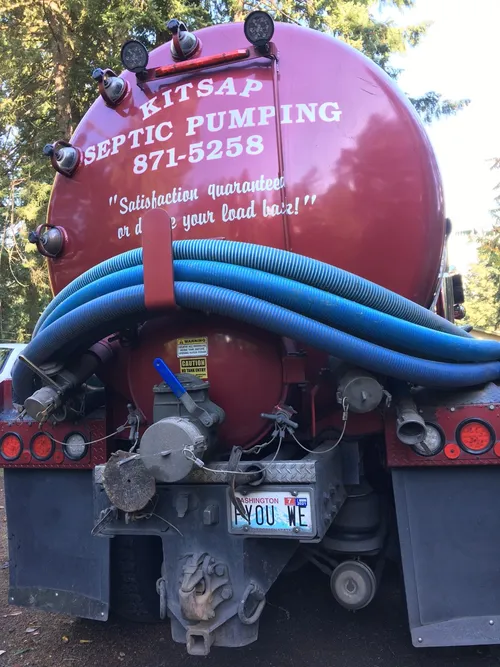
Kitsap Septic is a family-owned septic service provider based in Port Orchard, serving Seattle, WA, and the surrounding Kitsap and Mason counties. With over 30 years of experience, they offer septic tank pumping, inspections, and repairs. The company is licensed and insured, known for their distinctive maroon septic trucks and a customer-friendly approach that includes direct communication with live representatives.
Understanding Seattle and King County Septic Inspection Rules
Local regulations are managed by Public Health - Seattle & King County. The required inspection frequency is not one-size-fits-all; it depends entirely on the type and complexity of your onsite wastewater system 1.
- Gravity Systems: The most common type, which relies on gravity to move liquids. These require a professional septic system evaluation at least once every three years.
- Alternative/Pressure Systems: These include systems with pumps, mounds, or sand filters. Due to their mechanical components, they must be inspected annually 2.
- Food Service Establishments: Any property with a septic system used for a food service business is subject to mandatory annual inspections.
Following the assessment, a formal report must be submitted to the local health department to prove compliance. Failure to maintain this schedule can result in penalties.
What a Comprehensive Septic Inspection Involves
A thorough septic tank checkup is a multi-step process conducted by a certified maintenance professional. It goes far beyond just looking at the tank. Here's what you can expect during a standard inspection visit:
- System Location & Access: The inspector will first locate all system components using available records. Buried tank lids or inspection risers may need to be dug up, which can incur additional fees.
- Tank Integrity & Scum/Sludge Measurement: This is the core of the tank inspection. The inspector will open the tank to measure the layers of scum (floating solids) and sludge (settled solids). These measurements determine if the tank needs to be pumped. A key rule: if the bottom of the scum layer is within 3 inches of the outlet baffle or the sludge layer is too high, pumping is required immediately 3.
- Baffle and Tee Inspection: The inlet and outlet baffles (or tees) are crucial for preventing solids from leaving the tank and clogging the drainfield. The inspector checks that they are intact and properly secured 4.
- Component Evaluation: For systems with pumps, alarms, or electrical components, these are tested for proper operation. The inspector will also look for signs of hydraulic failure in the drainfield, such as surfacing sewage or overly soggy ground.
- Reporting: Finally, the inspector completes the official report detailing the system's condition, any necessary actions (like pumping), and submits it to the health department on your behalf.
The Cost of Septic Inspections in the Seattle Area
Pricing for a septic system assessment can vary based on the provider, system type, and property access. It's important to understand that pumping and inspection are separate services, though they are often performed together.
- Inspection Only: A standard evaluation typically ranges from $200 to $500 5.
- Inspection with Pumping: If pumping is needed or done preventatively, combined service costs usually fall between $300 and $700+, heavily influenced by tank size (e.g., 1,000-gallon vs. 1,500-gallon) 6 7.
- Additional Fees: Be prepared for potential extra charges if the inspector needs to excavate to find and uncover buried tank lids.
Remember, having your tank pumped is not a substitute for a formal inspection. Pumping removes solids but does not assess the overall health and compliance of the entire system, which is what the health department requires.
Find the perfect septic tank inspection companies for your needs
Get personalized recommendations and expert advice
DIY Inspection Options and Their Limits
King County does allow homeowners to perform their own onsite sewage system inspection under certain conditions. To qualify, you must complete a county-approved Do-It-Yourself (DIY) inspection training program 8. This option can be cost-effective for simple gravity systems. However, it comes with significant responsibility. You must correctly perform all measurement steps, understand the criteria for failure, and know how to properly file the official paperwork. For most homeowners, especially those with complex systems, hiring a certified professional is recommended to ensure accuracy and avoid compliance issues.
The Critical Link Between Inspection, Pumping, and Maintenance
Inspections dictate the pumping schedule. While the common adage is to pump every 3-5 years, your inspection report provides the definitive answer based on actual sludge and scum levels 9. Regular maintenance informed by inspections is the best way to avoid a system backup or a catastrophic drainfield failure, which can cost tens of thousands of dollars to replace.
Financial assistance is available. Organizations like Craft3 offer Clean Water Loans specifically for septic system repairs, replacements, and upgrades identified during inspections. This can make necessary compliance work more affordable.
Choosing a Qualified Septic Inspection Professional
When looking for a provider, ensure they are certified by the state of Washington and specifically recognized by Public Health - Seattle & King County to perform official inspections. Look for companies with strong local reputations, clear communication about their process, and detailed, transparent pricing. A reliable inspector will be able to explain local regulations, walk you through their findings, and handle all reporting to the county.
The Role of Inspections in Real Estate Transactions
A septic system evaluation is a non-negotiable part of most real estate transactions involving properties not connected to municipal sewer lines. In Washington, sellers are typically required to provide proof of a recent, passing inspection or have one completed as a condition of sale 10. This protects the buyer from inheriting a failing system and provides a clear baseline for future maintenance. Always ensure the inspection is conducted by a neutral third-party professional.
Frequently asked questions
Sources
Footnotes
-
On-site sewage/septic system program - King County, Washington - https://kingcounty.gov/en/dept/dph/health-safety/environmental-health/on-site-sewage-systems ↩
-
Caring for Your Septic System | Washington State Department ... - https://doh.wa.gov/community-and-environment/wastewater-management/septic-system/caring-your-system ↩
-
About septic systems - King County, Washington - https://kingcounty.gov/en/dept/dph/health-safety/environmental-health/on-site-sewage-systems/maintaining-your-system/about ↩
-
Inspecting Your Septic System | Clark County - WSU Extension - https://extension.wsu.edu/clark/naturalresources/smallacreageprogram/inspecting-your-septic-system/ ↩
-
On-site sewage/septic system inspections - King County - https://kingcounty.gov/en/dept/dph/health-safety/environmental-health/on-site-sewage-systems/maintaining-your-system/inspections ↩
-
Hiring a Septic System Professional | Washington State Department ... - https://doh.wa.gov/community-and-environment/wastewater-management/septic-system/hiring-professional ↩
-
Septic Systems | Washington State Department of Health - https://doh.wa.gov/community-and-environment/wastewater-management/septic-system ↩
-
Do-It-Yourself Septic System Inspection Field Guide - https://doh.wa.gov/sites/default/files/legacy/Documents/Pubs//337-122.pdf ↩
-
How Often Should You Pump Your Septic Tank: 3 Factors Solved - https://www.frasiers.com/blog/sewage-tank-pump-frequency/ ↩
-
What Is the Role of Septic Tank Inspection in Real Estate - https://www.houzeo.com/blog/septic-tank-inspection/ ↩