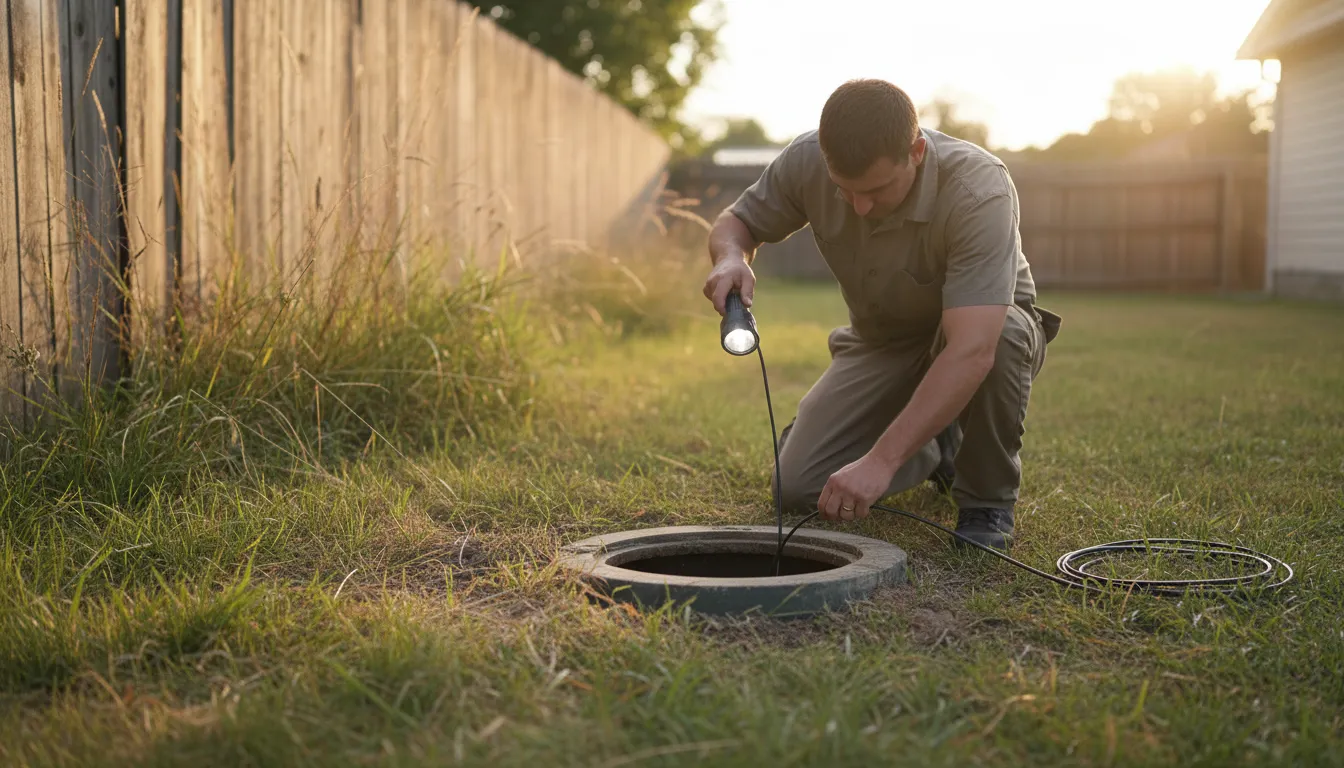
Find the Best Septic Tank Inspection Companies for Your Business
No obligation • Fast responses • Nationwide coverage

Why you can trust Septic Spot
Septic Spot is a leading United States resource for understanding and comparing septic services. Our editors review providers using consistent criteria and verify key business details. Listings and scores are independent, and companies cannot pay to influence our content.
Search providers near you
Top Septic Tank Inspection Companies in Bothell, Washington Ranked
A septic system inspection is a critical evaluation of your on-site sewage treatment system to ensure it is functioning properly and safely. In Bothell, these evaluations are not just a good idea-they are a legal requirement designed to protect public health, property value, and the local environment from contamination. This guide will help you understand the local regulations, what happens during an assessment, and how to find qualified professionals to perform this essential service for your home or business.
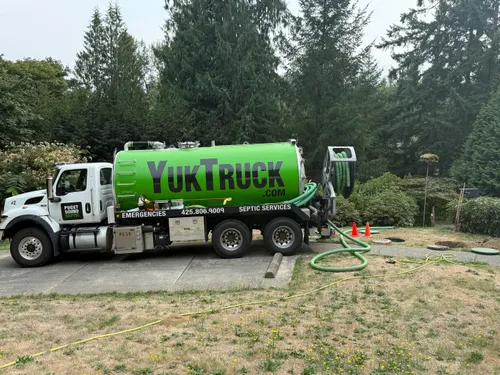
Puget Sound Septic
20222 SE 245th St, Maple Valley, WA 98038
Puget Sound Septic is a septic tank pumping and inspection company serving Kent, WA. They offer septic tank cleaning using advanced technology and trained technicians to provide efficient pumping services. The company also provides video septic line inspections to help identify potential issues early. Puget Sound Septic is committed to maintaining the smooth operation of septic systems and offers services for both routine and emergency needs.
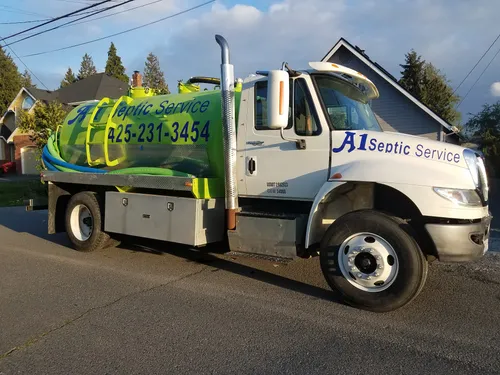
A1 Septic Service
10121 Evergreen Wy Suite 25-696, Everett, WA 98204
A1 Septic Service is a family-owned company based in Everett, WA, providing septic system pumping, inspection, and repair services. Serving Snohomish and King County, they cater to residential, commercial, and municipal customers with over 25 years of experience. Their capabilities include emergency septic pumping available 24/7 to address urgent needs promptly. Established in 1998, A1 Septic Service emphasizes thorough, licensed, and insured work with a commitment to customer satisfaction.
Rinehart Inspection Services
Seattle, WA
Rinehart Inspection Services is a family-owned septic tank inspection company based in Seattle, WA. They provide customized inspection and sewer scope services for residential, commercial, industrial, and multi-family properties. Their offerings include sewer scope inspections, environmental testing for mold, asbestos, and lead, as well as inspections tailored for buying, selling, renovating, or maintaining properties throughout Western Washington.
The Sterling Inspection Group, Inc.
Seattle, WA
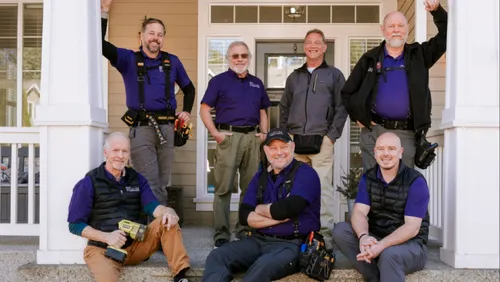
The Sterling Inspection Group, Inc. provides a range of inspection services in Seattle, WA, including septic tank inspections. They offer residential and commercial inspections covering various home systems such as plumbing, roofing, HVAC, and specialty services like sewer scope and gas leak testing. Their capabilities include detailed sewer scope inspections, which help assess the condition of septic and sewer systems.
Fresh N Clean Septic
17226 NE Woodinville Duvall Rd, Woodinville, WA 98072
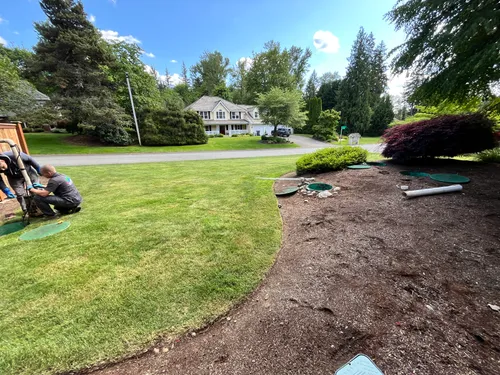
Fresh N Clean Septic provides septic tank pumping, inspection, and repair services in Seattle, WA. They serve the greater Snohomish and King Counties with eco-responsible septic solutions designed to protect both property and the environment. The company offers comprehensive septic system maintenance, including pumping, cleaning, and repairs, supported by licensed and experienced technicians. Fresh N Clean Septic also provides emergency availability to address urgent septic issues promptly.
Understanding Bothell's Septic Inspection Requirements
Bothell is uniquely situated across both King and Snohomish counties, which means your specific local health department rules depend on your property's exact address. However, both counties enforce Washington State code (WAC 246-272A-0270), mandating regular septic system inspections. The primary goal of these mandates is to catch minor issues before they become major, environmentally hazardous failures.
Failing to comply with inspection schedules can result in significant fines and may even prevent the sale of your property. More importantly, a malfunctioning system can contaminate groundwater, nearby streams like the Sammamish River, and pose serious health risks. Regular check-ups are your first line of defense.
How Often Do You Need a System Evaluation?
The required frequency of your septic tank inspection is not one-size-fits-all; it is strictly determined by the type of system installed on your property 1.
- Conventional Gravity Systems: These common systems, consisting of a tank and a gravity-fed drainfield, must be inspected at least once every three years 2.
- Alternative or Pressurized Systems: If your system includes mechanical components like pumps, sand filters, mound systems, or aerobic treatment units (ATUs), it requires a more frequent annual inspection 3.
- Property Transfer (Sale): In King County, a full inspection and monitoring report by a licensed professional is required before any title transfer 4. Snohomish County is also moving toward requiring all systems to be inspected at the time of property sale or deed transfer 5.
- Food Service Establishments: Any septic system serving a restaurant or similar commercial food service facility must be inspected every year6 7.
What Does a Professional Inspection Involve?
A complete septic system assessment is a thorough process conducted by a licensed professional. For conventional systems, homeowners can also become certified to perform their own inspections in some cases. The standard procedures include:
- Locating System Components: The inspector will find and identify the septic tank, its access lids, and the drainfield, often using county "as-built" records.
- Uncovering Access Ports: The inlet and outlet tank covers are removed to allow visual inspection of the interior.
- Measuring Scum and Sludge: A specialized tool is used to measure the thickness of the floating scum layer and the settled sludge layer at the tank's bottom. These measurements are crucial for determining if pumping is needed.
- Inspecting Baffles: The condition of the inlet and outlet baffles (or tees) is checked to ensure they are intact and not clogged, as they are vital for preventing solids from leaving the tank.
- Checking for Leaks: The inspector looks for signs of cracks in the tank or abnormal liquid levels that indicate the structure is failing to hold wastewater 8.
- Evaluating the Drainfield: The soil absorption area is examined for warning signs like unpleasant odors, soggy ground, or surfacing sewage, which indicate potential failure.
- Functional Testing: Liquid levels and flow are observed to confirm the system is processing and discharging effluent as designed 9.
- Report Filing: All findings are recorded on an official checklist, and the report is submitted to the appropriate local health jurisdiction (King or Snohomish County) to maintain your compliance record 10.
Find the perfect septic tank inspection companies for your needs
Get personalized recommendations and expert advice
The Relationship Between Inspections and Pumping
A common point of confusion is that an inspection always includes pumping. This is not the case. Pumping is a separate, periodic maintenance task, while an inspection is an evaluation of system health. Pumping is typically recommended every 3 to 5 years, but the inspection itself provides the data to determine the optimal timing 11.
Based on inspection measurements, pumping is generally necessary if 12 13:
- The bottom of the scum layer is within 3 inches of the bottom of the outlet baffle.
- The top of the sludge layer is within 12 inches of the bottom of the outlet fitting.
- The combined sludge and scum occupy one-third or more of the tank's liquid volume.
Scheduling an inspection allows you to pump on a needed basis, rather than on a guess, saving you money and ensuring your system runs efficiently.
Understanding Costs for Septic Services in Bothell
Costs for septic system evaluations in the Bothell area can vary based on your system's complexity, size, and accessibility. A key factor that can add cost is if your septic tank lids are buried and require excavation. Many companies charge additional "dig fees" unless the homeowner uncovers the access ports before the professional arrives.
Here is a general overview of service types and estimated costs based on local data 14:
| Service Type | Estimated Cost Range | Typical Frequency |
|---|---|---|
| Professional System Inspection | $300 - $900 | Every 1-3 years |
| Septic Tank Pumping | Varies by tank size (e.g., 1,000-1,500 gallons) | Every 3-5 years (as needed) |
| DIY Certification Workshop | Often low-cost or free | Certification valid for several years |
Maintaining System Health Between Inspections
Your role in maintaining your septic system doesn't end with a passing inspection report. Proper daily care extends the life of your system and helps avoid emergencies. Key practices include:
- Conserve Water: Spread out laundry loads and fix leaky faucets to avoid hydraulically overloading the drainfield.
- Mind What You Flush: Only human waste and toilet paper should go down the drain. Avoid flushing wipes (even "flushable" ones), feminine hygiene products, cooking grease, and chemicals.
- Protect the Drainfield: Never park vehicles or build structures over the drainfield. Keep roof drains, sump pumps, and other surface water away from the area.
- Keep Records: Maintain a file of all inspection reports, pumping receipts, and system diagrams ("as-builts") for future reference and property sales.
Finding a Qualified Septic Inspector
When it's time for your mandatory evaluation, choosing a qualified professional is essential. Look for a provider licensed by the Washington State Department of Labor & Industries and specifically experienced with the regulations of either King or Snohomish County. They should be able to clearly explain the inspection process, provide a detailed cost estimate, and guarantee they will file the official report with the health department on your behalf. Checking reviews and asking for references from neighbors can also lead you to a reliable local expert.
Frequently asked questions
Sources
Footnotes
-
Caring for Your Septic System | Washington State Department ... - https://doh.wa.gov/community-and-environment/wastewater-management/septic-system/caring-your-system ↩
-
On-site sewage/septic system inspections - King County, Washington - https://kingcounty.gov/en/dept/dph/health-safety/environmental-health/on-site-sewage-systems/maintaining-your-system/inspections ↩
-
On-site sewage/septic system inspections - King County - https://kingcounty.gov/en/dept/dph/health-safety/environmental-health/on-site-sewage-systems/maintaining-your-system/inspections ↩
-
Sales and transfers of properties with on-site sewage/septic ... - https://kingcounty.gov/en/dept/dph/health-safety/environmental-health/on-site-sewage-systems/sales-transfers ↩
-
PTI Program Handout - Snohomish County Health Department - https://www.snohd.org/DocumentCenter/View/15503/PTI-Proposed-Program-Handout_V3 ↩
-
Summary of Septic System Inspection Requirements - Clallam County - https://www.clallamcountywa.gov/485/Summary-of-Septic-System-Inspection-Requ ↩
-
Septic FAQs | Snohomish County Health Department, WA - https://www.snohd.org/690/Septic-FAQs ↩
-
Do-It-Yourself Septic System Inspection Field Guide - https://doh.wa.gov/sites/default/files/legacy/Documents/Pubs//337-122.pdf ↩
-
Navigating New Septic Regulations: Stay Compliant - Blog - https://danosseptic.com/blog/navigating-new-septic-regulations-stay-compliant/ ↩
-
Maintaining Your Septic System | Clallam County, WA - https://www.clallamcountywa.gov/506/Maintaining-Your-Septic-System ↩
-
Septic Systems - Bothell WA - https://www.bothellwa.gov/578/Septic-Systems?PREVIEW=YES ↩
-
About septic systems - King County, Washington - https://kingcounty.gov/en/dept/dph/health-safety/environmental-health/on-site-sewage-systems/maintaining-your-system/about ↩
-
Frequent Questions on Septic Systems | US EPA - https://www.epa.gov/septic/frequent-questions-septic-systems ↩
-
Do You Need a Septic Inspection Before Selling Your House ... - https://pugetsoundseptic.com/system-inspection/do-i-need-a-home-sale-inspection/ ↩