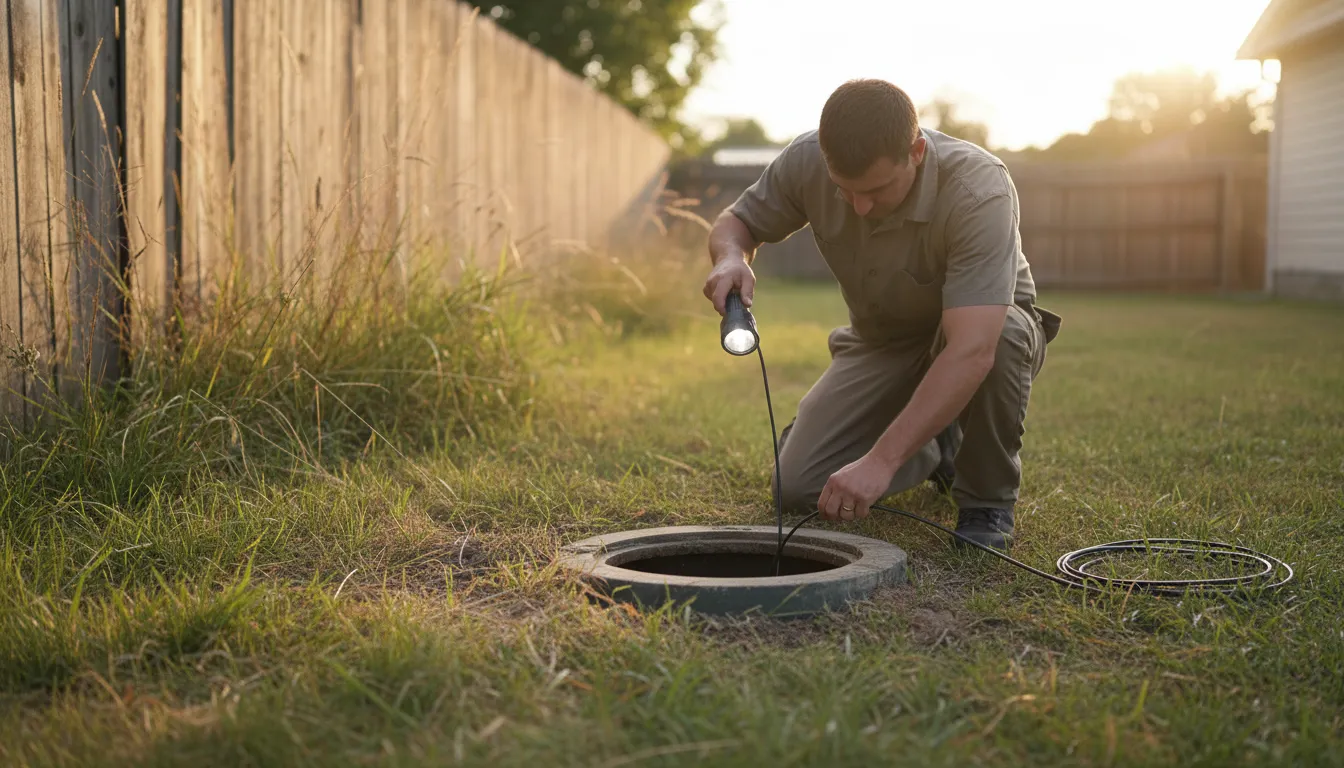
Find the Best Septic Tank Inspection Companies for Your Business
No obligation • Fast responses • Nationwide coverage

Why you can trust Septic Spot
Septic Spot is a leading United States resource for understanding and comparing septic services. Our editors review providers using consistent criteria and verify key business details. Listings and scores are independent, and companies cannot pay to influence our content.
Search providers near you
Top Septic Tank Inspection Companies in Bremerton, Washington Ranked
A septic system inspection is a critical evaluation of your on-site wastewater treatment system to ensure it is functioning properly and safely. In Bremerton, these assessments are not just a good idea-they are a regulatory requirement enforced by the Kitsap Public Health District to protect public health and the local environment. A thorough septic evaluation checks for potential failures, determines if pumping is needed, and verifies compliance with local codes. This guide will help you understand the process, local rules, and how to connect with qualified professionals for your system check.
Titan Inspection Services - Maple Valley
Kent, WA
Titan Inspection Services - Maple Valley is a septic tank inspection company serving Kent, WA. They provide thorough home and septic inspections with detailed reports that include photos, videos, and maintenance recommendations. Their inspectors are knowledgeable and take time to explain findings clearly to clients. The company offers sewer scope inspections as part of their services. Titan Inspection Services is known for quick scheduling and fast report delivery, often within 24 hours. The team is experienced and committed to helping clients make informed decisions about their properties.
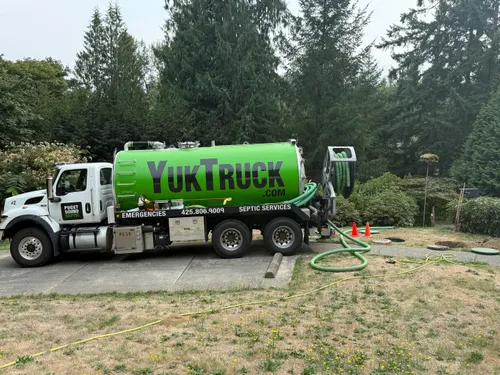
Puget Sound Septic
20222 SE 245th St, Maple Valley, WA 98038
Puget Sound Septic is a septic tank pumping and inspection company serving Kent, WA. They offer septic tank cleaning using advanced technology and trained technicians to provide efficient pumping services. The company also provides video septic line inspections to help identify potential issues early. Puget Sound Septic is committed to maintaining the smooth operation of septic systems and offers services for both routine and emergency needs.
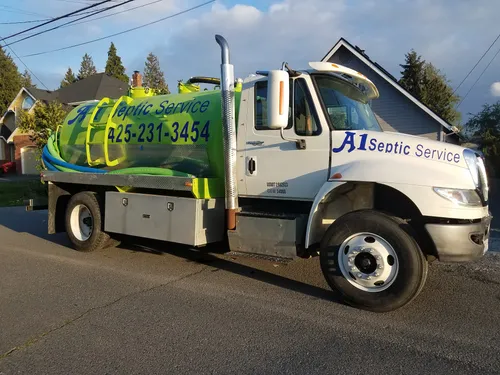
A1 Septic Service
10121 Evergreen Wy Suite 25-696, Everett, WA 98204
A1 Septic Service is a family-owned company based in Everett, WA, providing septic system pumping, inspection, and repair services. Serving Snohomish and King County, they cater to residential, commercial, and municipal customers with over 25 years of experience. Their capabilities include emergency septic pumping available 24/7 to address urgent needs promptly. Established in 1998, A1 Septic Service emphasizes thorough, licensed, and insured work with a commitment to customer satisfaction.
The Sterling Inspection Group, Inc.
Seattle, WA
The Sterling Inspection Group, Inc. provides a range of inspection services in Seattle, WA, including septic tank inspections. They offer residential and commercial inspections covering various home systems such as plumbing, roofing, HVAC, and specialty services like sewer scope and gas leak testing. Their capabilities include detailed sewer scope inspections, which help assess the condition of septic and sewer systems.
Fresh N Clean Septic
17226 NE Woodinville Duvall Rd, Woodinville, WA 98072
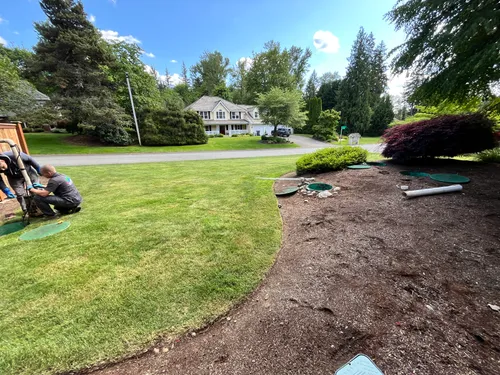
Fresh N Clean Septic provides septic tank pumping, inspection, and repair services in Seattle, WA. They serve the greater Snohomish and King Counties with eco-responsible septic solutions designed to protect both property and the environment. The company offers comprehensive septic system maintenance, including pumping, cleaning, and repairs, supported by licensed and experienced technicians. Fresh N Clean Septic also provides emergency availability to address urgent septic issues promptly.
Why Septic Inspections Are Mandatory in Kitsap County
Local health regulations mandate regular septic system inspections to prevent groundwater contamination and costly environmental damage. The Kitsap Public Health District sets specific schedules based on your system's design 1. For most conventional gravity-fed systems, an inspection is required at least once every three years. However, if you have a more complex system-such as a pressure distribution system, mound, or aerobic treatment unit (ATU)-the rules are stricter, requiring an annual inspection 2. Furthermore, a certified inspection is almost always required during a real estate transaction before a property sale can close, providing essential information to both buyer and seller 3.
Failing to comply with these inspection schedules can lead to significant problems. Beyond potential fines from the health department, an unchecked system can fail silently. This can result in sewage backing up into your home, foul odors in your yard, or untreated wastewater surfacing and contaminating soil and nearby water sources. Regular inspections are your first line of defense, identifying minor issues before they become major, expensive repairs or public health hazards 4.
What a Professional Septic Inspection Involves
A comprehensive septic system assessment, often performed by a licensed septic service provider, follows a detailed process to evaluate every component. It's more than just looking at the tank; it's a full system diagnostic.
Initial Site Evaluation & Locating: The inspector will first work to locate all components of your system, including the septic tank, distribution box, and drainfield. Accurate location is crucial, especially if records are lost or outdated.
Tank Access & Interior Inspection: Once the tank is located and accessed via risers or by excavation, the inspector will open the lids. A core part of the inspection is measuring the levels of sludge (settled solids) and scum (floating fats and greases). These measurements determine if the tank needs to be pumped to maintain proper function and prevent solids from flowing into the drainfield.
Component Integrity Check: The inspector will examine the tank's structural integrity for cracks, leaks, or signs of corrosion. They will also check the inlet and outlet baffles (or tees) to ensure they are intact and functioning correctly; damaged baffles can allow solids to escape 5. The condition of access risers and lids for safety is also noted.
Mechanical & Electrical System Testing: For systems with pumps, floats, siphons, or aerobic treatment units, the inspector will test all electrical and mechanical components. This includes verifying that pumps activate correctly, alarm systems are operational, and the aerobic unit is properly aerating.
Drainfield Observation: Finally, the inspector will assess the drainfield area for any signs of failure. This includes looking for soggy ground, surfacing effluent, or unusually lush vegetation, which can indicate that the soil is no longer properly absorbing and treating the wastewater 6 7.
Find the perfect septic tank inspection companies for your needs
Get personalized recommendations and expert advice
Understanding Costs: Inspection and Related Services
The cost for a septic inspection in Bremerton varies based on the system's complexity and what services are included. It's important to get detailed quotes from providers, as pricing can differ.
- Inspection-Only Service: A standard visual and operational inspection for a gravity system typically ranges from $200 to $400. This fee covers the inspector's time, report generation, and submission of compliance paperwork to the health district 8.
- Septic Tank Pumping: If the inspection reveals that pumping is needed, this service is usually billed separately. Pumping a standard residential tank in the area generally costs between $300 and $600, depending on tank size and accessibility.
- Combined Inspection & Pumping: Many homeowners opt to schedule an inspection concurrently with a routine pumping. Providers often offer a bundled price for this combined service, which can range from approximately $500 to $800 or more, providing both maintenance and compliance verification in one visit 9 10.
The Homeowner Inspection Option in Washington State
Washington State offers a unique provision for proactive homeowners. The Kitsap Public Health District allows property owners to perform their own septic system inspections, provided they complete the state-approved "Septics 201" training course. This program educates homeowners on the proper inspection techniques, how to measure sludge and scum layers, and how to file the official inspection report with the local health department.
This can be a cost-effective way for knowledgeable homeowners to meet the triennial inspection requirement for a gravity system. However, it's important to be realistic about your comfort level. Self-inspections are not permitted for the more frequent annual inspections required for complex systems, and a certified professional inspection is still mandatory for real estate transactions 11. For many, the expertise and thoroughness of a licensed inspector provide greater peace of mind.
Choosing a Qualified Septic Inspection Provider
Not all septic service companies are equal. When selecting a provider for your system evaluation, consider the following:
- Licensing and Certification: Ensure the company is licensed to operate in Washington State and that its inspectors are certified. They should be familiar with Kitsap Public Health District's specific reporting forms and online submission portal.
- Scope of Service: Clarify exactly what the inspection includes. Does the quoted price cover locating the system, full component checks, and a detailed report? Ask if camera scoping of lines or a hydraulic load test on the drainfield is available or recommended for older systems.
- Experience with Local Systems: Bremerton's varied terrain means septic systems can be challenging. Choose a company with extensive local experience inspecting gravity systems, pressure systems, and alternative technologies common in the area.
- Detailed Reporting: A good inspector will provide a clear, written report detailing their findings, any necessary actions (like pumping or repairs), and proof of compliance submission. This document is vital for your records and for any future property sale.
Staying proactive with your septic system inspection is a key responsibility of homeownership in Bremerton. It safeguards your investment, protects the beautiful local environment of the Kitsap Peninsula, and ensures you remain in compliance with health regulations.
Frequently asked questions
Sources
Footnotes
-
On-Site Sewage Program - https://www.sanjuancountywa.gov/436/On-Site-Sewage-Program ↩
-
Caring for Your Septic System | Washington State Department ... - https://doh.wa.gov/community-and-environment/wastewater-management/septic-system/caring-your-system ↩
-
Kentucky Septic Tank Requirements | Complete Overview Guide - https://www.ntotank.com/blog/kentucky-septic-tank-requirements ↩
-
what is septic inspection? | ProSpect Inspection Services - https://gopro-spect.com/what-is-a-septic-inspection/ ↩
-
Septic Inspections - Drain Pro Plumbing - https://drainproplumbing.net/septic-inspections ↩
-
Frequent Questions on Septic Systems | US EPA - https://www.epa.gov/septic/frequent-questions-septic-systems ↩
-
Do-It-Yourself Septic System Inspection Field Guide - https://doh.wa.gov/sites/default/files/legacy/Documents/Pubs/337-121.pdf ↩
-
Navigating New Septic Regulations: Stay Compliant - Blog - https://danosseptic.com/blog/navigating-new-septic-regulations-stay-compliant/ ↩
-
Septic Installation Guide: Complete Setup Process | Bremerton - https://septicrepairservice.com/2025/07/a-step-by-step-guide-to-septic-installation-in-bremerton/ ↩
-
How Often Should You Pump Your Septic Tank: 3 Factors Solved - https://www.frasiers.com/blog/sewage-tank-pump-frequency/ ↩
-
Summary of Septic System Inspection Requirements - https://www.clallamcountywa.gov/485/Summary-of-Septic-System-Inspection-Requ ↩