Find the Best Septic Tank Inspection Companies for Your Business
No obligation • Fast responses • Nationwide coverage

Why you can trust Septic Spot
Septic Spot is a leading United States resource for understanding and comparing septic services. Our editors review providers using consistent criteria and verify key business details. Listings and scores are independent, and companies cannot pay to influence our content.
Search providers near you
Top Septic Tank Inspection Companies in Lakewood, Washington Ranked
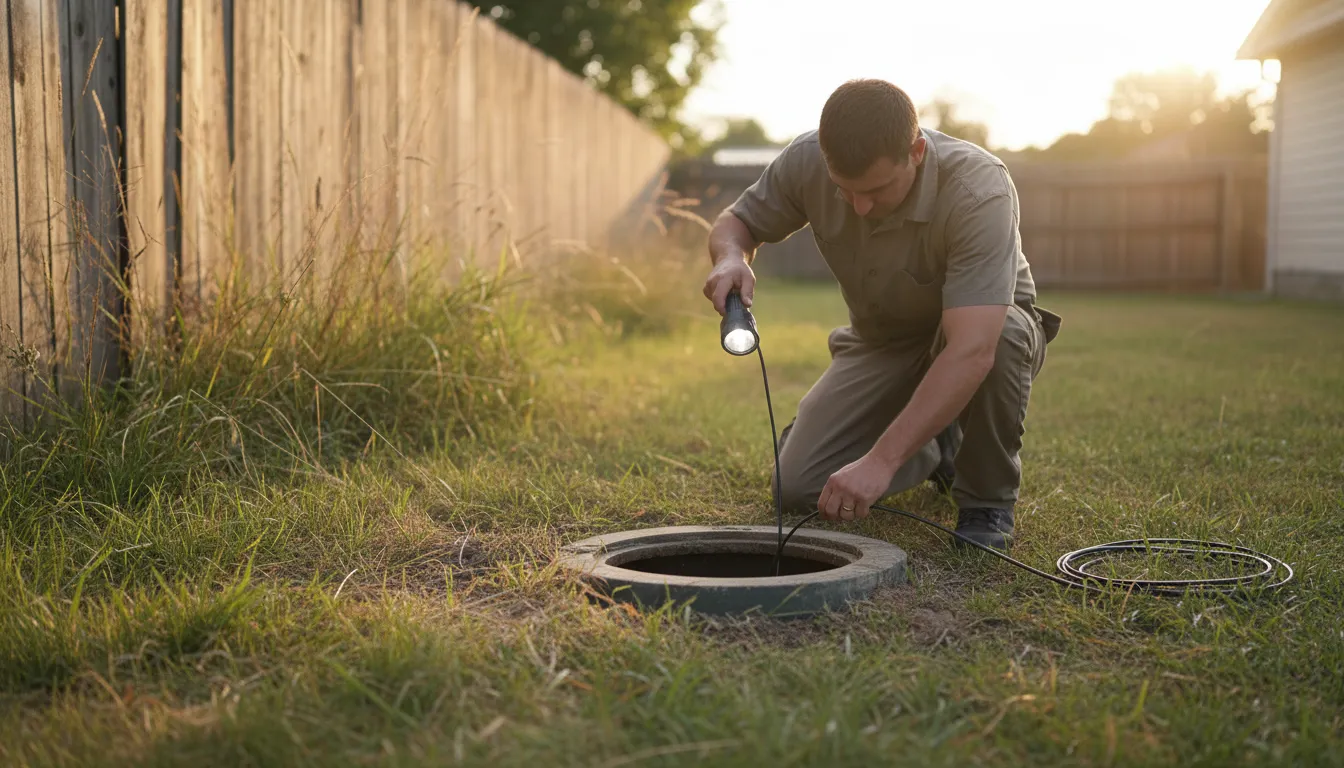
A septic system inspection is a professional evaluation of your on-site sewage treatment system's components and overall health. In Washington state, these inspections are not just a good idea-they are a legal requirement designed to protect public health and the environment. Regular check-ups help identify minor issues before they become costly failures, safeguarding your property value and local waterways. This guide will help you understand Washington's specific rules, what happens during an inspection, and how to connect with qualified local professionals to ensure your system remains compliant and functional.
Titan Inspection Services - Maple Valley
Kent, WA
Titan Inspection Services - Maple Valley is a septic tank inspection company serving Kent, WA. They provide thorough home and septic inspections with detailed reports that include photos, videos, and maintenance recommendations. Their inspectors are knowledgeable and take time to explain findings clearly to clients. The company offers sewer scope inspections as part of their services. Titan Inspection Services is known for quick scheduling and fast report delivery, often within 24 hours. The team is experienced and committed to helping clients make informed decisions about their properties.
Puget Sound Septic
20222 SE 245th St, Maple Valley, WA 98038
Puget Sound Septic is a septic tank pumping and inspection company serving Kent, WA. They offer septic tank cleaning using advanced technology and trained technicians to provide efficient pumping services. The company also provides video septic line inspections to help identify potential issues early. Puget Sound Septic is committed to maintaining the smooth operation of septic systems and offers services for both routine and emergency needs.
The Sterling Inspection Group, Inc.
Seattle, WA
The Sterling Inspection Group, Inc. provides a range of inspection services in Seattle, WA, including septic tank inspections. They offer residential and commercial inspections covering various home systems such as plumbing, roofing, HVAC, and specialty services like sewer scope and gas leak testing. Their capabilities include detailed sewer scope inspections, which help assess the condition of septic and sewer systems.
Sterling Septic & Plumbing LLC
11920 58 Ave E, Puyallup, WA 98373
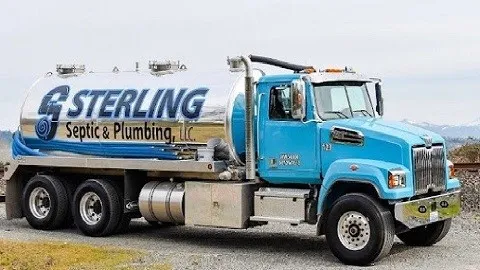
Sterling Septic & Plumbing LLC provides septic tank pumping, inspections, and repair services in Tacoma, WA. They serve homeowners and realtors across Pierce, King, and Thurston counties. The company offers same-day service and specializes in septic system maintenance and repairs.
Lilly's Septic Service
26207 Maple Valley Black Diamond Rd SE Ste D1, Maple Valley, WA 98038
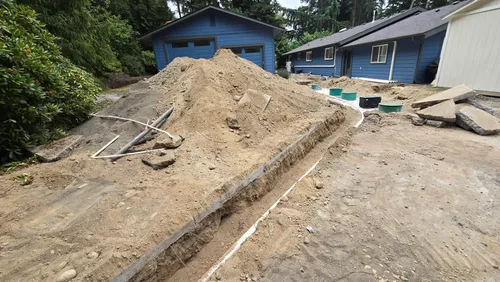
Lilly's Septic Service is a septic tank pumping, inspection, repair, and installation company based in Kent, WA. Serving King County and the Puget Sound region, they offer comprehensive septic system services including certified installations and thorough inspections. With over 48 years of experience, Lilly's Septic Service provides expertise in maintaining safe and efficient septic systems for both homes and businesses.
Why Septic Inspections Are Mandatory in Washington
Washington state law requires regular inspections of all on-site sewage systems (OSS). The primary goal is environmental protection. A failing septic system can contaminate groundwater, streams, and Puget Sound with harmful bacteria and nutrients, posing risks to human health and aquatic life. The state delegates enforcement to local county health departments, which have the authority to set and monitor compliance.
For homeowners, an inspection is a critical maintenance tool. It provides a clear snapshot of your system's condition, offering peace of mind and helping you budget for any necessary repairs. During a real estate transaction, a clean inspection report can be a significant asset, while a failing one can complicate a sale. Proactive maintenance through regular inspections is almost always less expensive than emergency repairs or a full system replacement.
Washington State Inspection Frequency Requirements
How often you need an inspection depends entirely on the type of septic system you have. The state sets minimum standards, but your local health jurisdiction may have stricter rules, so always check with your county.
- Gravity Systems: These conventional systems require an inspection every 3 years.
- Pressure Distribution or Mound Systems: These systems, which use a pump to distribute effluent, must be inspected every year 1.
- Alternative/Experimental Systems (ATUs, Drip Irrigation): Advanced treatment units (ATUs) and other complex systems have the most frequent requirement, needing inspection every 6 months to annually 2.
- Systems Serving Food Service Establishments: Any system serving a restaurant or similar business requires an annual inspection 3.
It is the property owner's responsibility to know their system type and ensure inspections are completed on schedule and reported to the local health department.
The Septic Inspection Process: What to Expect
A professional septic system evaluation is thorough and follows a standard process. While costs can vary based on system complexity and location, the average price for a standard inspection in Washington is around $550, with a typical range of $200 to $900 4 5.
A comprehensive inspection includes:
- Record Review & Site Evaluation: The inspector will review your system's "as-built" design and permit records, then locate and uncover the tank and drainfield access points.
- Tank Inspection: The inspector checks the inlet and outlet baffles for integrity, measures the levels of scum (top layer) and sludge (bottom layer) to determine if pumping is needed, and looks for cracks, leaks, or signs of surface breakout.
- Component Check: For systems with pumps, electrical panels, alarms, or dosing tanks, these components are tested for proper operation.
- Drainfield Assessment: Inspectors look for signs of failure, such as soggy ground, surfacing sewage, or overly lush vegetation over the drainfield area.
- Reporting: You will receive a detailed report of the findings. If the system passes, this report is often submitted directly to the health department by the inspector. If repairs are needed, the report will outline the necessary actions.
Homeowner Responsibilities and Key Rules
Understanding your legal duties is crucial for septic system ownership in Washington.
- Inspection Compliance: You must ensure inspections are performed by a state-certified professional or by you as a homeowner after completing a state-approved training course.
- Reporting: Inspection reports must be sent to your local health jurisdiction to maintain compliance records 6.
- Repairs and Permits: Any repair, alteration, or expansion of your septic system requires a permit from your local health department before work begins 7. Never hire a contractor who suggests skipping this step.
- Property Transfer Inspections: Many Washington counties require a current inspection report as a condition of home sale. Even if not mandated, a pre-sale inspection is highly recommended for both buyers and sellers.
- Local Authority: Always confirm rules with your local health department, as county-specific requirements can be more stringent than state minimums 8.
Find the perfect septic tank inspection companies for your needs
Get personalized recommendations and expert advice
Finding a Qualified Inspector in Washington
You must hire a professional certified by the Washington State Department of Health or be a trained homeowner to perform the inspection yourself. The best starting point is your local county health department. They maintain lists of certified septic pumpers and inspectors in your area. You can also seek recommendations from neighbors or real estate professionals. When contacting providers, ask for proof of state certification, request a detailed outline of their inspection process, and obtain a written estimate.
The Role of the Washington Department of Health
The Washington State Department of Health (DOH) provides the overarching framework for septic system management. Their website is an excellent resource for homeowners, offering guidelines on system care, explaining regulations, and providing access to the "Do-It-Yourself Septic System Inspection Field Guide" for trained homeowners 9 10. The DOH also approves training programs for homeowners who wish to perform their own inspections, which can be a cost-effective option for those comfortable with the responsibility 9.
Consequences of Non-Compliance
Failing to maintain and inspect your septic system can lead to significant problems. Environmentally, a failing system is a source of pollution. Financially, you may face enforcement actions from your local health department, including fines and mandatory repair orders. If your system fails and contaminates water sources, you could be liable for cleanup costs. Furthermore, an uninspected or failing system can drastically reduce your property's marketability and value 11 12.
Planning for Maintenance and Repair Costs
Beyond the inspection fee, homeowners should budget for routine pumping (typically needed every 3-5 years) and potential repairs. The inspection itself will tell you if pumping is imminent. Setting aside funds for septic maintenance is a wise part of homeownership. Remember, investing in minor repairs identified during an inspection is far more economical than dealing with a catastrophic drainfield failure, which can cost tens of thousands of dollars to replace.
Frequently asked questions
Sources
Footnotes
-
Maintaining Your Septic System - https://www.snohd.org/682/Maintaining-Your-Septic-System ↩
-
On-Site Septic Operations and Maintenance - https://srhd.org/programs-and-services/oss/on-site-septic-operations-and-maintenance ↩
-
On-site sewage/septic system inspections - King County, Washington - https://kingcounty.gov/en/dept/dph/health-safety/environmental-health/on-site-sewage-systems/maintaining-your-system/inspections ↩
-
How Much Does a Septic Inspection Cost? [2026 Data] - Angie's List - https://www.angi.com/articles/septic-inspection-cost.htm ↩
-
WA Septic System Rules Buyers Need to Know (2025-2026 Guide) - https://www.lanifisherhomesblogs.com/blog/wa-septic-system-rules-buyers-need-to-know-20252026-guide ↩
-
Summary of Septic System Inspection Requirements - https://www.clallamcountywa.gov/485/Summary-of-Septic-System-Inspection-Requ ↩
-
NJ Septic Regulations for 2026: Inspections, Permits & Rules - https://www.atsenvironmental.com/blog/nj-septic-regulations-for-2026/ ↩
-
Caring for Your Septic System | Washington State Department of ... - https://doh.wa.gov/community-and-environment/wastewater-management/septic-system/caring-your-system ↩
-
Do-It-Yourself Septic System Inspection Field Guide - https://doh.wa.gov/sites/default/files/legacy/Documents/Pubs//337-122.pdf ↩ ↩2
-
Septic Systems | Washington State Department of Health - https://doh.wa.gov/community-and-environment/wastewater-management/septic-system ↩
-
Washington State Septic Law - https://septicnow.com/washington-state-septic-law/ ↩
-
How Septic System Rating Affects Home Value In Seattle Area - https://www.themadronagroup.com/how-septic-system-rating-affects-home-value-in-seattle/ ↩