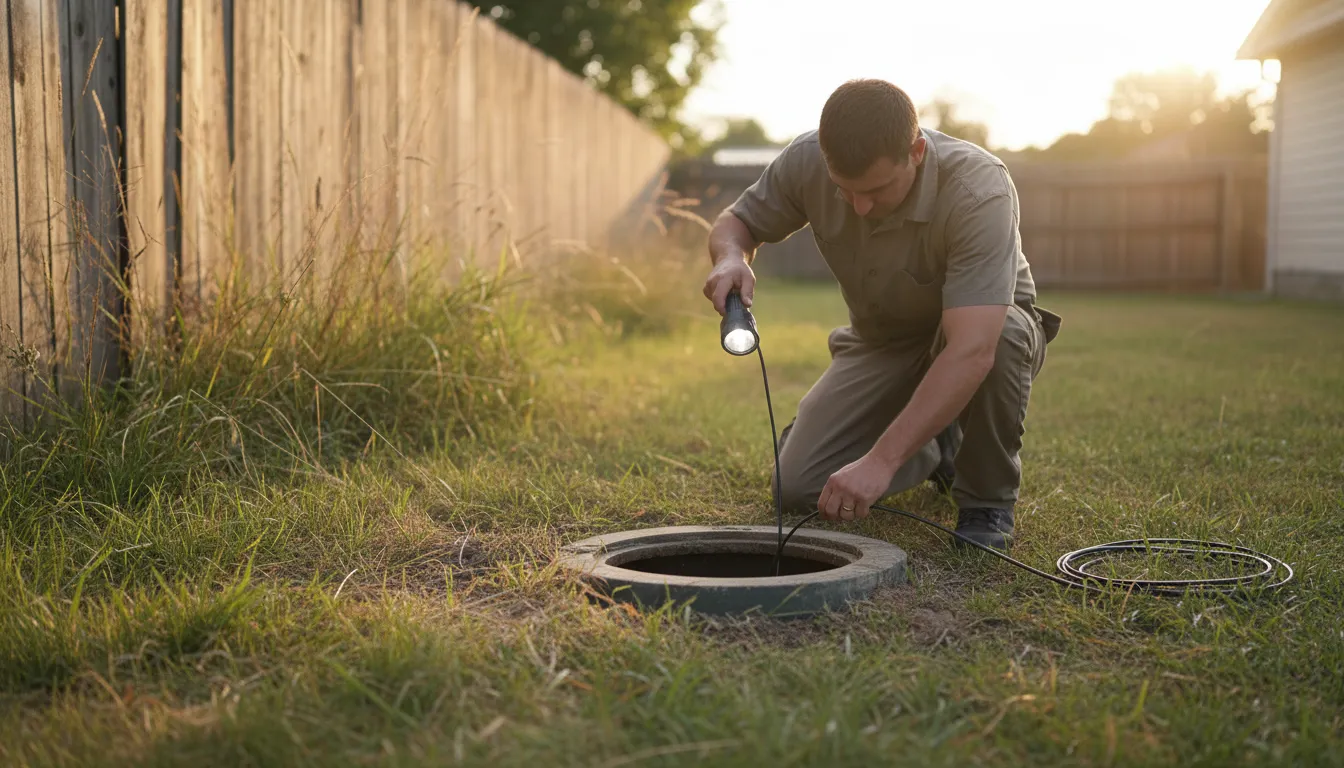
Find the Best Septic Tank Inspection Companies for Your Business
No obligation • Fast responses • Nationwide coverage

Why you can trust Septic Spot
Septic Spot is a leading United States resource for understanding and comparing septic services. Our editors review providers using consistent criteria and verify key business details. Listings and scores are independent, and companies cannot pay to influence our content.
Search providers near you
Top Septic Tank Inspection Companies in Spokane Valley, Washington Ranked
A septic system inspection is a critical evaluation of your on-site sewage treatment system to ensure it's functioning safely and legally. In Spokane Valley, these inspections are not just a good idea-they are a legal requirement mandated by the Spokane Regional Health District (SRHD). Regular system checks protect your property value, prevent environmental contamination, and help you avoid costly emergency repairs. This guide will help you understand the local rules, what happens during an inspection, and how to connect with certified professionals to maintain compliance and peace of mind.
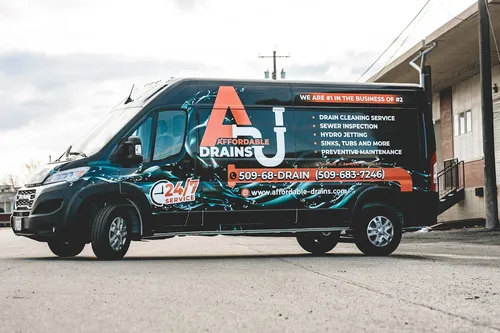
Affordable Drains
2925 E Providence Ave, Spokane, WA 99207
Affordable Drains is a septic tank inspection and drain cleaning company based in Spokane, WA. They provide services to residential and commercial properties in Spokane County and Northern Idaho. Their offerings include drain cleaning, rooter services, video camera inspections, high-pressure hydro jetting, sump pump repairs, storm drain cleaning, grease trap cleaning, and sewer line and septic tank location. With over 15 years of industry experience, the team uses advanced techniques like hydro jetting to clear stubborn blockages and maintain plumbing systems. Affordable Drains also offers 24/7 emergency service to address urgent drain issues at any time.

Vietzke Drain & Rooter
1805 S Craig Rd, Airway Heights, WA 99001
Vietzke Drain & Rooter is a septic tank inspection company based in Spokane, WA. They offer a range of services including drain cleaning, hydro jetting, video camera inspections, and sewer line and septic tank location. Their hydro jetting service provides a powerful method for pipe cleaning, while video camera inspections give detailed internal views of drain conditions. The company also handles sewer, septic, and storm drain maintenance to ensure proper function.
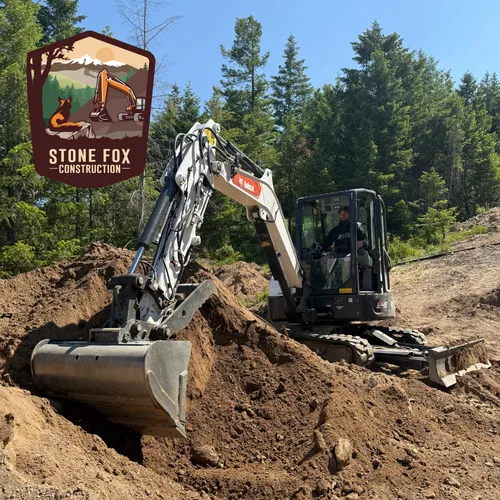
Stone Fox Construction
Spokane, WA
Stone Fox Construction is a licensed and insured company based in Spokane, WA, specializing in septic tank inspection and installation. Founded in 2023, the business draws on over 11 years of industry experience and serves Spokane and surrounding areas including North Idaho and Eastern Washington. They work closely with custom home builders and homeowners, offering excavation and septic services with a focus on clear communication and quality workmanship. Their capabilities include thorough septic system inspections and trenching for septic installations.

Spokane Septic Services
7514 N Cedar Rd, Spokane, WA 99208
Spokane Septic Services is a septic tank pumping, inspection, and repair company based in Spokane, WA. They serve Spokane and surrounding areas including Spokane Valley, Liberty Lake, Deer Park, Mead, and Colbert. The company offers 24/7 same-day septic tank pumping and emergency septic repairs, along with thorough septic inspections for real estate sales. Their services include drain field repairs and septic baffle replacements, with flat-rate pricing for 1000-gallon tanks. Spokane Septic Services is known for responding quickly to emergencies and maintaining clean work sites.

Eco Septic Tank Pumping Spokane
Spokane, WA
Eco Septic Tank Pumping Spokane provides a range of septic services in Spokane, WA, including septic tank pumping, inspection, repair, and installation. They handle routine cleaning to prevent system backups and offer emergency septic sewer cleaning to address urgent problems. Their process includes thorough tank inspection and proper waste disposal at licensed facilities. The company also supports septic system maintenance with biological treatments and comprehensive inspections to identify potential issues early. They serve Spokane and surrounding areas such as Spokane Valley, Airway Heights, Mead, Cheney, Liberty Lake, and Deer Park.
Understanding Spokane Valley's Septic Inspection Requirements
The Spokane Regional Health District (SRHD) sets the rules for maintaining private sewage systems. The required frequency of your septic system evaluation depends entirely on the type of system installed on your property.
- Conventional Gravity Systems: These common systems must undergo a professional inspection every three years.
- Alternative/Complex Systems: If your system includes pumps, a mound, a sand filter, or is a pressurized drainfield, the SRHD requires an annual inspection due to the mechanical components involved.
- Holding Tanks: Properties with holding tanks also require an annual inspection and, of course, more frequent pumping.
It is the property owner's responsibility to ensure these inspections are completed and that the official report is submitted to the SRHD. Failure to comply can result in penalties. A certified septic inspector or a homeowner who has completed the necessary training for their primary residence can perform this evaluation.
What Does a Comprehensive System Inspection Involve?
A thorough septic tank and drainfield inspection is a multi-step process designed to assess the health of every component. It's far more than just checking the tank level.
1. Locating and Accessing System Components The process begins by locating the septic tank and drainfield. Inspectors often consult records from the SRHD to find the "as-built" diagram of your system. They then carefully uncover the tank's manhole covers and inspection ports to gain access.
2. Inspecting the Tank Structure and Inlet/Outlet Once opened, the inspector examines the tank's interior. They check the structural integrity of the concrete, fiberglass, or plastic tank for cracks or signs of deterioration. A key step is inspecting the inlet and outlet baffles (or tees); these devices are crucial for preventing scum and sludge from escaping into the drainfield, and their failure is a common cause of system problems 1.
3. Measuring Scum and Sludge Levels This is a quantitative measure of your tank's contents. Using specialized tools, the inspector measures the depth of the floating scum layer at the top and the accumulated sludge layer at the bottom. These measurements are compared to the tank's total liquid depth. If the sludge layer is too thick or the scum layer is too deep, it indicates the tank needs to be pumped to prevent solids from washing out and clogging the drainfield.
4. Evaluating Mechanical Components (If Present) For alternative systems with pumps, grinders, float switches, or alarm systems, the inspector will test all electrical and mechanical parts to ensure they are operating correctly. This is a vital part of the annual inspection for these complex systems.
5. Assessing the Drainfield The inspection isn't complete without evaluating the drainfield (or leach field). The inspector looks for any signs of failure, such as:
- Soggy, overly saturated soil or standing wastewater above the field.
- Unpleasant odors emanating from the area.
- Unusually lush or green grass over the drainfield lines.
- Plumbing backups or slow drains in the house.
Any of these signs can indicate a clogged or failing drainfield that requires immediate attention 2.
Find the perfect septic tank inspection companies for your needs
Get personalized recommendations and expert advice
Costs for Inspection and Pumping in Spokane Valley
Understanding the potential costs helps homeowners budget for this essential maintenance. Prices can vary based on your tank's size, its accessibility, and the complexity of your system.
- Routine Septic Inspection: For a standard inspection, homeowners in Spokane Valley can expect to pay between $300 and $650. The higher end typically applies to larger or more complex systems with pumps that require additional testing.
- Septic Tank Pumping: If the inspection reveals your tank is full, pumping is necessary. The cost for pumping alone generally ranges from $300 to $600+, depending heavily on tank capacity (e.g., 1,000-gallon vs. 1,500-gallon).
- Combined Service (Inspect & Pump): Many companies offer a discounted rate for performing both services in one visit. A combined maintenance visit typically falls in the range of $500 to $900 or more 3.
While these are average estimates, getting a few quotes from local certified providers is always recommended.
How to Find Certified Inspectors and Access Your Records
You have reliable resources at your fingertips for managing your septic system.
Finding a Certified Professional: The Spokane Regional Health District maintains an official list of approved septic system inspectors and pumpers. Hiring from this list ensures the professional knows local codes and can legally submit the required inspection report to the health department on your behalf.
The DIY Inspection Option: Washington State allows homeowners to inspect their own septic system on their primary residence. To do this, you must complete a training course approved by the local health department (like SRHD) to become a certified homeowner inspector. This can be a cost-effective option for those comfortable with the process 4. The Washington Department of Health provides a detailed field guide for this purpose 5.
Accessing Your System's History: If you're unsure about your system's design or maintenance history, you can request records. "As-built" design and installation records for septic systems in Spokane Valley are typically held by the SRHD. The Washington State Department of Health also provides resources and record searches for systems statewide.
The Critical Importance of Regular Inspections
Skipping a mandated septic system evaluation is a risk with serious consequences. Regular inspections are your first line of defense.
- Prevent System Failure: Catching a small issue-like a failing baffle or high sludge level-during an inspection allows for a simple, relatively inexpensive repair. Ignoring it can lead to a completely clogged and failed drainfield, which can cost tens of thousands of dollars to replace 6.
- Protect Public Health and Environment: A malfunctioning septic system can leak untreated wastewater into the ground, contaminating groundwater, streams, and lakes. This poses a direct risk to public health and violates state environmental laws.
- Ensure Legal Compliance: As a property owner, you are legally responsible for your septic system. Submitting your inspection report to SRHD keeps you in compliance and avoids potential fines 7.
- Smooth Real Estate Transactions: A clean, recent inspection report is a powerful asset when selling your home. It provides potential buyers with confidence and can prevent last-minute delays or renegotiations during the sale process.
Frequently asked questions
Sources
Footnotes
-
What Is a Septic Tank Inspection - https://martinseptic.com/what-does-a-septic-tank-inspection-involve/ ↩
-
Septic Tank Inspections - https://flohawks.com/septic-tank-inspections-puyallup/ ↩
-
How to Read Your Septic Tank Inspection Report: A Complete Guide - https://dandhsepticservices.com/septic-tank-inspection-report/ ↩
-
Septic Systems | Washington State Department of Health - https://doh.wa.gov/community-and-environment/wastewater-management/septic-system ↩
-
Do-It-Yourself Septic System Inspection Field Guide - https://doh.wa.gov/sites/default/files/legacy/Documents/Pubs//337-128.pdf ↩
-
Understanding the Importance of Septic Inspections as a Buyer and Homeowner - https://www.rismedia.com/2024/04/18/understanding-importance-septic-inspections-buyer-homeowner/ ↩
-
On-Site Septic Operations and Maintenance - https://srhd.org/programs-and-services/oss/on-site-septic-operations-and-maintenance ↩